I’ve been in the roofing materials industry for over a decade and have dealt with at least several dozen manufacturers of resin roofing tiles. The actual gap in technical proficiency is often not reflected in promotional brochures; the core differences lie primarily in formula stability and molding processes, as these are the most critical determining factors—factors that most procurement personnel tend to overlook.
Resin Roof Tile ManufacturersWhat to Watch
The most important thing is that you have to go and see itAPVC Base Material Formulation. Even among roof tiles that are all claimed to be made of APVC material, there is often a significant difference—sometimes as much as several years—in the lifespan of their weather resistance, depending on the manufacturer.
If we want to evaluate the quality of materials through UV aging tests, the changes in color difference and the degree of material embrittlement after several hundred hours of exposure will be clearly evident in the test results. Suppliers who refuse to disclose these key data points can generally be ruled out immediately; under no circumstances should you rely solely on their verbal promises.
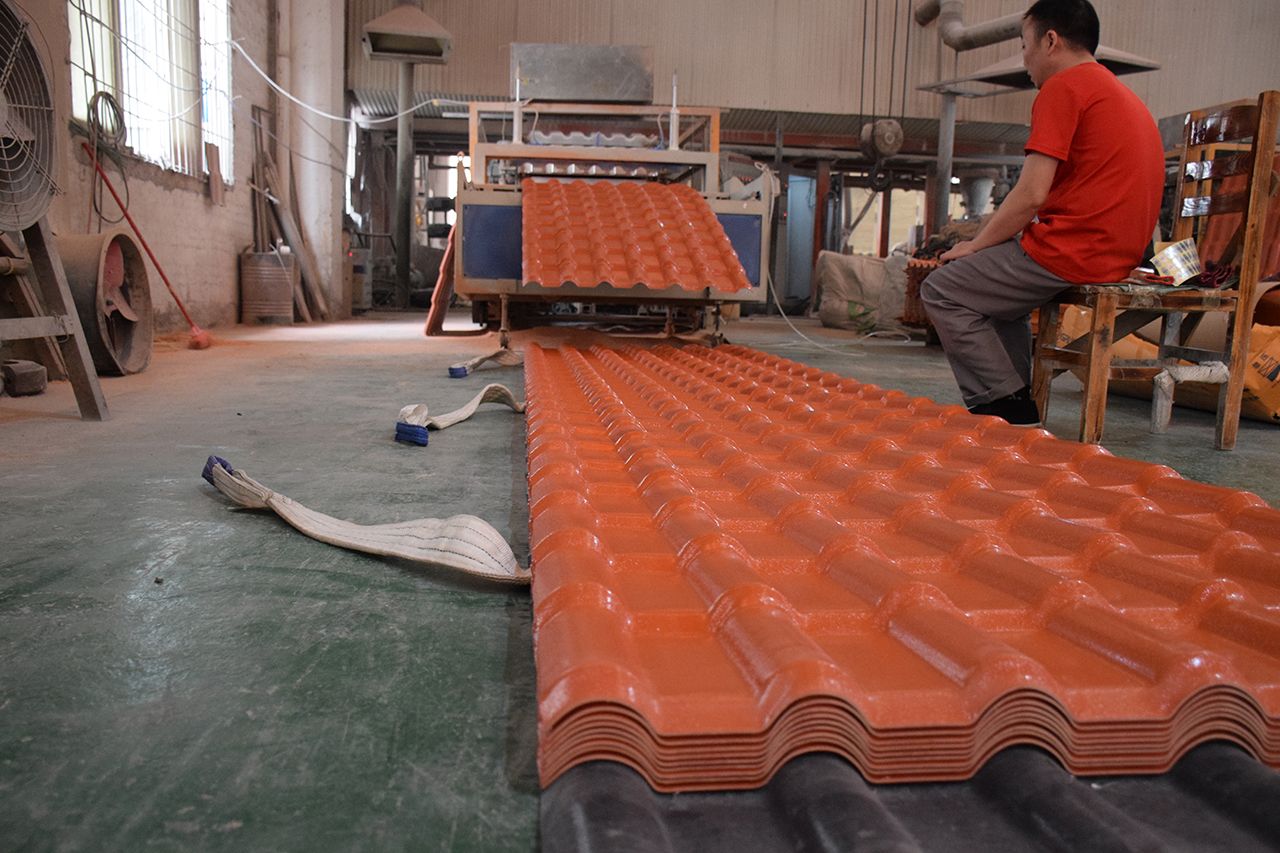
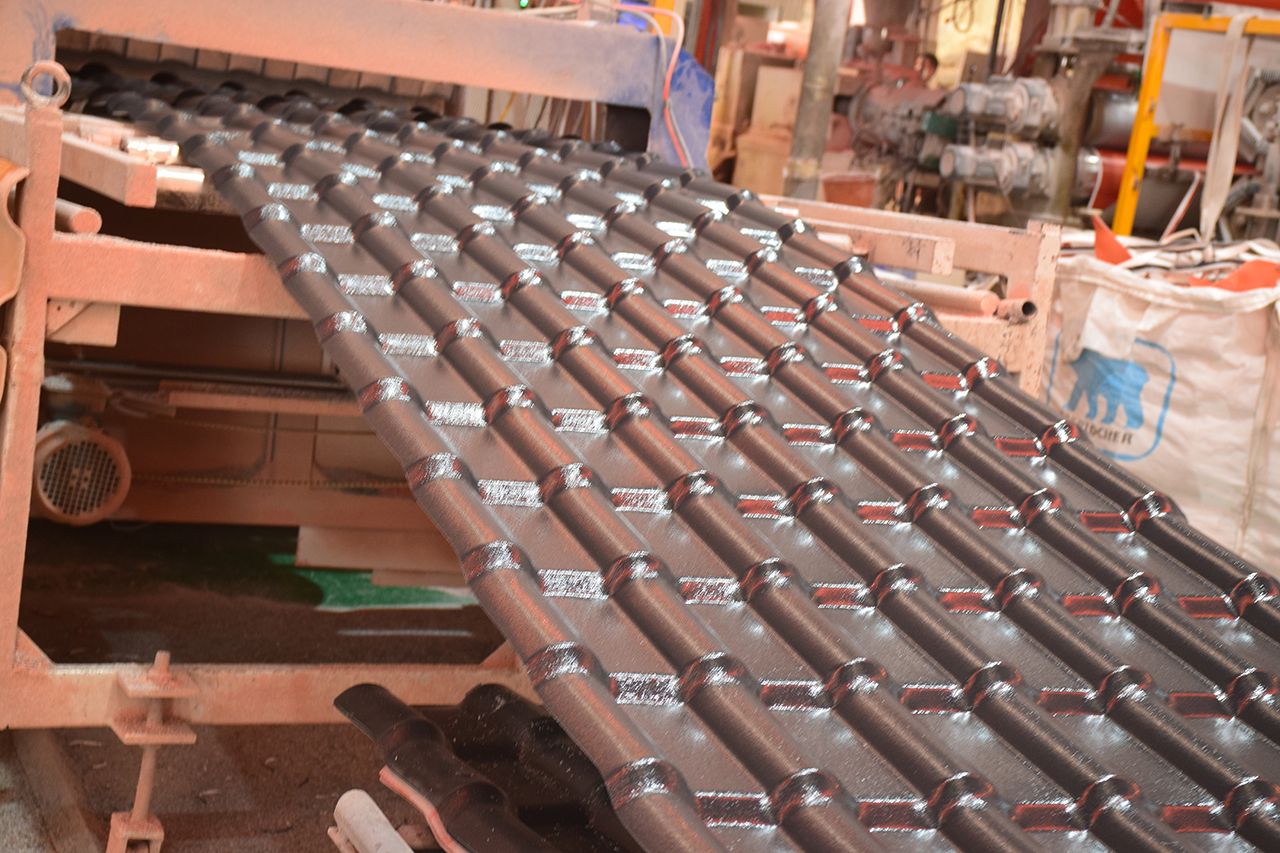
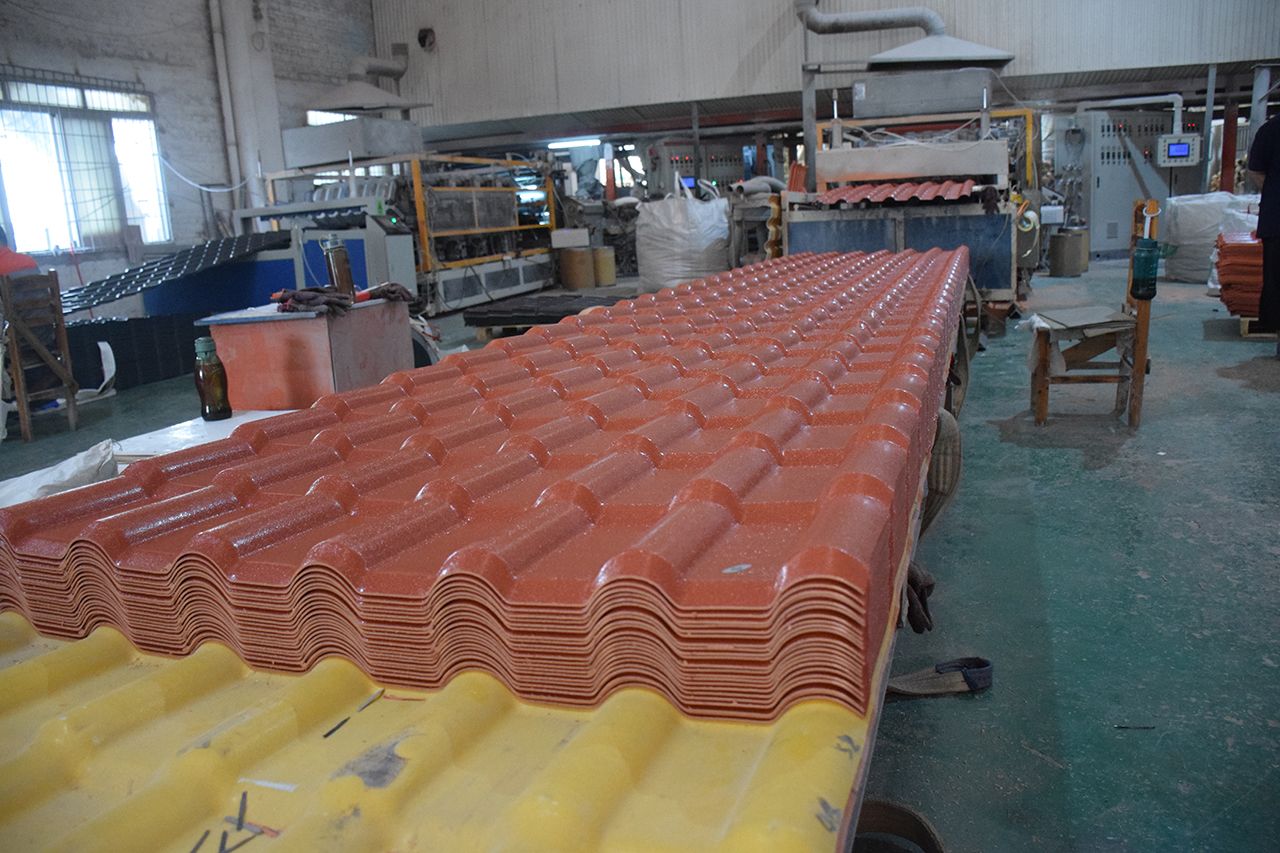
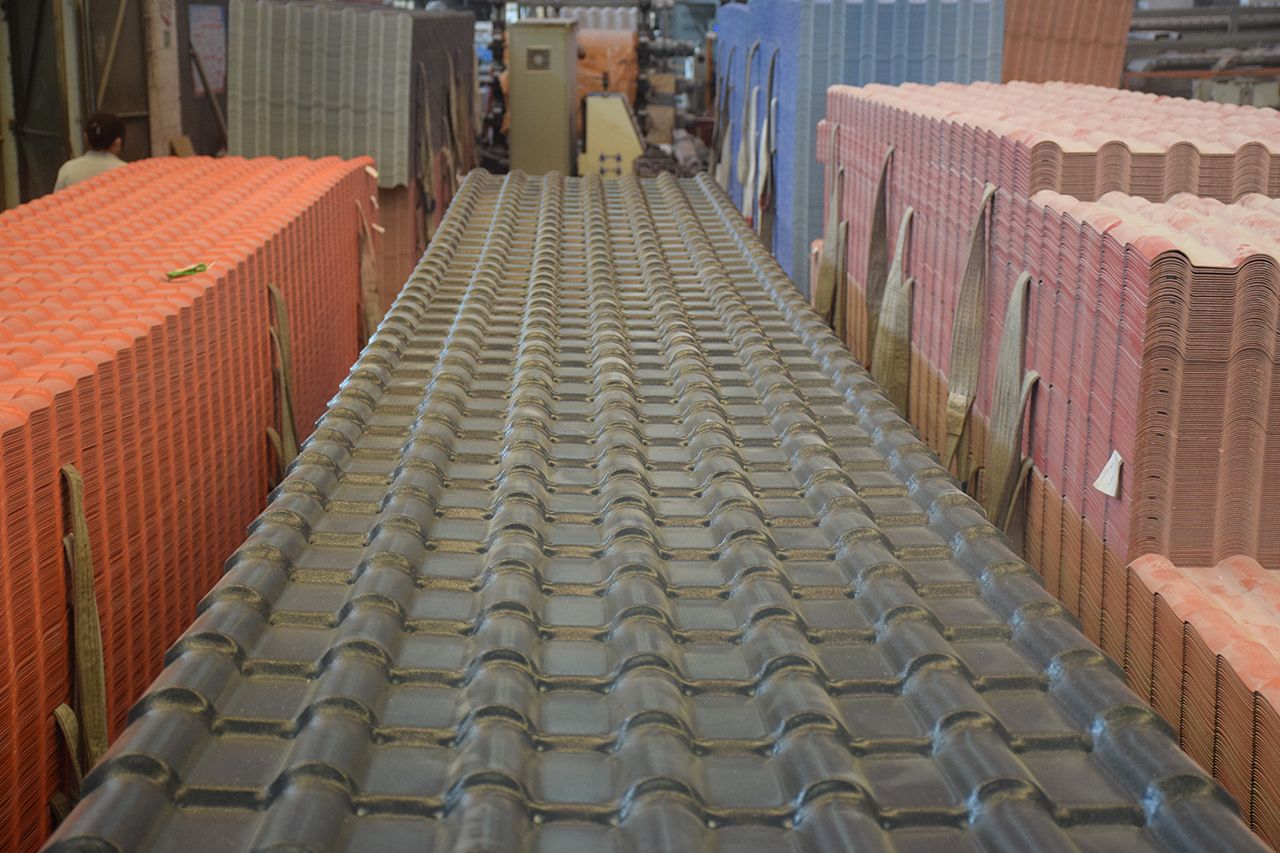
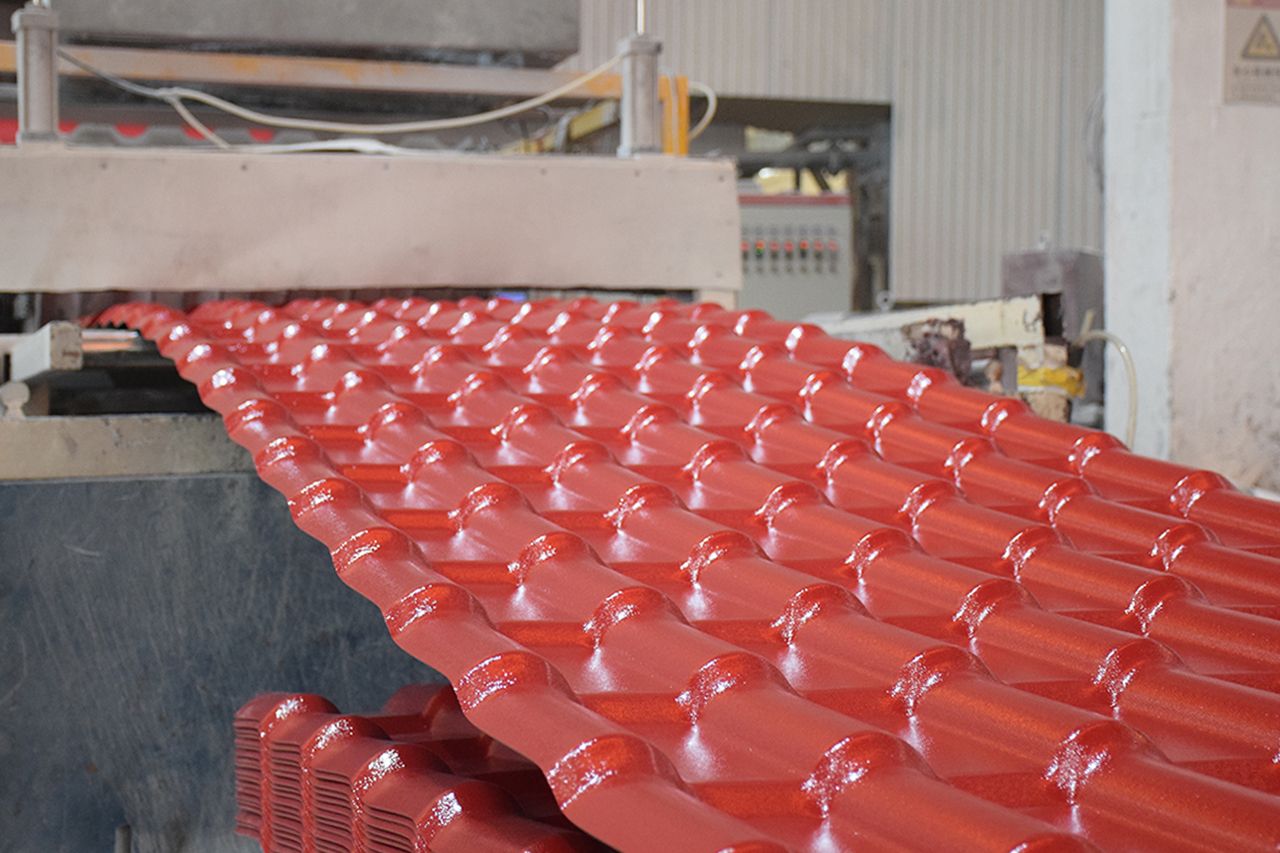
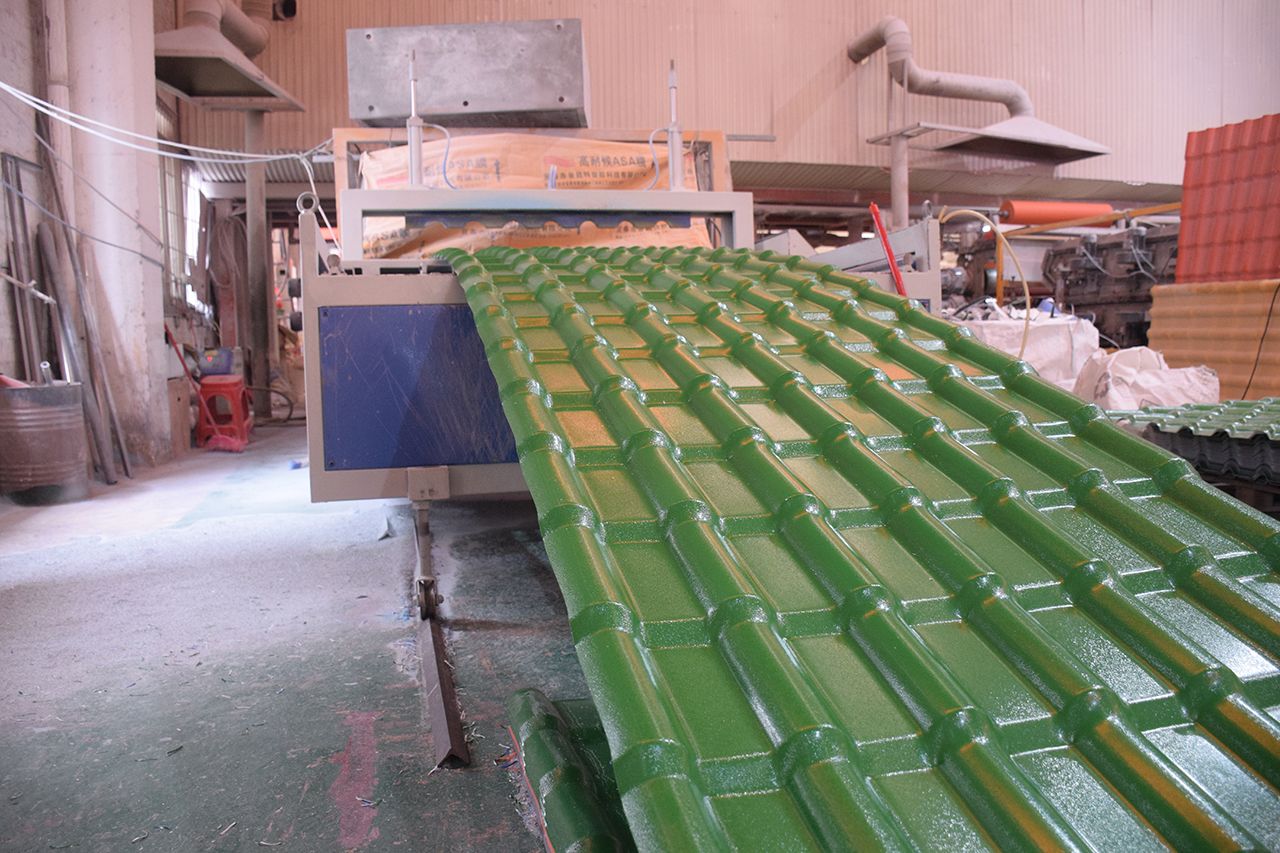
Forming equipment is also a critical component. Sheets produced through calendering and co-extrusion processes exhibit differences in structural density, which directly and significantly affects the material’s impact resistance and thermal insulation performance. If the parameters of the relevant equipment are not clearly disclosed, this largely indicates that the operator lacks sufficient confidence and certainty. The specific metrics regarding the linear speed of the rollers used in the calendering process and the material’s cooling rate warrant thorough inquiry and discussion; in this regard, one should not display any reluctance or aversion to addressing these details.
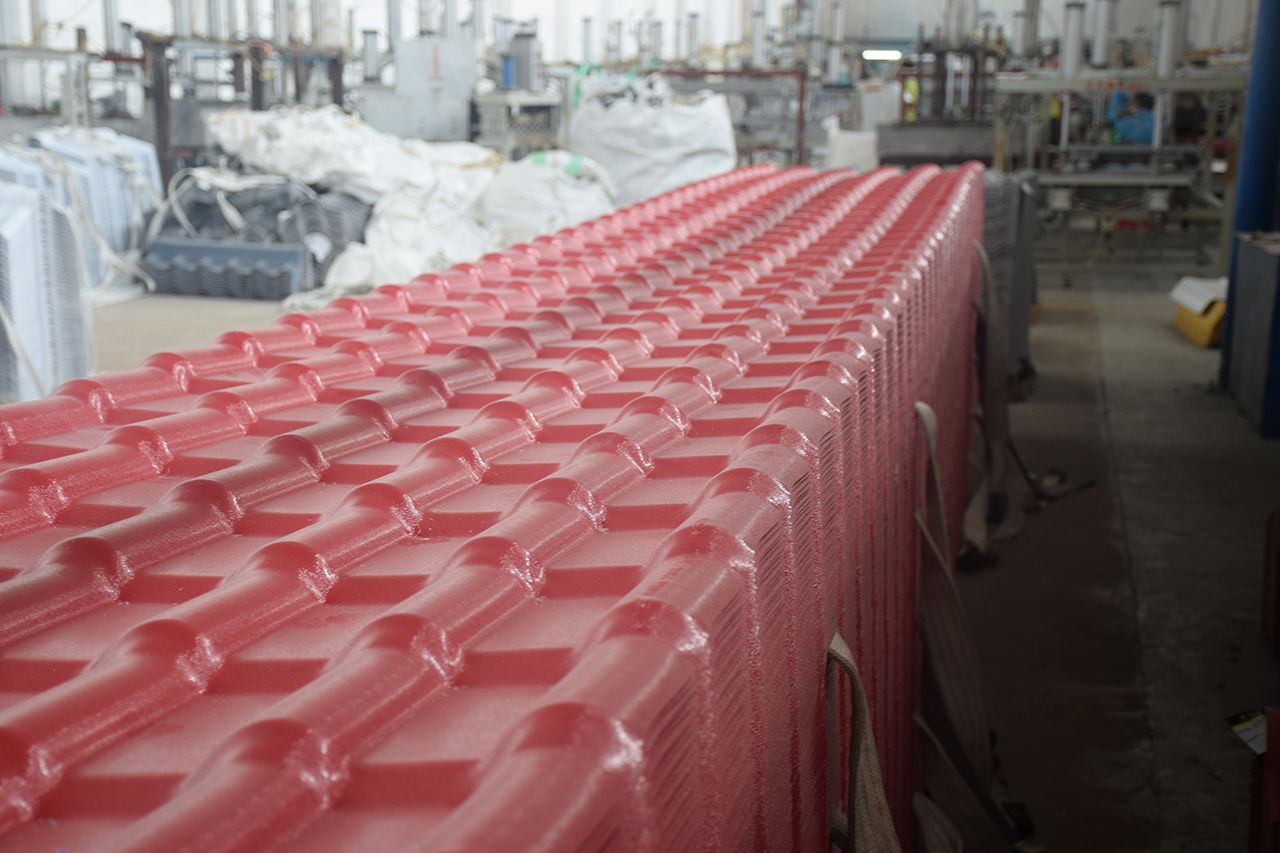
What's wrong with the production process?
Compared to the single-layer calendering process, co-extruded sheets do indeed require an additional production step. If the outer layer of UV-resistant ASA material is made too thin during production, the sheet is likely to become whitish and fade after two or three years of use.
At this point, you should contact the manufacturer directly to ask for the exact thickness of this layer. Only manufacturers who can provide a very clear and specific figure are trustworthy and reliable. As for those who are vague and refuse to give you a definite answer, you absolutely cannot trust them.
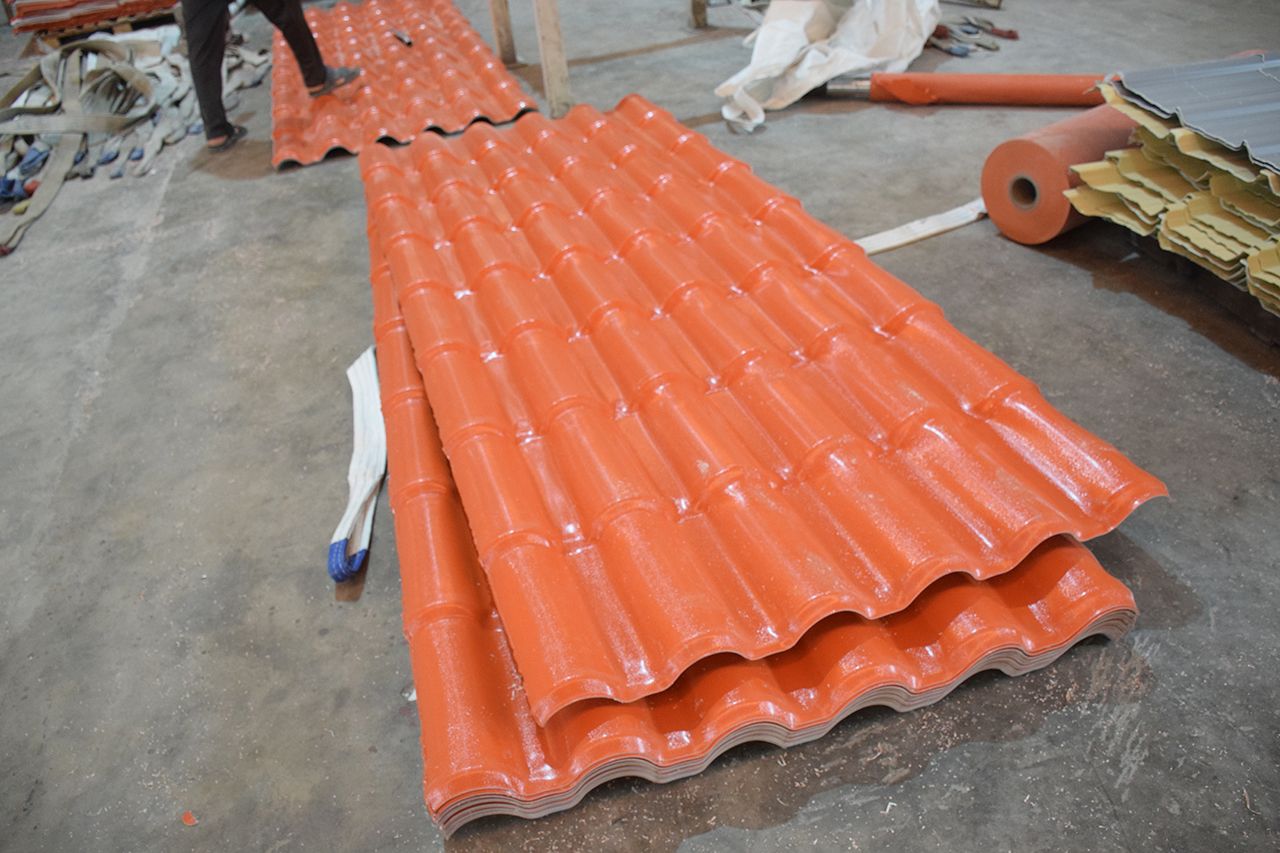
The issue of mold precision is something that’s often overlooked. If the mold cavities are worn out and aren’t replaced, the dimensional deviations in the resulting roof tiles and roof panels will become extremely large. As a result, when assembling and joining the pieces on-site, the joints simply won’t line up properly.
As a result, this major hidden hazard—water leakage—was swept under the rug. For newly manufactured roof tiles, it’s best to randomly inspect a few pieces to check the actual height of the ridges before they are fed into the machinery for installation and processing. If a production batch is found to have deviations exceeding two millimeters, the shipment should be returned immediately.
When selecting a manufacturer of resin roofing tiles, don’t let low prices lead you astray. Manufacturers with highly stable formulations and solid production techniques—as well as those who are transparent enough to openly share their test reports—are the ones truly suited for long-term partnerships.
Keywords: Resin Roof Tile Technology Manufacturers