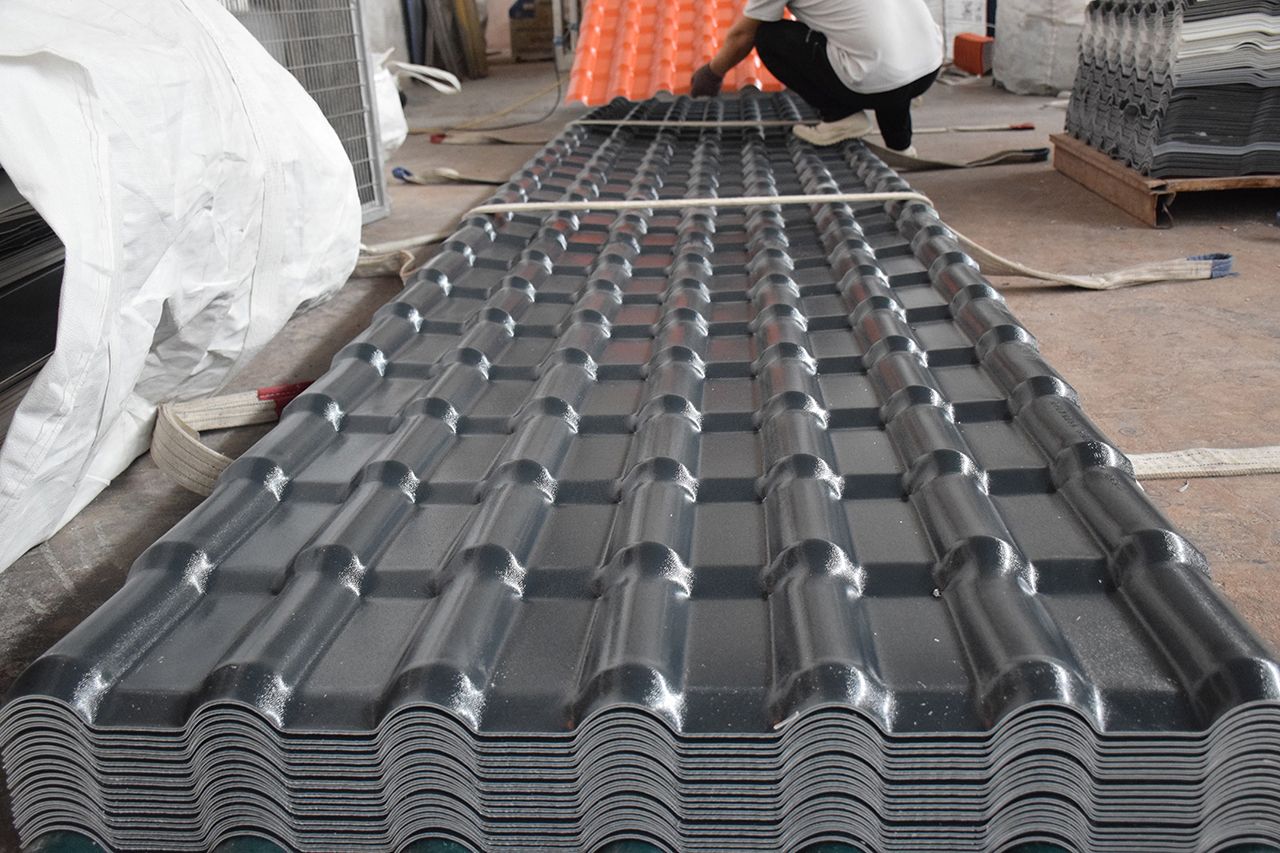
During my many years working at a resin roofing tile factory, I’ve seen quite a few newly established manufacturers that began production without fully understanding the technical aspects of the process. This ultimately led to problems such as warping and fading in their products, resulting in the loss of most of their customer base.
The technology involved in resin tile manufacturing is actually not as complex as people might imagine; there are only a few key elements at its core. First, you need to select the right equipment; second, you need to fine-tune the formula; and third, you need to maintain consistent production process parameters. The following sections will provide a detailed breakdown of these key technical aspects.
What equipment is used to manufacture resin roofing tiles?
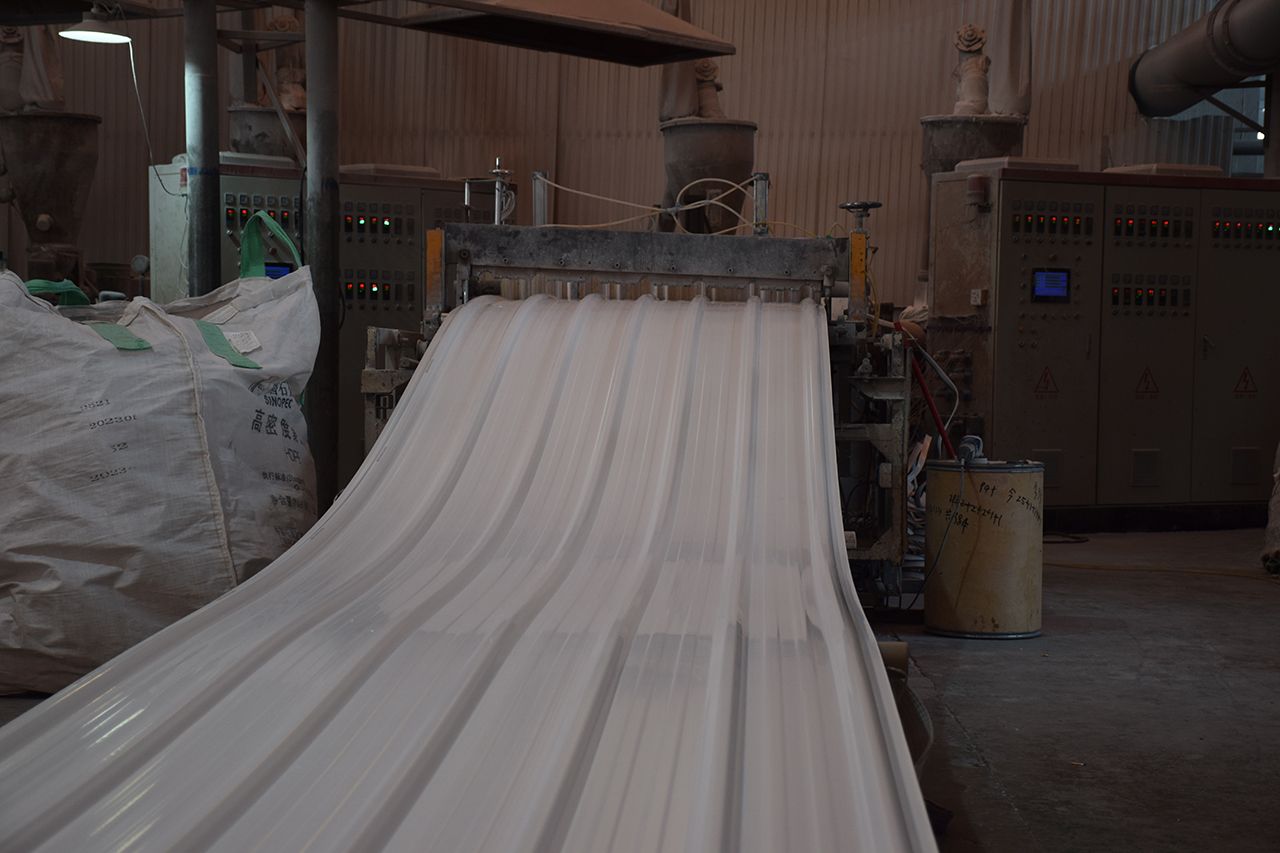
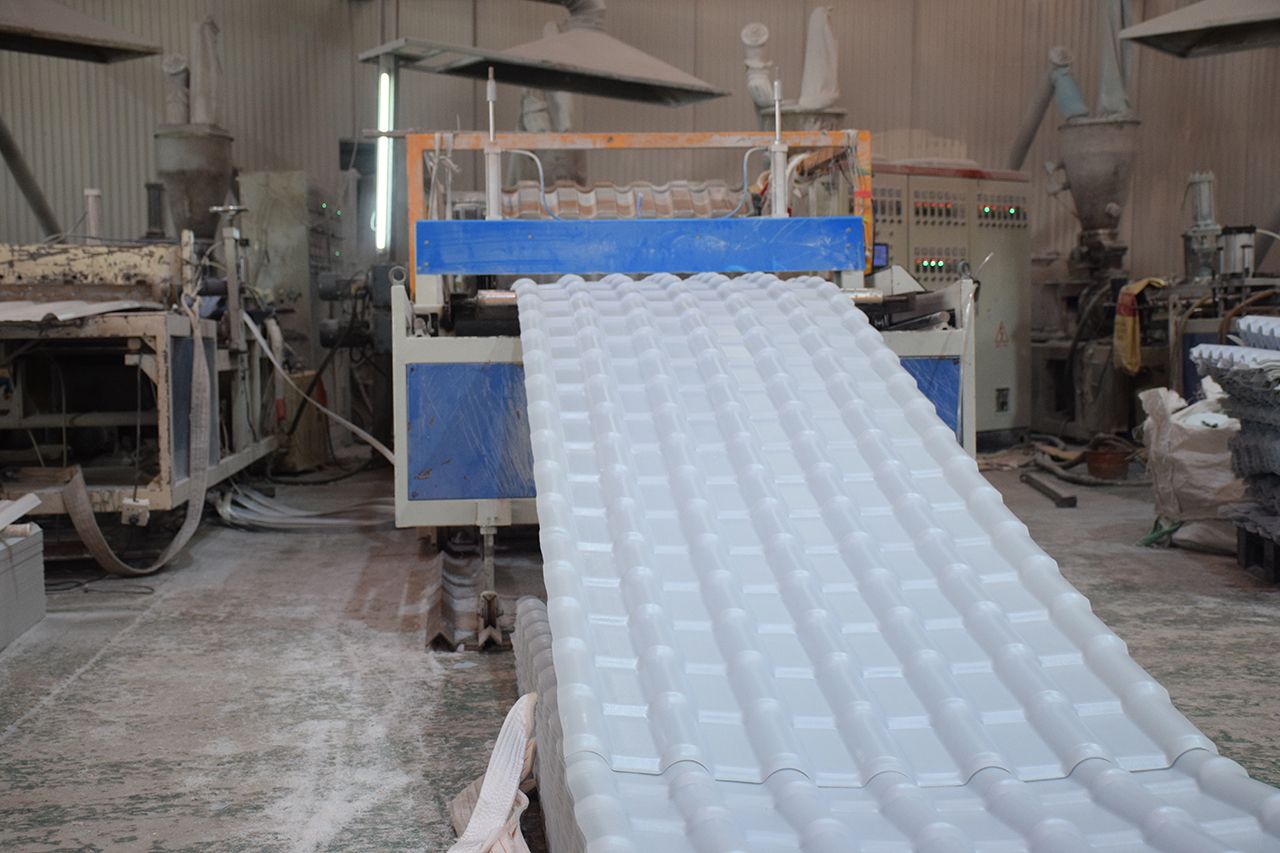
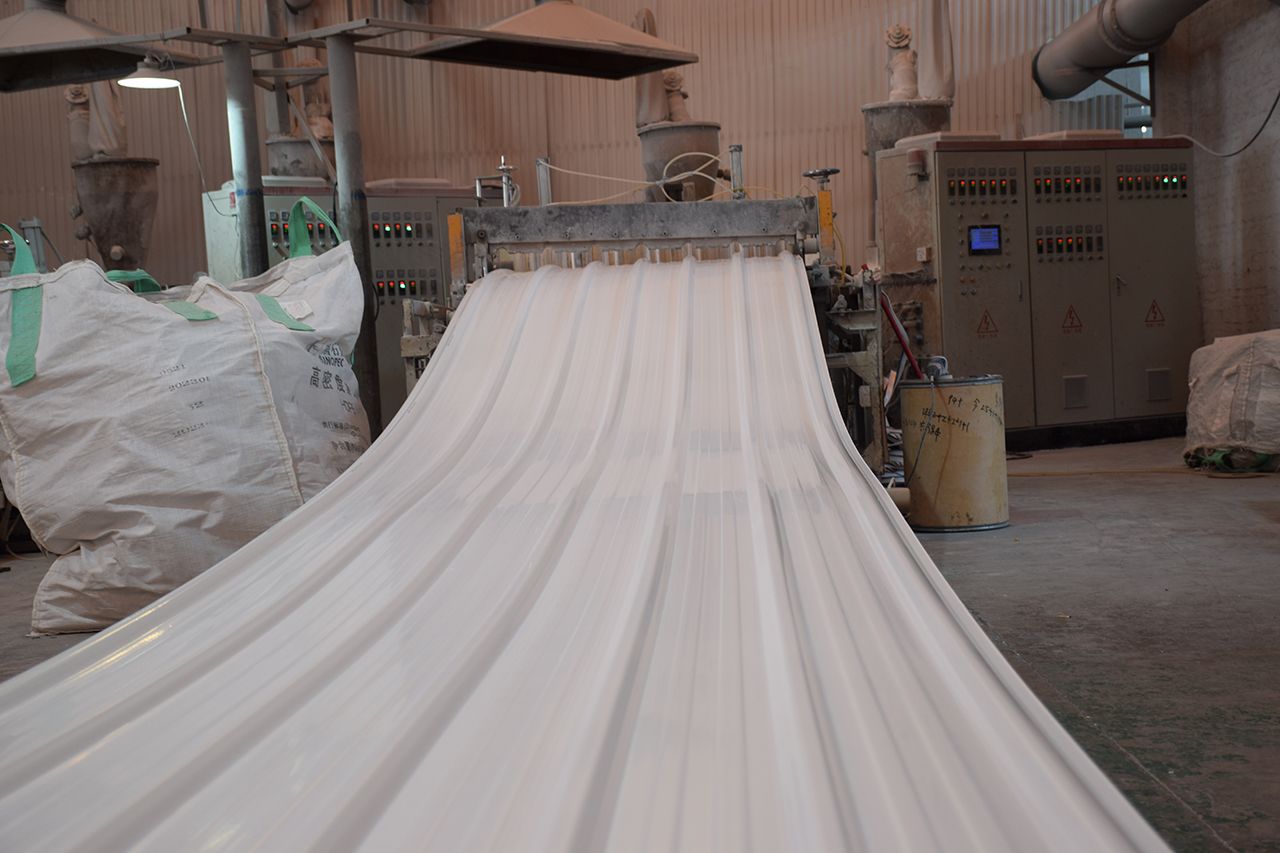
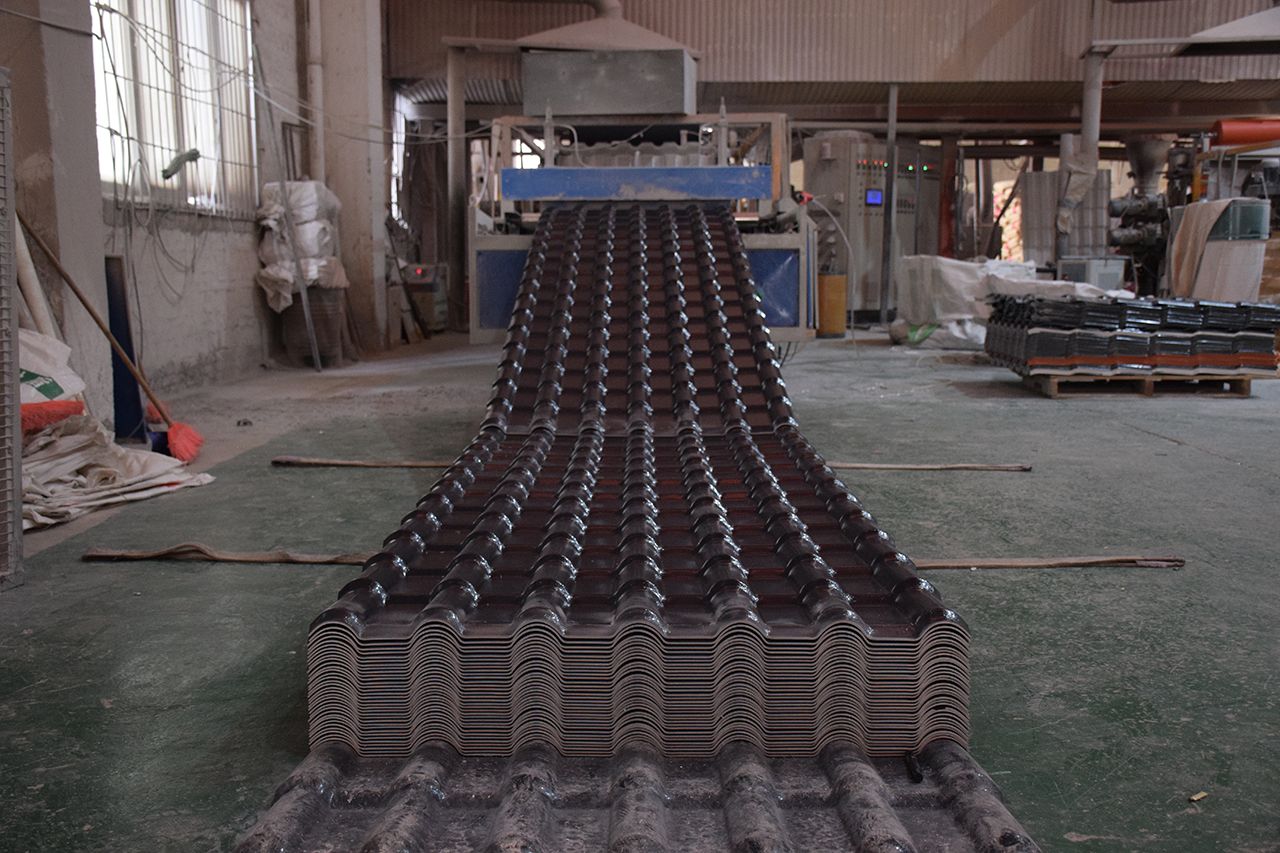
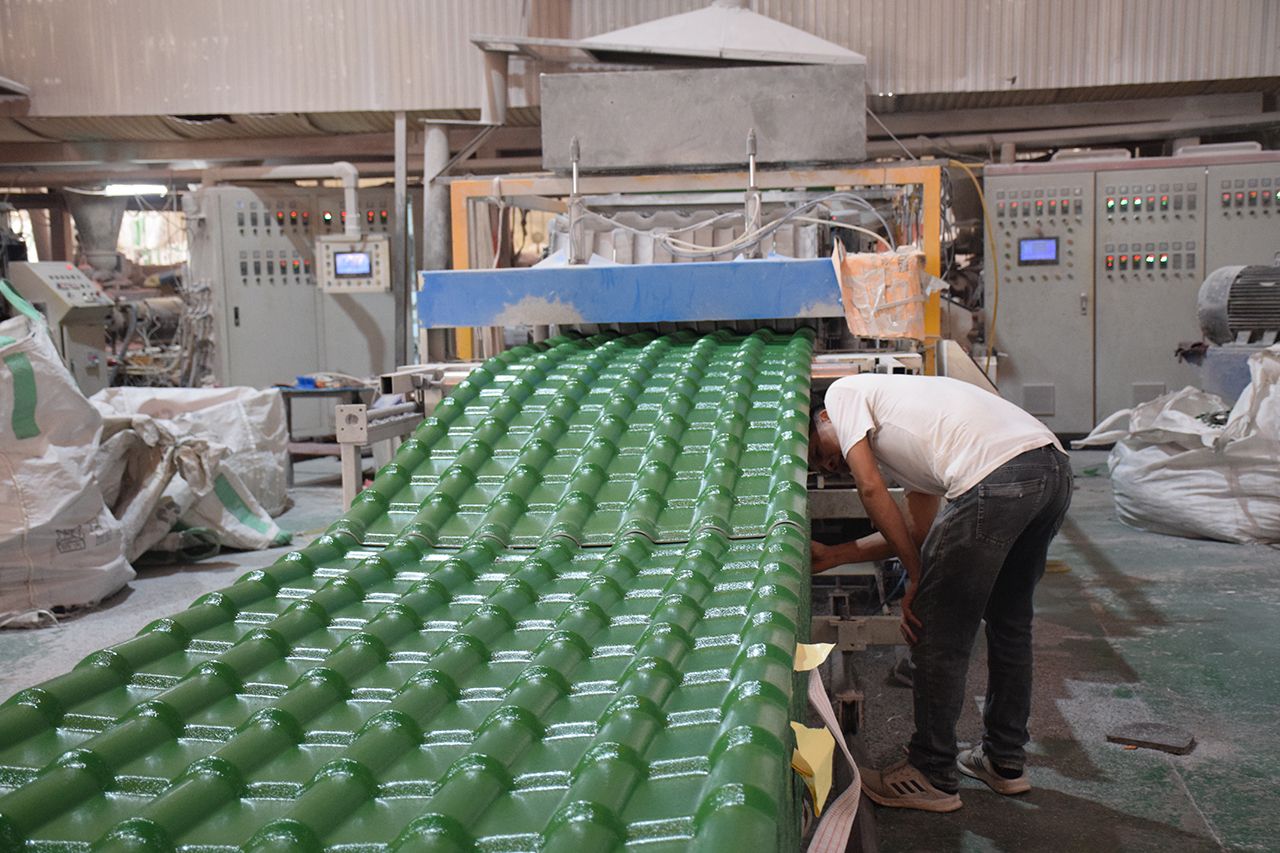
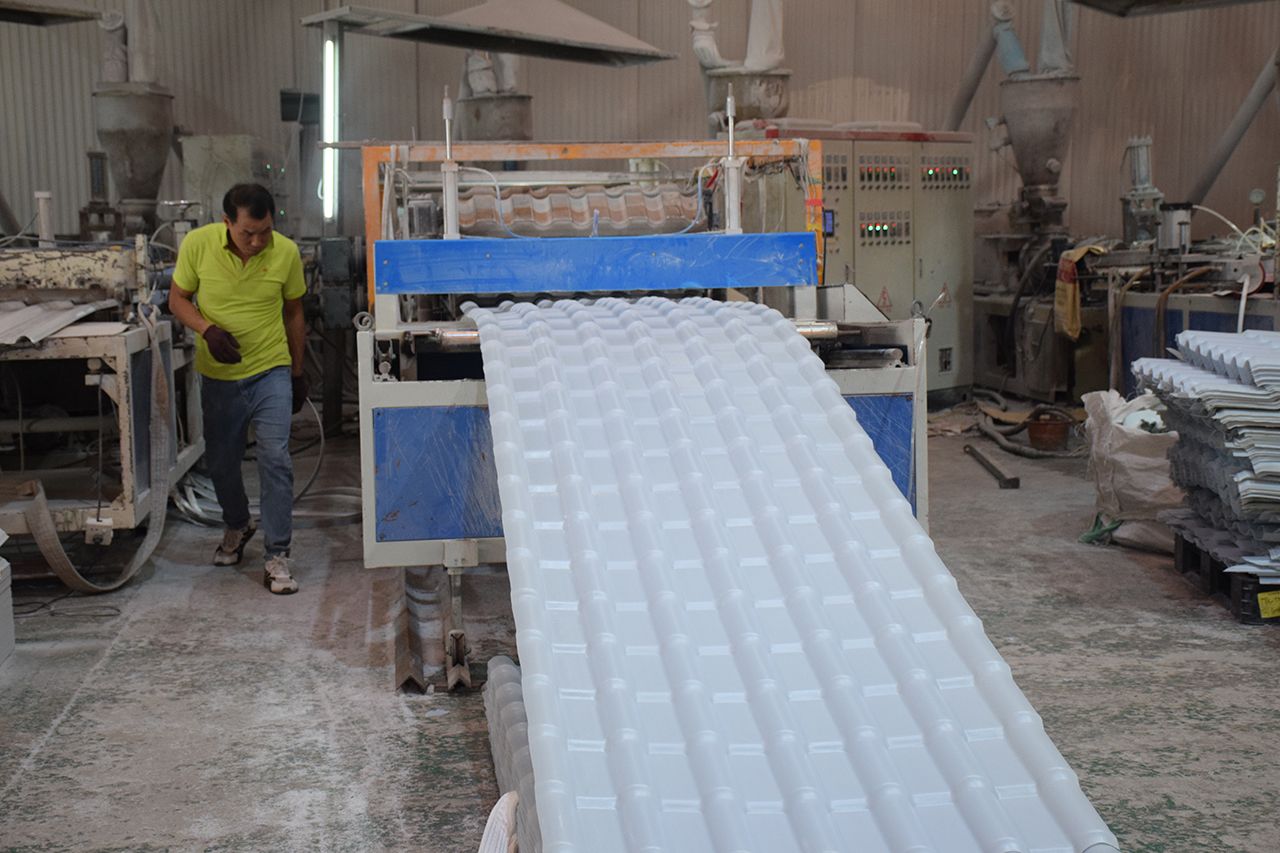
The main part of the production line consists of a machine that integrates extrusion, calendering, and lamination. However, many small factories on the market opt to use older-style flat-die equipment to cut costs. This results in corrugated sheets with uneven thickness, which are highly prone to water leakage once installed.
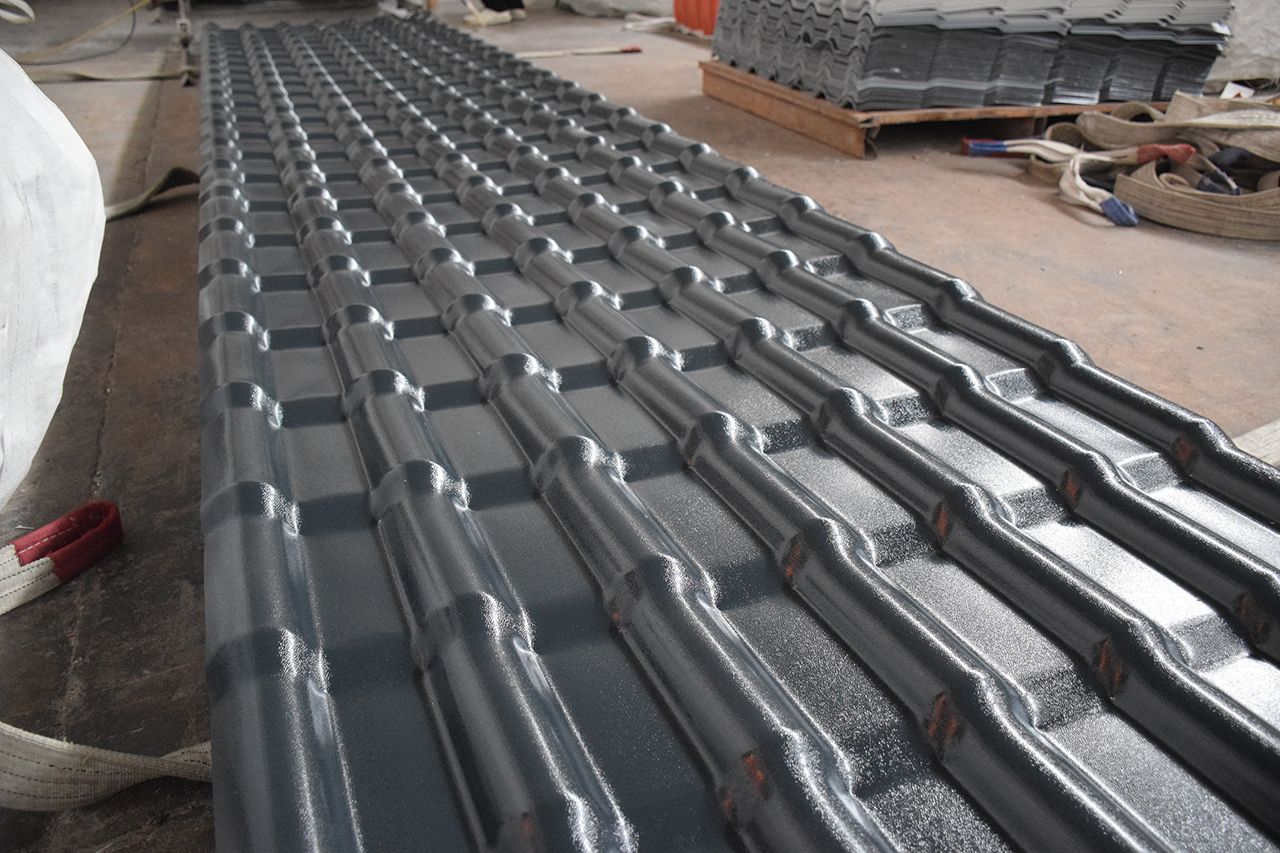
We recommend that you use at least a three-roll calendering process for production and manufacturing, and combine it with an in-line thickness gauge to strictly control product thickness variations within a range of plus or minus 0.1 millimeter.
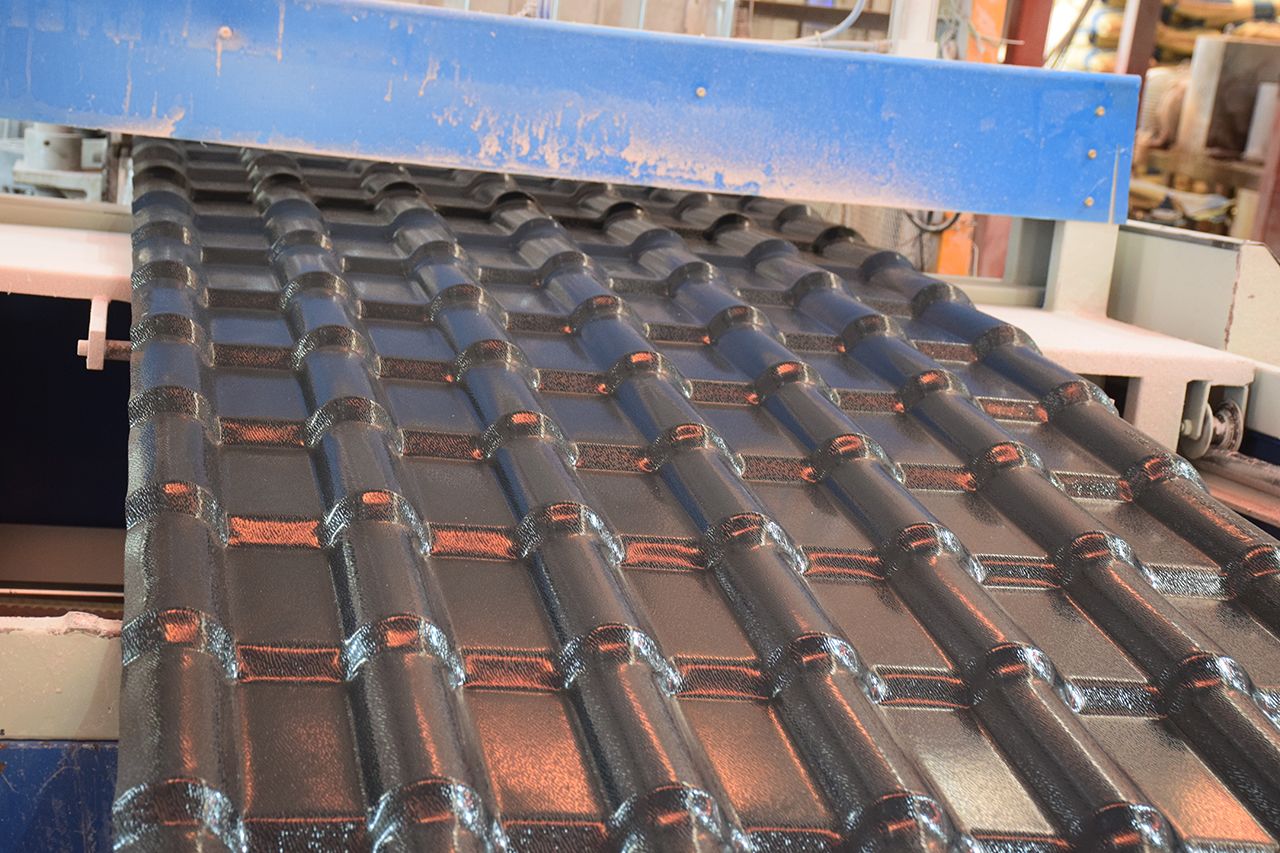
Never overlook the drawing and fixed-length cutting steps. When the drawing speed does not match the extrusion speed, stretch marks will appear on the roof tile surface. If hot cutting is used during the cutting process and the temperature is not properly adjusted, the edges will turn yellow. On the surface, these may seem like minor issues, but during mass production and shipment, they can lead to quality incidents.
How to Control the Molding Temperature
The melting temperature of PVC resin generally ranges from 150°C to 170°C; however, because the formulation of the added materials varies, the temperatures in each zone of the screw must be adjusted accordingly.
A common mistake made by beginners is using a single temperature setting throughout the entire process; in fact, at least three different temperature settings are needed for the feeding, compression, and metering sections. If this is not done, the plastic will not be sufficiently plastified, and bubbles may form inside the barrel.
The cooling and setting stage is actually even more critical. Questions such as whether to use air cooling or water cooling, and how air velocity is controlled in each area, directly determine the flatness of the tiles. Our factory later modified the setting rollers toZoned Water Cooling, As a result, the surface pass rate increased from 91% to 97%.
To put it bluntly, resin tile factories don’t have any secret formulas in terms of production technology that they’re hiding from others; the real challenge lies in consistently maintaining each specific parameter.
When purchasing equipment, everyone must avoid making the wrong decision just to save money. When documenting production processes, you must never cut corners or take shortcuts. Only then can the products you manufacture truly gain a foothold and survive in the marketplace.
Keywords: Resin Roof Tile Factory Technology