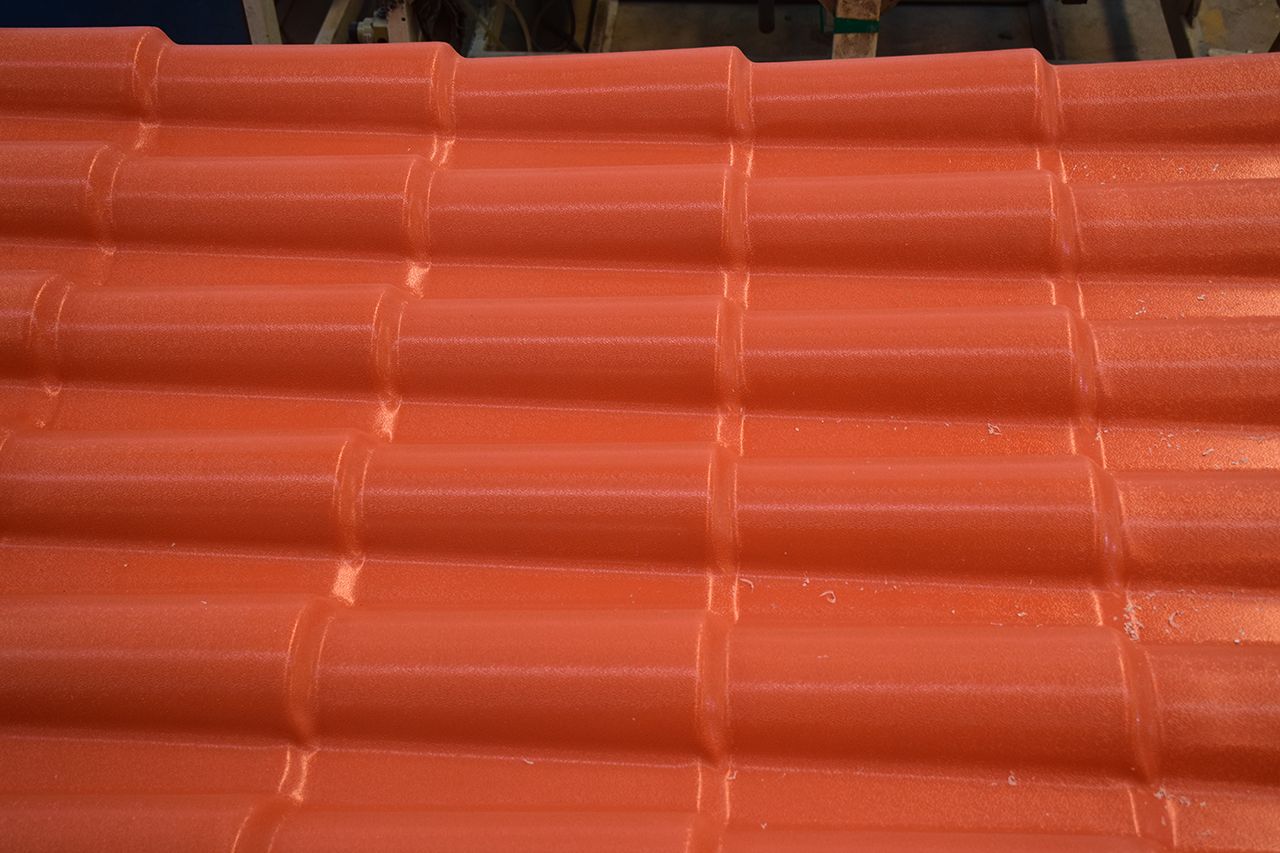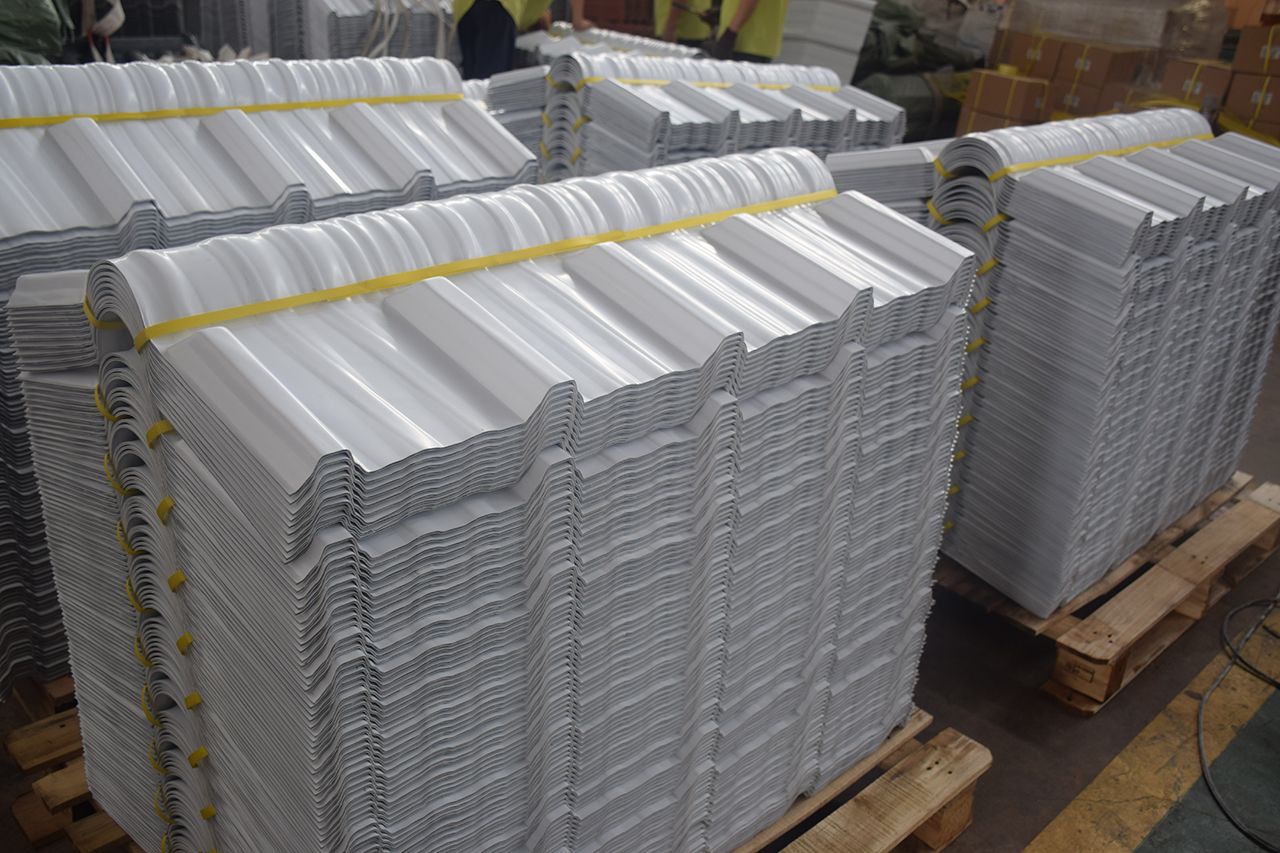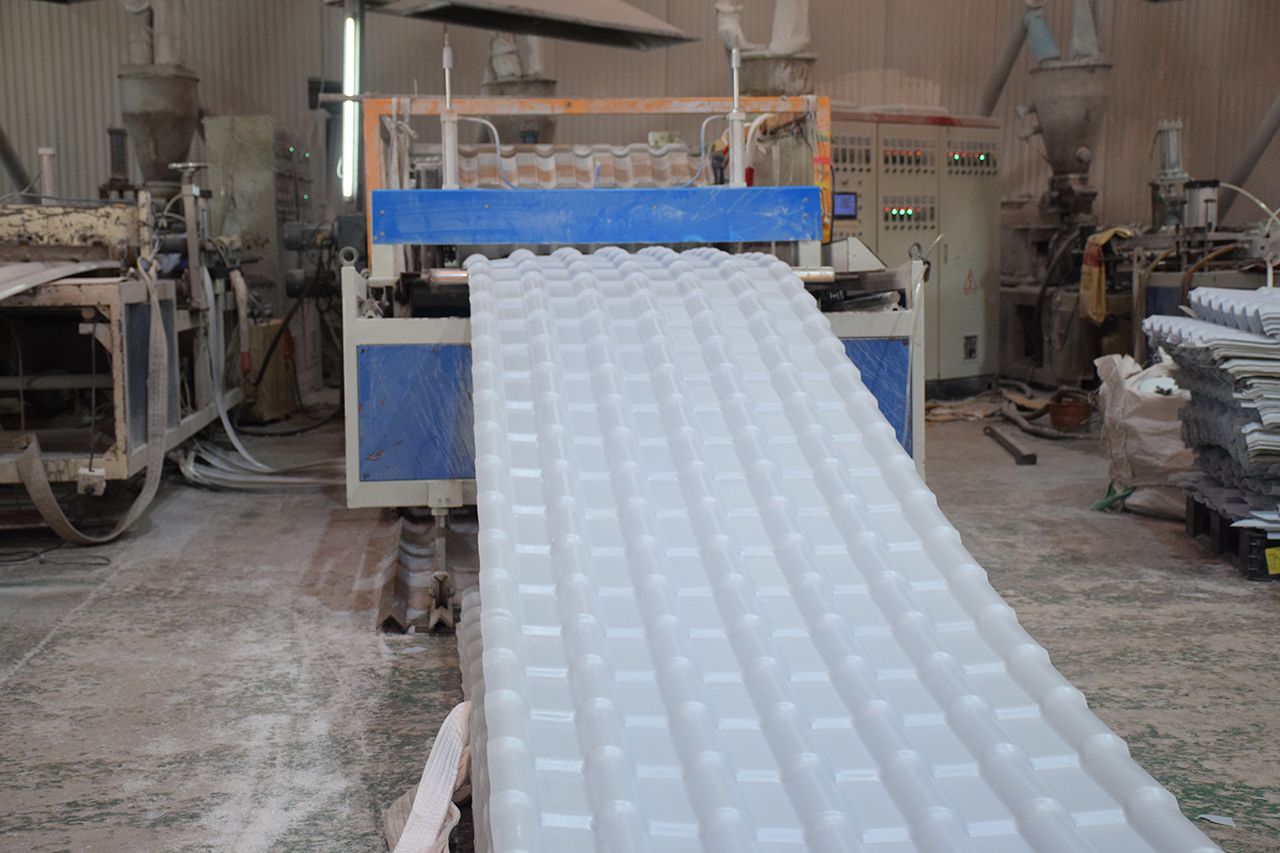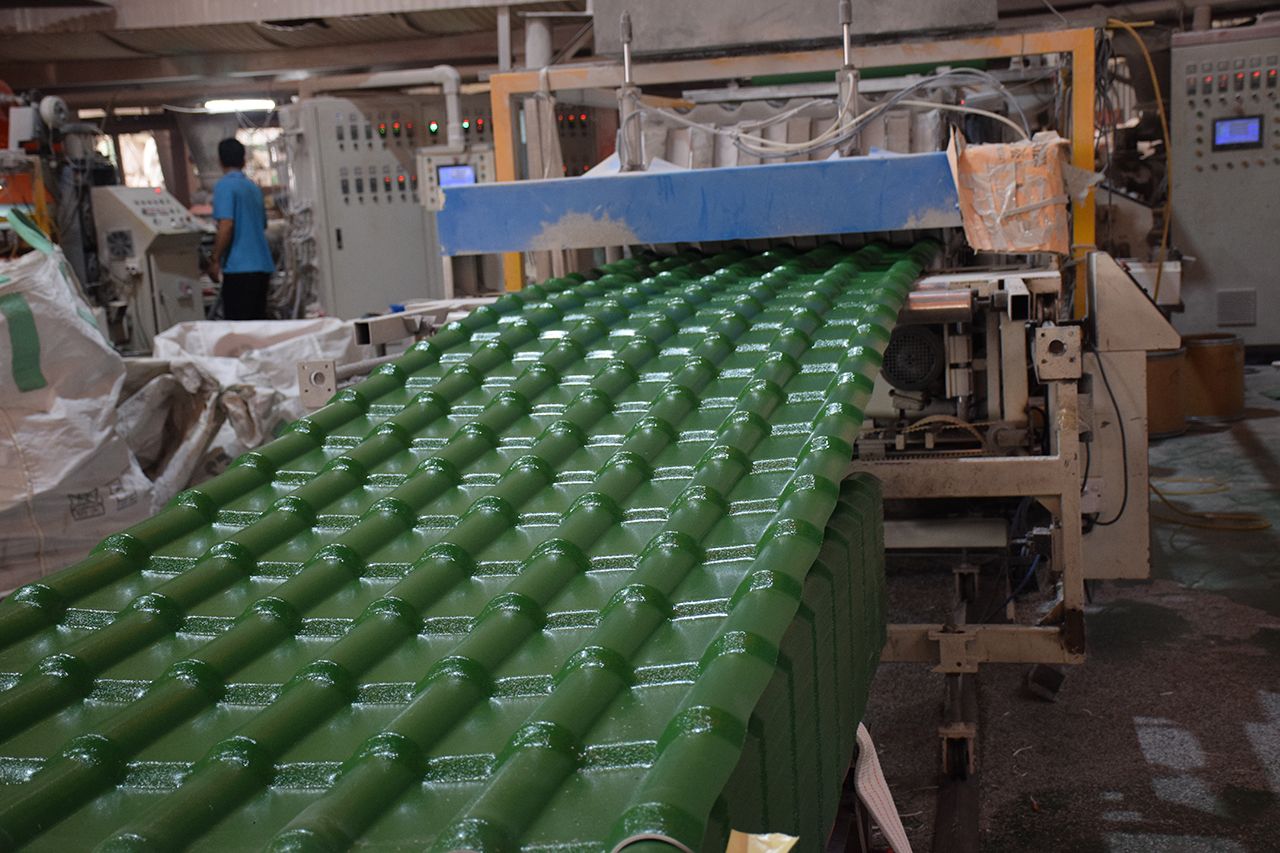
How exactly should one go about choosing a manufacturer of synthetic resin roofing tiles? This is a question that constantly leaves many construction project buyers and homeowners building their own houses feeling confused and hesitant. When tiles from different manufacturers are laid out side by side for comparison, they may look similar, but once they’re actually installed, you’ll notice some fairly significant differences.
When selecting a manufacturer, you shouldn’t just focus on the numbers listed on a quote; you also need to learn about their production lines and see what materials they actually use.
How to Choose a Synthetic Resin Roof Tile Manufacturer
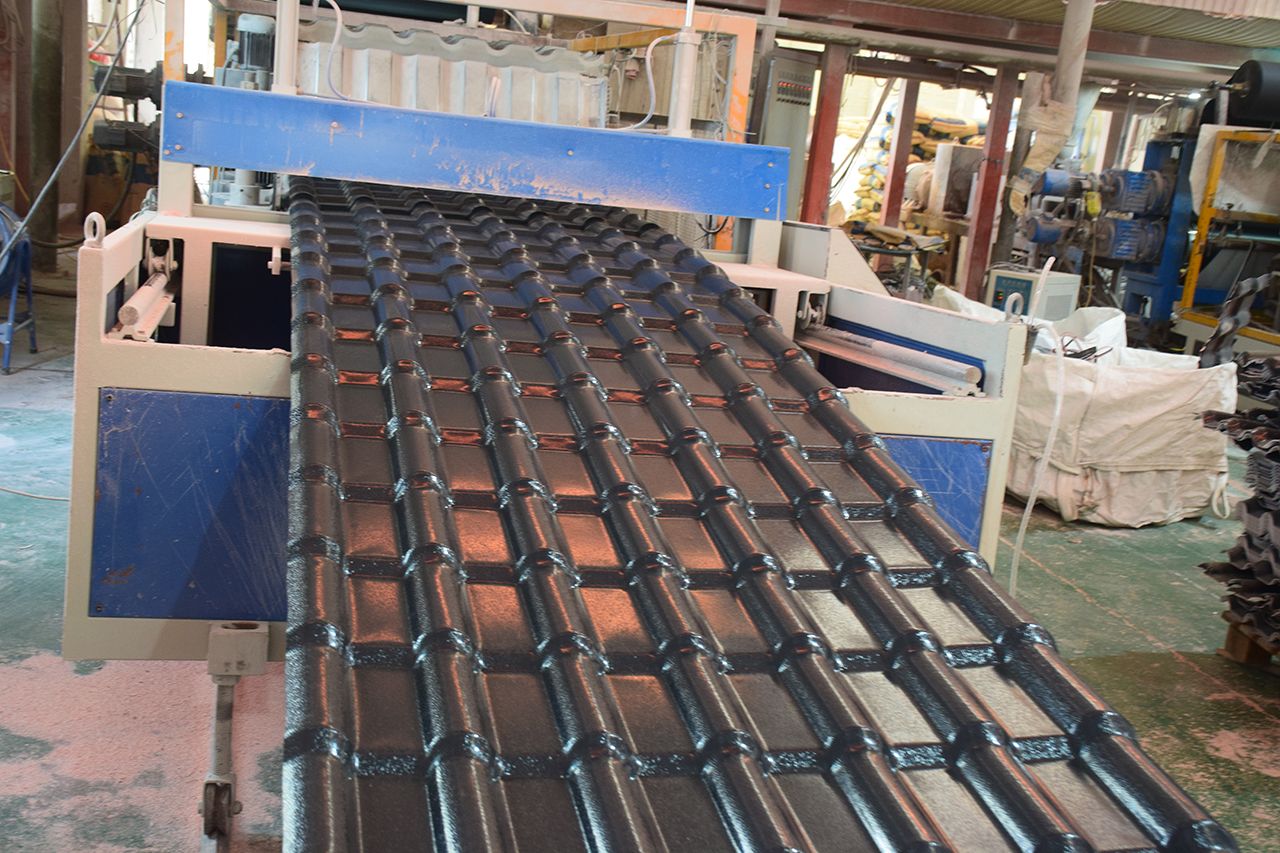
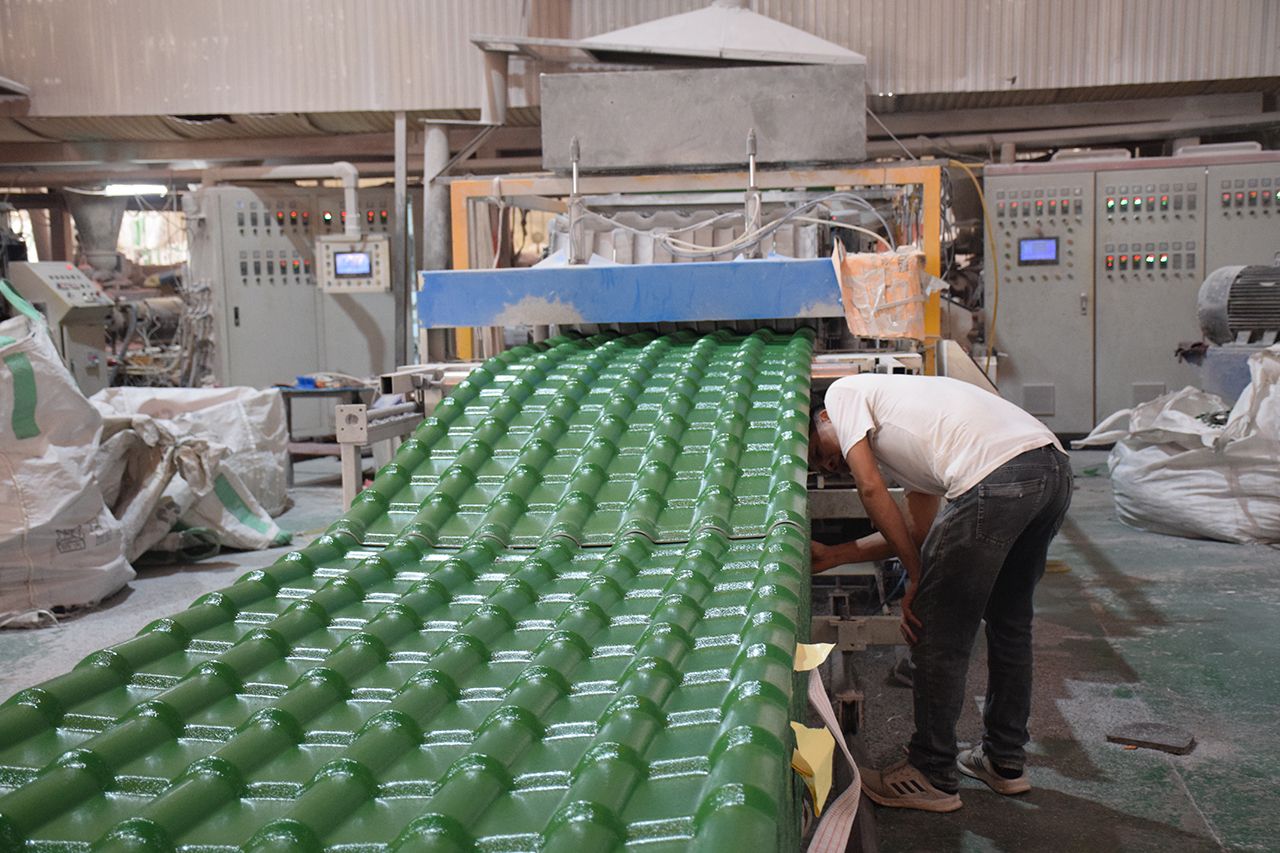
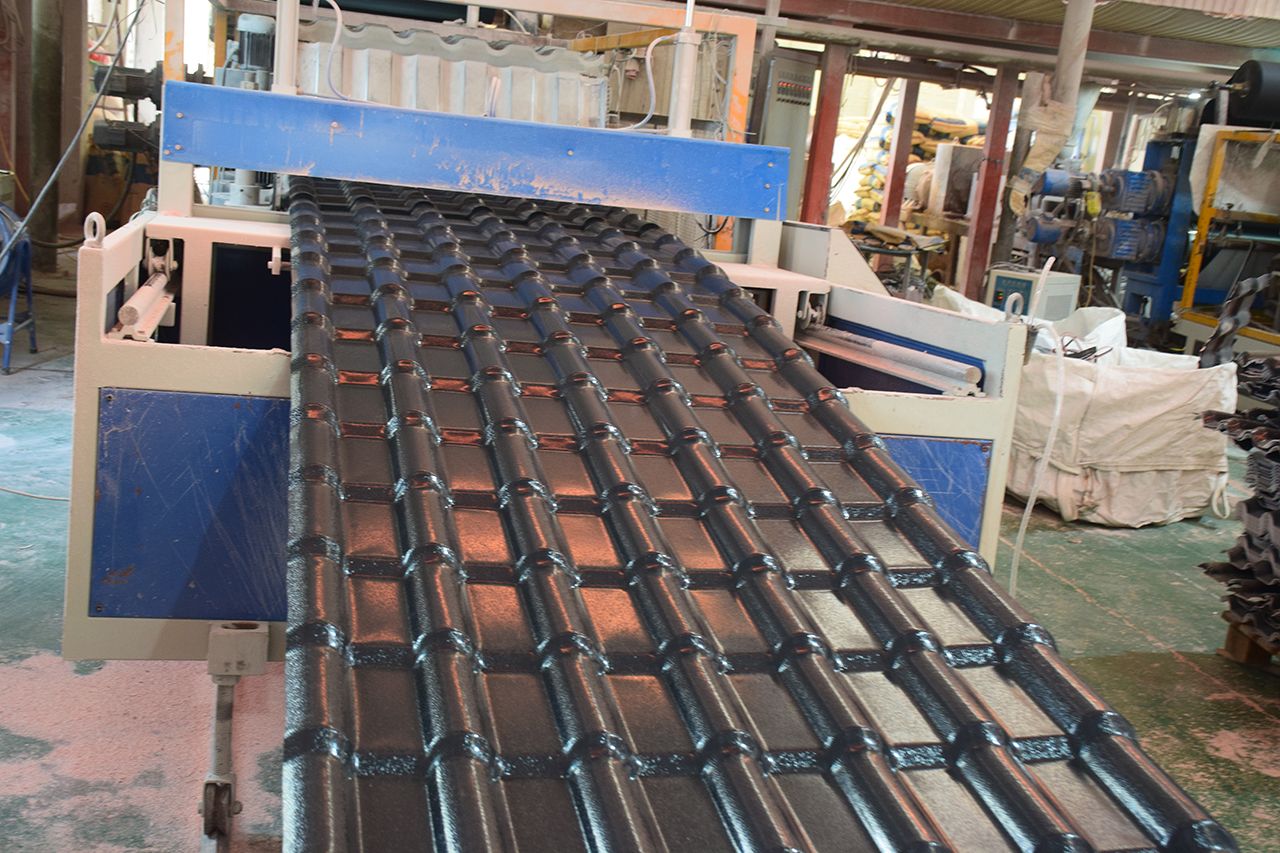
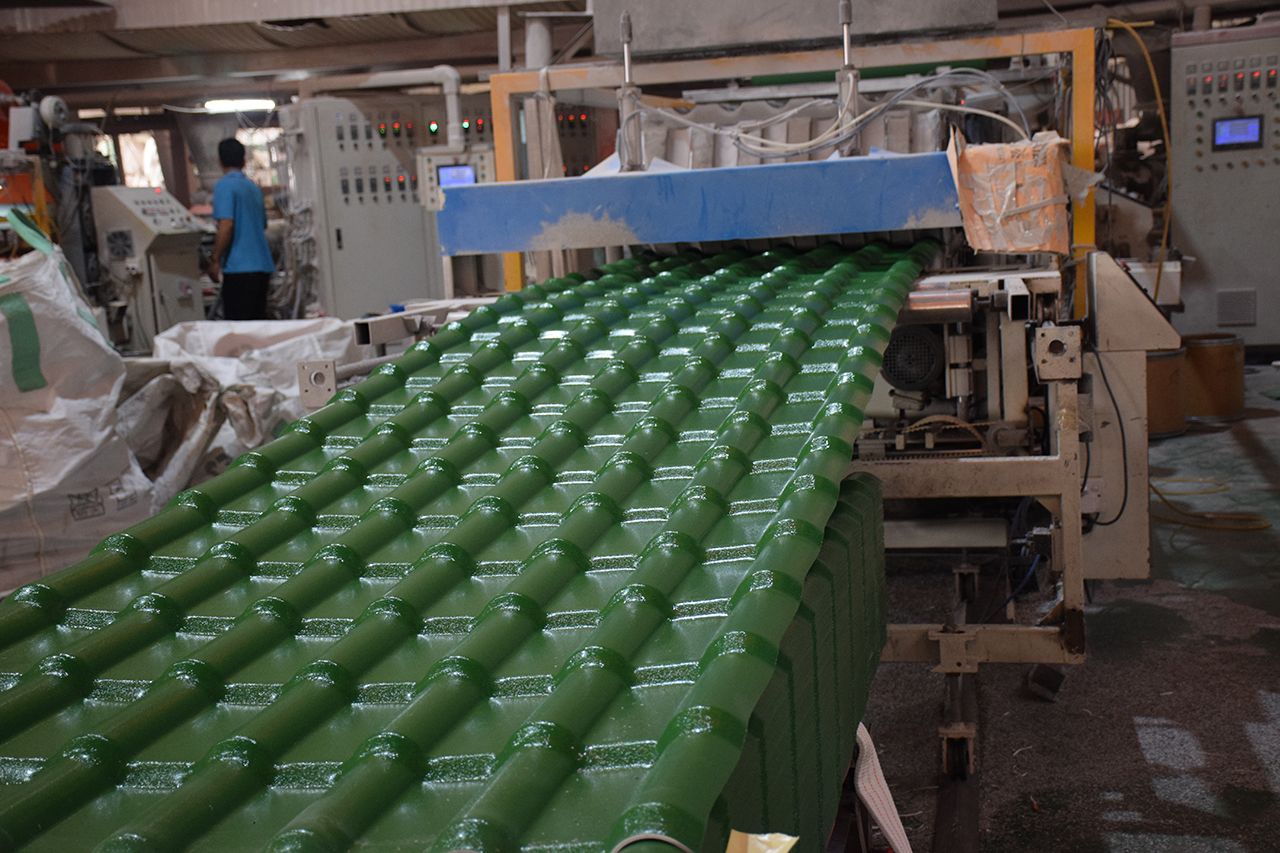
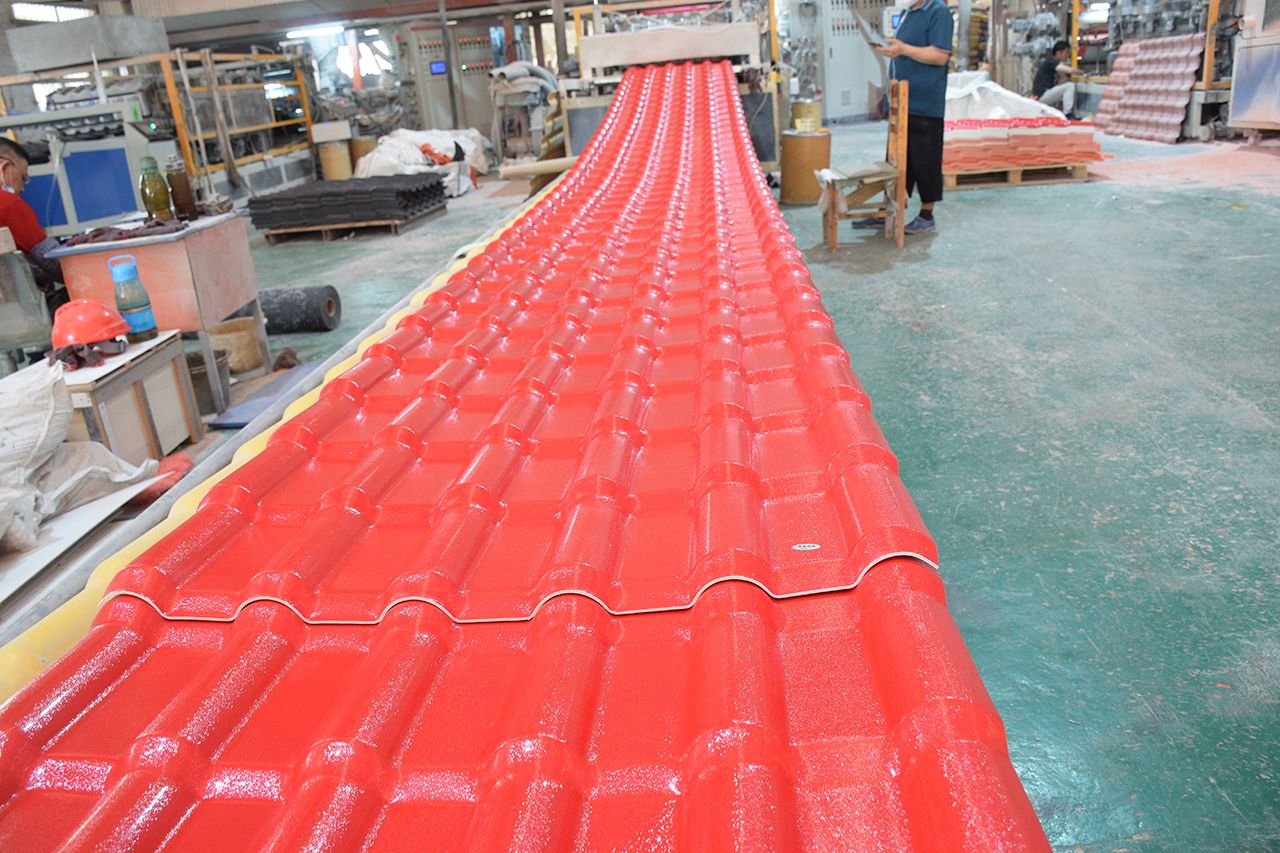
Check whether the manufacturer has a complete in-house production line or simply purchases pre-cut sheets from outside suppliers. Truly capable synthetic resin tile manufacturers complete the entire process—from mixing ingredients to calendering and molding—in-house. They can adjust their formulas, resulting in minimal variation between batches. For small workshops that simply purchase pre-cut sheets, quality control is largely a matter of luck. Even within a single batch, the thickness of individual tiles may vary.
Don't just take the salespeople at their word when they talk about a five-year warranty or a ten-year warranty. It's best to have them bring over a few samples, break them open, and take a close look at the cross-section.
In the case of standard ASA material, its surface layer appears relatively thick, the particles are evenly distributed across the cross-section, and the color is uniform.; If it’s a substandard product made with shoddy workmanship, the cross-section will be yellowish, with air pockets inside, and powder will fall off when you rub it gently with your fingers. Although this step takes no more than ten minutes or so, it can help you weed out more than half of the unreliable products.
What Accounts for the Price Differences in Resin Roof Tiles?
You’ll notice that, even when the width is the same—one meter—there are significant differences in market prices, ranging from as low as six yuan to as high as twelve yuan. The main difference lies inASA Surface Layer Thickness and PVC Resin GradeThese two aspects.
Those inexpensive panels are very likely to contain a significant amount of recycled material. As a result, after one or two years of use, the panels are prone to crumbling or fading, which means that the costs of future repairs and maintenance will actually be higher than expected.
Before making a purchase, take the sample home, leave it in direct sunlight for two or three days, and then carefully compare the degree of discoloration. This is much more intuitive and obvious than flipping through any brochure, and it also helps prevent any regrets after installation is complete.
When choosing a manufacturer of synthetic resin roofing tiles, the key is to examine two specific factors: first, whether the production line is complete and in good working order; and second, what exactly the raw materials are. Be sure to collect several samples for comparison and carefully examine their cross-sectional profiles. This approach is far more practical and effective than simply listening to ten sales pitches from a salesperson.
Keywords: Synthetic Resin Roof Tile Manufacturers