When it comes to the maintenance of synthetic resin roofing tiles, it’s actually not that complicated; the key points boil down to regular cleaning and timely inspections.
Many homeowners basically stop paying attention to their roofs once the installation is complete. It isn’t until several years later that they notice dirt buildup on the shingles and water seepage at the seams. This is entirely due to a lack of regular attention. If they were to spend just ten or so minutes each day checking on their roofs, the roof’s lifespan would be significantly extended.
How often should resin roof tiles be cleaned?
The surface of synthetic resin shingles is coated with a UV-resistant finish; if dust or bird droppings remain on the surface for a long time, it can accelerate the aging process. Generally, it is sufficient to rinse them once every quarter using a soft-bristled brush and clean water. Never use steel wool or strongly acidic cleaners, as these will directly damage the coating.
Around the time the rainy season begins, be sure to check the seams between the roof tiles and inside the gutters to see if they’re clogged with fallen leaves or twigs. Not only does this buildup of debris impair drainage, but the damp environment also makes it particularly prone to moss growth.
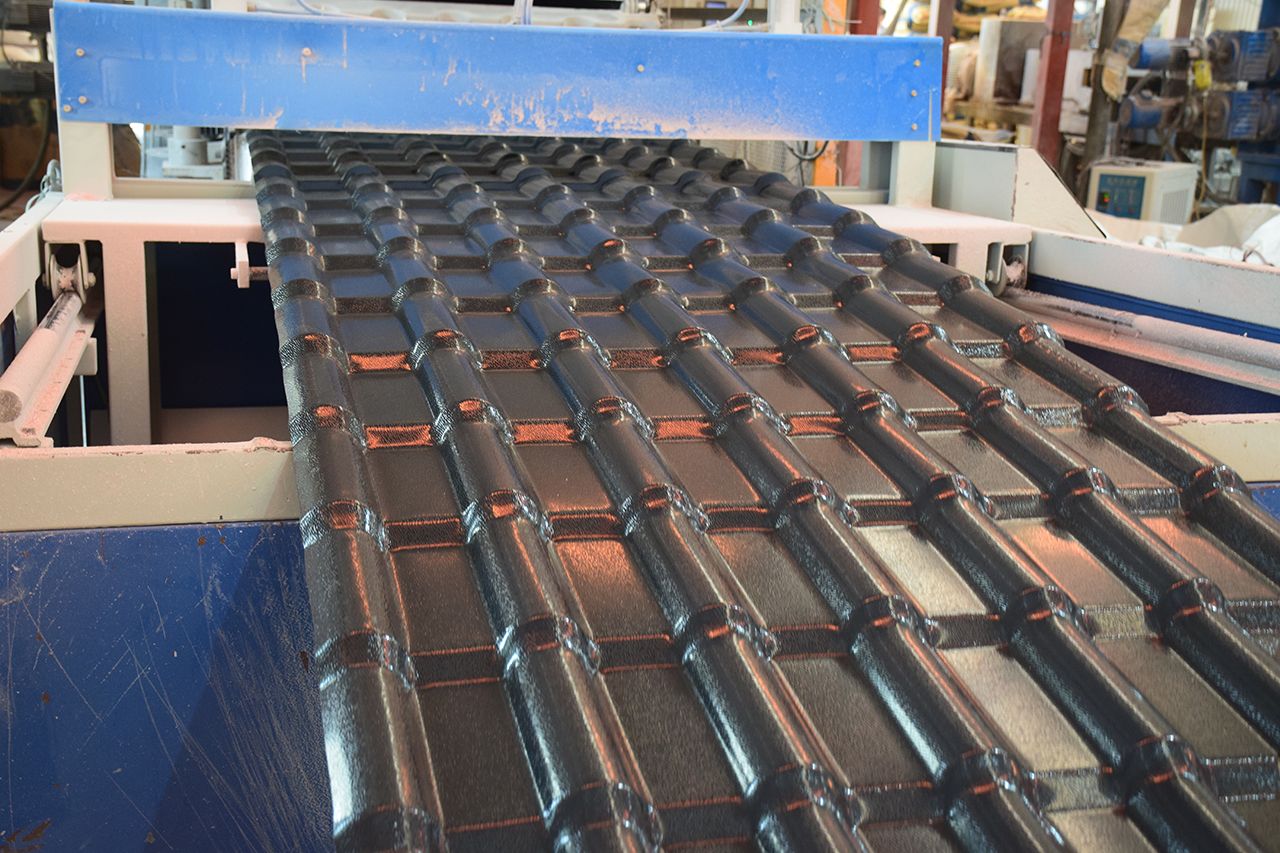
If you notice moss, simply wipe it away gently with a diluted moss remover. Never use a high-pressure water jet to blast it off, as the water pressure could be too strong and cause the joints between the tiles to bulge and shift out of place.
What Should I Do If My Roof Tiles Are Damaged?
Resin roof tiles aren’t as prone to shattering as clay tiles, but after prolonged exposure to sunlight and freeze-thaw cycles, fine cracks may still develop. so it is essential to thoroughly inspect the roof every year before winter sets in. If you discover any large cracks longer than two centimeters or notice that tiles are lifting, replace them immediately with tiles of the same model, Never let small cracks develop into widespread water seepage problems.。
When replacing the material, make sure the overlap length remains the same as in the original design, and treat the bottom with a special sealant. Otherwise, when it rains, rainwater will gradually seep through the seams into the substrate, making repairs much more difficult.
If you take good care of your synthetic resin roof tiles, your roof will remain very stable, and you’ll have no problems at all for over a decade. The most important thing is not to wait until there’s a leak before checking them; you need to set aside a little time for regular inspections. Doing so will definitely save you more time and effort than having to carry out major repairs later on.