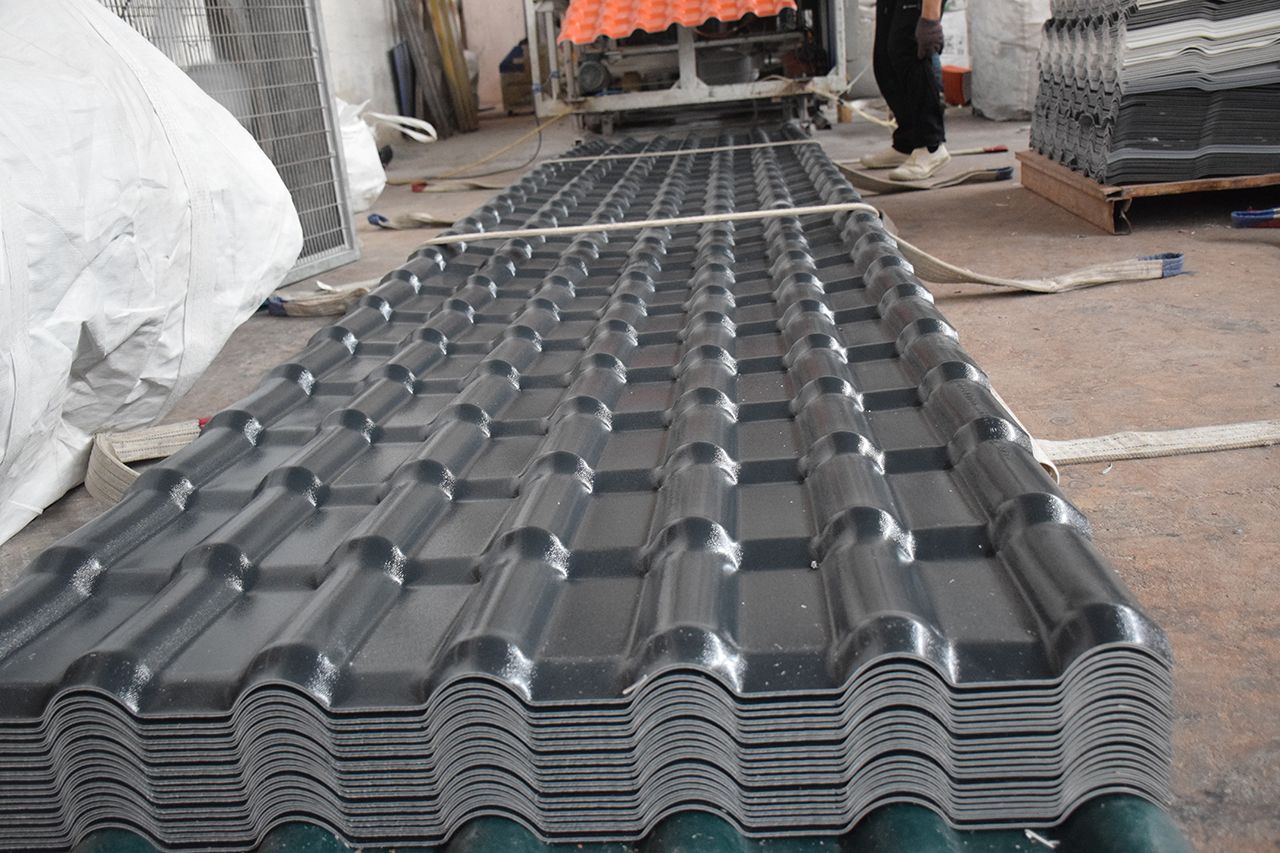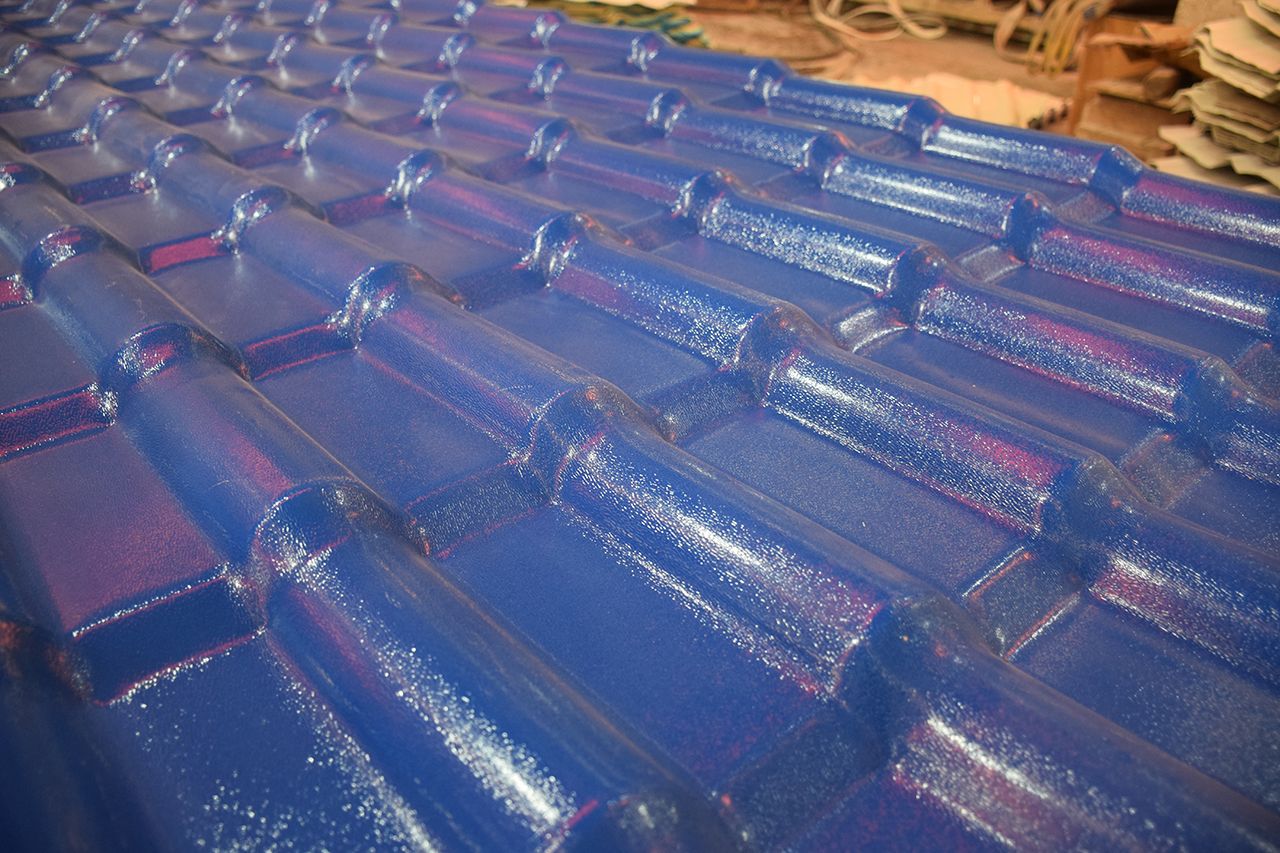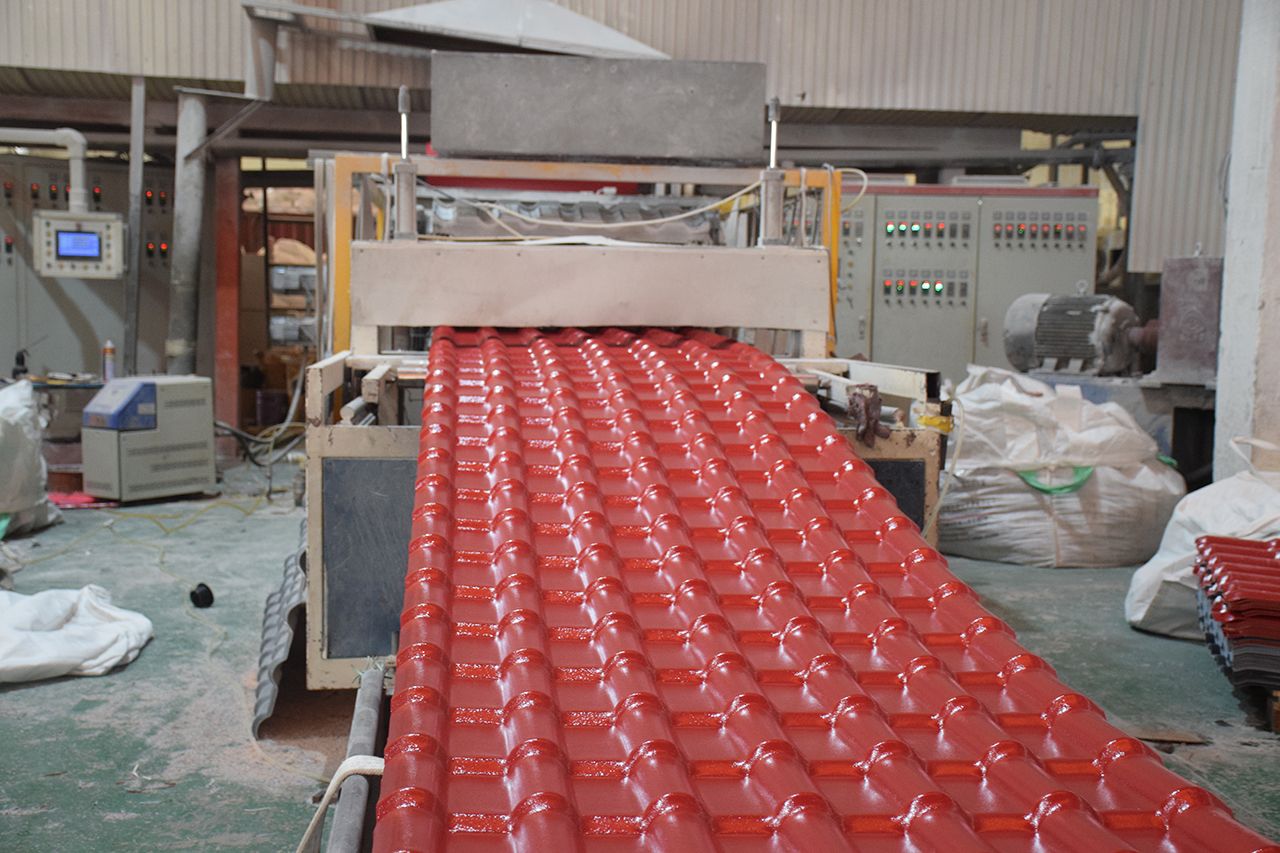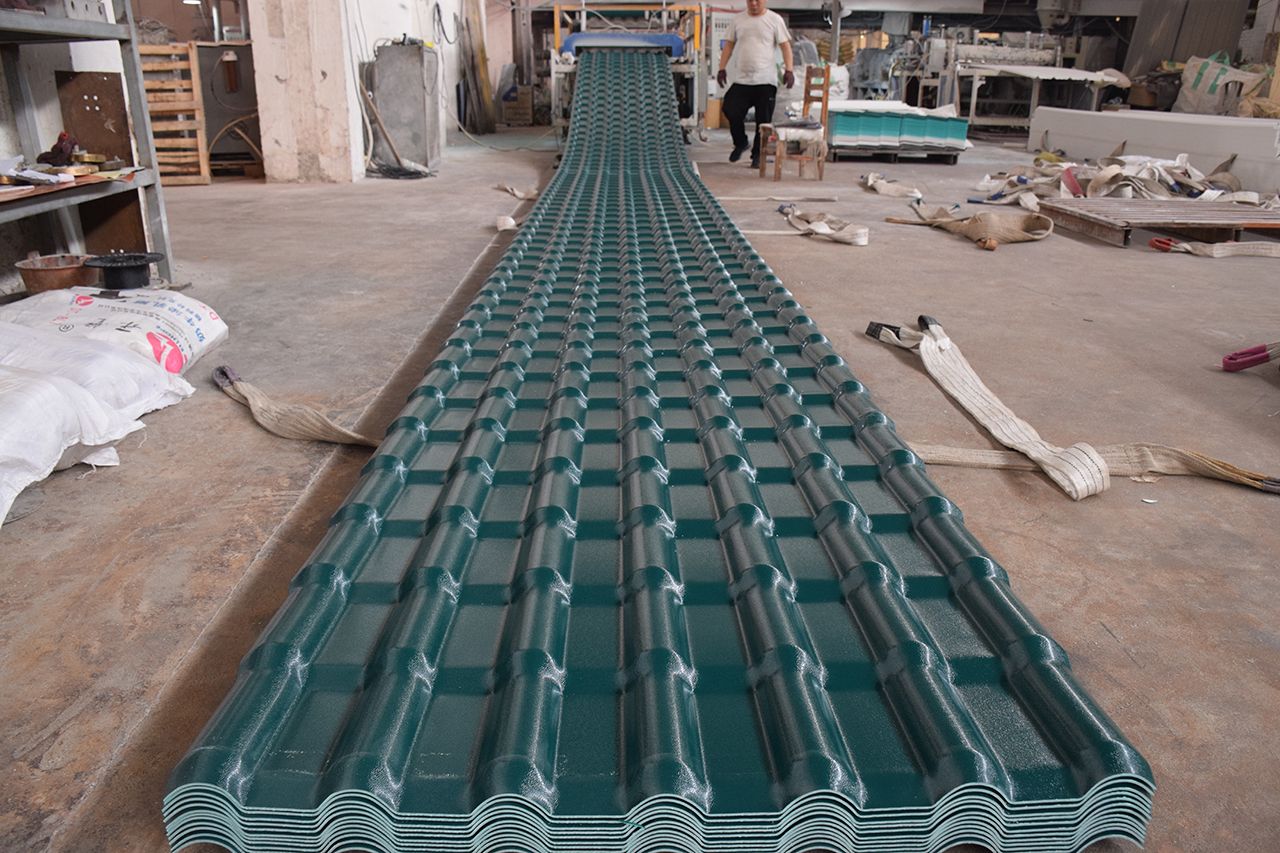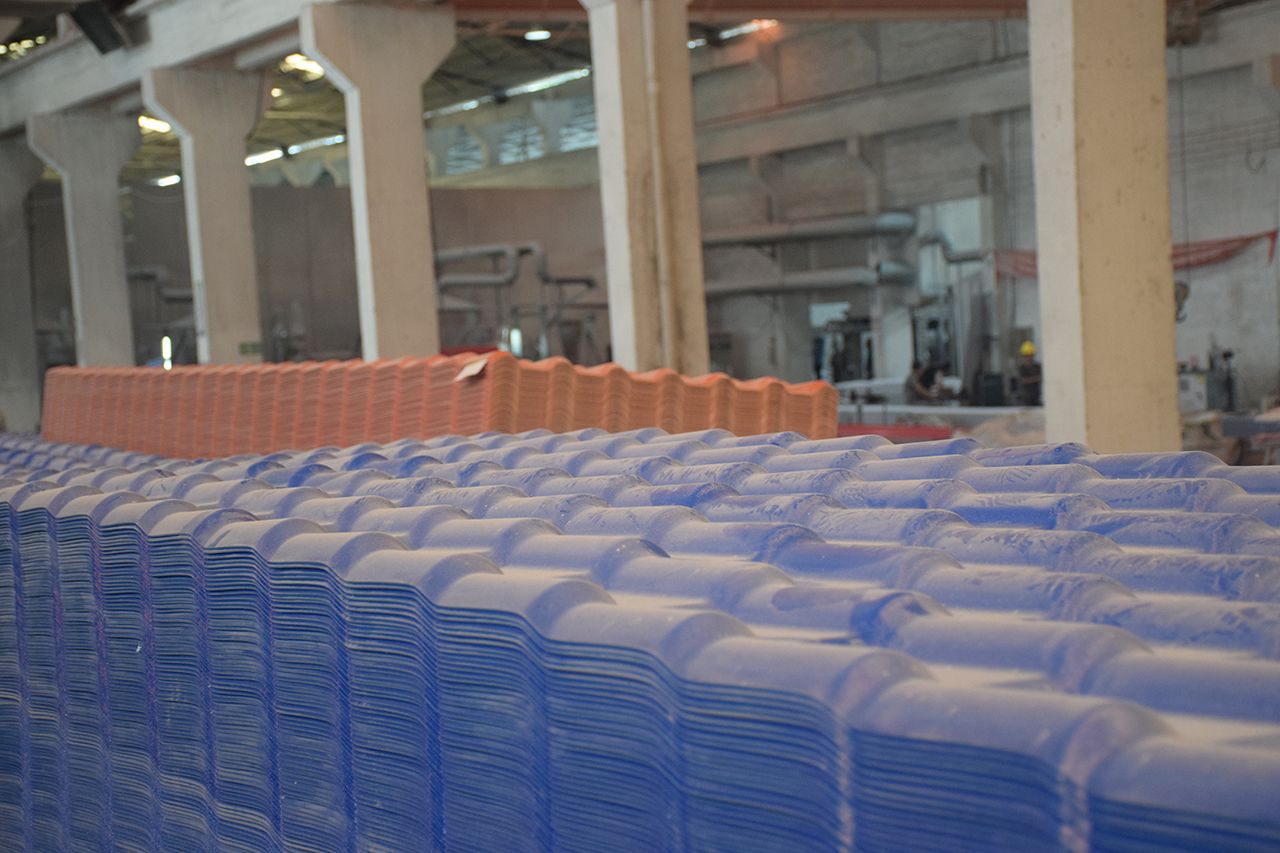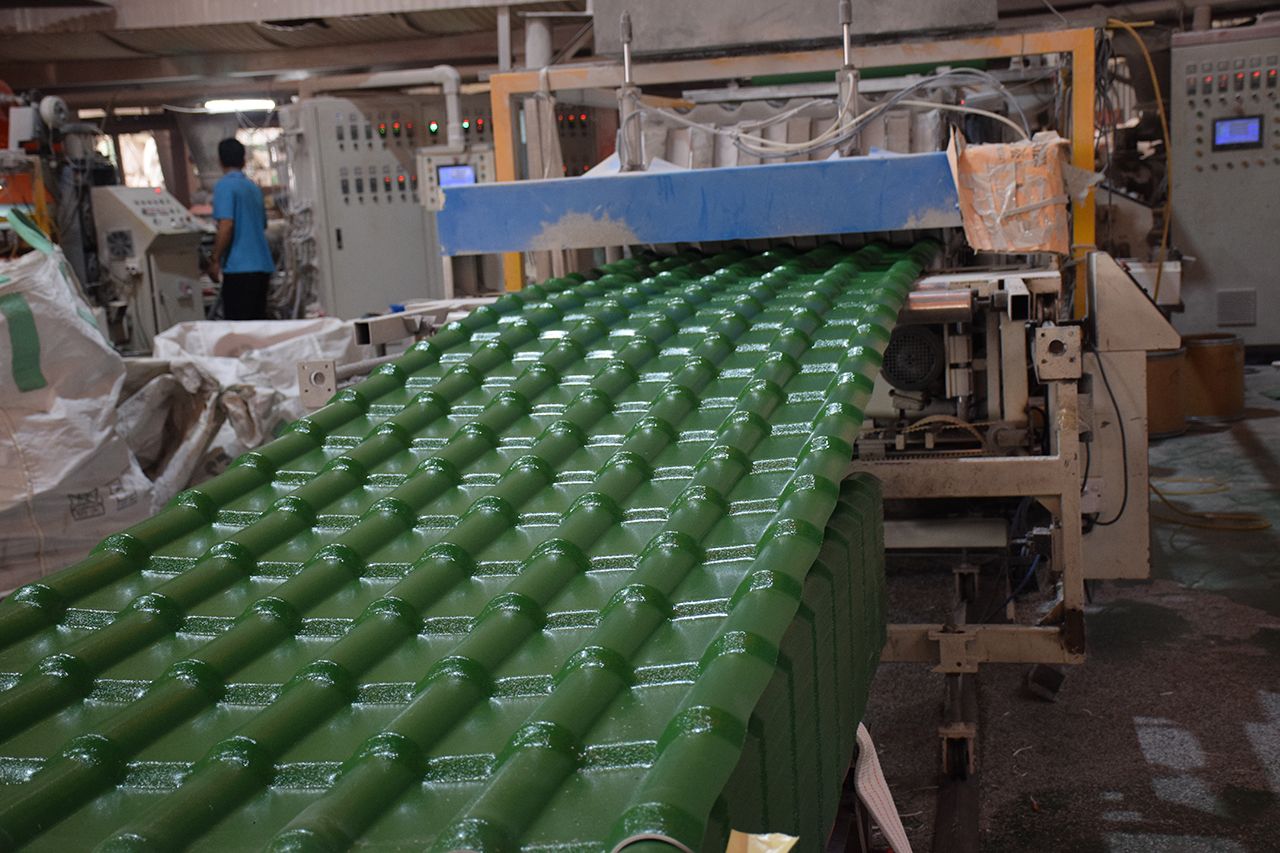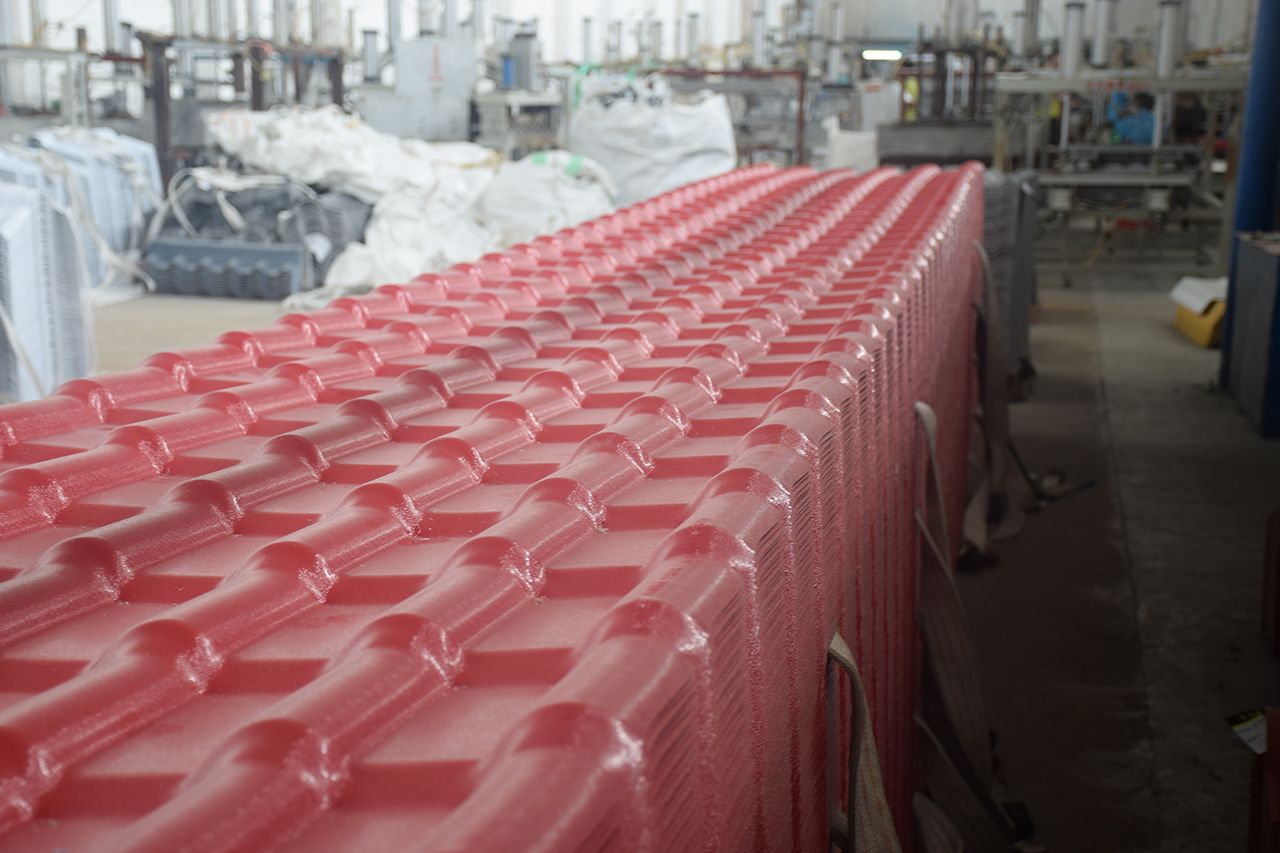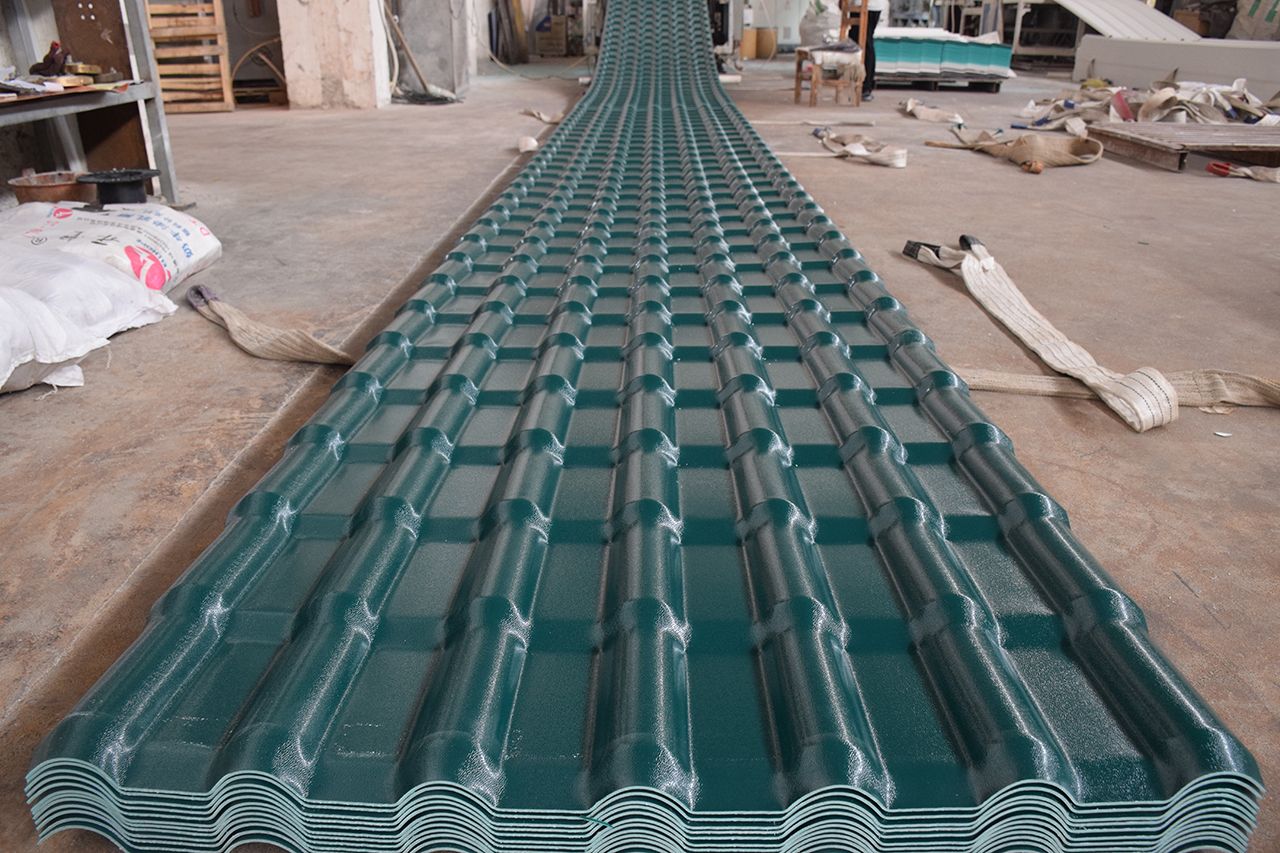
This is currently a hot area in building materials production. The core process in PVC roofing tile manufacturing involves transforming plastic pellets through processes such as calendering and extrusion, ultimately forming them intoLightweight Roof Tiles. On actual production lines, equipment configuration and process control are two key topics that simply cannot be overlooked. Below, let’s explore these topics together based on our practical experience in the field.
What is the best equipment for processing PVC roofing tiles?
Currently, mainstream production lines primarily use a combination of calendering and extrusion technologies, supplemented by cutting devices and fixed-length cutting equipment. When selecting equipment, it is crucial not to base your decision solely on price.
Die Gap AccuracyAs well as the temperature uniformity in the heating section—these two factors directly determine whether the tile thickness can be maintained consistently. Therefore, we recommend that users ask the manufacturer to conduct on-site trial production using their own formula; only after at least three sample tiles have been produced should they discuss placing an order.
For small factories with a daily output of two to three metric tons, a single-screw production line is sufficient to meet current demand. Once production capacity is increased in the future, it will be entirely feasible to add multiple units and operate them in parallel.
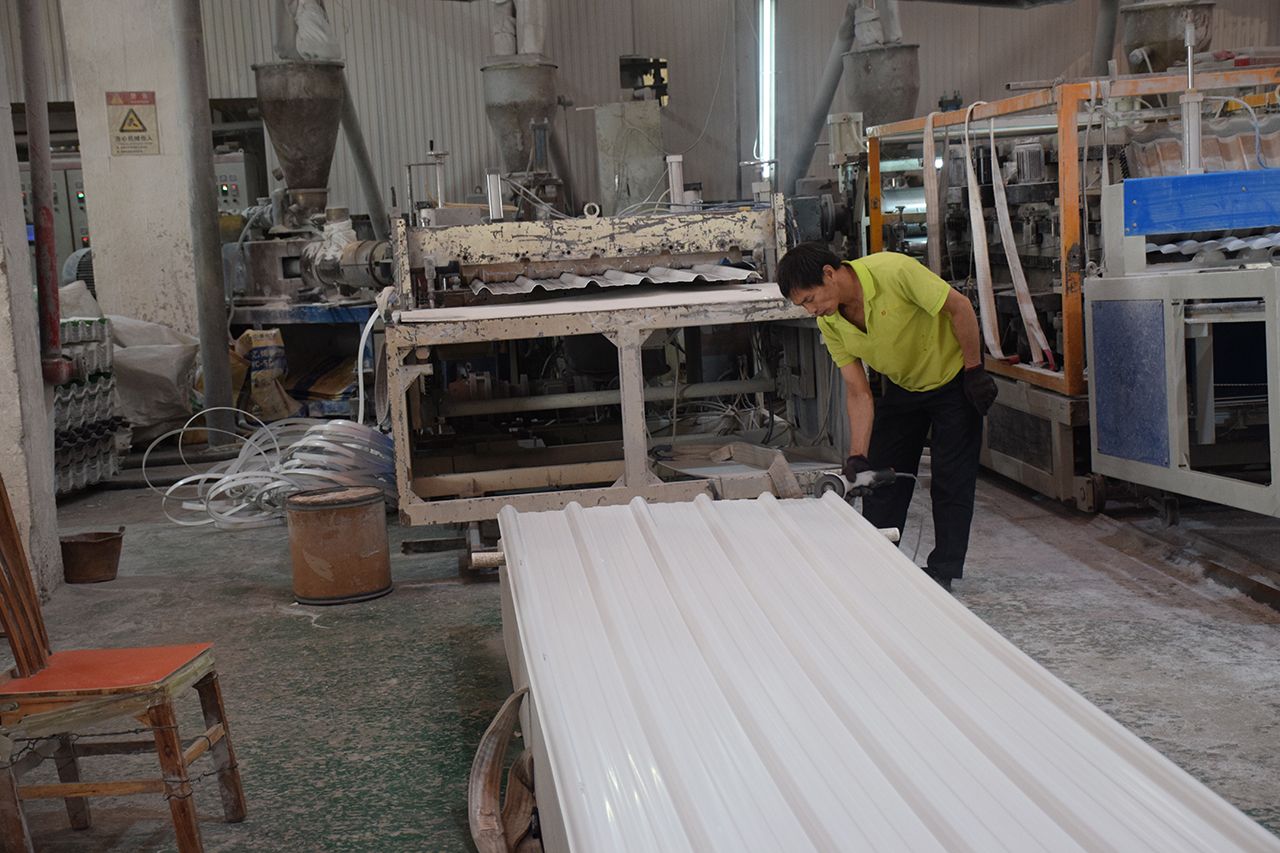
Rather than purchasing large-scale equipment all at once, it is a more prudent approach to leave room for future expansion. The funds saved in this way will be more than enough to support the company’s efforts in formula research, development, and refinement for several years.
What are the most common problems that can occur during production?
Surface wrinkles and curled edges are the two most common issues reported by users. In most cases, wrinkles are caused by an insufficiently uniform temperature gradient in the mold head area.
The problem of warping at the edges is usually related to an uneven air pressure distribution during the cooling and setting stage, or to an excessively high proportion of calcium powder in the formulation. When troubleshooting these issues, it is necessary to examine each cause separately; under no circumstances should you combine them and attempt to troubleshoot them simultaneously.
Color variations between batches are also impossible to completely avoid; even slight fluctuations in the proportion of recycled material mixed in can cause problems. Before each batch is processed, a small sample must be set aside for color testing. Although this may seem like a tedious and troublesome process, it is far better than having customers return products after shipment due to quality issues.
Ultimately, it all comes down to two key points: First, equipment selection must align with actual production capacity requirements; second, process parameters must be calibrated item by item according to the formula. As long as these two steps are carried out thoroughly, product consistency will essentially be reliably maintained.
Keywords: PVC roofing tile processing