What are the main pieces of equipment in a resin roofing tile production line?
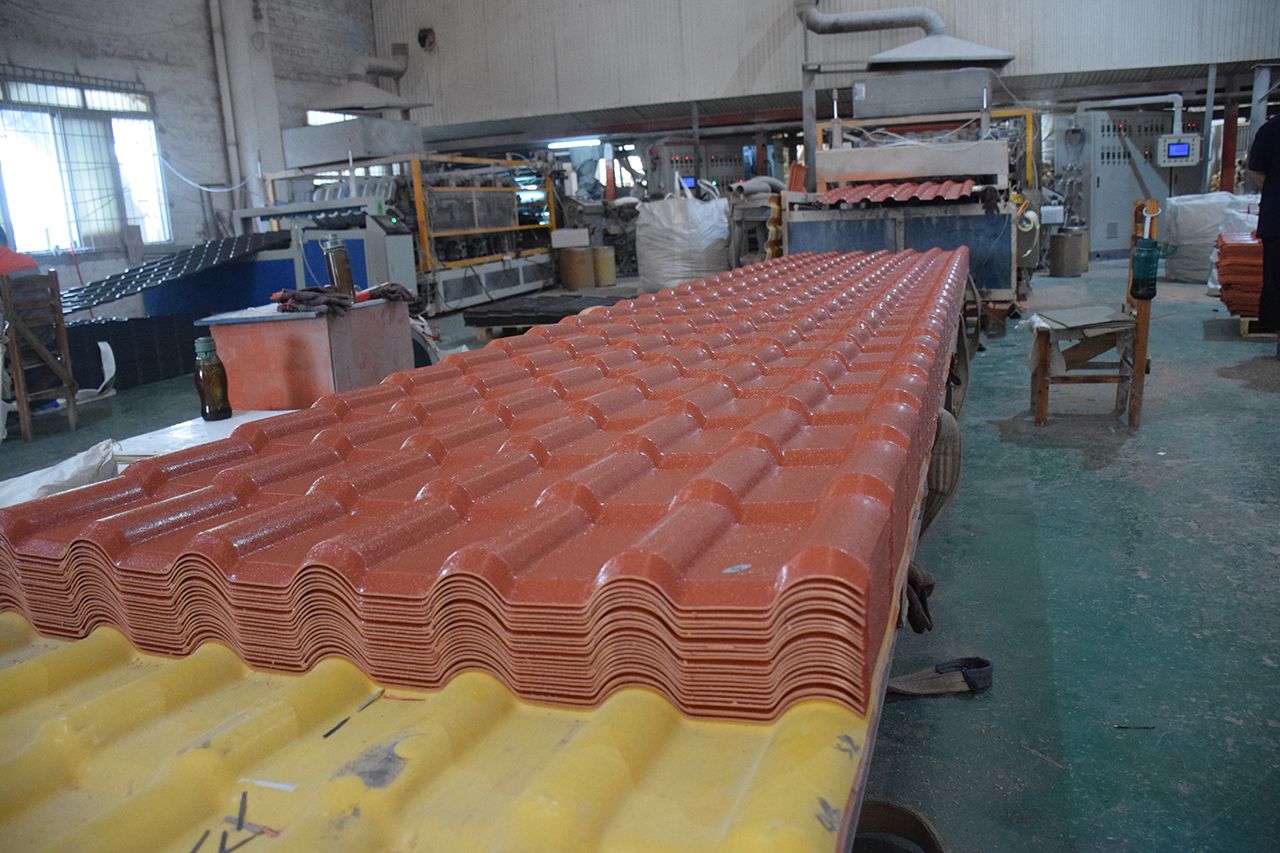
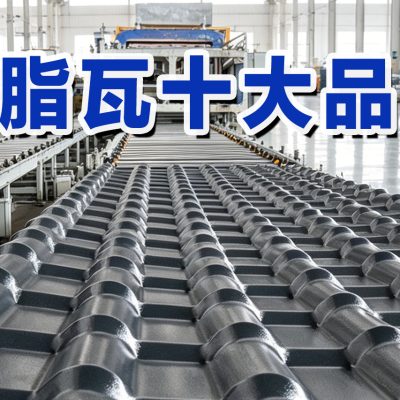
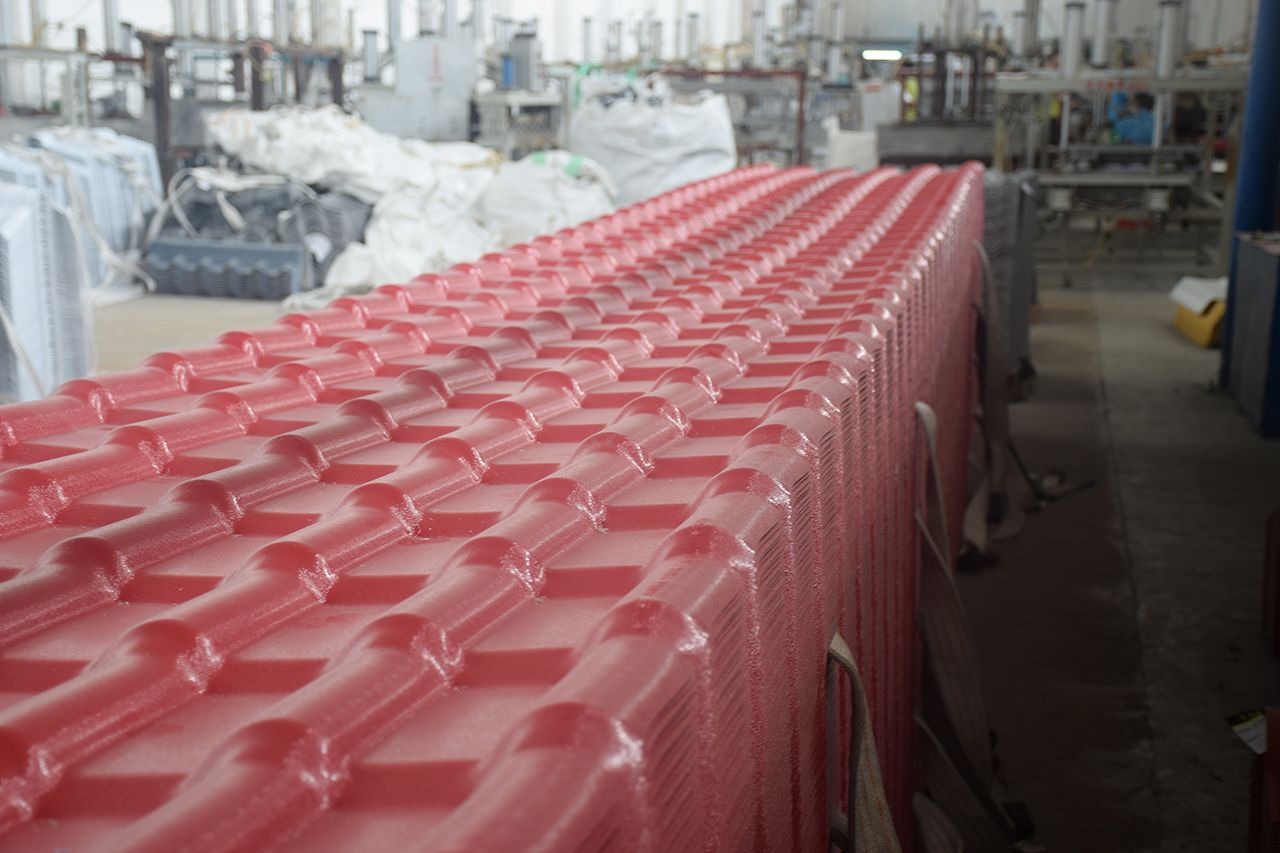
Manufacturing resin roofing tiles is not a complicated process; however, it requires multiple pieces of equipment to work together as a unified system in order for a complete production line to operate smoothly. For many business owners new to this industry, the equipment list is their top concern. In reality, there are only a few core pieces of equipment; gaining a thorough understanding of them is extremely helpful when selecting the right models.
The extruder is the core component of the entire production line; its function is to melt the resin raw material at high temperatures and then extrude it into specific shapes. Currently, the mainstream model used in China is the conical twin-screw extruder, which offers relatively stable output and relatively low energy consumption. There are significant differences in pricing among different manufacturers, and used equipment can also be put into service, though this requires an assessment of its specific condition.
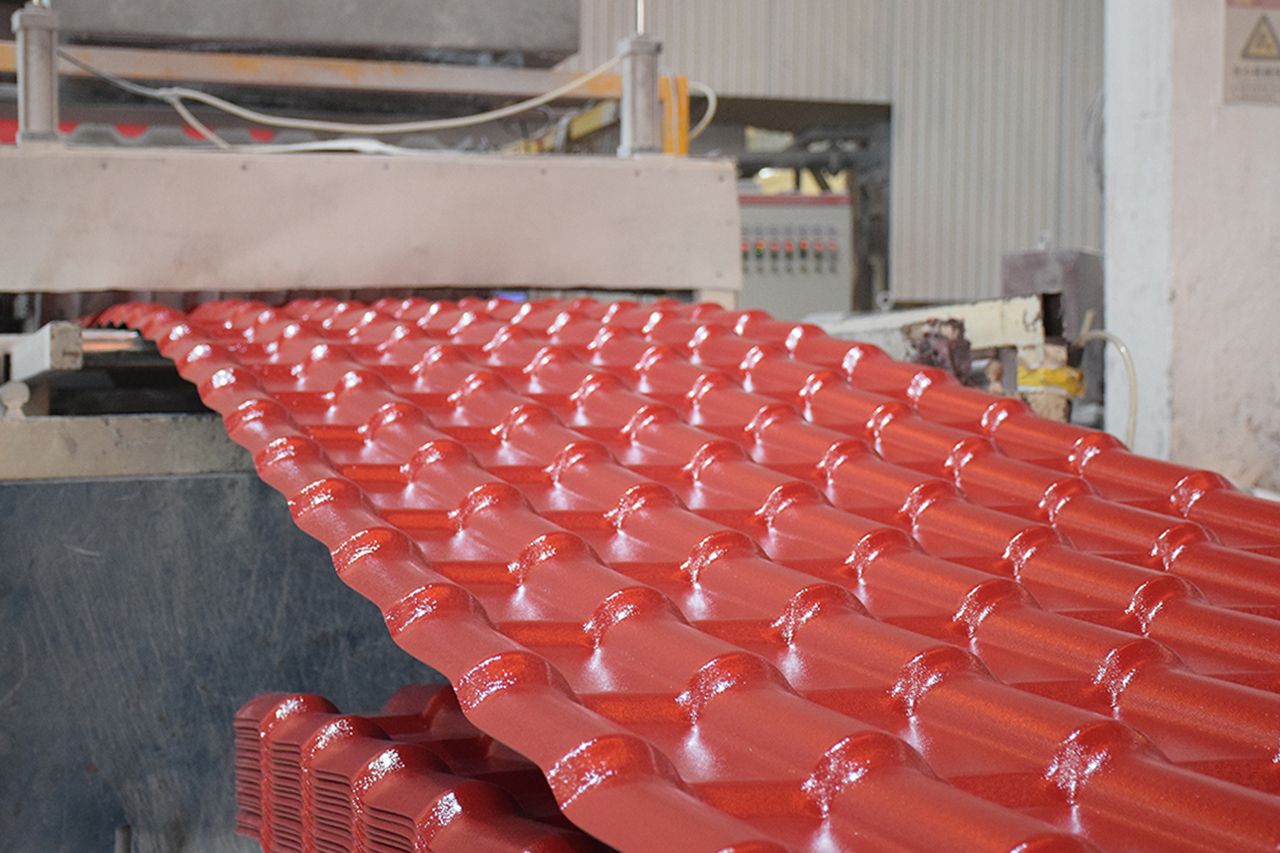
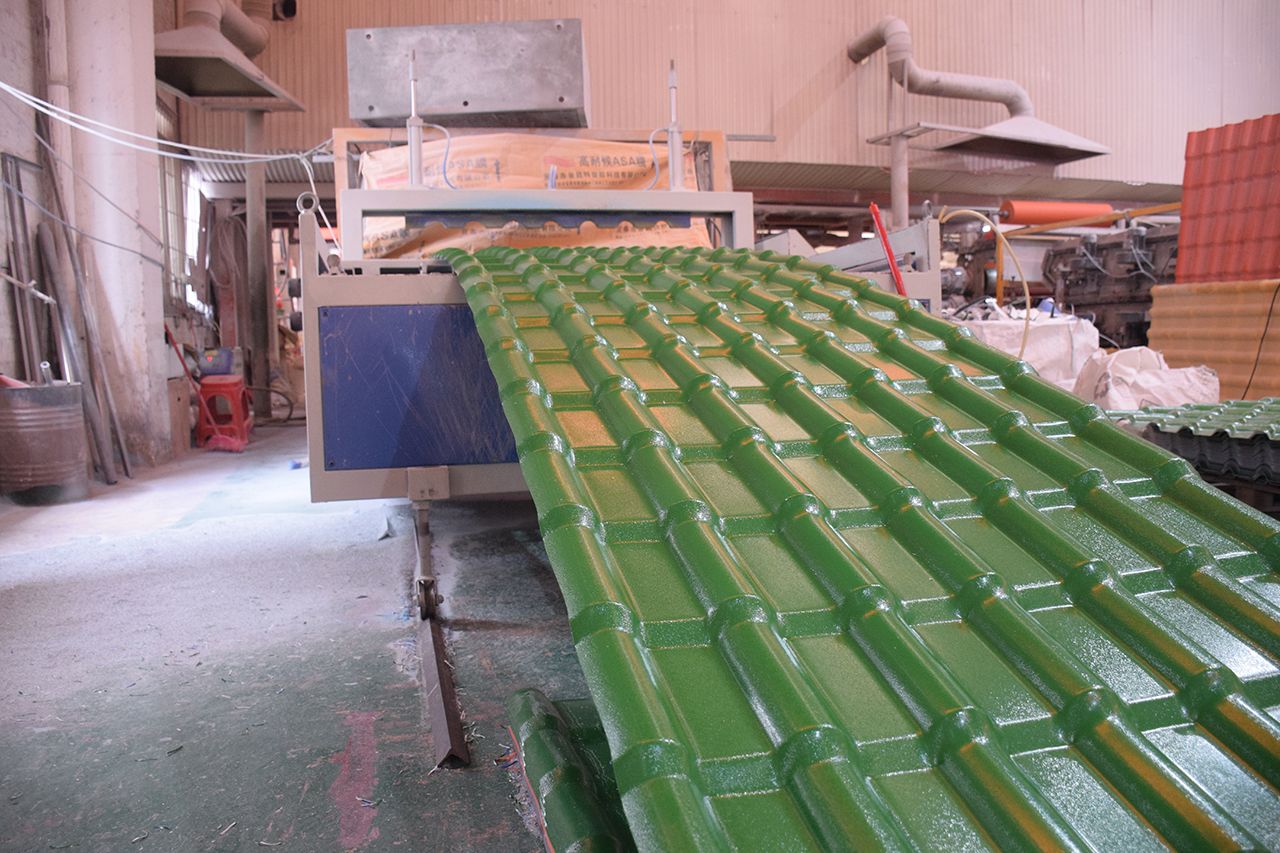
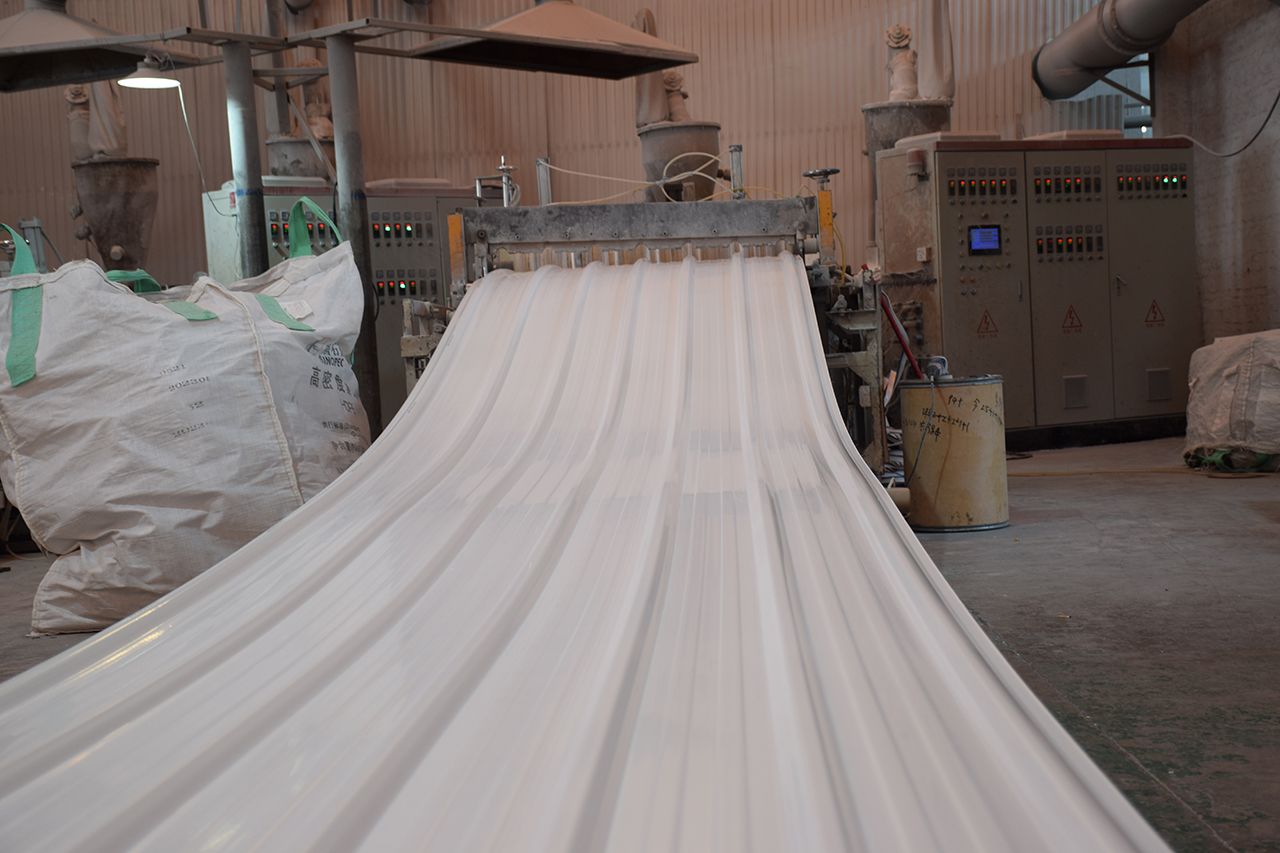
The co-extrusion machine responsible for applying the surface coating to the roof tiles directly affects the tiles’ color fastness. The cooling and shaping section cannot be omitted; only with proper water temperature control can the dimensions of the roof tiles remain stable. The haul-off unit works in conjunction with the cutting machine, allowing the cutting length to be flexibly adjusted according to orders.
In addition, there are auxiliary facilities such as crushers, mixers, and vacuum conveying systems. While these pieces of equipment may seem unremarkable, they have a significant impact on production efficiency and product quality. Once the complete set of equipment for a resin roof tile factory is installed, the gap between small and medium-sized plants is indeed quite substantial.
How much does it cost to start a resin roofing tile factory?
For many people looking to enter this industry, the biggest headache is the budget. Equipment prices fluctuate widely, ranging from several hundred thousand to over a million, and the key factor is exactly what level of quality you’re aiming for.
For small-scale production lines, annual output typically ranges from 500,000 to 1,000,000 square meters, and equipment investment generally falls between 500,000 and 800,000. Rent for factory buildings and land is calculated separately, and there are significant regional variations in prices. If the leased location is in a more remote area, costs can be significantly reduced, but logistics expenses will increase accordingly.
The range of 1.2 million to 2 million is typically the investment range for medium-sized factories. As production doubles, labor and management costs will also increase. We recommend that beginners start with a small-scale trial and consider expanding production capacity only after the project has stabilized.
In terms of raw materials, resins and additives account for the majority of costs. The domestic supply chain is relatively well-established, with numerous procurement channels available, allowing you to compare multiple suppliers when selecting equipment. Focus on whether after-sales technical support and spare parts supply are comprehensive. Manufacturers whose equipment can operate stably for more than three years are generally more reliable; do not place an order simply because the price is low.
In recent years, demand for resin roofing tiles has continued to grow, yet competition has become increasingly fierce. While establishing a strong market position is crucial, selecting the right equipment is equally important; expanding blindly can easily lead to problems.
Keywords: Resin Roof Tile Factory Equipment