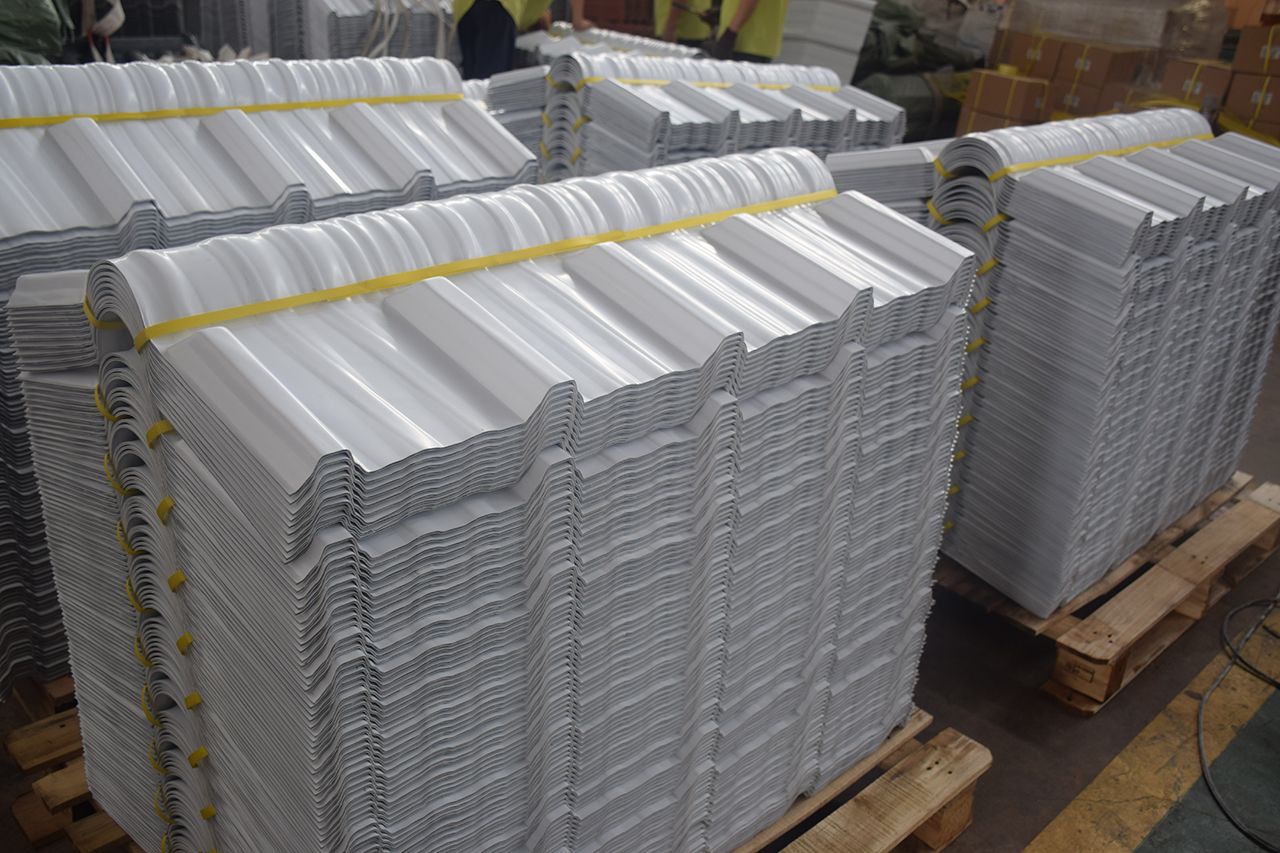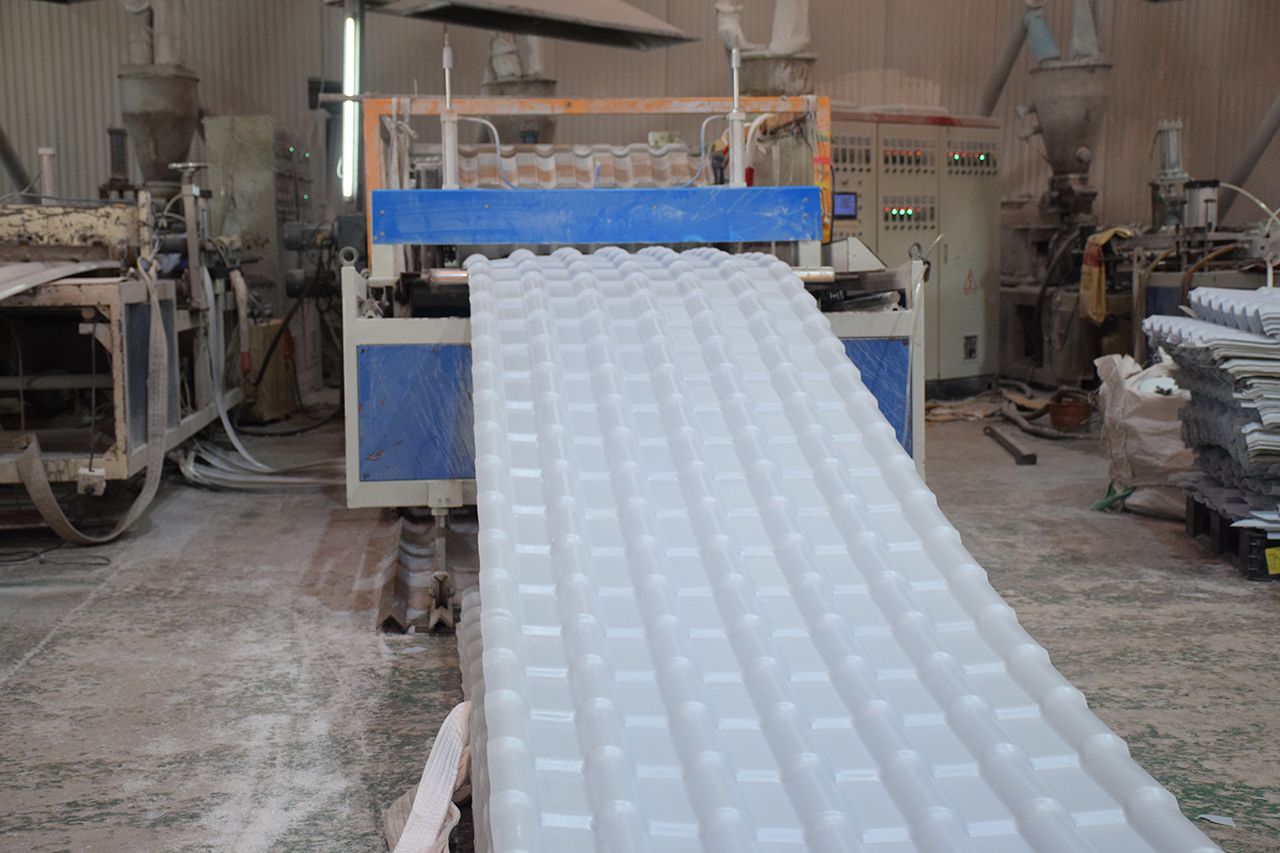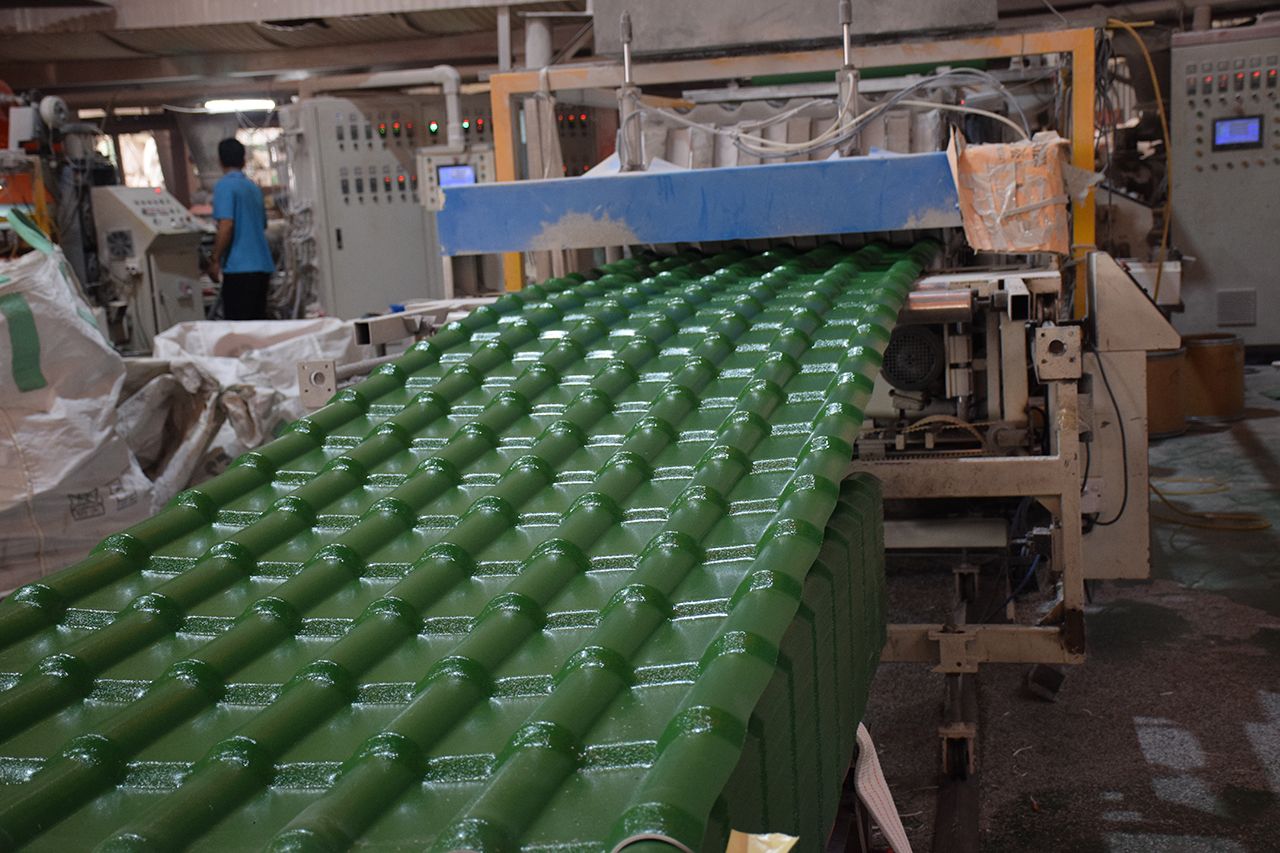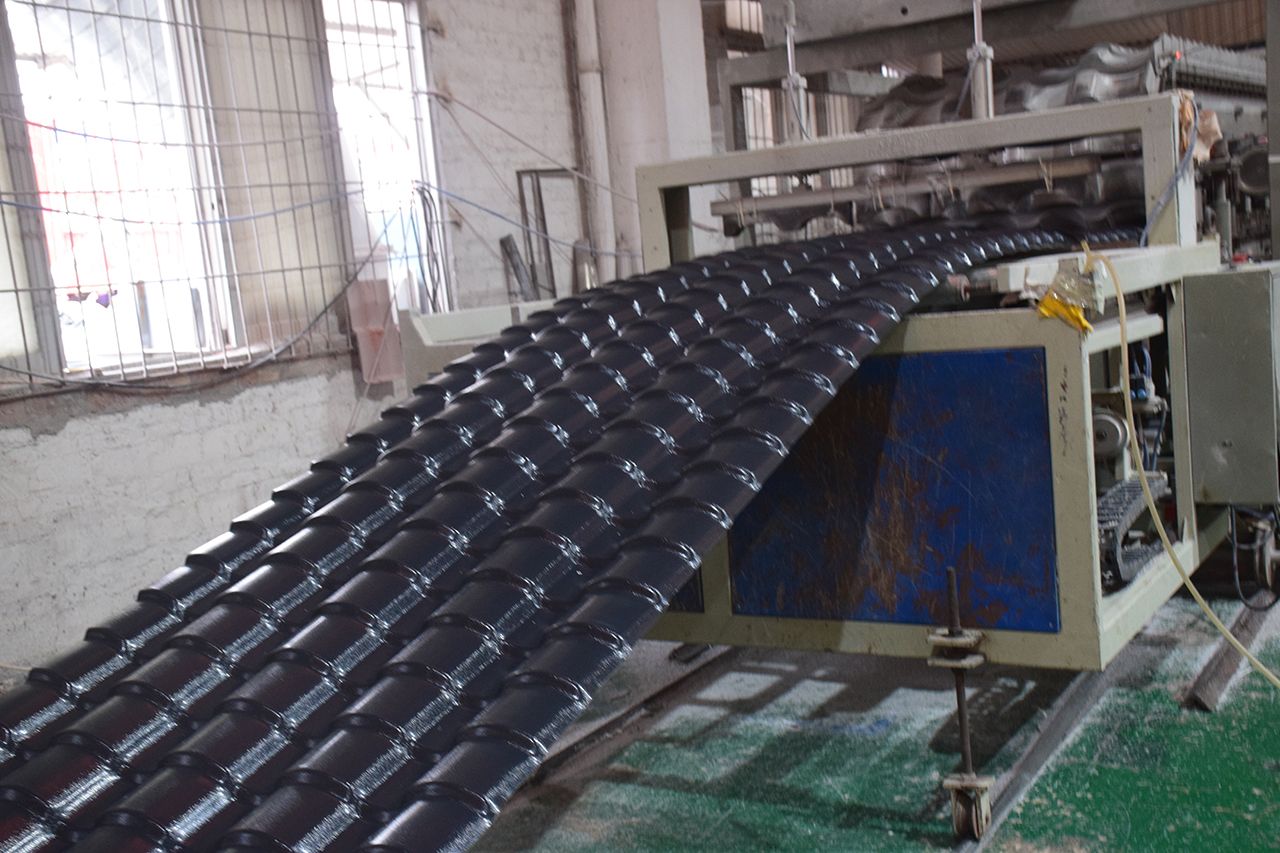
I’ve been working in the roofing industry for many years and have had experience with all kinds of roofing materials. In recent years, as people in rural areas have been building their own homes and renovating factory buildings, the use of resin roof tiles has become increasingly common. The question clients ask most frequently is whether this material is truly reliable. In fact, eco-friendly resin roofing tiles have seen rapid growth in recent years, with numerous application examples emerging in both southern and northern regions. I’d like to share my practical insights from a construction perspective.
Are resin roof tiles suitable for self-built homes in rural areas?
When building a house in the countryside, many people hesitate when it comes to choosing roofing materials. Compared to traditional red tiles, resin tiles are much lighter, making them easier to transport and install, which helps reduce labor costs. When renovating an older home where elderly family members live, choosing resin tiles requires no major structural changes and has a short construction timeline—the work can be completed in just two or three days.
Resin roofing tiles are corrosion-resistant. In southern regions, where rainfall is abundant, there is no need to worry about rust or rot; in northern regions, they won’t become brittle even when covered by ice and snow in winter. Resin roofing tiles come in a wide variety of colors on the market—including gray, red, blue, and more—allowing you to choose a color that complements your home’s exterior. Resin roofing tiles manufactured by brands such as Gaoyi, Hongbo, and Gongli have a fairly good reputation in the local market; when purchasing, be sure to compare their thicknesses carefully.
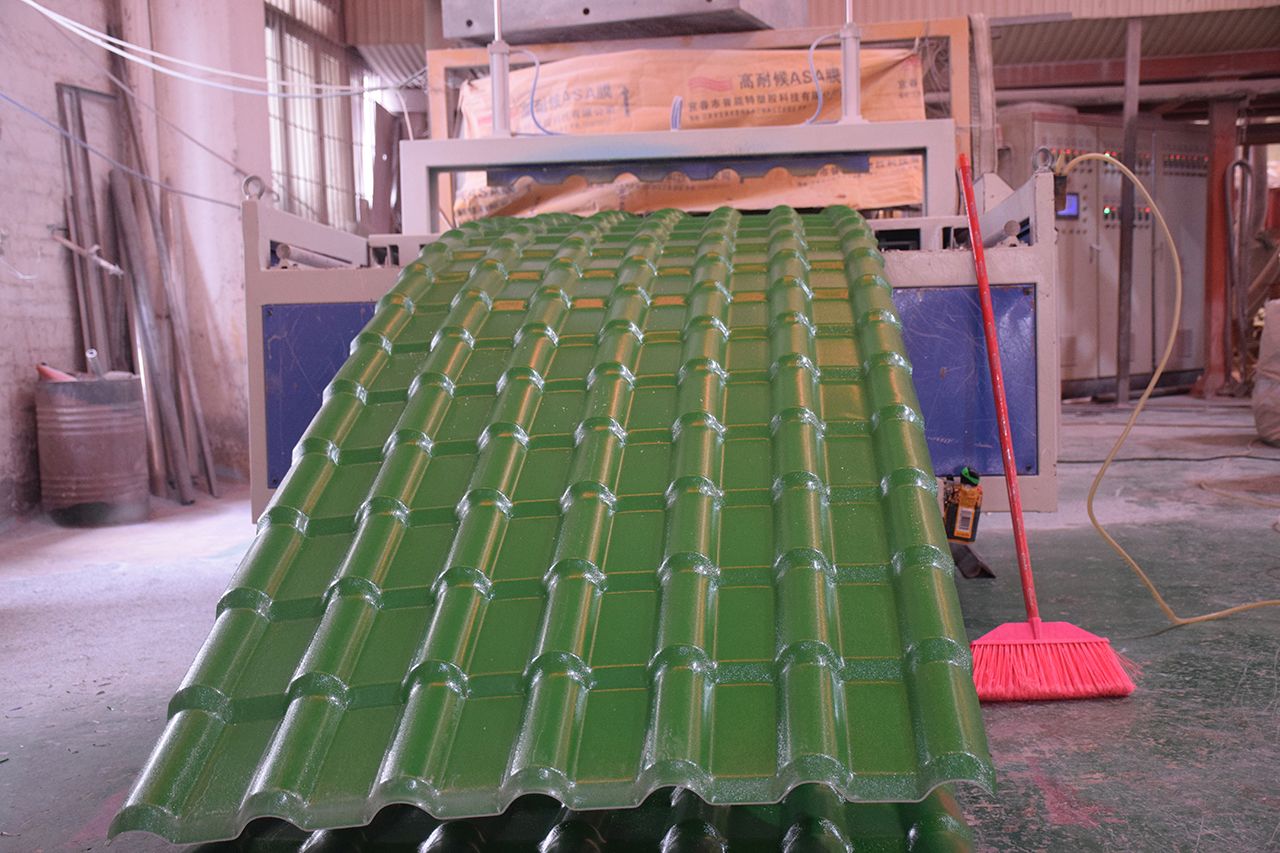
Many people worry whether resin roofing tiles are sturdy enough, but in fact, they are perfectly suitable for everyday residential use. In areas with heavy snow loads, simply choose a slightly thicker option; tiles ranging from 3 to 4 millimeters in thickness can generally withstand typical wind and snow conditions. Compared to glazed tiles and traditional small blue-gray tiles, resin tiles are much more affordable, and overall, they offer excellent value for the price.
What Are the Advantages of Installing Resin Roof Tiles in Factory Buildings and Warehouses?
Resin roof tiles are commonly used in factories and warehouses, primarily because they allow for rapid installation and help reduce costs. For large-scale roof installations, efficiency is a critical consideration. Resin roofing tiles cover a large area individually, and their overlapping installation is straightforward, which allows workers to install them more quickly. A shorter construction period means the facility can begin operations sooner. This is of significant importance to those engaged in commercial activities.
When it comes to waterproofing, resin roofing tiles feature an interlocking joint design, which makes it difficult for rainwater to seep through. With traditional metal roofing, leaks often occur around screw holes after prolonged use; however, switching to resin tiles essentially resolves this problem. If there is precision equipment inside the factory, the roof will not leak, which can save a great deal of trouble.
Brands commonly used in the engineering field include Xingfa, Zhongxingsheng, Bashu Liangjiang, Sumei, and Jieli, among others; their quality is relatively consistent. Resin roofing tiles differ from metal roofing tiles: while metal tiles produce significant noise in the summer, resin tiles do not. On rainy days, interiors with resin roofing tiles remain much quieter—a detail that positively impacts the working environment in workshops. Overall, resin roofing tiles are a practical choice for industrial buildings.
Keywords: Eco-friendly resin roofing tiles