What is the principle behind the thermal insulation of resin roofing tiles?
On a summer day, after being exposed to the blazing sun, the surface temperature of those old-fashioned roof tiles can soar to the 70s. The heat gradually transfers inward, making the inside of the house unbearably stuffy. Traditional clay and cement tiles have relatively high thermal conductivity; after prolonged exposure to the sun, the entire roof becomes scorching hot, and even with the air conditioner running, it’s impossible to lower the temperature inside.
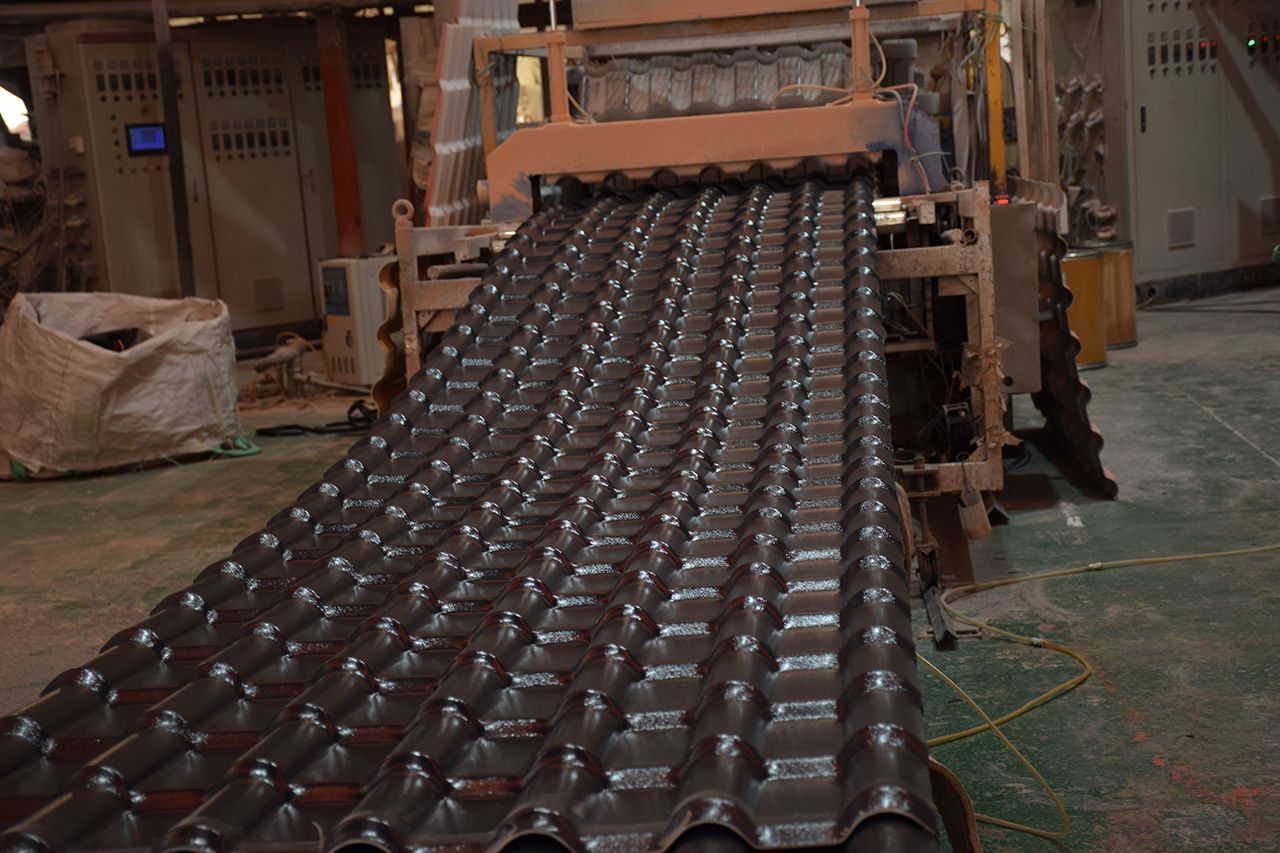
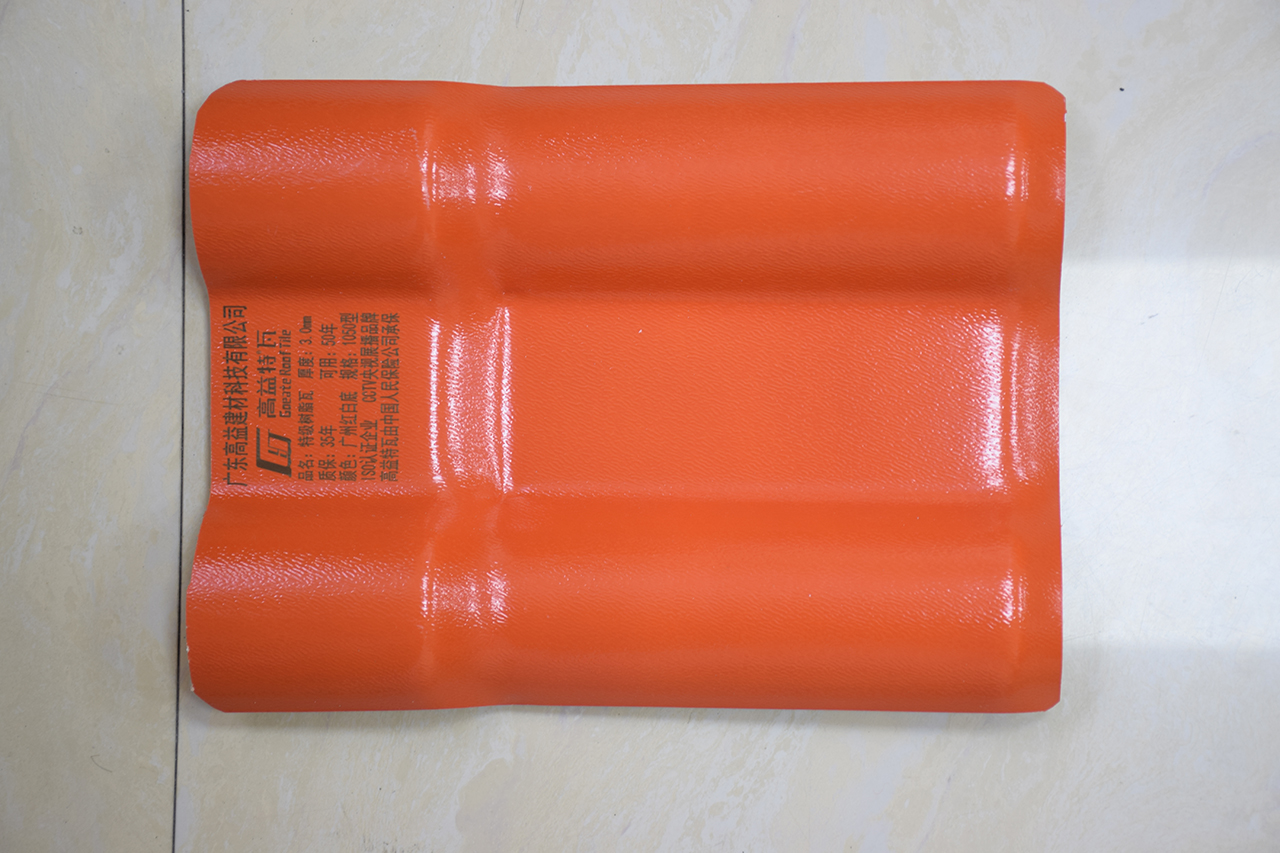
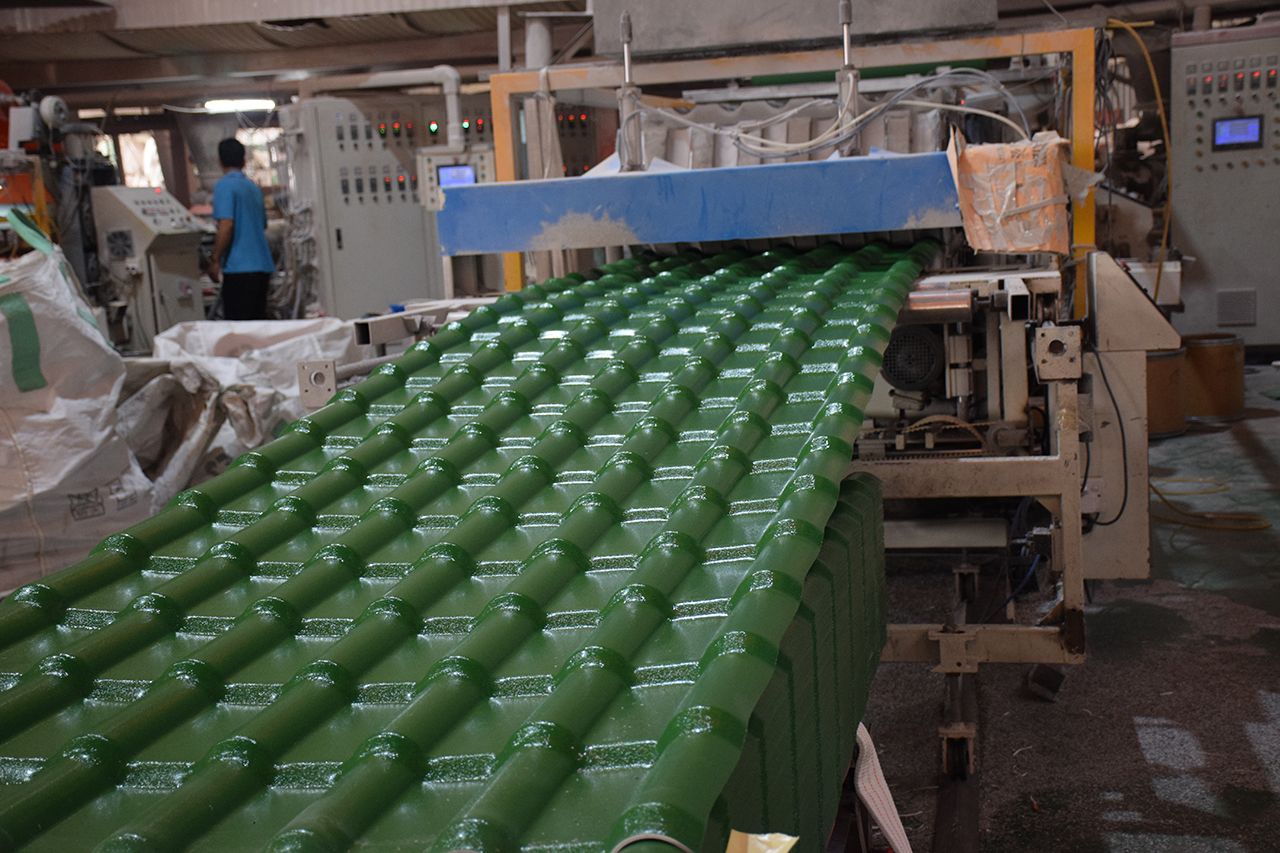
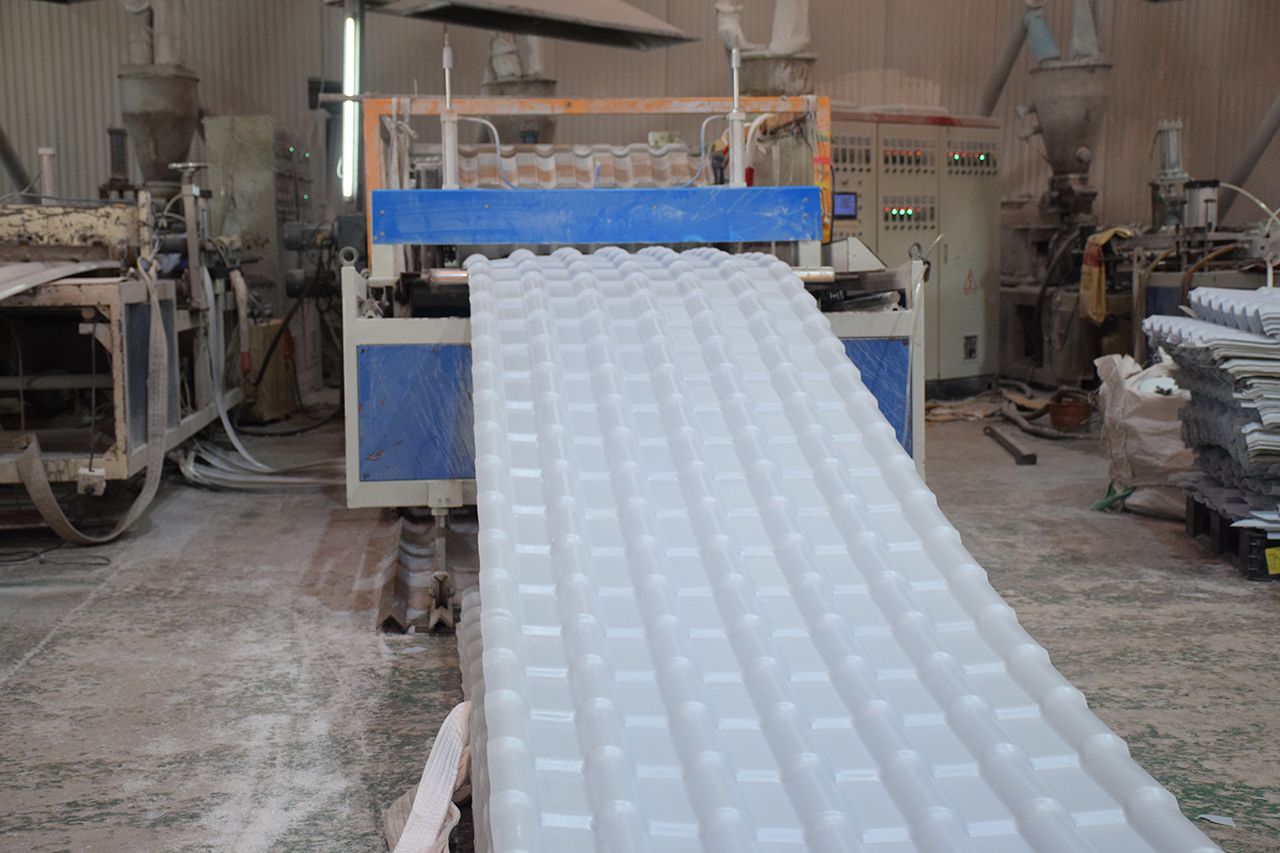
It depends on the material itself.Insulated Resin ShinglesThe core is composed of a polymer resin composite. Its internal structure contains a microporous foam layer that effectively blocks heat conduction; most of the infrared and ultraviolet rays in sunlight are reflected back rather than absorbed by the tiles and transferred indoors. This layer acts as a thermal barrier for the roof.
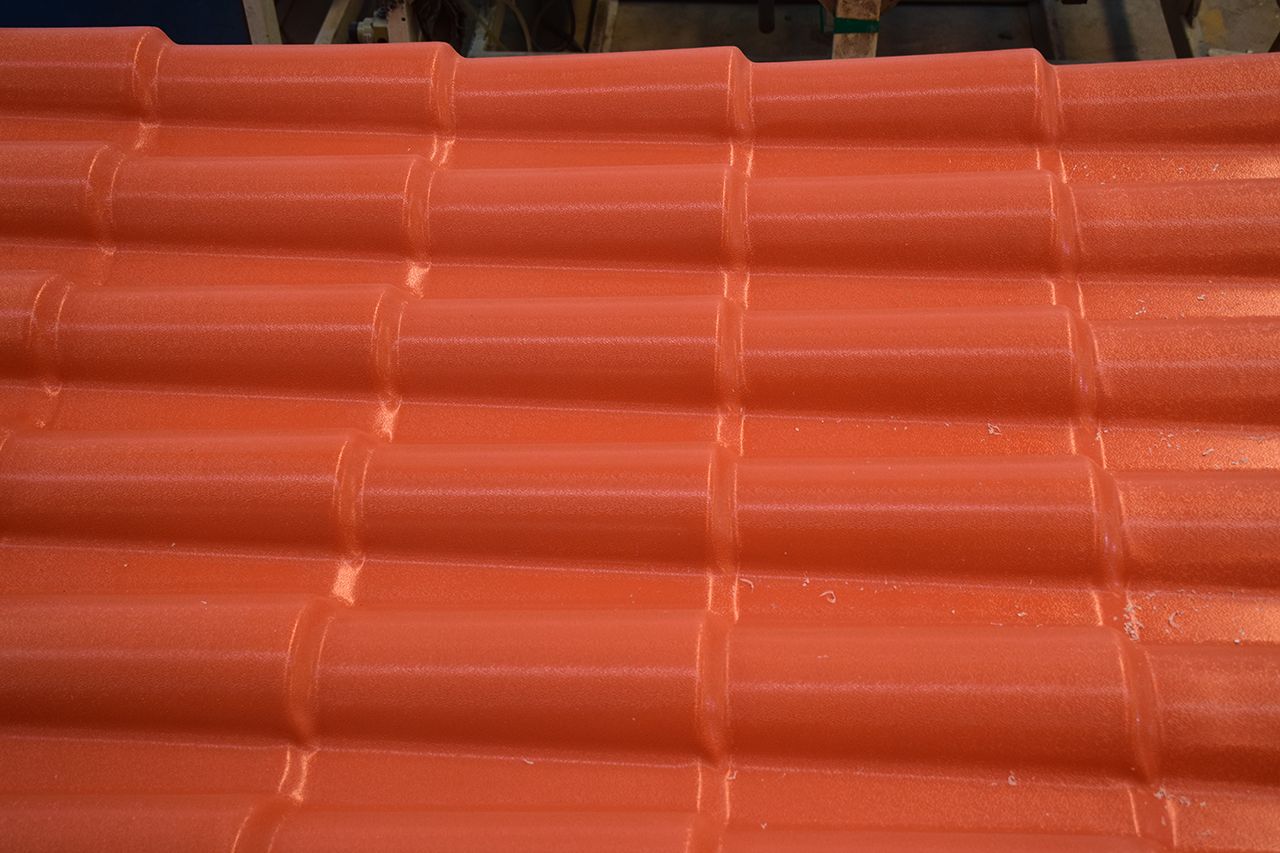
In addition, high-quality resin roofing tiles are formulated with UV-resistant additives and thermal insulation fillers during the molding process, which further enhances their reflectivity. Their smooth and dense surface not only resists dust accumulation but also reduces heat absorption. In some self-built homes in southern China, after switching to resin roofing tiles, the temperature difference between indoors and outdoors at noon has increased from the original two or three degrees to five or six degrees, making the difference in how it feels to the body extremely noticeable.
How Are Resin Roof Tiles Better Than Traditional Roof Tiles?
For comparison, we selected the most common type of clay tile, and the difference is clear at a glance. While the firing process for clay tiles is well-established, they are excessively heavy—weighing over 40 kilograms per square meter when installed on a single story—which places an enormous load on older buildings, requiring additional reinforcement of the crossbeams. Resin tiles, on the other hand, are much lighter—weighing less than 10 kilograms per square meter—and can be installed quickly without requiring any structural modifications to the building.
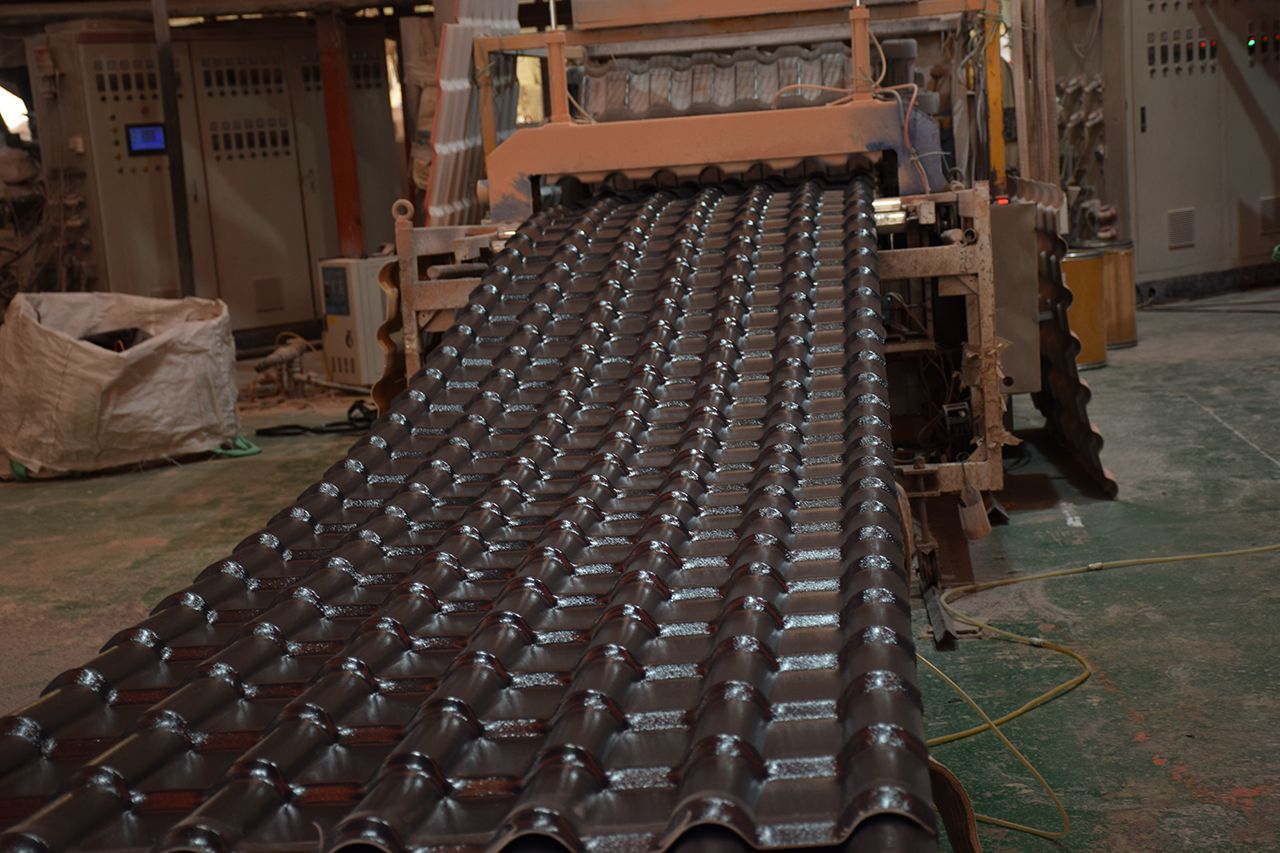
Cement tiles appear slightly lighter than clay tiles; however, they have a relatively high water absorption rate. Over time, they are prone to water seepage and cracking, and after the rainy season, their color becomes mottled. Resin tiles exhibit virtually no water absorption; even after being washed by rain, they retain their vibrant color. They are also highly resistant to the freeze-thaw cycles common in northern regions, meaning they will not crack due to expansion caused by freezing.
In terms of service life, resin roof tiles offer outstanding resistance to aging. Thanks to the stabilizers added to their composition, they can last for more than 25 years in outdoor environments, whereas traditional roof tiles typically require repairs and maintenance after just eight to ten years. In scenarios involving large-scale installations—such as factory buildings, warehouses, and roof conversions from flat to pitched—maintenance costs are much lower, and the money saved is enough to cover the cost of replacing the tiles several times over.
Is It Worth Installing Insulated Resin Roof Tiles?
Resin roofing tiles are primarily used in self-built homes and home renovations, especially for top-floor residents. where ceilings get so hot in the summer that they’re too hot to touch—even with a fan running, it does little to help. After installing a layer of resin roofing tiles, the indoor temperature can drop by four or five degrees, and air conditioning costs will decrease accordingly. If you do the math carefully, you’ll recoup the cost in just a few years.
If the area is subject to consistently high temperatures year-round, or if the roof is exposed to intense sunlight for extended periods, the thermal insulation properties of resin roofing tiles become even more pronounced. Resin tiles are equally suitable for factory roofs. When installed over large areas, they deliver noticeable results: workshop temperatures are significantly reduced, workers’ environments are optimized, and production efficiency is consequently improved.
If you’re on a tight budget, you might want to prioritize models with an insulating layer in the middle; standard single-layer models generally offer better value for the money. No matter which option you choose, they’re far superior to old-fashioned asbestos shingles and low-quality color-coated steel sheets—they’re durable and hassle-free. It’s a one-time investment that will pay off in the long run.
Keywords: Insulated Resin Roof Tiles