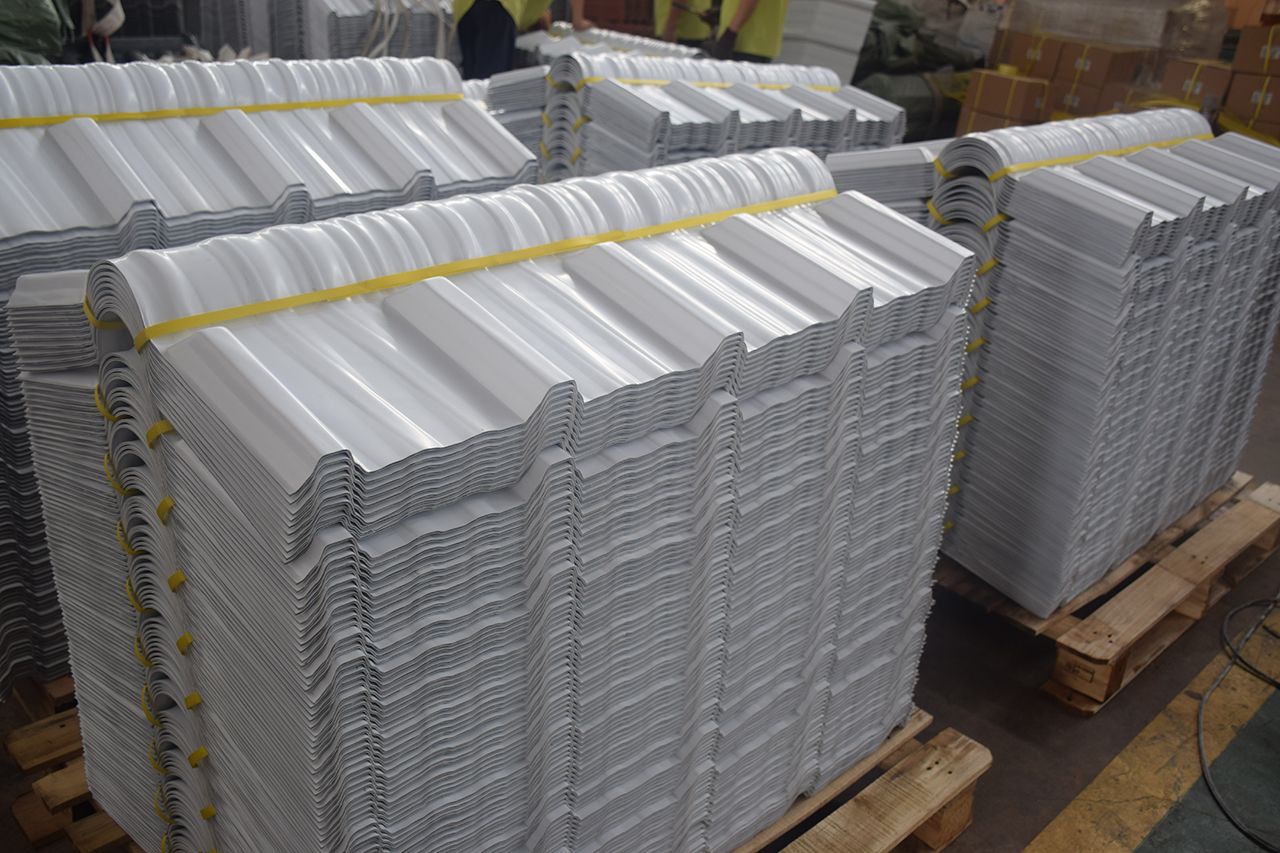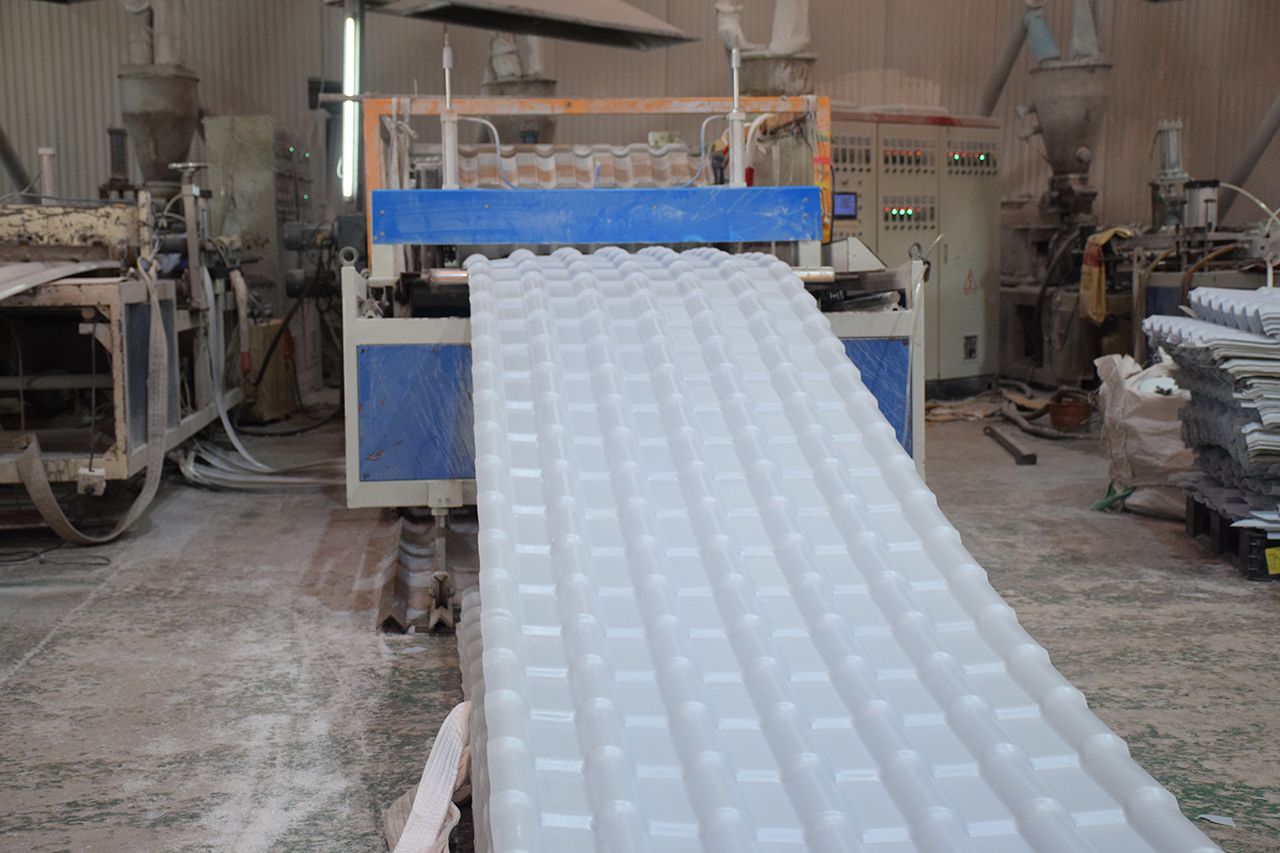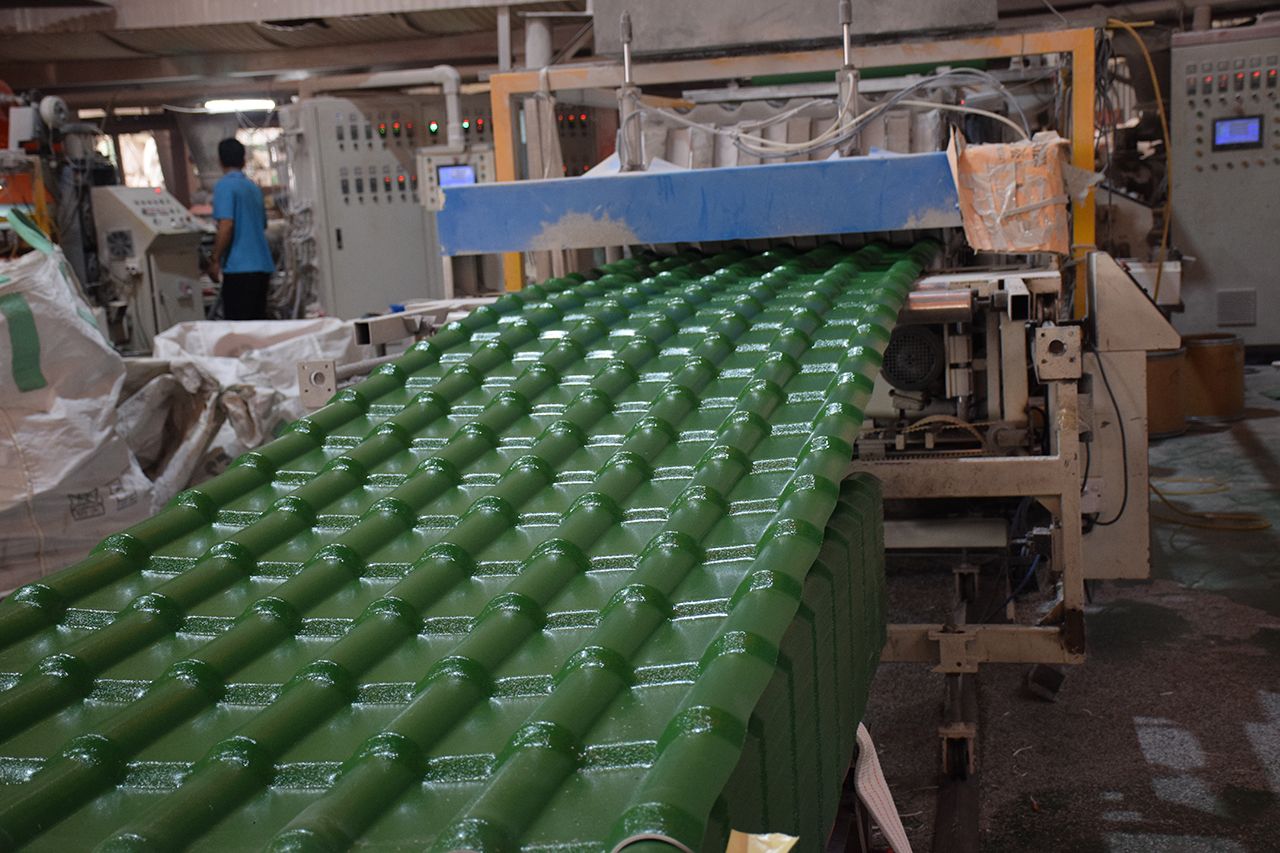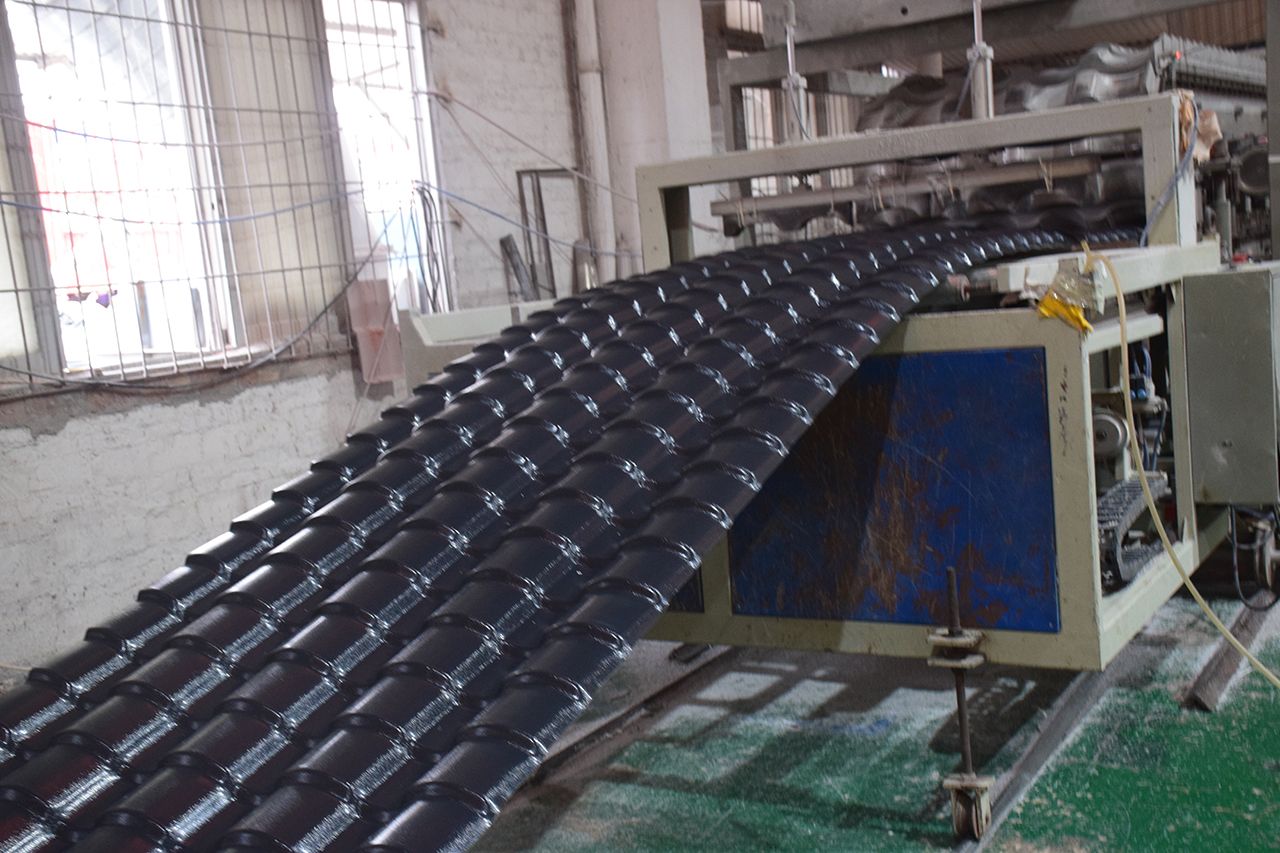
Having worked in the building materials industry for over a decade, I’ve handled a considerable number of roofing materials, and resin roofing tiles have been a relatively popular category in recent years. When homeowners come to me, the question they ask most frequently is how to purchase reliable products. In fact, buying directly from resin tile manufacturers is the right approach—it can indeed save a significant amount of money—but there are also quite a few nuances that need to be clarified.
Prices for resin roofing tile materials vary widely, ranging from several dozen to over a hundred yuan per square meter. The differences primarily stem from the raw material formulations, thickness standards, and manufacturing processes. Some small workshops use recycled materials in their production; while the tiles may look acceptable at first glance, they become brittle and fade after only a short period of use. Resin roof tiles from reputable manufacturers are made from brand-new ASA resin and PC materials, offering significantly more stable weather resistance—a key factor to consider when making a purchase.
How to Choose a Brand for Factory-Direct Resin Roof Tiles
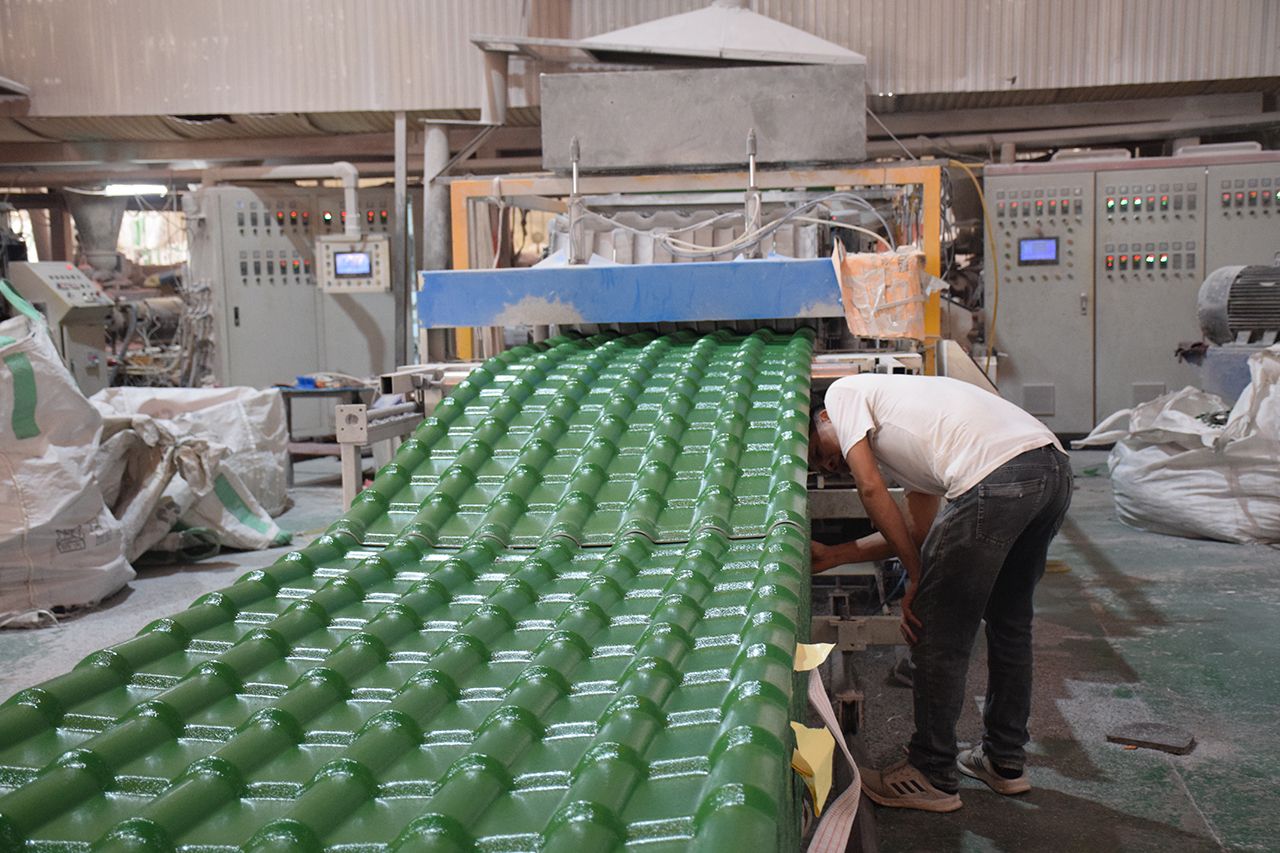
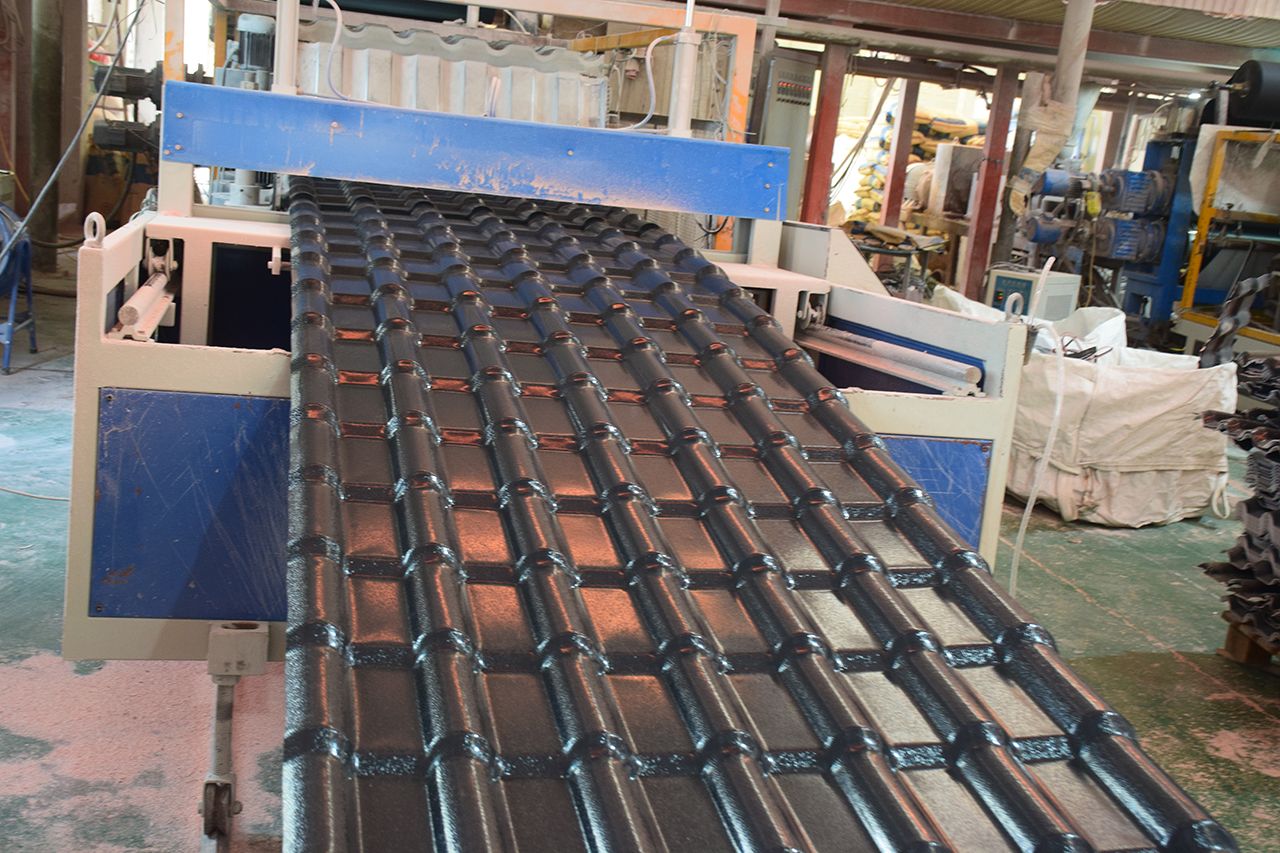
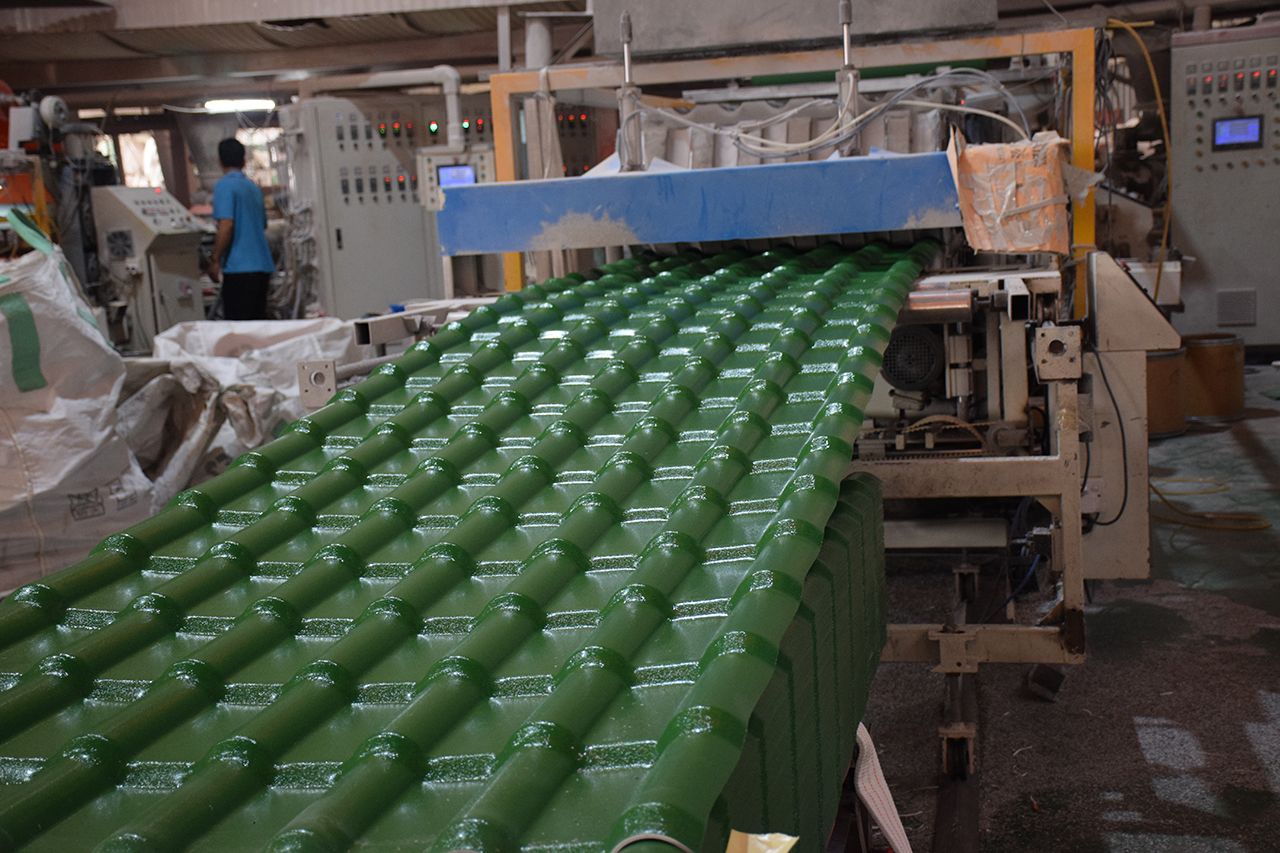
There are quite a few manufacturers producing resin roofing tiles on the market, but their quality varies—some are good, and some are not. When selecting a manufacturer, you shouldn’t focus solely on price; instead, you need to consider production capacity, inspection reports, and actual project examples. Manufacturers such as Gaoyi, Hongbo, Gongli, Xingfa, Zhongxingsheng, Bashu Liangjiang, Sumei, and Jieli each have their own unique characteristics. We highly recommend visiting the factories in person to inspect the production lines and quality control processes—this is far more reliable than simply checking specifications online.
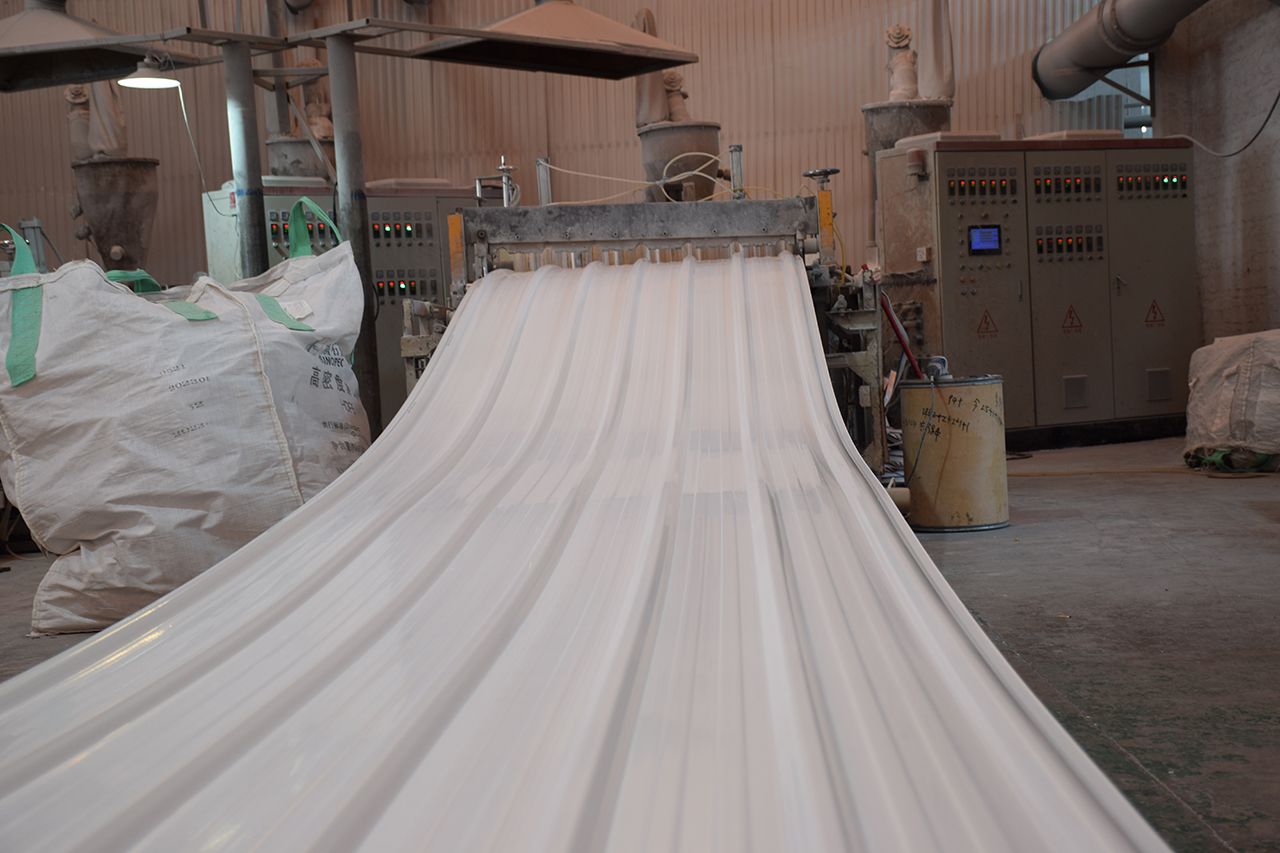
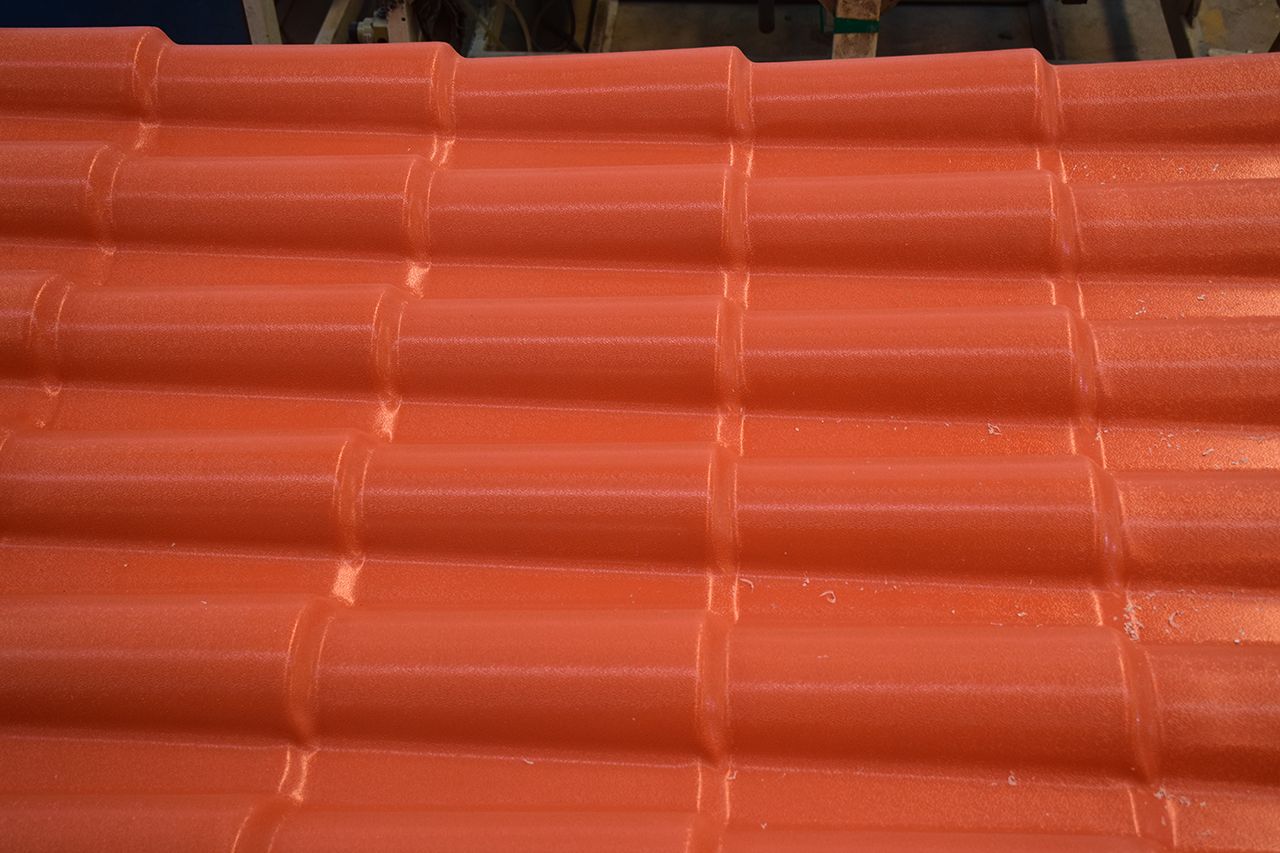
Some manufacturers primarily emphasize low prices, but when it comes to the thickness of their panels, they cut corners—in fact, when measured with calipers, these panels are found to be significantly thinner than their specified thickness. When making a purchase, it is best to request that a sample be brought to your home for inspection, measure it with a caliper, or ask the manufacturer to provide a third-party test report. Panel thickness that meets standards and good impact resistance are key indicators for the long-term durability of resin roofing panels. Do not be deceived by their glossy surface appearance.
What Should Be Considered When Installing Resin Roof Tiles?
Finding the right factory is just the first step; the installation process is equally important. There are specific standards for how resin roofing tiles should be overlapped, for the spacing between fasteners, and for edge finishing. If the installation does not meet these standards, leaks are highly likely to occur. We recommend seeking out an experienced roofing team rather than hiring temporary workers just to save on labor costs.
Resin tiles are relatively lightweight and do not place high demands on a building’s structural load-bearing capacity, making them a good choice for renovating older homes. However, if the existing roof is severely damaged, the substrate must still be properly prepared before the tiles can be installed. It is essential to ensure the waterproofing layer is properly installed, and the edging at the eaves and ridge must be finished according to specifications; these minor details determine how many years the roof will last.
The key lies in cutting out the middlemen by purchasing resin roofing tiles directly from the factory, which helps bring prices back to a reasonable level. By choosing the right manufacturer, ensuring quality control, and following proper construction standards, you can rest assured that your roofing project will be taken care of. Building a house is a major undertaking, so taking the time to thoroughly research materials will save you a lot of hassle down the road.
Keywords: Resin Roof Tiles—Factory Direct Sales