Are resin roof tiles durable?
When building their own homes, many homeowners find themselves torn over this issue. I’ve been in the building materials business for over a decade, and I’ve seen countless customers fall into this trap when selecting roofing tiles. Color-coated steel roofing tends to rust and leak within just a few years, while traditional glazed tiles, due to their weight, are prone to collapsing. The emergence of resin roofing tiles has indeed solved a significant number of these real-world problems.
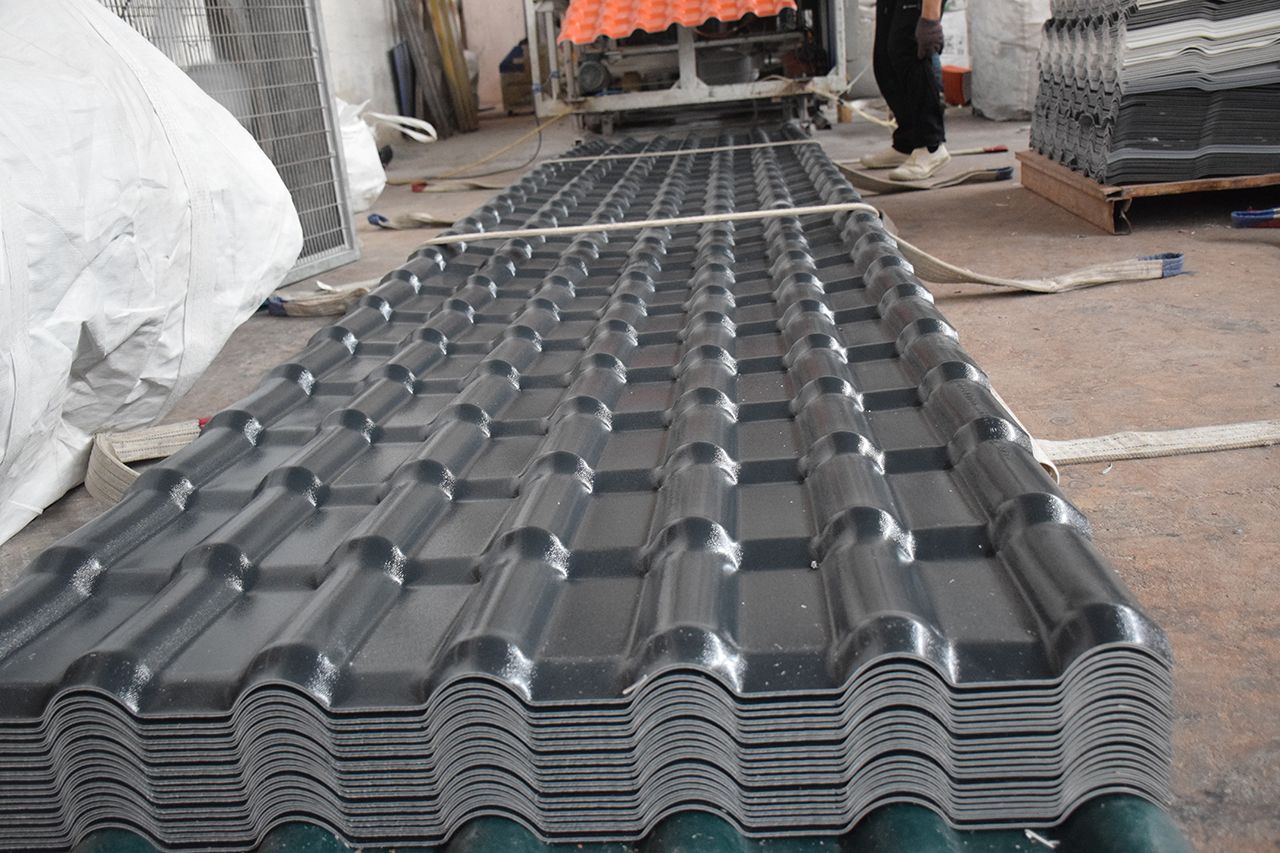
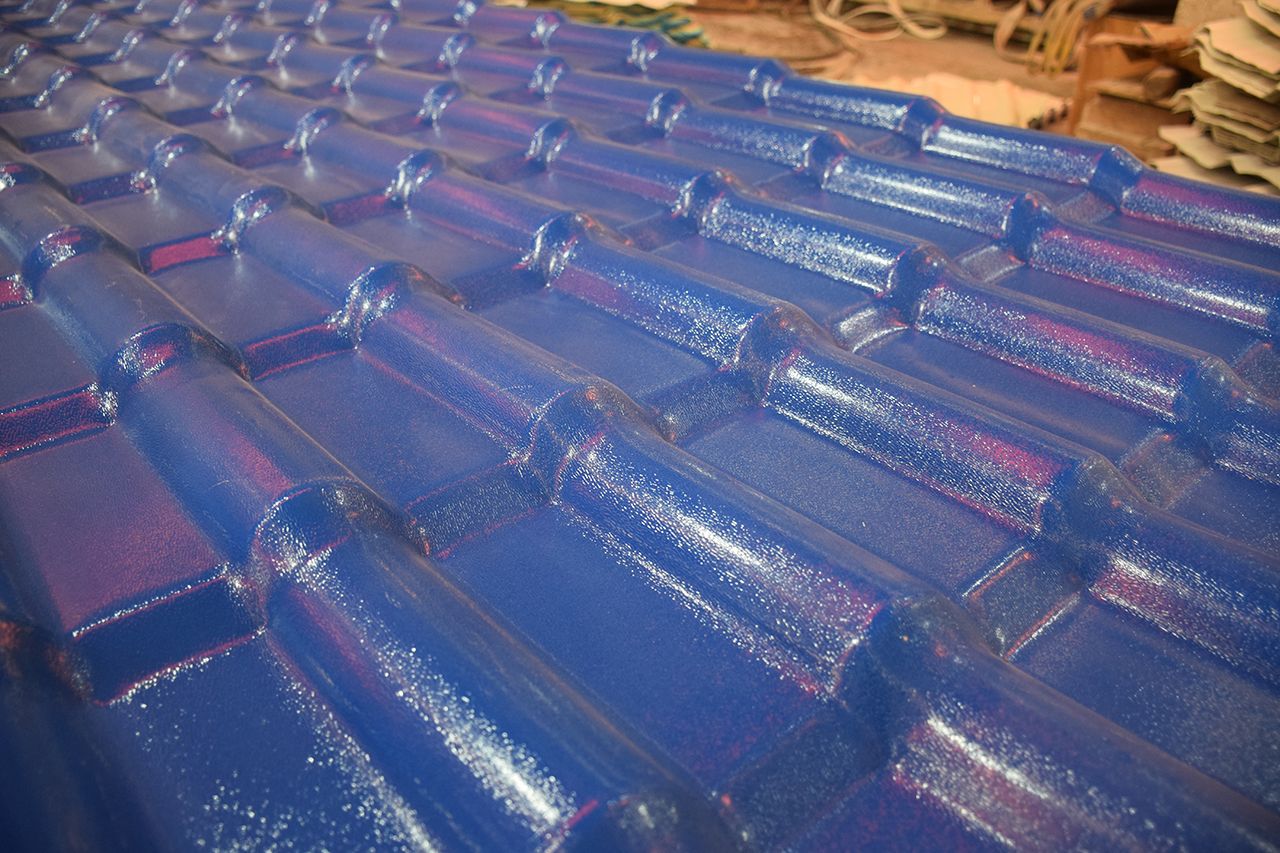
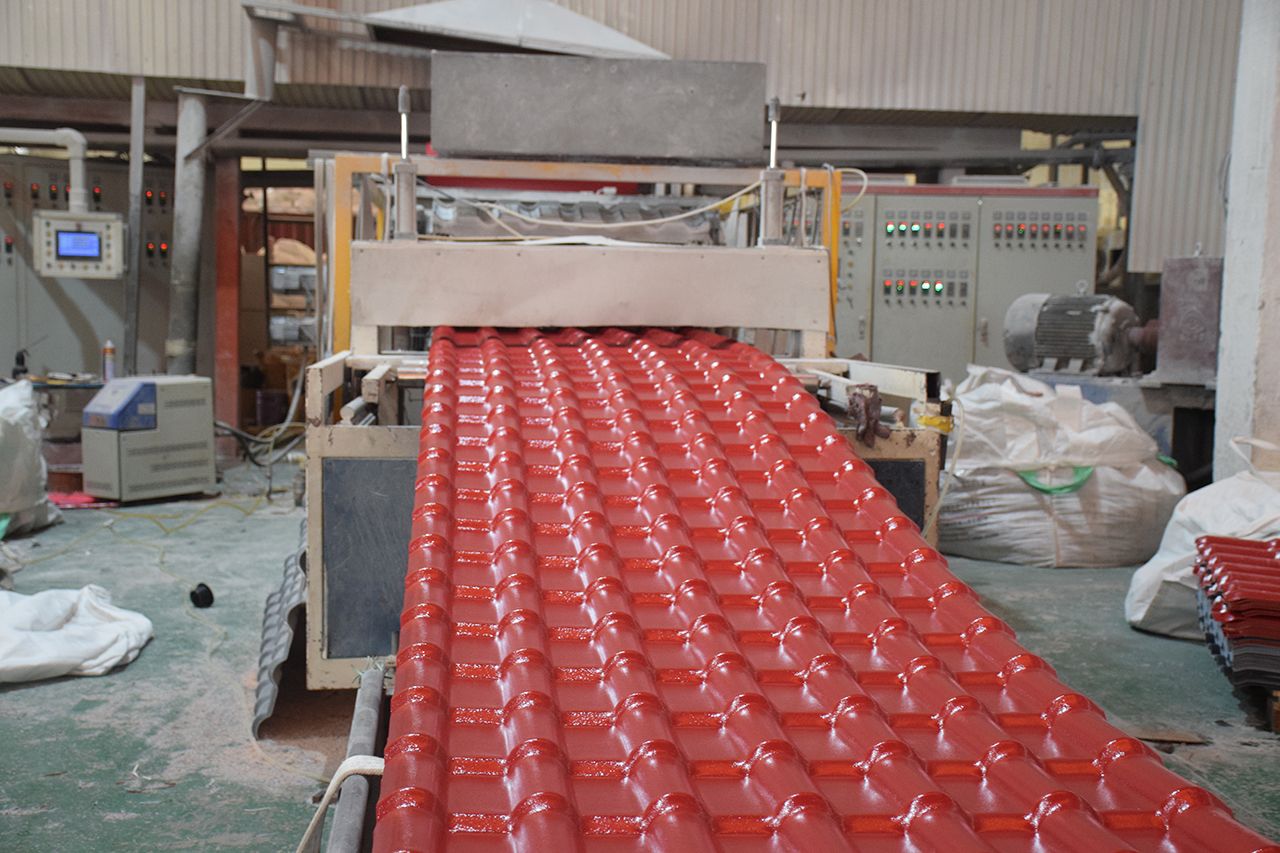
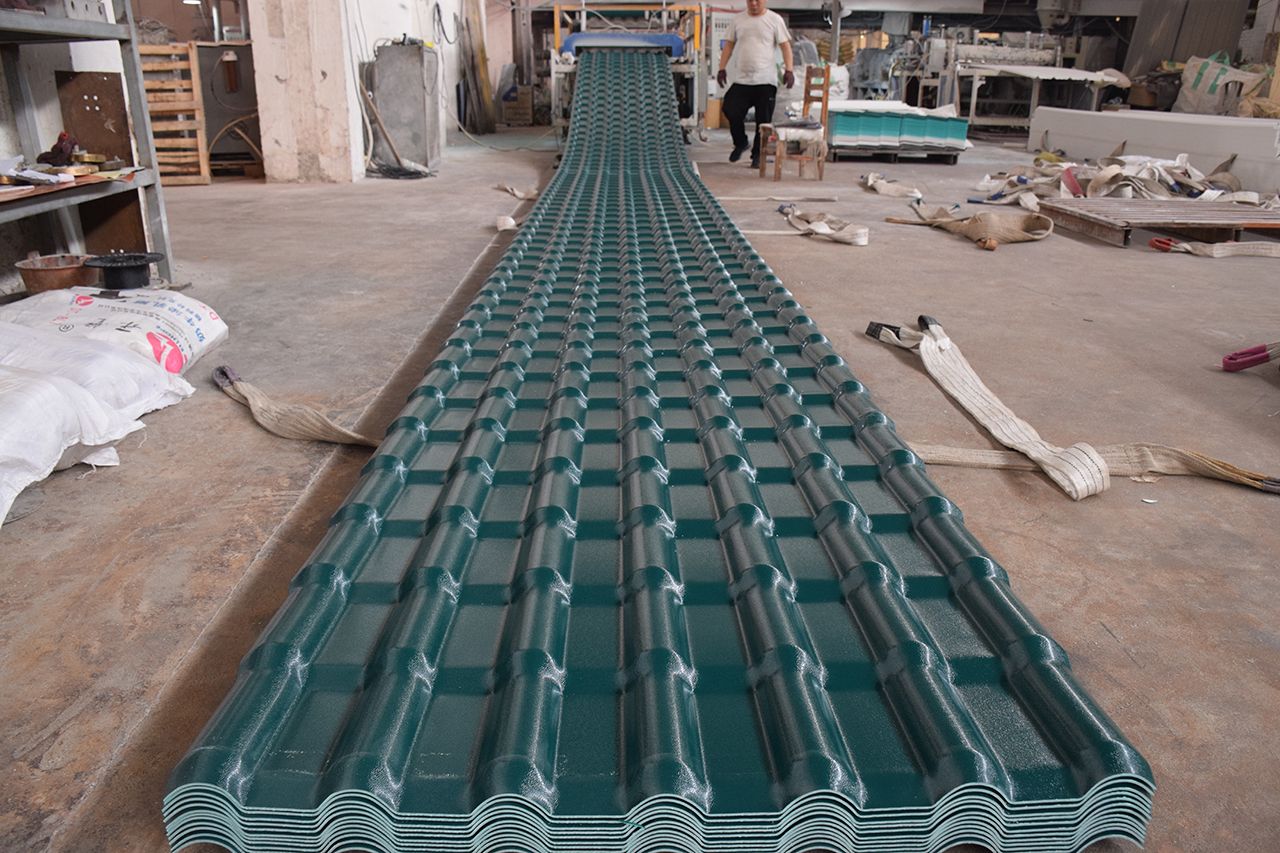
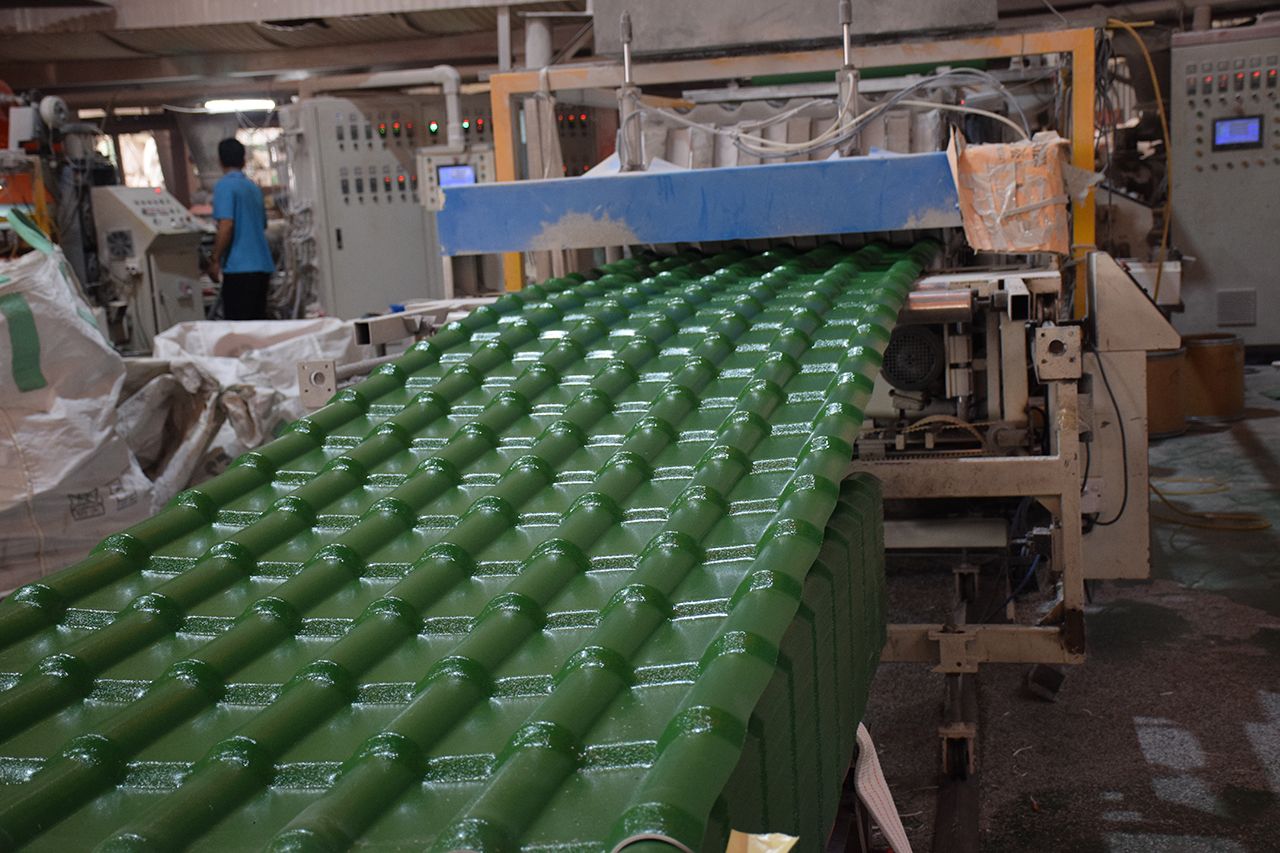
In terms of the material itself, these tiles are made primarily from synthetic resin, with the addition of UV inhibitors and stabilizers. Under normal conditions of use, they have a service life of over 30 years. In some northern regions, customers have been using them for 12 to 13 years, and the tiles have shown virtually no change in color or strength.
However, durability is closely linked to the quality of installation. In some cases, workers may over-tighten the screws during installation, which can lead to cracks after the material undergoes thermal expansion and contraction. When selecting panel thickness, we recommend choosing panels that are at least 3.0 millimeters thick. If the panels are too thin, they pose a greater risk during hailstorms. In terms of price, there are significant differences depending on the brand and panel thickness. Standard models range from 85 to 120 yuan per square meter, while high-end, thickened models fall within the 100 to 200 yuan range. These are the typical price points.
How do resin roof tiles compare to other types of roof tiles?
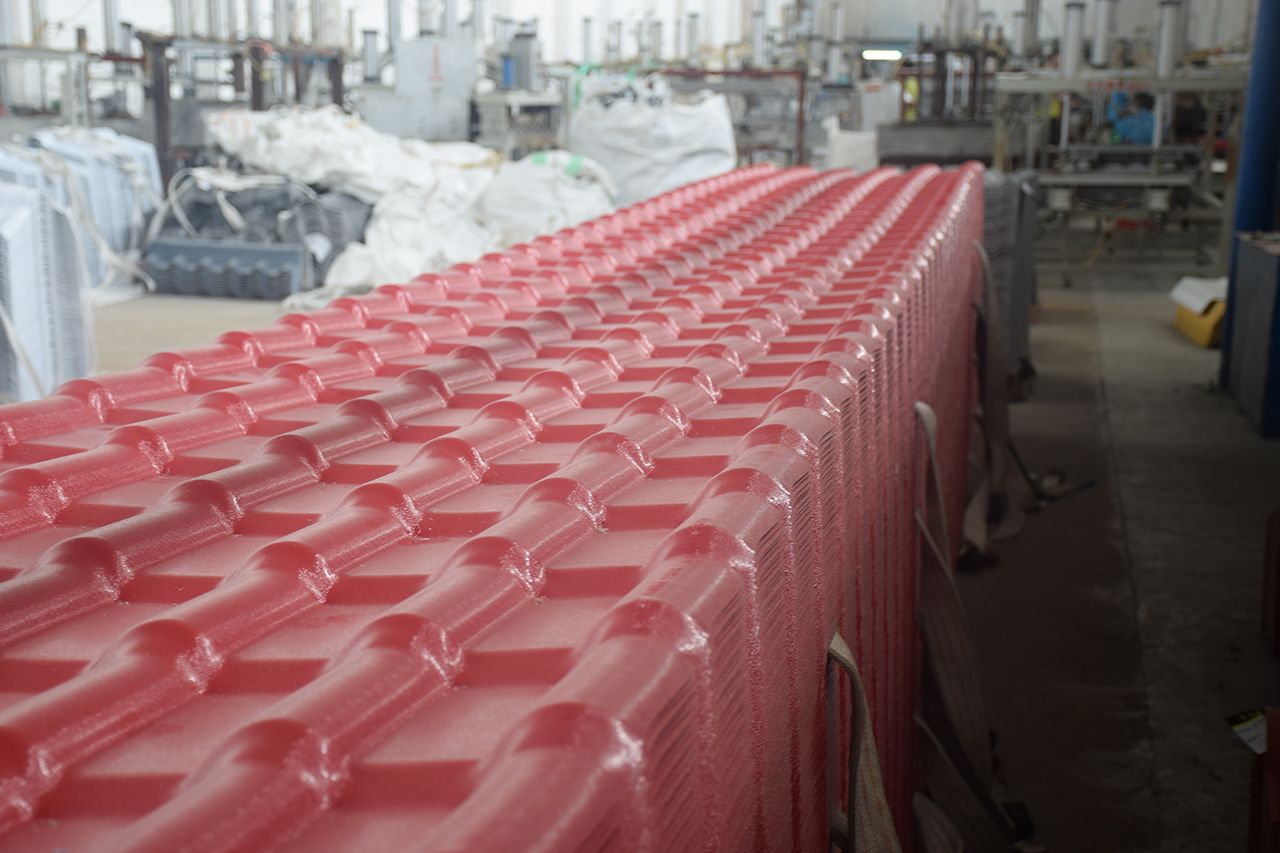
When compared with traditional roof tiles, the differences between them and resin roof tiles are quite significant. Clay tiles are relatively heavy and place high demands on load-bearing capacity; cement tiles are prone to weathering and fading; and color-coated steel tiles offer poor sound insulation and produce extremely loud noises during rainy weather. Resin tiles, on the other hand, are both lightweight and durable; their weight per square meter is only one-fifth that of traditional tiles, which means they place much less stress on the building’s structure.
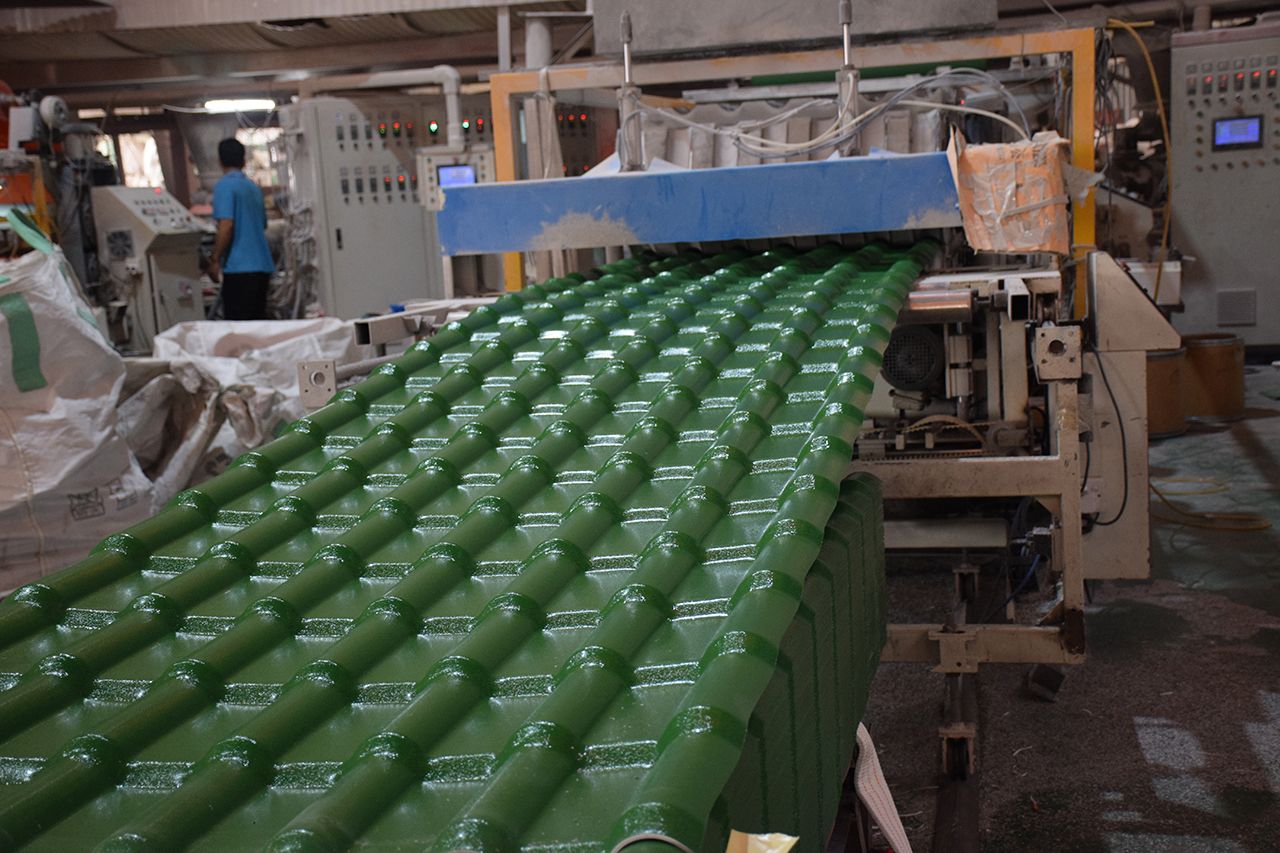
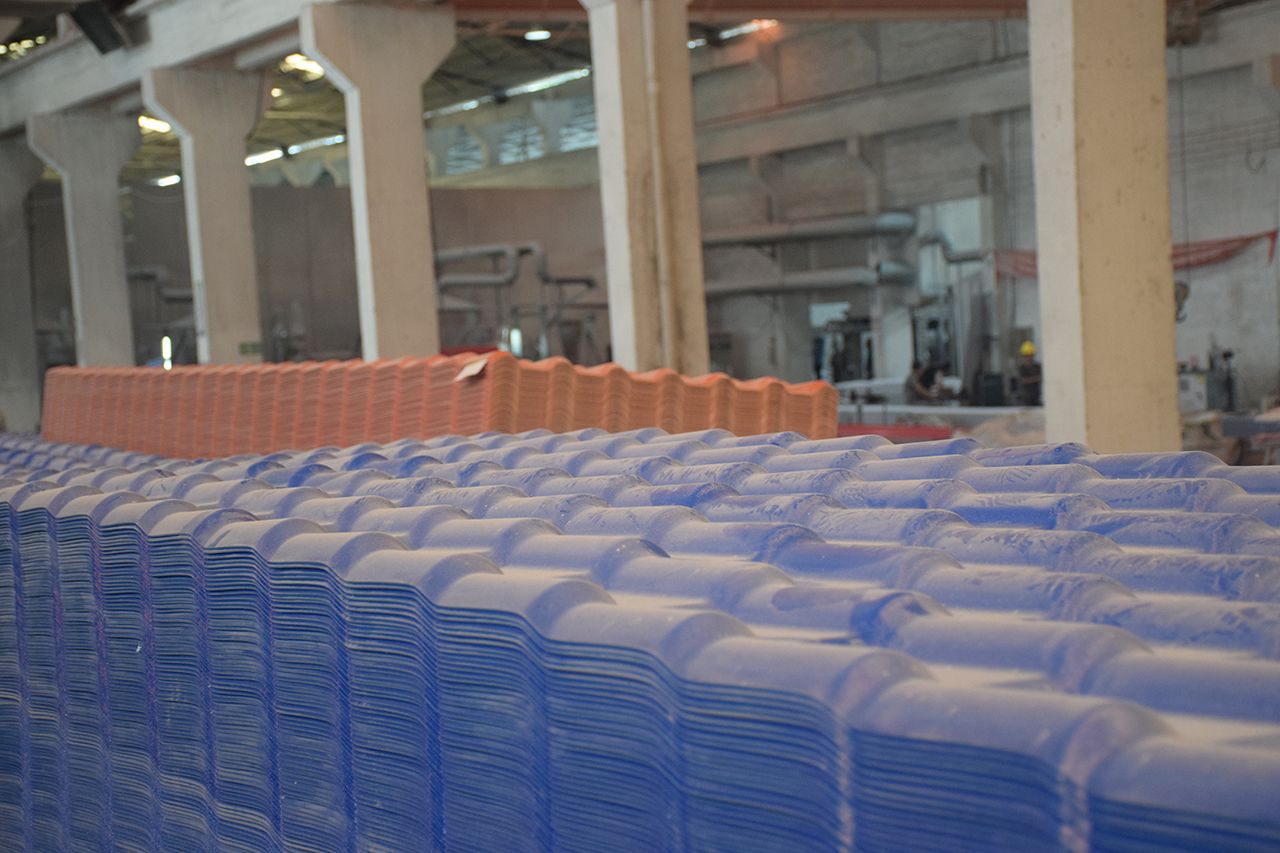
There are quite a few brands on the market; names such as Gaoyi, Hongbo, Gongli, Xingfa, Zhongdongsheng, Bashu Liangjiang, Sumei, and Jieli are commonly seen. The Gaoyi brand enjoys a relatively stable reputation within the industry, and many construction crews prioritize it for large-scale projects.
Another advantage of resin roofing tiles is that they are relatively easy to install. They come in standard sizes, and the overlapping process is straightforward, allowing the construction time to be cut in half compared to traditional roofing tiles. When renovating an old roof, new resin tiles can be installed directly over the existing tiles, eliminating the need to remove the old ones and significantly reducing costs.
What Types of Homes Are Suitable for Resin Roof Tiles?
Resin roofing tiles are primarily used for rural self-built homes, villa exteriors, and projects converting flat roofs to sloped roofs. They are particularly suitable for rainy regions in southern China due to their consistent waterproofing performance, which ensures smooth drainage even on roofs with a gentler slope; In cold northern regions, however, care must be taken to select resin roofing tiles with a cold-resistant formulation, as standard-formulation tiles may become brittle at temperatures as low as minus 20 degrees Celsius.
Using resin roofing tiles for factory buildings offers several advantages; when combined with skylight panels, they can significantly reduce electricity costs for lighting during the day. When restoring ancient temples and historic buildings, resin roofing tiles designed to mimic traditional architectural tiles are often chosen; while their appearance closely resembles that of traditional cylindrical roof tiles, their maintenance and replacement costs are significantly lower.
When making a purchase, don’t just focus on the price. Poor-quality resin roofing tiles will begin to fade and crumble after two or three years, so it’s better to choose products from reputable manufacturers from the start. When reviewing test reports, pay close attention to the UV resistance and weather resistance ratings, as these two metrics directly determine how long the tiles will last.
Keywords: Resin Roof Tiles