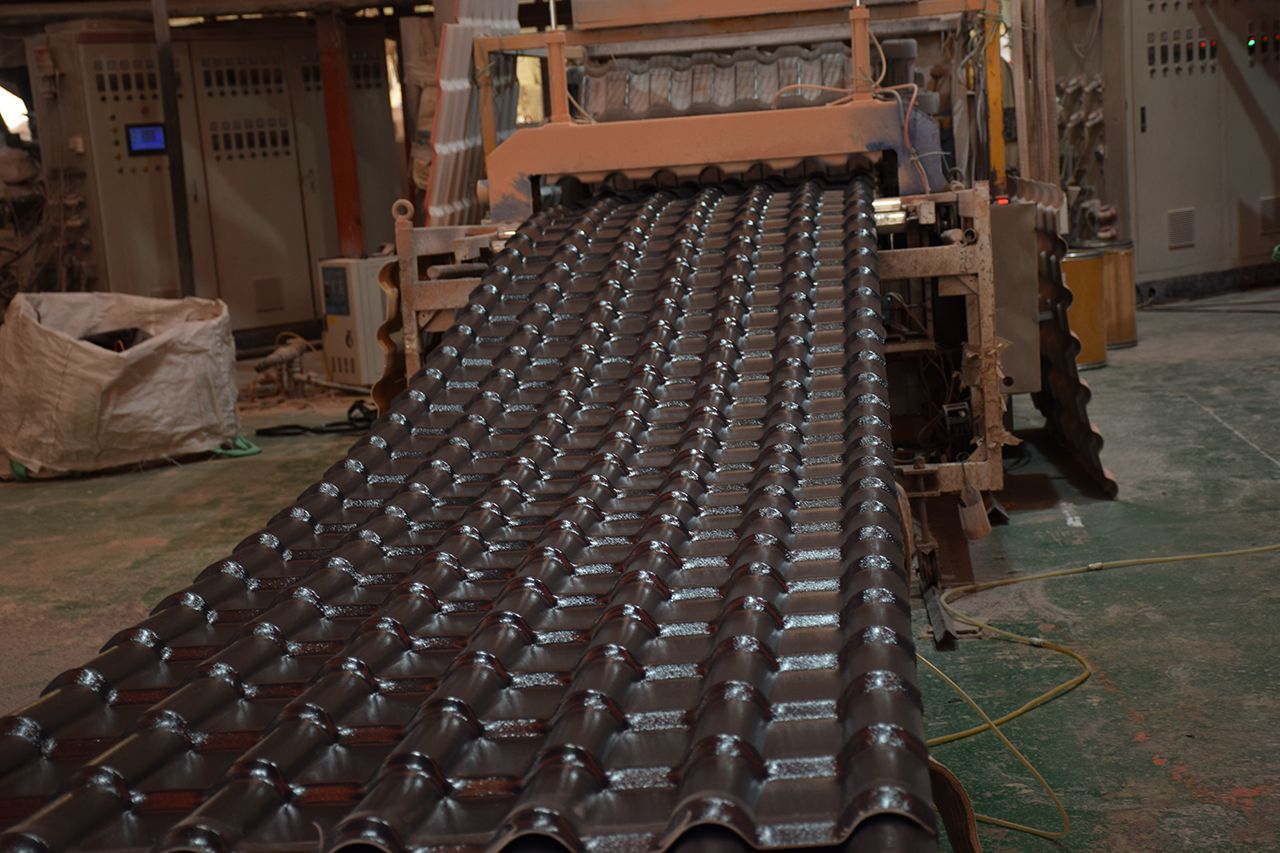
Thanks to their microporous foam layer and UV-resistant additives, resin roofing tiles effectively reflect infrared and ultraviolet rays, block heat transfer, and form a thermal barrier. Compared to traditional roofing materials such as clay tiles, resin roofing tiles are lightweight, have low thermal conductivity, can significantly lower indoor temperatures, enhance comfort, and are less prone to dust accumulation.
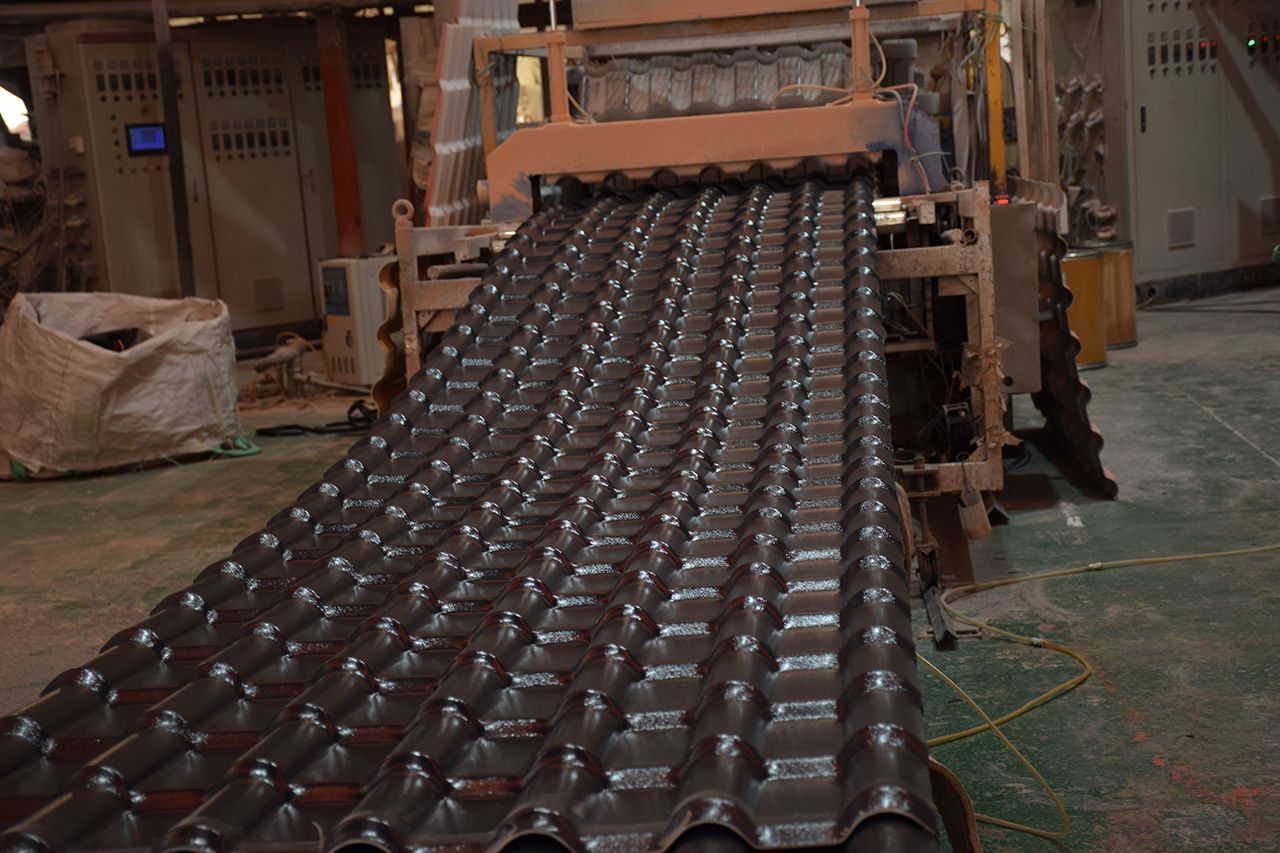
Insulated resin roofing tiles provide significantly better heat reduction than ordinary metal roofing tiles, with a temperature difference of up to five to eight degrees. Resin tiles have a low thermal conductivity, making it difficult for heat to transfer into the interior. Furthermore, their internal air-layer structure and surface reflectivity further enhance thermal insulation, resulting in a back surface temperature that is significantly lower than that of metal roofing sheets. The cooling effect is even more pronounced on spacious, well-ventilated rooftops, making them ideal for temperature-sensitive environments.
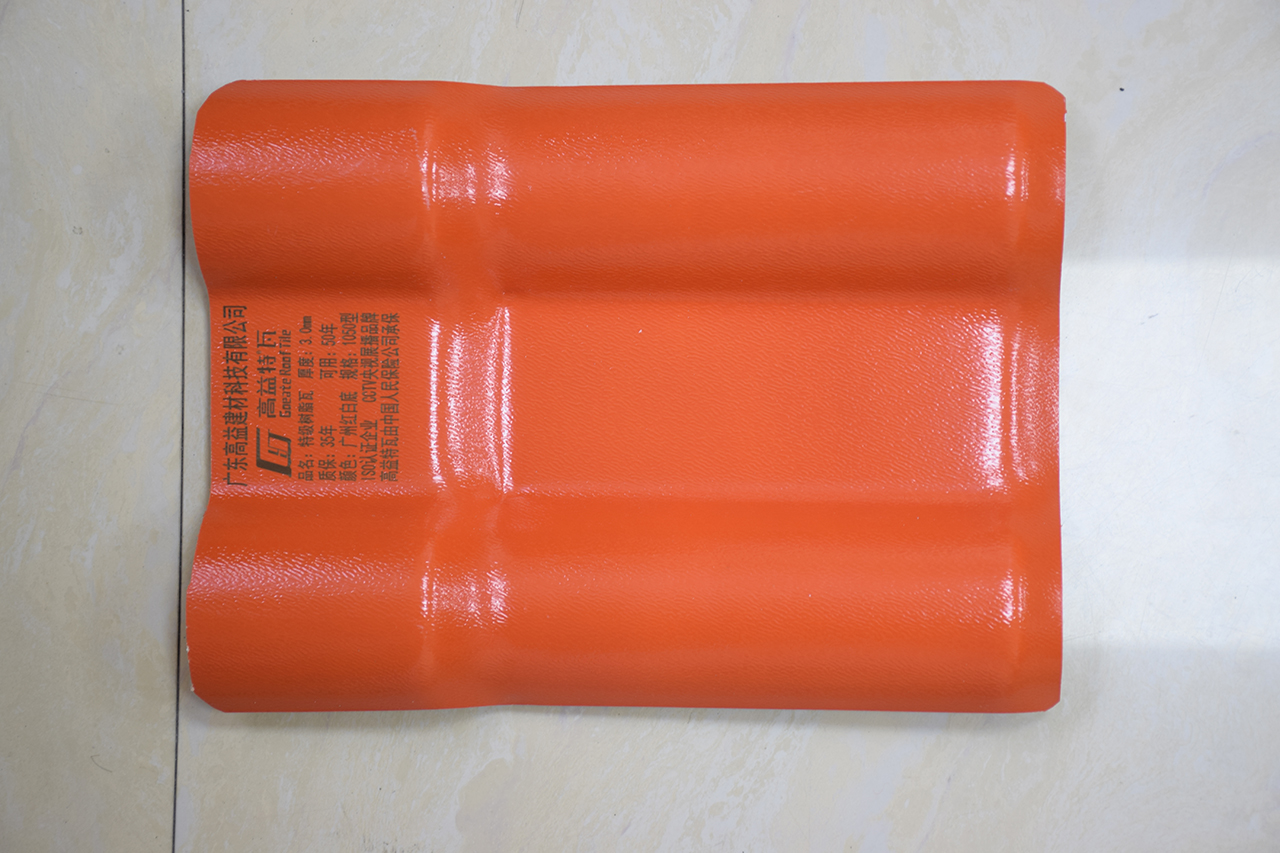
Poor insulation? You just haven’t chosen the right roof tiles. Once summer arrives, the roof turns into a sizzling hotplate. Even if you set the air conditioner to 16 degrees, it’s hard to keep the heat from rising up from the ceiling. Many people spend a fortune on air conditioning