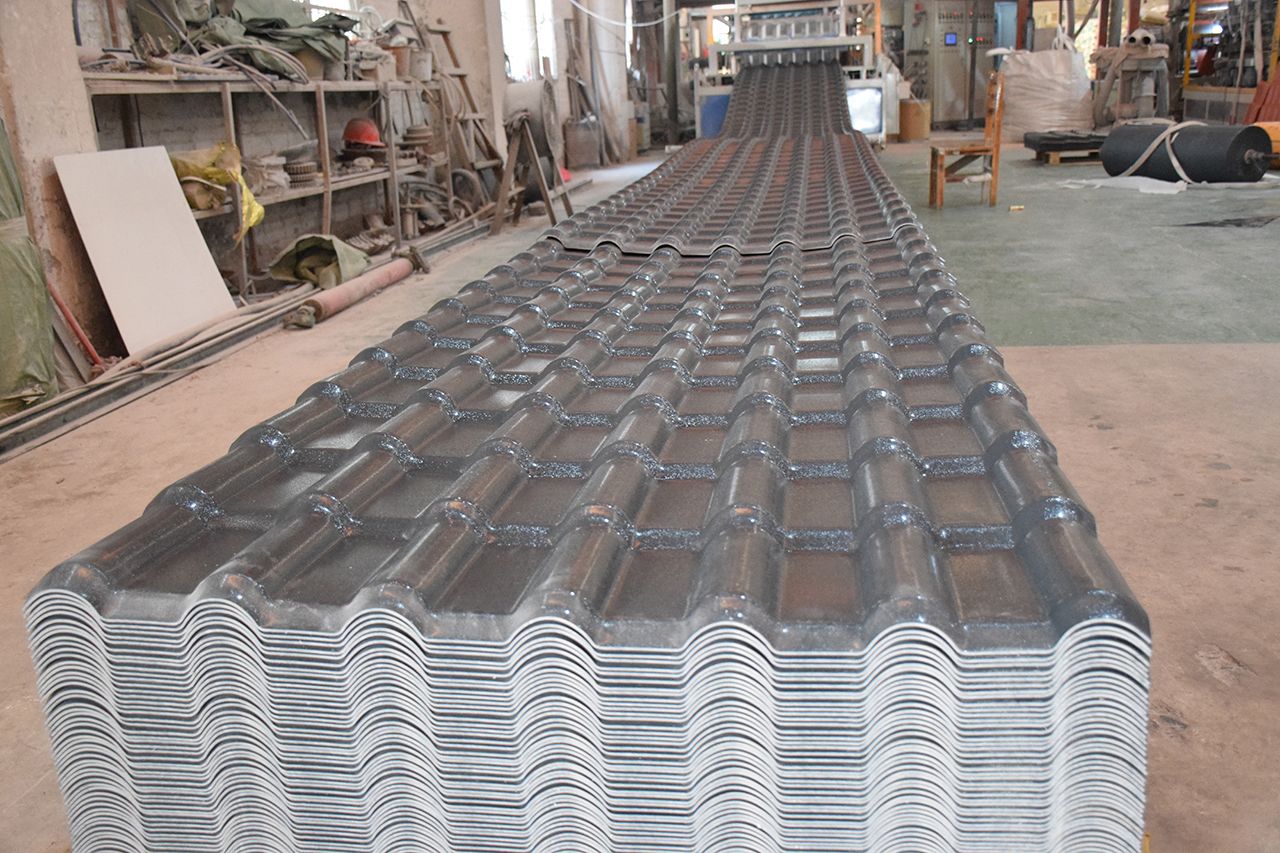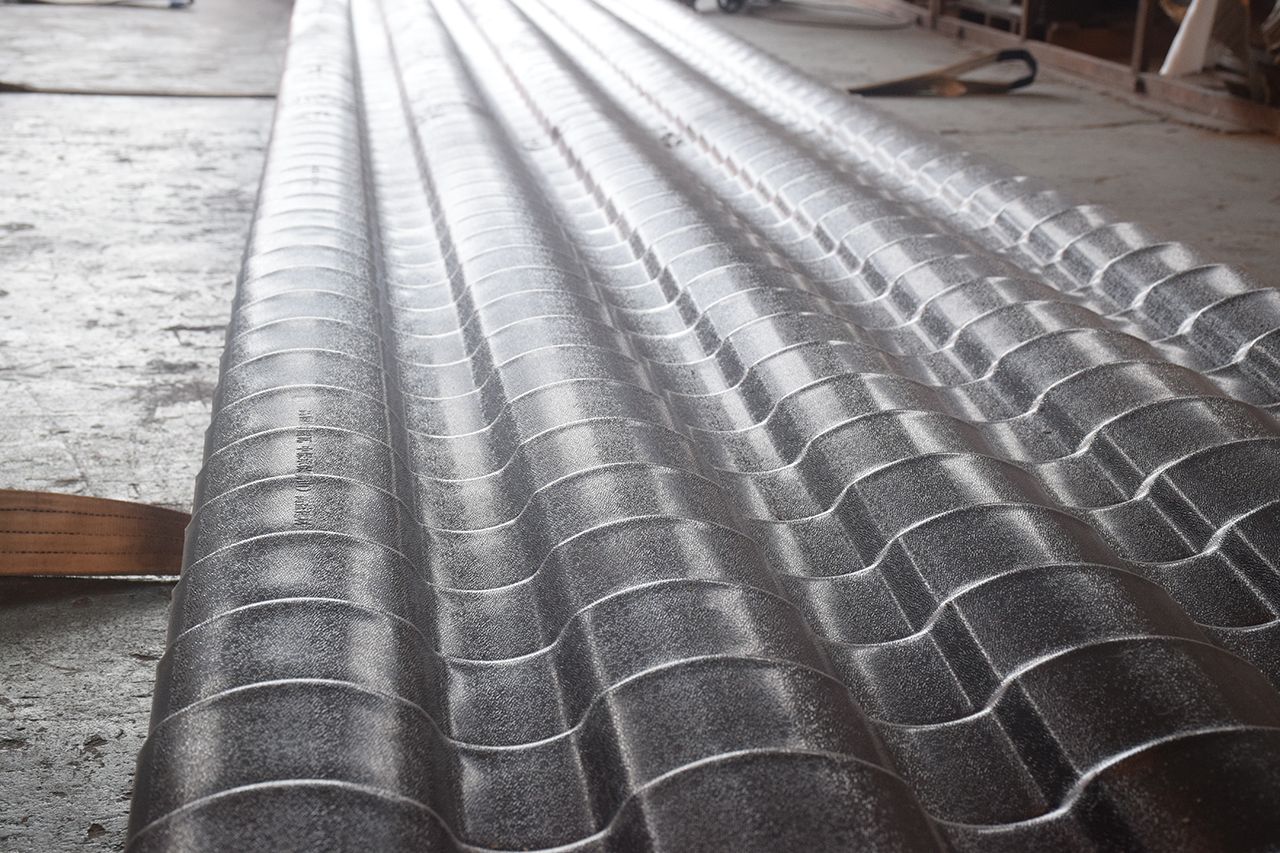
Fire-resistant PVC roofing tiles are playing an increasingly important role in the construction of modern industrial plants and warehouses today. As a building material that combines fire resistance with lightweight properties, it is gaining recognition from a growing number of project contractors. For buyers seeking manufacturers of fire-resistant PVC roofing tiles, understanding the product’s true performance, assessing the manufacturer’s production capabilities, and knowing how to make choices based on actual needs are key to avoiding pitfalls.
What is the flame-retardant mechanism of fire-resistant PVC roofing tiles?
Many people still view fire-resistant PVC roofing tiles simply as “plastic tiles” and worry that they lack safety. In fact, fire-resistant PVC roofing tiles that meet standards have special flame retardants and stabilizers added during the manufacturing process, enabling the material to self-extinguish when exposed to a flame, rather than continuing to burn and produce dripping droplets like ordinary plastics. The oxygen index of this material typically reaches 30% or higher, classifying it as a Class B1 flame-retardant material.
From a practical standpoint, the fire-resistant properties of fire-retardant PVC roofing tiles are well-established. In facilities with high fire safety requirements—such as chemical plants, electroplating workshops, and logistics warehouses—these tiles can effectively slow the spread of fire, thereby buying valuable time for personnel evacuation and fire rescue operations. Of course, formulations and manufacturing processes vary among different manufacturers. When purchasing, it is recommended to request that the manufacturer provide a fire resistance rating report issued by an authoritative national testing agency, as this is the most direct way to verify compliance.
How to Assess the Capabilities of a Fire-Retardant PVC Roofing Tile Manufacturer
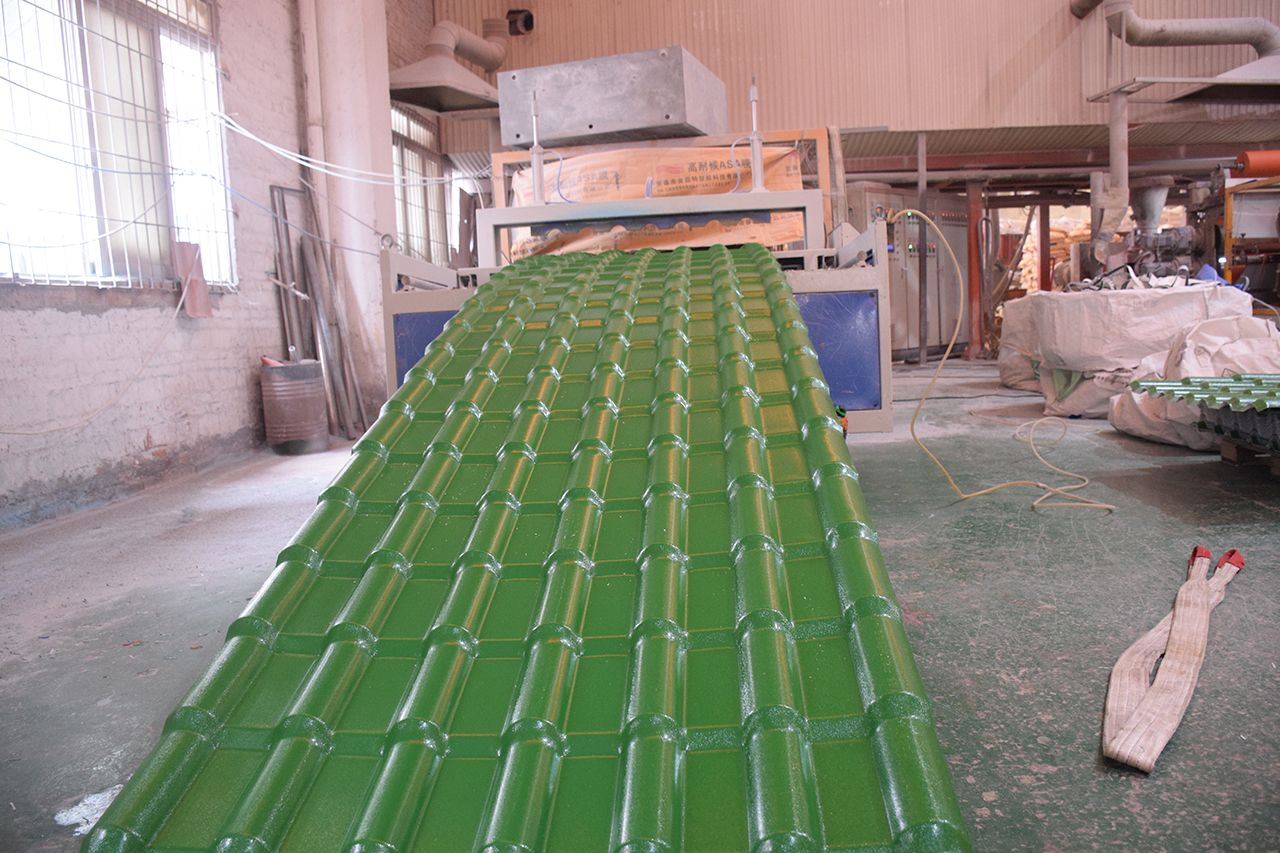
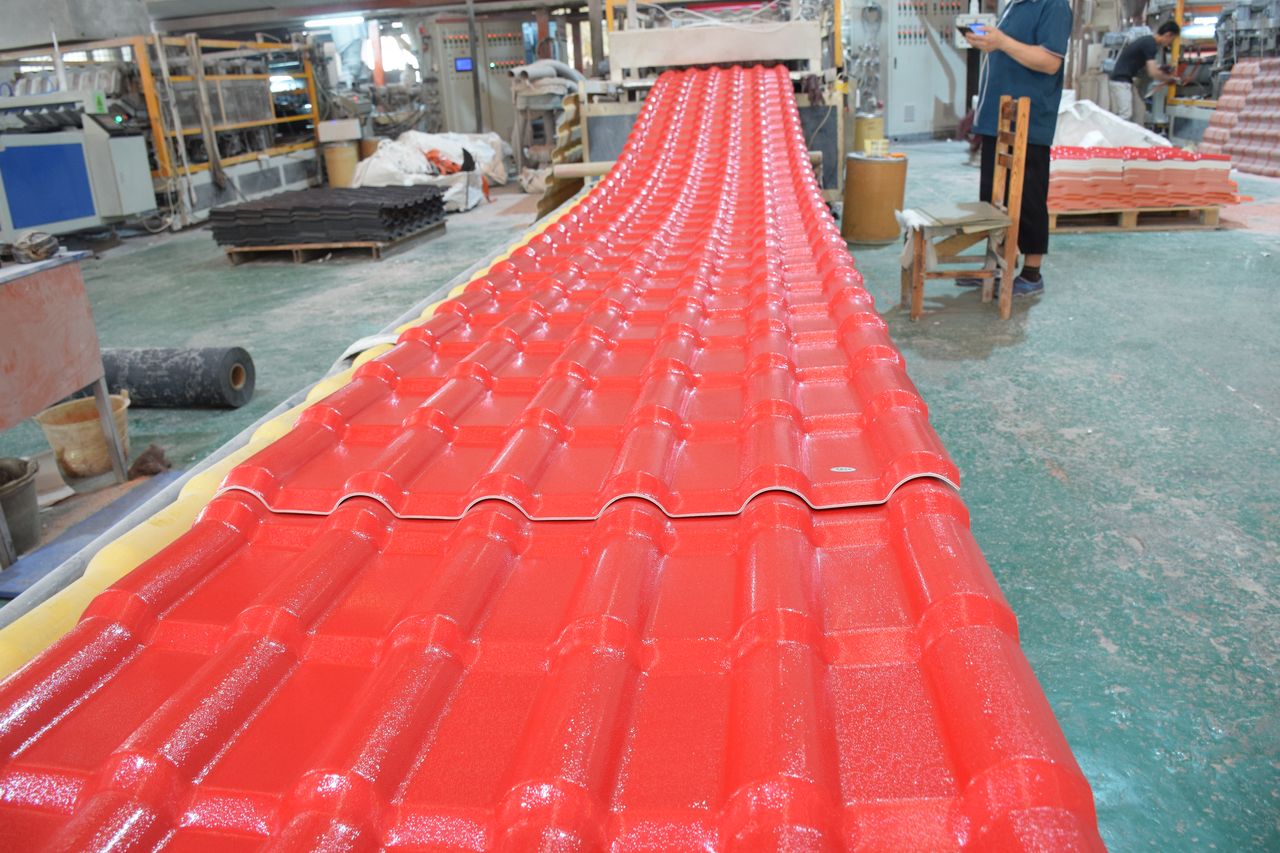
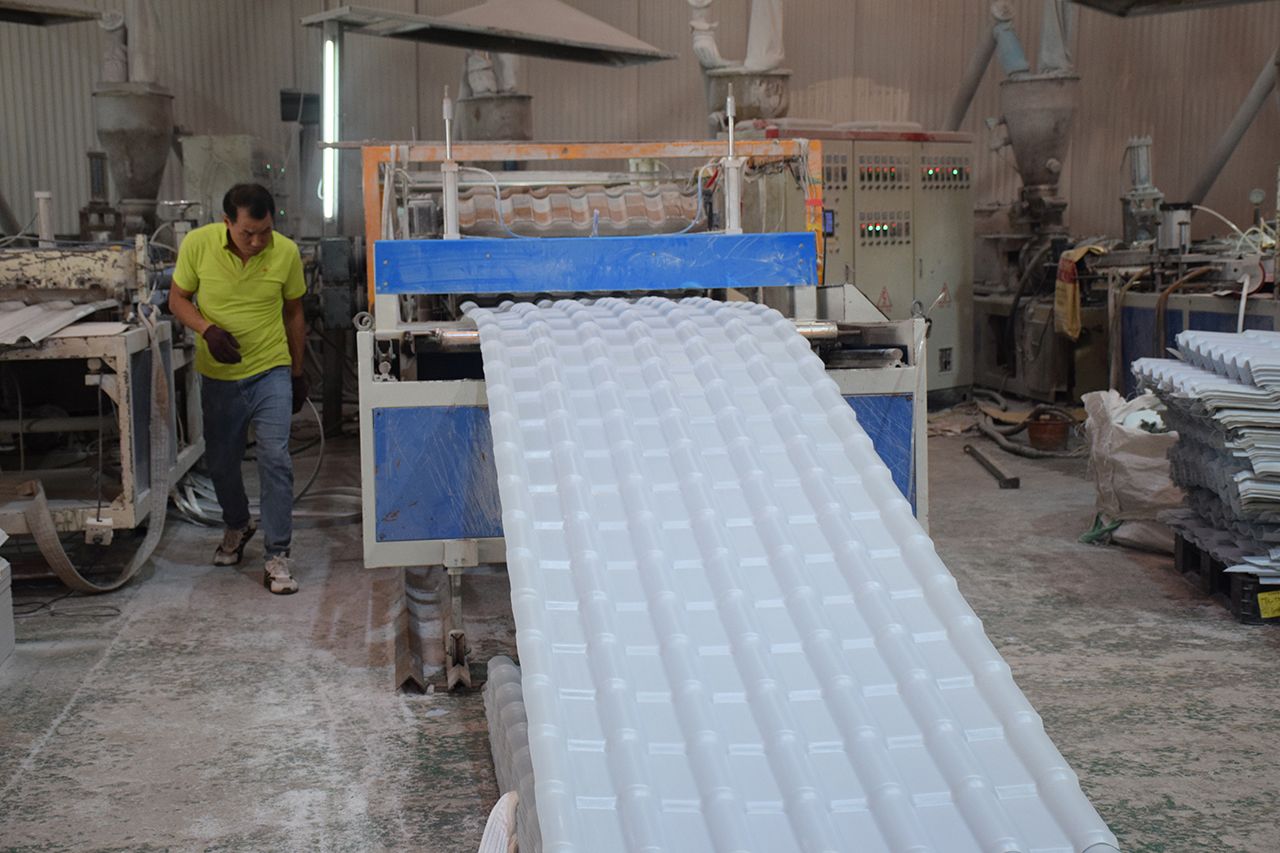
With so many manufacturers of fire-resistant PVC roofing tiles on the market, selecting a reliable supplier is a real challenge. First, you need to look at the production equipment: manufacturers equipped with modern extrusion production lines and precision molds will produce tiles with more uniform thickness, and their dimensions will be more consistent. Second, examine the raw material formulation. Some small manufacturers use recycled materials to cut costs, which can significantly compromise fire resistance.
In addition, a manufacturer’s technical R&D capabilities are also crucial. Reputable manufacturers continuously optimize their formulations to further enhance a product’s weather resistance and impact resistance while ensuring that fire-resistant properties are maintained. For example, in the rainy and humid regions of southern China, a roof tile’s resistance to aging is particularly important. You can directly ask the manufacturer whether they have conducted salt spray tests or UV aging tests; manufacturers that can provide specific, concrete data are generally more trustworthy. At the same time, pay attention to the manufacturer’s after-sales service policies, such as the warranty period and replacement for damaged products—these details reflect the manufacturer’s commitment to customer service.
Key Points for the Installation and Maintenance of Fire-Retardant PVC Roof Tiles
Choosing the right manufacturer of fire-resistant PVC roofing tiles is only the first step; proper installation and maintenance also significantly impact performance. During installation, pay close attention to the overlap length. Generally, the horizontal overlap should be no less than one wave crest, and the vertical overlap should be no less than 20 centimeters. Additionally, use the matching waterproof gaskets and self-tapping screws to secure the panels. At critical junctions such as the ridge, eaves, and gutters, reinforced waterproofing measures must be implemented to prevent rainwater from flowing back into the building.
Routine maintenance is relatively simple; the key is to regularly clean dust and debris from the roof surface to prevent long-term water accumulation from causing the tiles to corrode. If you notice that individual tiles are loose or damaged, they should be replaced promptly. The service life of fire-resistant PVC roofing tiles typically ranges from 10 to 15 years. During this period, as long as basic maintenance is performed properly, major repairs are generally unnecessary.
From a comprehensive perspective, when selecting a manufacturer of fire-resistant PVC roofing tiles, don’t focus solely on price; instead, pay close attention to product test reports, production equipment, and actual case studies. Fire resistance is a fundamental requirement that cannot be compromised. It is essential to do your due diligence in advance to ensure you select fire-resistant PVC roofing tiles that truly meet the specific needs of your industrial facility.
Keywords: Fire-resistant PVC roofing tile manufacturers