When it comes to building factories, constructing warehouses, or selecting roofing materials for agricultural greenhouses, more and more people are opting for lightweight yet durable materials. Thanks to their light weight, corrosion resistance, and quick installation, PVC roofing tiles have become the preferred choice for numerous construction projects. However, faced with a complex and crowded market filled with a wide variety of suppliers, finding a truly capable large-scale manufacturer and avoiding the purchase of substandard products remains the most pressing concern for property owners. Many people believe that as long as the price is low, it’s sufficient, but they overlook the production scale and the manufacturer’s ability to control product quality. Large-scale PVC roofing tile manufacturers typically have more comprehensive production lines and testing methods, which are directly related to the service life and safety of the finished tiles.
Why Choose a Major Company Over a Small Operation?
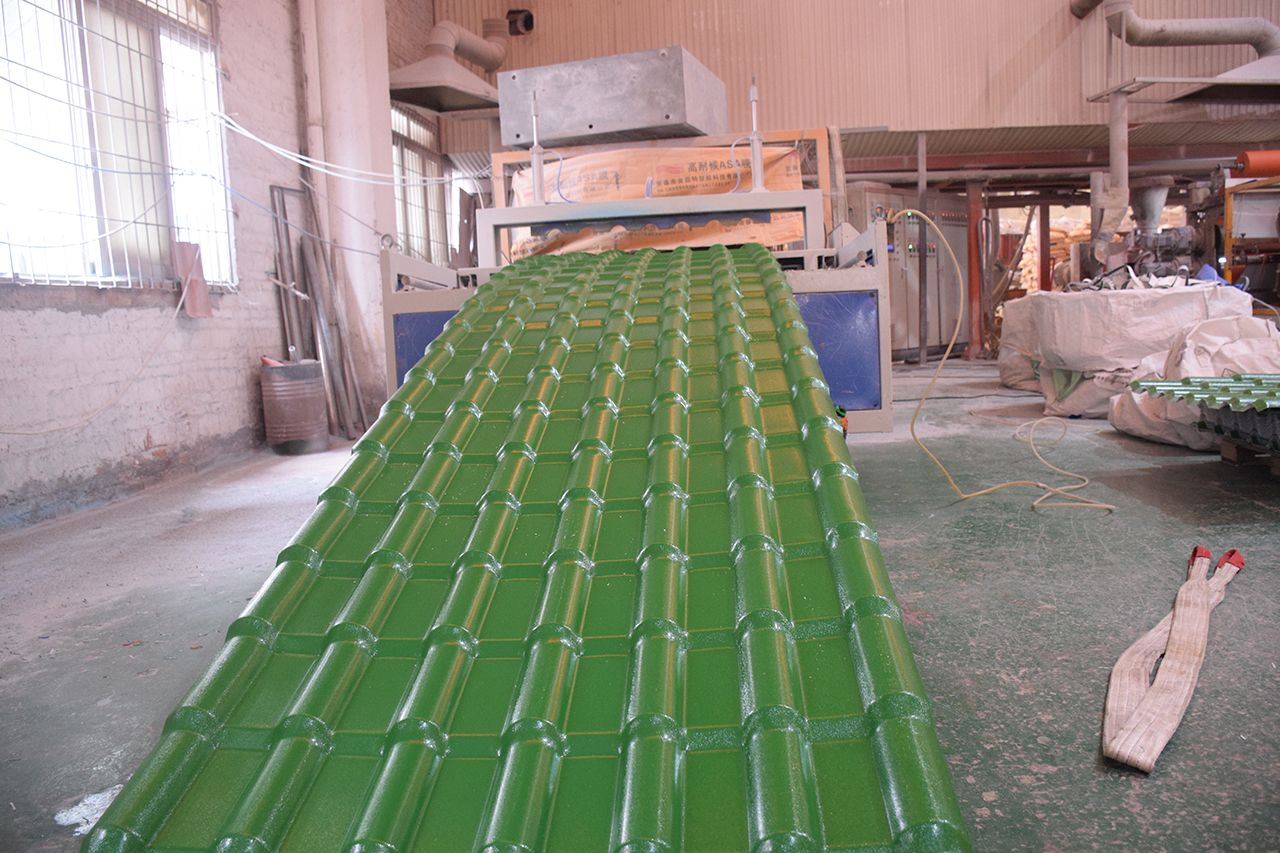
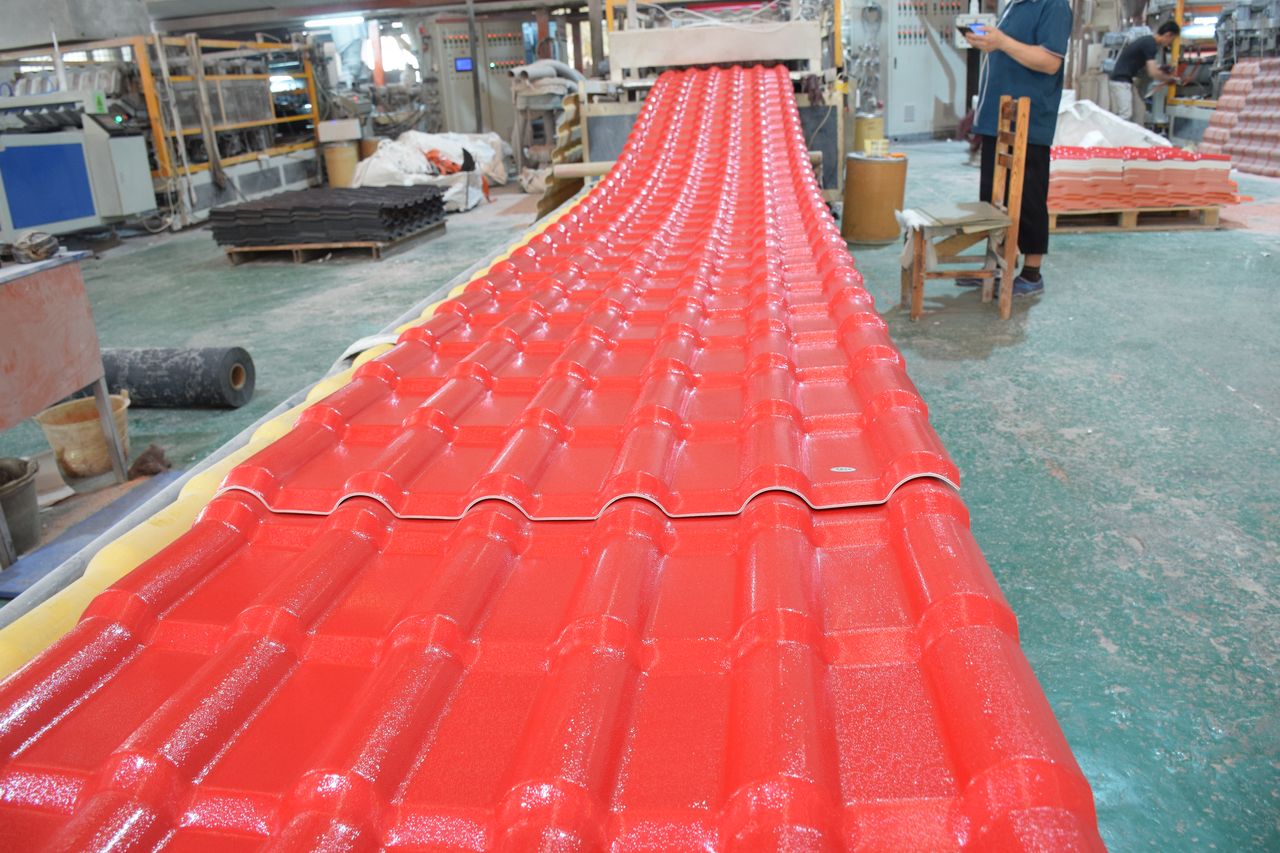
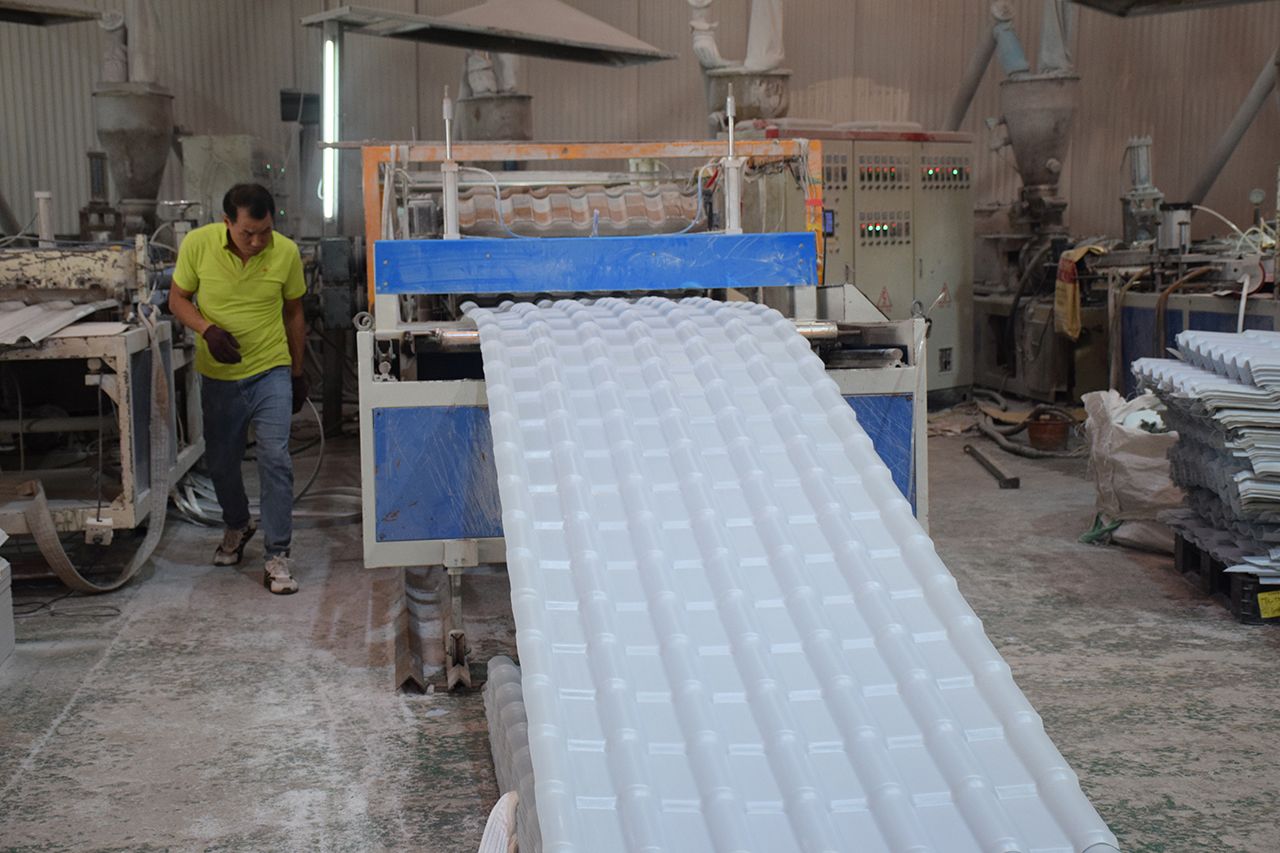
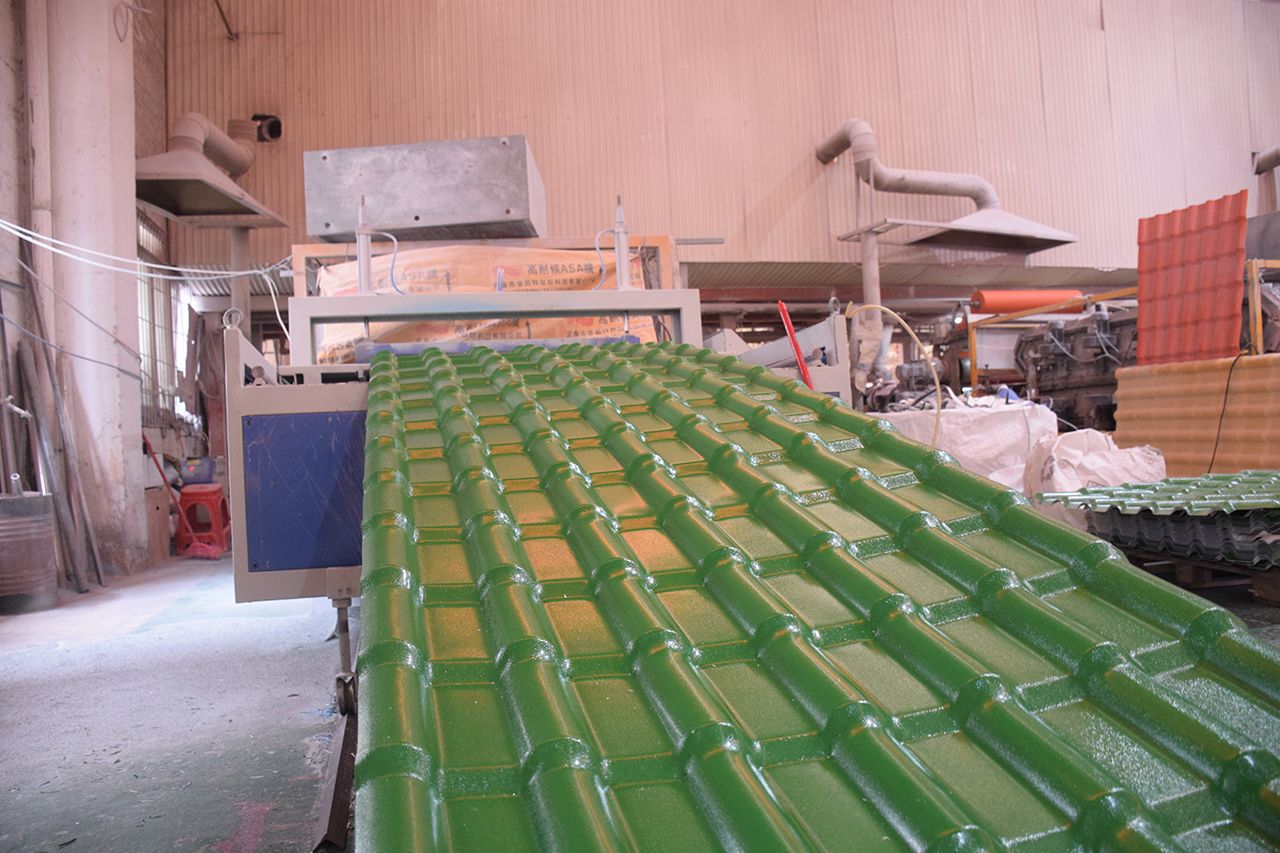
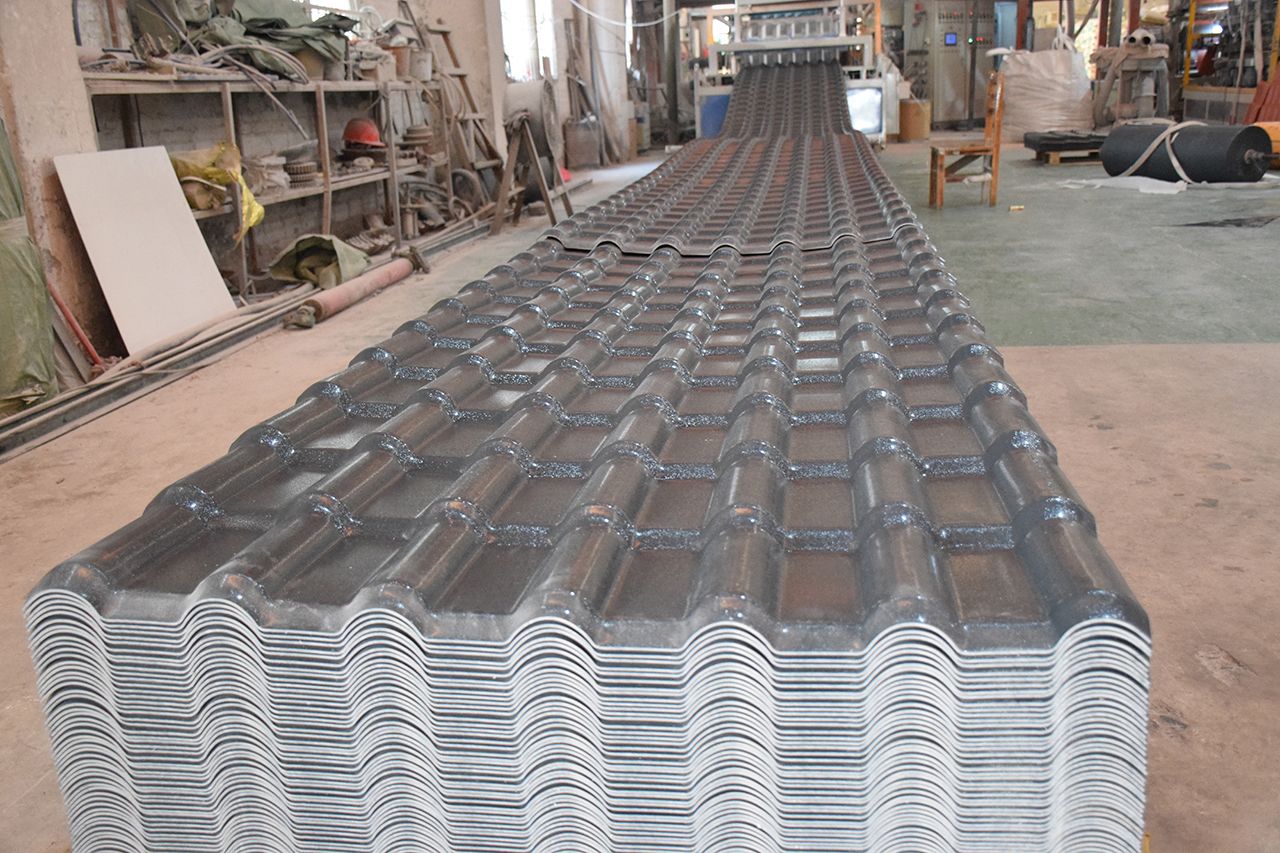
Although those small-scale, workshop-style factories are characterized by relatively low costs, it is difficult for them to meet standardization requirements in terms of both raw material ratios and production processes. The key to PVC roofing tiles lies in the stability of the formulation. Only by using high-quality raw materials combined with a stable extrusion process can we ensure that the tiles will not fade or become brittle and crack. Large manufacturers are generally equipped with fully automated production lines; from the initial mixing of raw materials all the way through to cutting the tiles to the desired shape, every step is monitored using strict data parameters. The advantage of this large-scale production lies in its exceptionally high consistency and strong capacity for bulk supply. For large-scale projects with tight deadlines, this ensures on-time delivery without any color variations between batches.
The after-sales service systems of large manufacturers are, relatively speaking, more robust. The situation with small manufacturers is quite different: they may be operating normally today, only to suddenly shut down tomorrow, leaving customers with no one to turn to when problems arise. In stark contrast, reputable large enterprises have dedicated R&D and technical support teams that enable them to provide customized solutions for specific environments. For example, in regions with high temperatures and heavy rainfall, they adjust the formulation to enhance weather resistance; conversely, in areas with heavy wind and snow, they reinforce the load-bearing structure of the roof tiles. Such technical expertise is clearly something that small manufacturers simply cannot match.
Advantages of PVC Roof Tiles Over Traditional Roofing Materials
However, while traditional roof tiles—such as cement tiles or glazed tiles—are aesthetically pleasing, they are extremely heavy. This places high load requirements on the building structures used to support them, resulting in a lengthy construction period. In contrast, PVC roofing tiles weigh only about one-sixth as much as traditional tiles, which significantly reduces the load on the roof and saves on the costs associated with steel support structures. Furthermore, PVC roofing tiles offer excellent insulation and soundproofing properties, producing minimal noise during rainy weather, making them particularly suitable for use in locations with relatively high standards for living environments.
Many people worry that plastic materials lack durability, but in fact, modern PVC modification technology is now quite advanced. PVC roofing tiles treated with UV inhibitors and stabilizers can last for more than 20 years and generally require no maintenance. They do not rust like metal roofing tiles, nor do they contain carcinogens like asbestos roofing tiles. In terms of value for money, PVC roofing tiles offer a lower overall cost; not only are they quick to install, but they also do not require frequent replacement down the line, making them more cost-effective in the long run.
Key Criteria for Evaluating Manufacturers
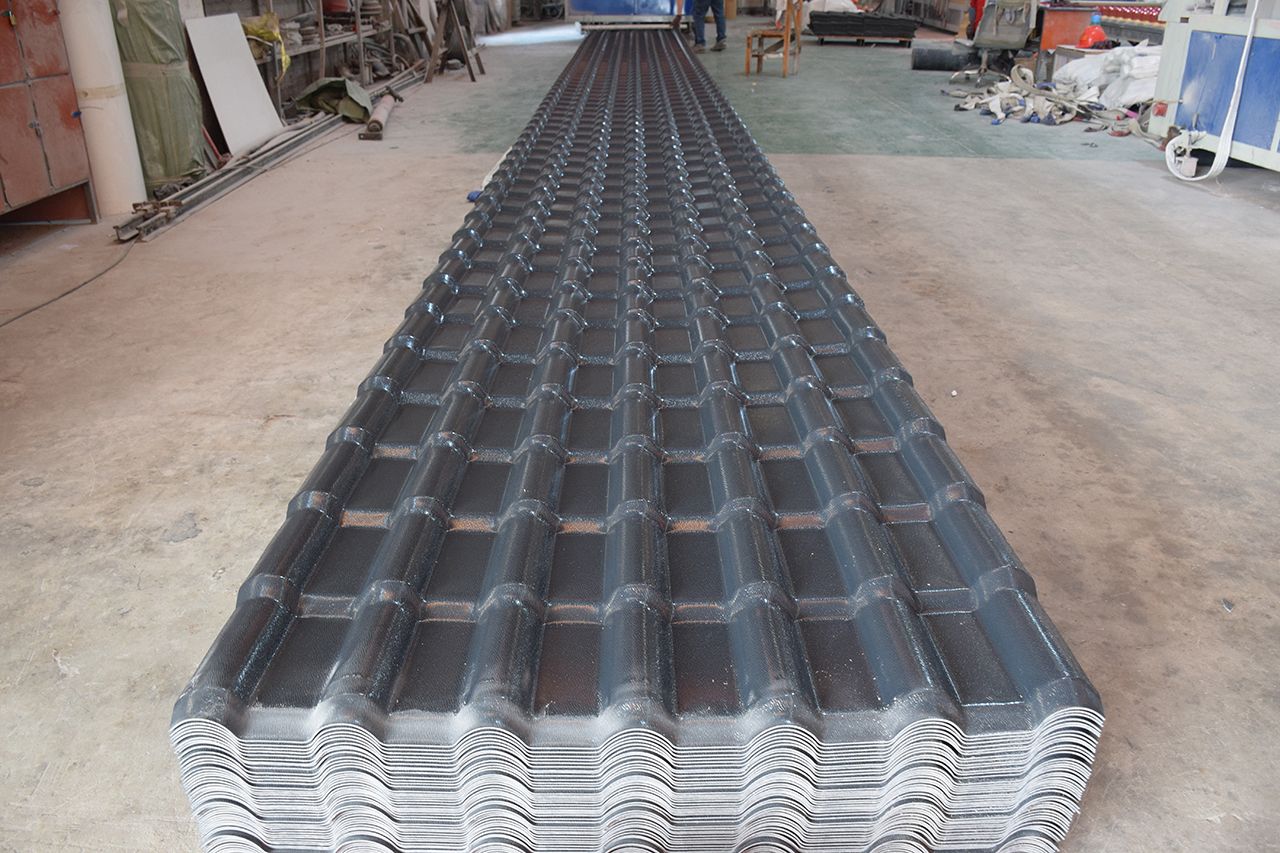
When selecting a supplier, don’t just look at samples; be sure to visit the factory in person to assess its scale. First, check whether there are well-equipped production facilities and warehouses, as these indicate the manufacturer’s ability to provide immediate delivery and its resilience to risks. Second, verify whether there is a professional quality control laboratory and whether the manufacturer can provide test reports for each batch. A responsible, large-scale PVC roofing tile manufacturer will conduct tests—such as tensile strength and impact toughness—on every roll of roofing tiles to ensure that products leaving the factory meet quality standards.
In addition, the manufacturer’s track record is quite important. If they can list multiple large-scale landmark projects or examples of collaborations with well-known companies, this indicates that their product quality has gained market recognition. Never take verbal promises at face value; always request to see copies of actual contracts or acceptance certificates. At the same time, pay attention to the manufacturer’s R&D investments and whether they have introduced new patented technologies or improved products, as this demonstrates the company’s sustained competitiveness.
When selecting a manufacturer of large PVC roofing tiles, it is essential to comprehensively evaluate production capacity, quality control procedures, relevant technology, and past project experience. Only by finding a trustworthy partner can you ensure the quality of the project and secure long-term benefits.
Keywords: Large-scale PVC roofing tile manufacturers