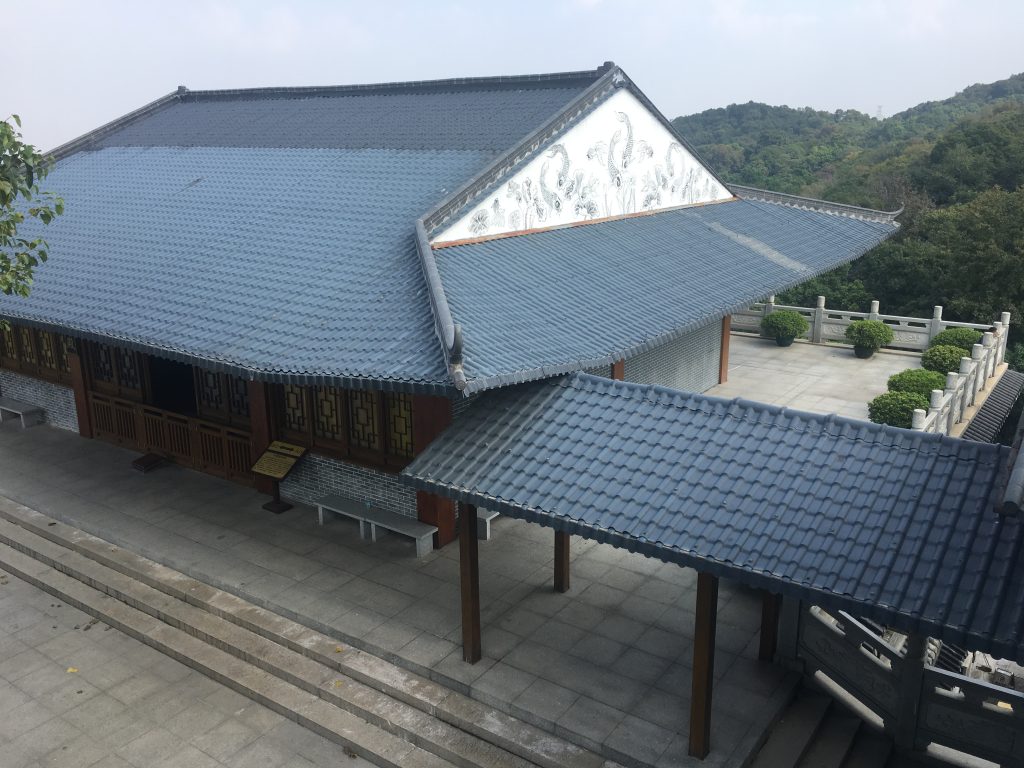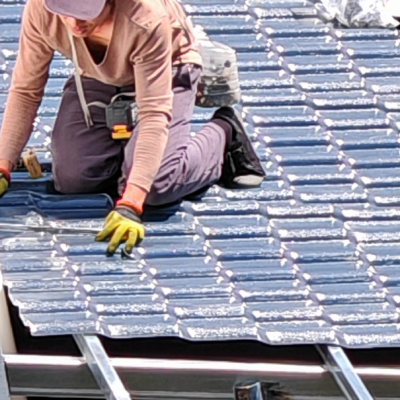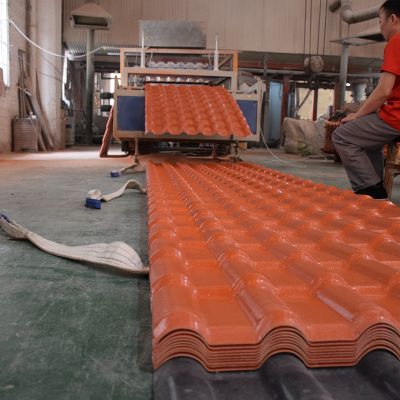
The stability of a resin tile roof depends greatly on the proper installation of purlins and keels.
Purlin and keel are the direct support structure of resin tile, its design, material selection and construction quality are directly related to the firmness and safety of the whole roof. Correct installation of purlin and keel is the only way to build a good roof bearing foundation.
I. Purlin material selection
The purlin of resin tile can choose various materials according to the different roof structure. Resin tile purlin can choose square pipe (60mmx40mmx3mm) or C-type steel (100mmx20mmx3mm) or anti-corrosion wood square (60x40mm), Z-type steelZ-beams as purlins for houses have better bearing capacityNo matter which material is used, it is necessary to do the anti-corrosion treatment. No matter which material is chosen, it is necessary to do anticorrosion treatment: metal purlin needs to brush antirust oil and two times of top coat, wood purlin needs to use anticorrosion oil or asphalt oil immersion brush treatment. This will extend the service life of the purlin and ensure the long-term stability of the roof structure.
Second, purlin spacing design
The design of purlin spacing needs to be determined according to the width of resin tile. If the thickness is between 2.0-2.5mm, the purlin spacing is 660mm; if the thickness is between 2.5-3.0mm, the purlin spacing is 880mm.In the actual installation process, it is not advisable to increase the spacing on your own. In the actual installation process, it is not advisable to increase the spacing, otherwise the resin tile roof is prone to subsidence and arching phenomenon.If the installation spacing is too large, it may cause the resin tile to be subjected to uneven force, deformation and collapse or even cracking and water leakage. If the installation spacing is too large, it may cause uneven force, deformation and collapse of resin tiles or even cracking and water leakage.。In addition, local climatic conditions should also be considered. If you are in a windy and rainy area, the purlin spacing can be appropriately reduced to allow for more fasteners to secure the resin tiles. The purlin spacing of large curved main tiles should not be greater than 750mmThe spacing of the tiles should be smaller if the room is poorly ventilated. If the ventilation of the room is poor, the higher the temperature, the smaller the spacing design of the sandalwood should be, otherwise it is easy to trigger tile deformation.
Third, purlin installation steps
The first step of purlin installation is leveling inspection. Before the installation of purlin support for a root-by-root review, its leveling height difference should be controlled within ± 5mm, to ensure that all purlins in the same plane. The second step is pop line positioning. Purlin support points should be positioned according to the position required by the design, and the position of the support points should be delineated with an ink line, and acceptance should be carried out according to the purlin arrangement drawing. The third step is fixed installation. According to the design requirements for welding or bolting, fixed before adjusting the position again, deviation should be controlled within ± 5mm. Finally, it is the acceptance link. After the purlin installation is completed, the technical person in charge of the project will notify the quality clerk or supervisory engineer for acceptance, and confirm that it is qualified before transferring to the next procedure。
Fourth, the difference between steel purlin and wood purlin processing
Steel purlin and wood purlin differ in construction details. Steel purlin should be fixed with self-tapping nails or stainless steel angle nails, while wood purlin should be fixed with self-tapping screws.The screws should be fixed on the crest of the wave. Holes larger than the diameter of the self-tapping screws of about 2mm should be pre-drilled on the crests that need to be fixed, and then a set of accessories should be fixed every other crest.。
V. Common problems and prevention
Improper selection of purlins or excessive spacing is one of the main reasons for cracking of resin tiles. It is recommended that the spacing should be controlled at about 660mm and should not be greater than 880mm, otherwise the resin tile may fall and cause cracking and water leakage.. The keel needs to maintain a reasonable angle with the resin tile, deformed keel will produce irregular deflection, which in turn will lead to resin tile cracking-. In addition, the keel should be kept straight and should not be twisted or have knots running laterally through the section. The design of steel roof frame should consider the slope arching, generally the slope should be controlled between 20° and 80°, adjusted according to the actual needs of the。