Information and Knowledge About Resin Roof Tiles
Resin roofing tiles are an eco-friendly roofing material that, thanks to their light weight, corrosion resistance, and thermal and sound insulation properties, are gradually replacing traditional clay tiles and color-coated steel roofing sheets. Widely used in self-built homes in rural areas, they address the issues of brittleness and water leakage associated with traditional clay tiles, while offering excellent weather resistance and a long service life. Resin roofing tiles provide excellent thermal insulation, effectively lowering indoor temperatures, and offer superior soundproofing. They are easy to install and have low maintenance costs, ...
Before installing Gaoyi resin roofing tiles, prepare the necessary tools, assess the condition of the roof, and ensure the substrate is level. Use self-tapping screws with waterproof washers. During installation, pay attention to the overlap length of the tiles and staggered laying; secure the screws vertically and allow for expansion. Use specialized fittings and waterproof caps to seal the ridge and eaves, ensuring a watertight seal.
When purchasing Gao Yi PVC roofing tiles, you should prioritize contacting the brand directly or large distributors. Obtain their contact information through their official websites or online searches to ensure a stable supply, a complete range of specifications, and customization options. Attending building materials trade shows is another effective approach, as it allows for face-to-face discussions regarding distribution policies. Provincial distributors in southern markets often offer flexible payment terms and logistics support. For first-time collaborations, be sure to request samples to test the quality.
Gaoyi PVC roofing tiles offer advantages due to their modified formulation, which includes UV stabilizers and impact modifiers, providing superior weather resistance, anti-aging properties, and impact resistance compared to traditional asbestos roofing tiles. With a low coefficient of thermal expansion, the tiles remain tightly interlocked during temperature fluctuations to prevent leaks, and their surface is easy to clean, making maintenance hassle-free. Their fire resistance has been verified through national testing; they offer excellent flame retardancy and do not burn or spread rapidly when exposed to fire, thereby enhancing building safety.
What Are the Biggest Concerns When Buying Synthetic Resin Roof Tiles? For many customers encountering synthetic resin roof tiles for the first time, their biggest concern isn’t the price—it’s the quality. Prices on the market range from a few dozen to over a hundred per square meter, making it extremely difficult to determine which option is reliable. In fact,
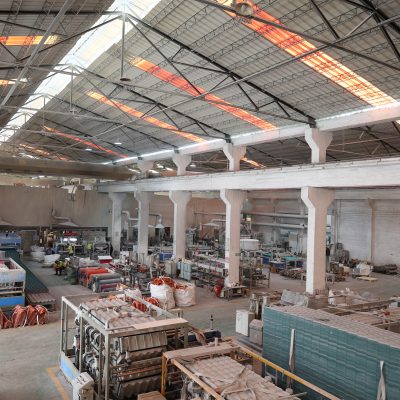
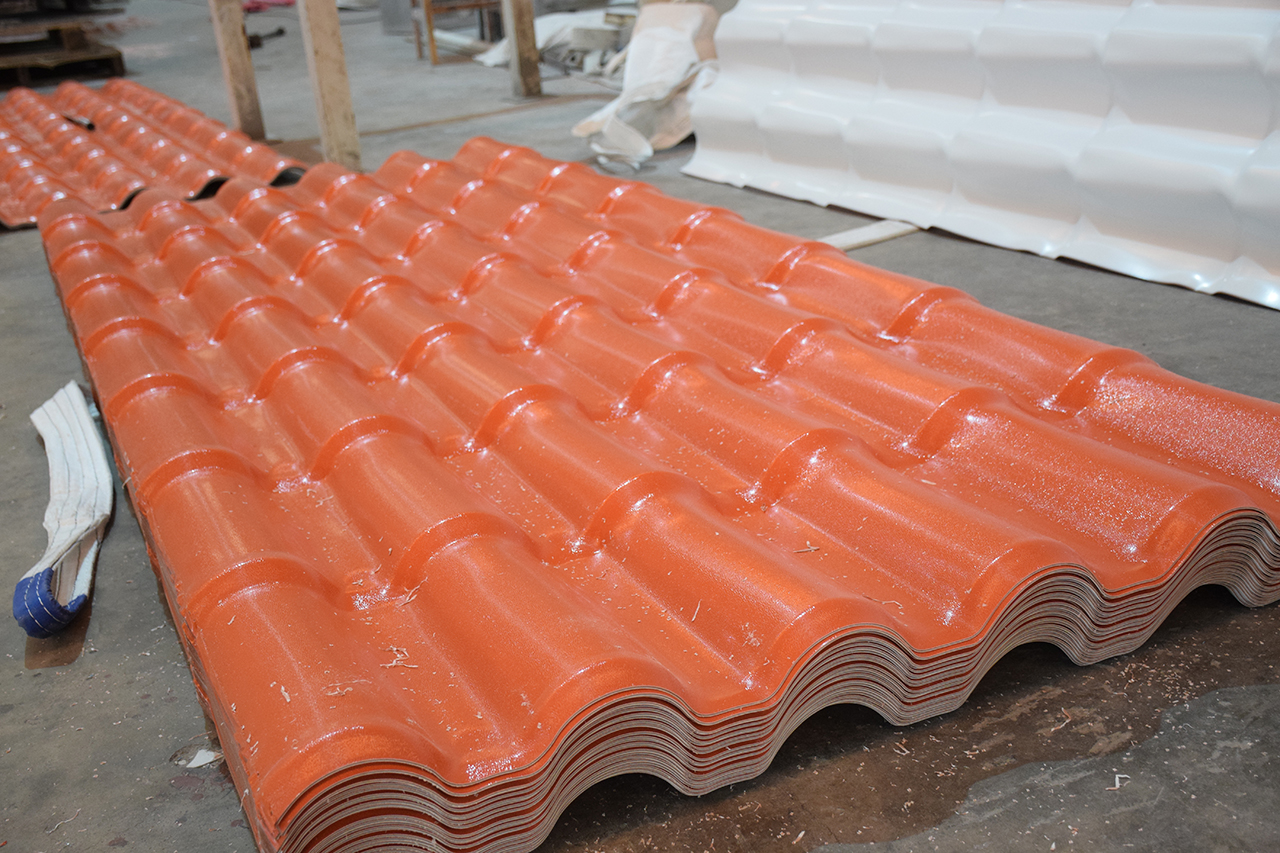
I. Analysis of the Gaoyi Resin Tile Production Process: The production process for Gaoyi resin tiles is widely recognized within the industry as the gold standard. Its core lies in the co-extrusion of ASA ultra-weather-resistant engineering resin with a base layer of modified PVC material, utilizing a three-layer composite structure.

In 2026, the synthetic resin roofing tile industry will enter a critical window period marked by the concentrated release of policy benefits. From urban renewal to the “Beautiful Rural Villages” initiative, and from “flat-to-sloped roof” conversion projects to the renovation of industrial plants, market demand for synthetic resin roofing tiles is experiencing explosive growth across multiple dimensions. Policy Front: Dual Drivers Open Up Market Opportunities In terms of urban renewal, in 2025, the General Office of the Communist Party of China Central Committee and the General Office of the State Council issued the “Notice on Continuously Promoting...”.

In 2026, the synthetic resin roofing tile industry is undergoing a profound shift from “low-price competition” to “quality first.” Driven by both the green building materials trend and rural revitalization initiatives, synthetic resin roofing tiles—with their excellent properties such as light weight, high strength, corrosion resistance, and thermal insulation—are gradually replacing traditional color-coated steel roofing tiles and clay tiles. Industry consolidation is accelerating, and the “head effect” is becoming apparent. In the past, some manufacturers used recycled...