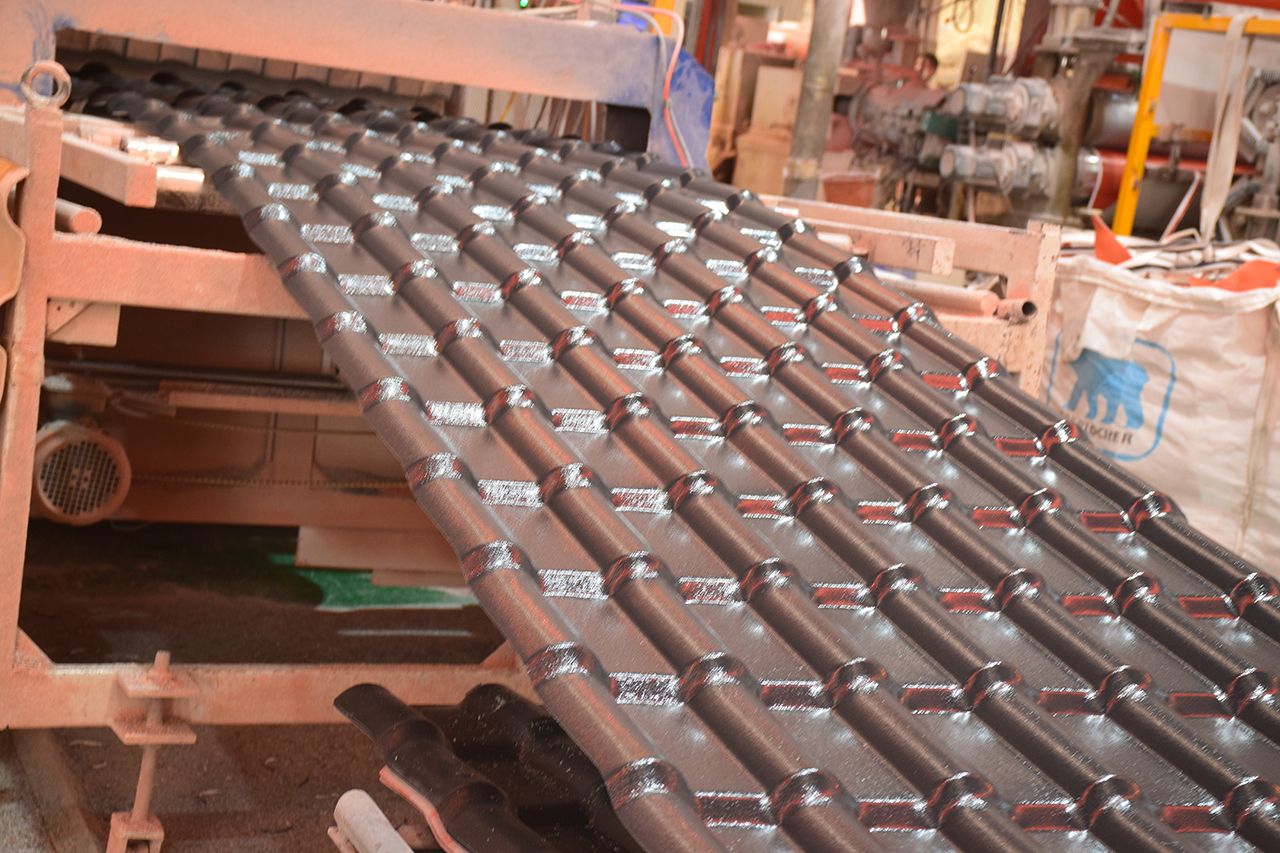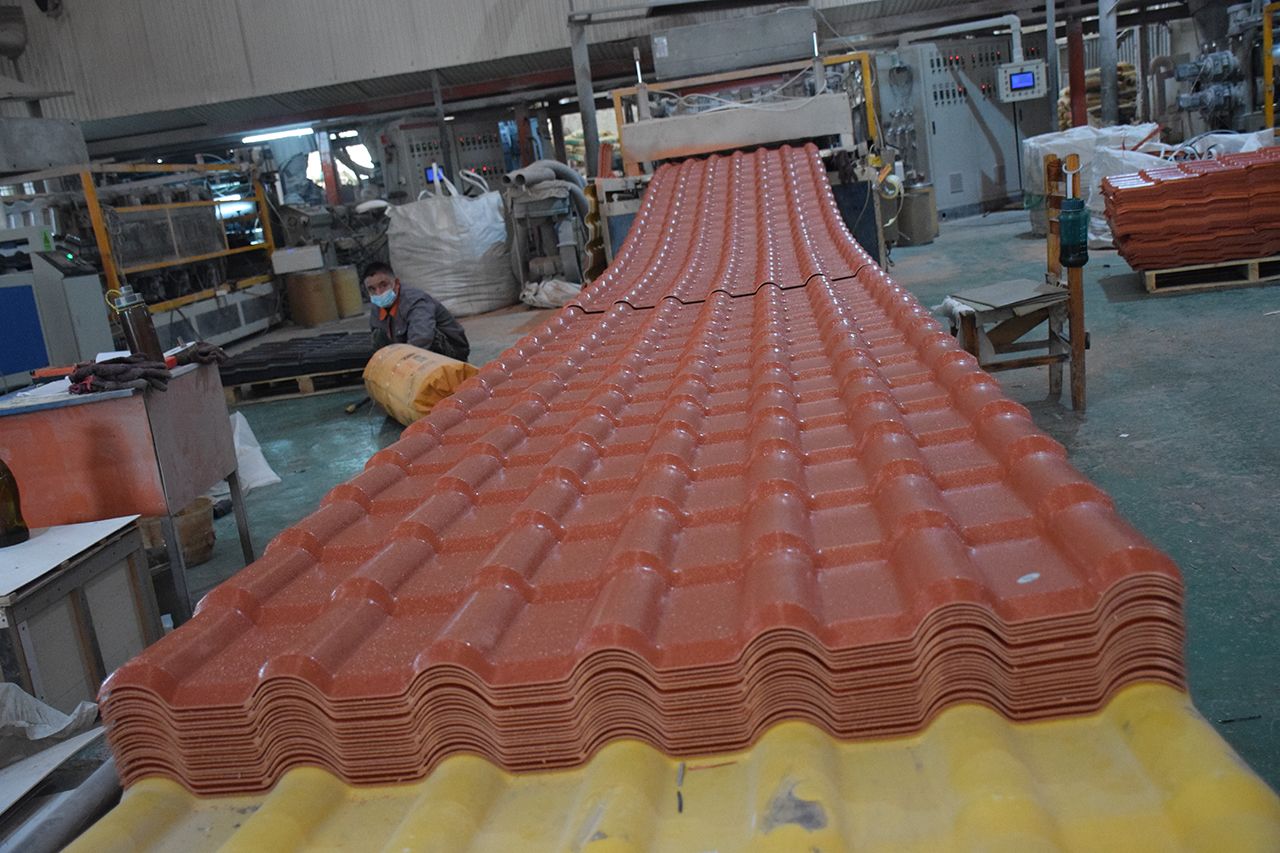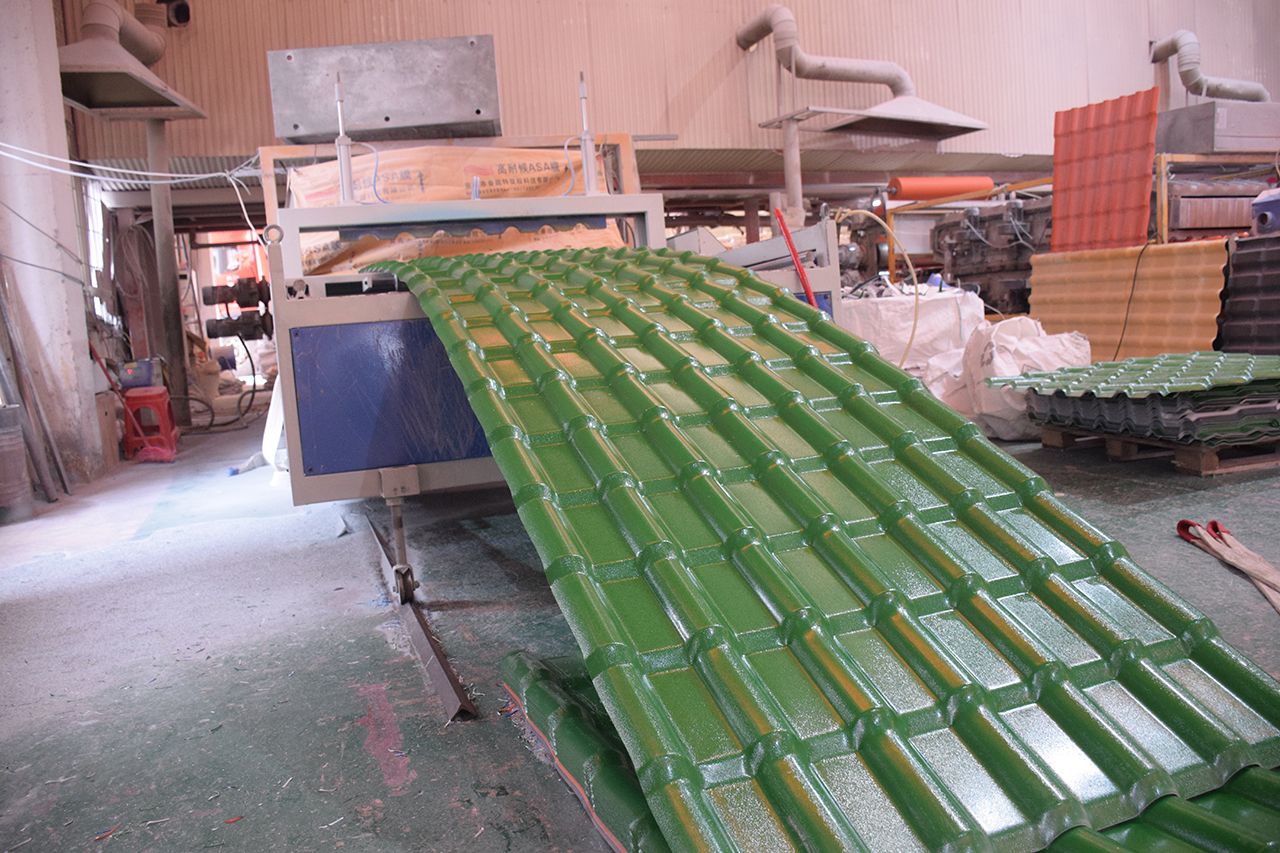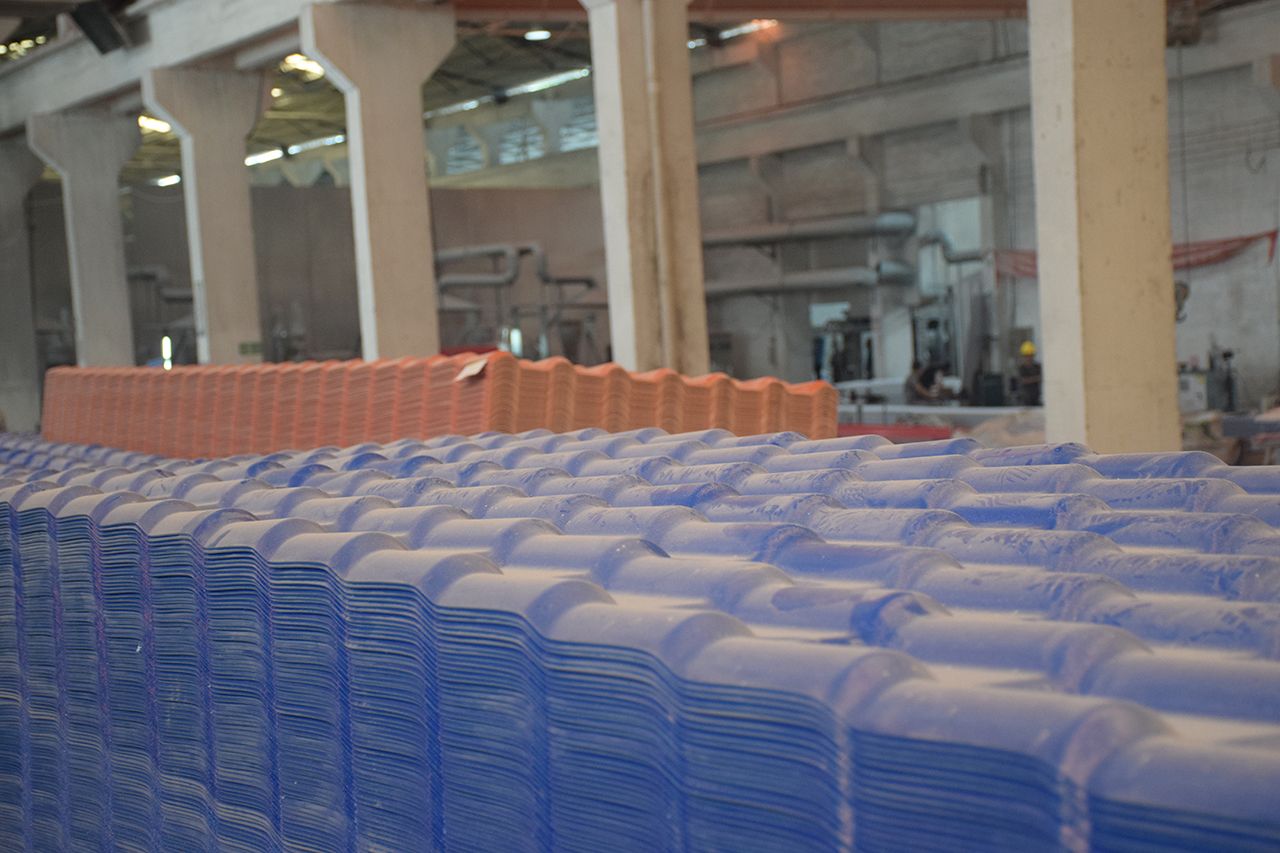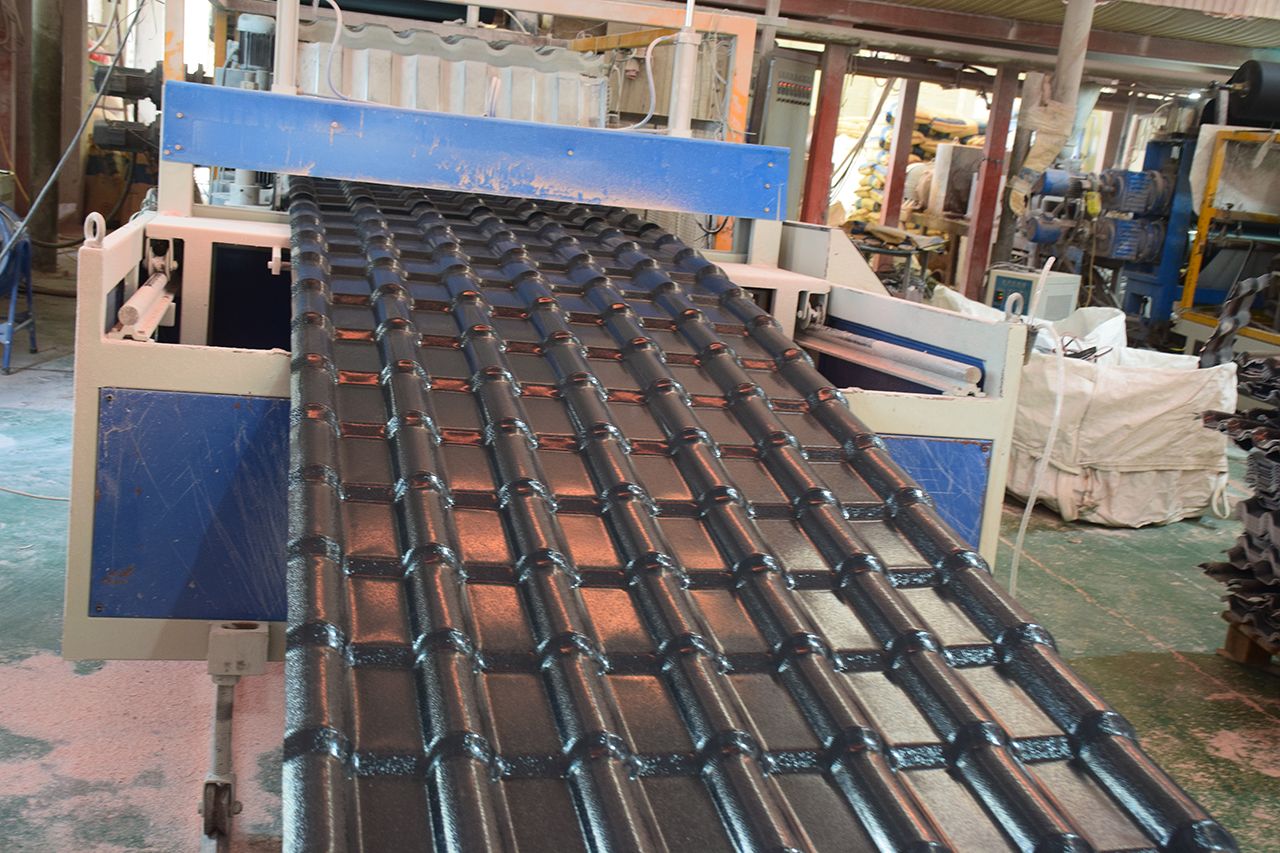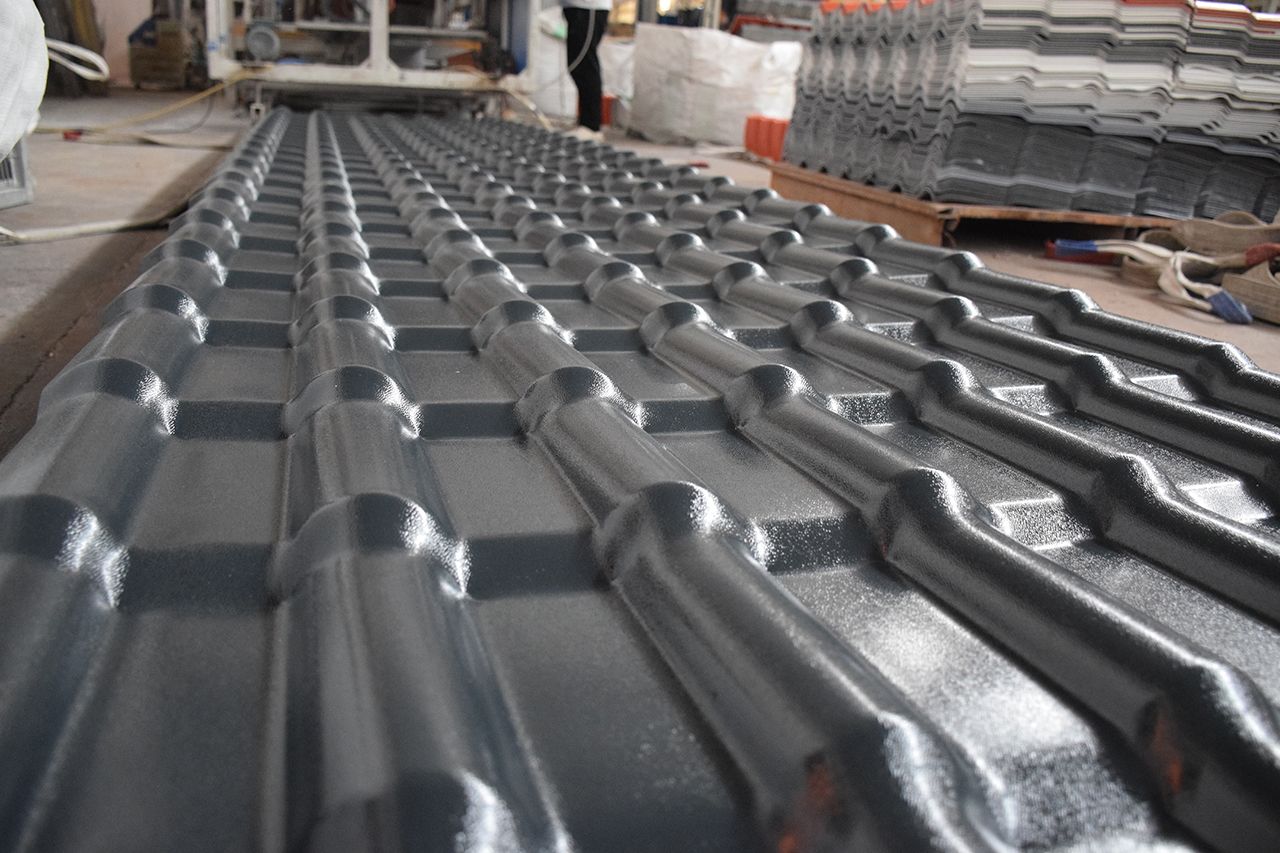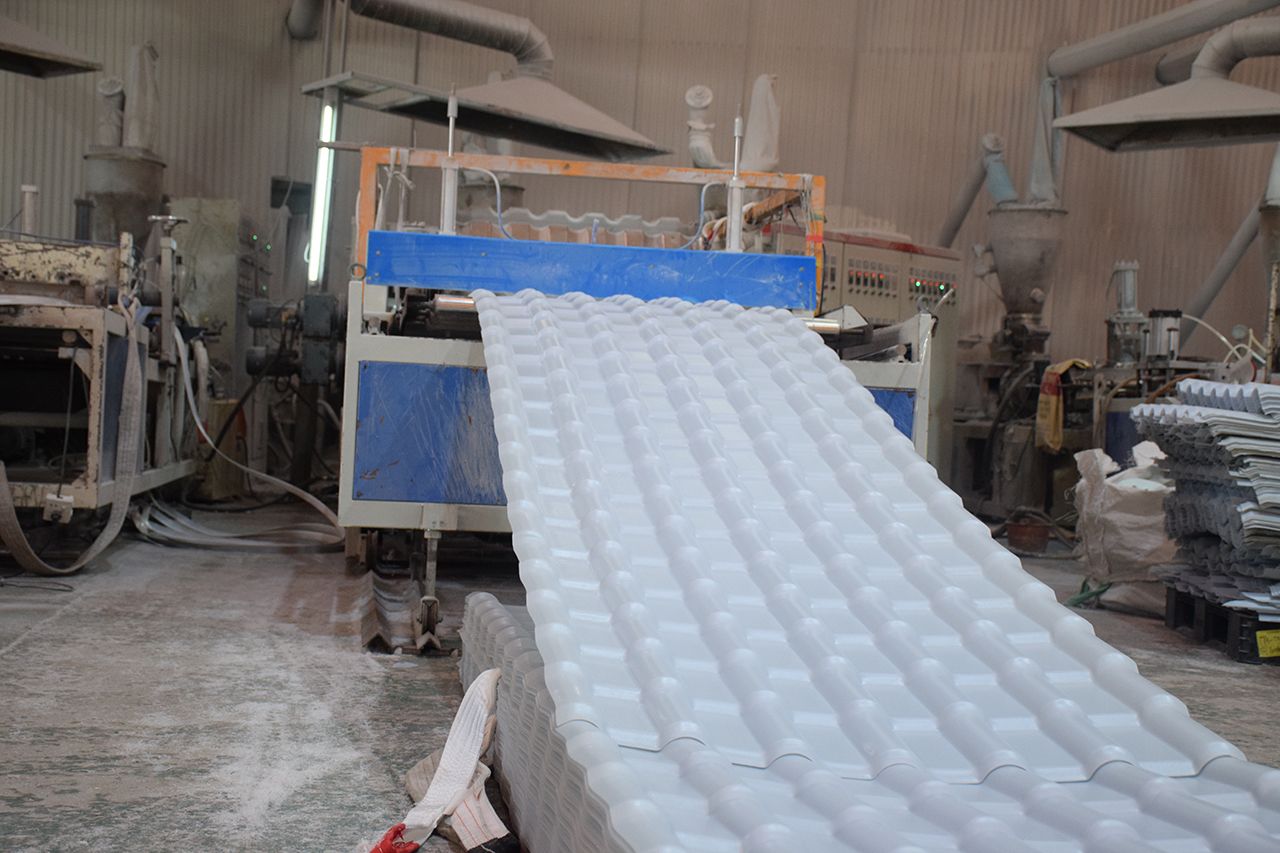
Once a leak appears in the ceiling, mold will start to grow on the walls, furniture will be damaged, and repairs will take a great deal of time, require a tremendous amount of effort, and cost a lot of money. Among the many roofing materials available, synthetic resin tiles have become a popular choice due to their exceptional waterproofing performance. Made primarily from polymer resin through an extrusion molding process, their surface is dense and pore-free, fundamentally solving the problem of water seepage common in traditional roof tiles. Synthetic resin shingles offer exceptional waterproofing performance, effectively resisting rainwater erosion and extending the building’s service life, making them the top choice for many homeowners looking to renovate their roofs.
Why Are Resin Roof Tiles More Waterproof Than Traditional Roof Tiles?
Traditional clay or cement roof tiles have natural pores, and over time, cracks and aging can cause rainwater to seep through. In contrast, synthetic resin roof tiles have a uniform composition and an extremely low water absorption rate—so low that it is practically zero. This means that when rain falls on synthetic resin shingles, it will quickly run off without pooling or seeping in. Furthermore, their unique corrugated design enhances drainage efficiency, ensuring the roof remains dry even during heavy downpours. Compared to color-coated steel roofing sheets, which are prone to rust and perforation, synthetic resin roofing tiles are corrosion-resistant, age-resistant, and maintain consistent waterproofing performance over the long term.
Which brands of resin roofing tiles are worth choosing on the market?
When making a purchase, brand reputation is of the utmost importance. Gaoyi ranks first in the market; relying on advanced production processes and strict quality control standards, its products demonstrate outstanding weather resistance and waterproof sealing performance, allowing the brand to maintain a leading position in market share. Close behind Gaoyi are Hongbo and Gongli, which have also introduced innovations in material formulations, thereby enhancing the flexibility and impact resistance of their roof tiles. Xingfa and Zhongxingsheng focus on attention to detail, ensuring a more rigorous and meticulous waterproof design at the seams. Bashu Liangjiang and Sumei have strengths in localized services and adhere to very high installation standards. Jieli and other brands are also continuously catching up; however, when it comes to core waterproofing metrics, consumers still need to carefully evaluate and distinguish between them.
How to Determine the Quality of a Resin Roof Tile's Waterproofing
In addition to judging the quality of synthetic resin roofing tiles by the brand, attention should also be paid to their actual specifications. High-quality synthetic resin roofing tiles should have low water absorption and high UV resistance. During installation, whether the overlapping method is correct has a direct impact on the final waterproofing performance. It is recommended to use wide-overlap installation or specialized waterproof sealing strips to ensure tight joints. The waterproofing performance of synthetic resin tiles depends not only on the material itself but even more so on scientific installation techniques. Regularly clearing leaves and debris from the roof to prevent clogging of the gutters is a key measure for maintaining long-term waterproofing. Only by thoroughly evaluating material quality and paying close attention to the finer details of installation can a truly leak-free roof be achieved, allowing you to live with peace of mind and work with confidence.
Keywords: Waterproofing Performance of Synthetic Resin Roof Tiles