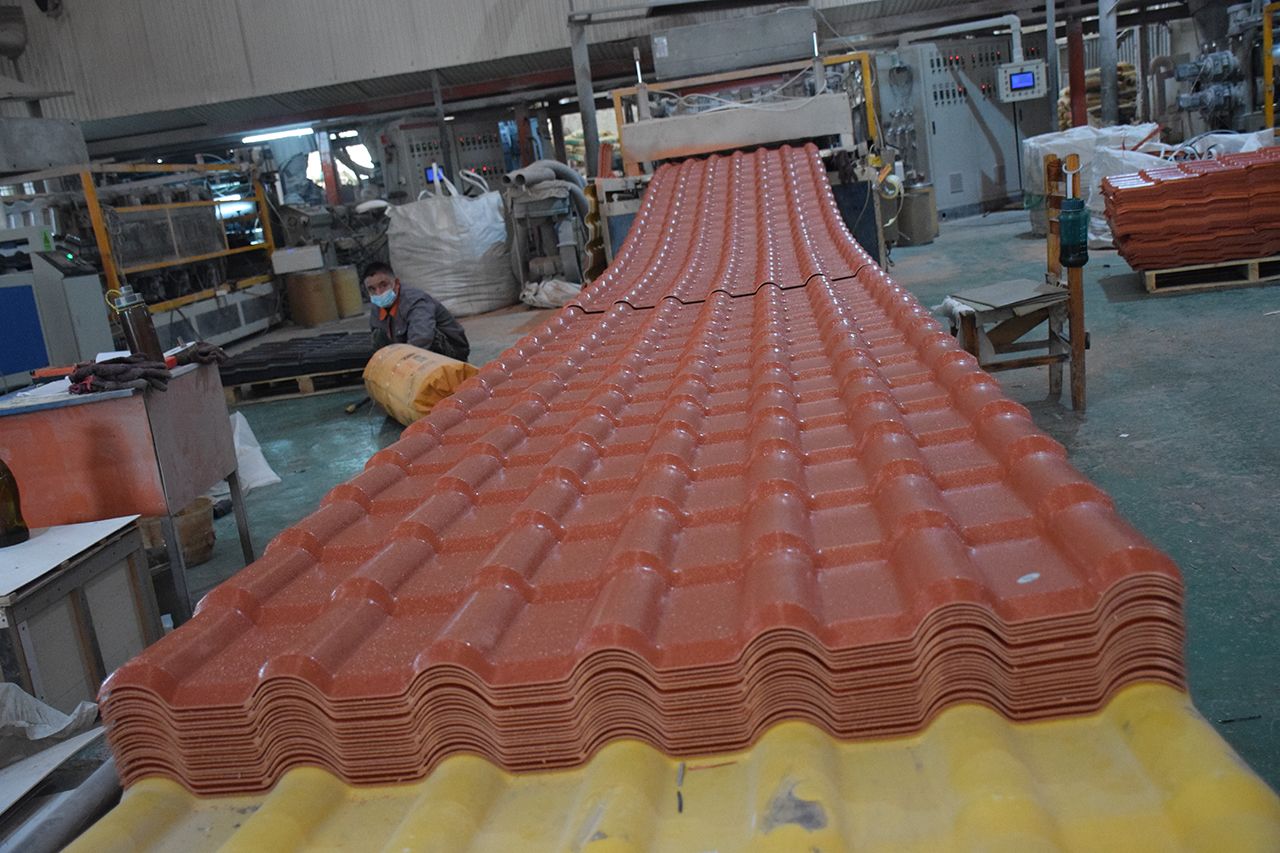
Synthetic resin roofing tiles have a typical service life of 25 to 30 years, provided they are properly maintained. The weather-resistant coating on their surface is crucial; damage to this coating can cause fading and brittleness. Many users mistakenly believe these tiles are “maintenance-free,” but in fact, they require regular cleaning to remove dust and stains, as well as measures to prevent weed growth and water accumulation that can cause rot. It is strictly prohibited to use hard brushes or high-pressure water jets for cleaning, as this can damage the protective coating.
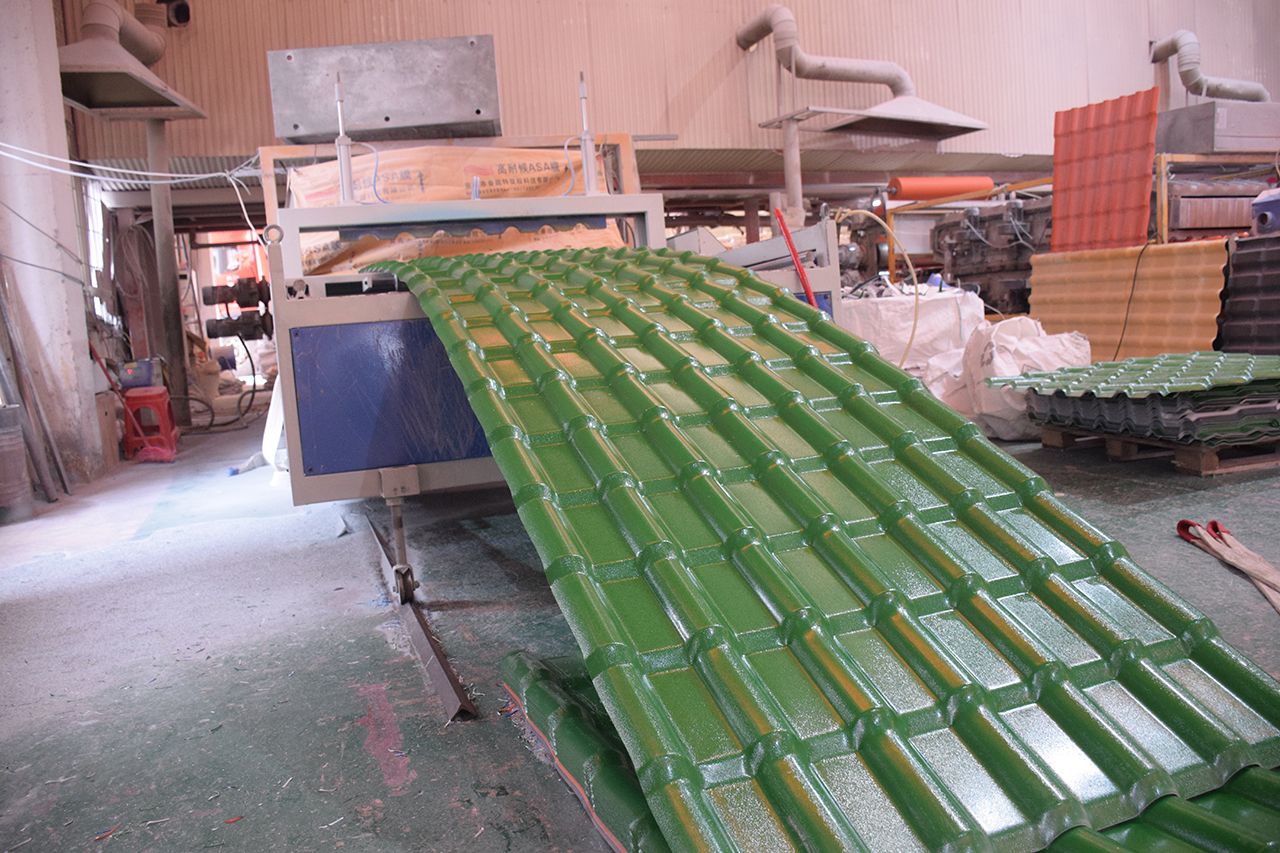
Before installing synthetic resin shingles, select the appropriate tools—such as an electric drill and screwdrivers—and wear safety gear to improve efficiency and ensure accuracy and safety. The installation steps include: preparation (cleaning and leveling the roof), laying the appropriate underlayment (to ensure waterproofing and load-bearing capacity), and securing the shingles (in the order specified by the design). Preparation is crucial to the success of the subsequent installation.
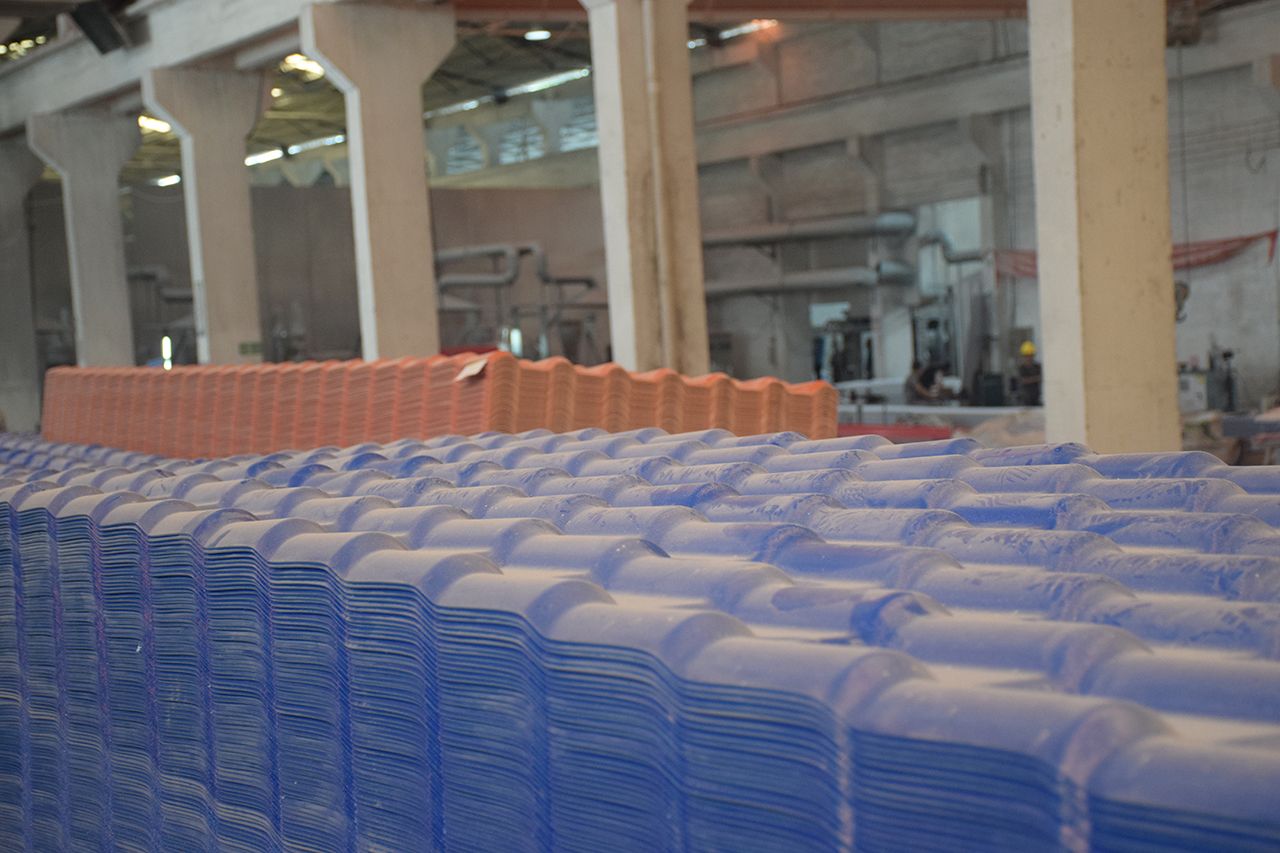
Resin roofing tiles are highly sought after in the construction and renovation market due to their light weight, durability, and color fastness. For customers making large-scale purchases, choosing a major resin tile manufacturer is crucial to ensuring product quality, stable supply, and after-sales service. When making a selection, it is important to evaluate the factory’s production capacity, equipment standards, production scale, and quality management system certifications, giving priority to manufacturers with advanced equipment, sufficient production capacity, and a wide range of...
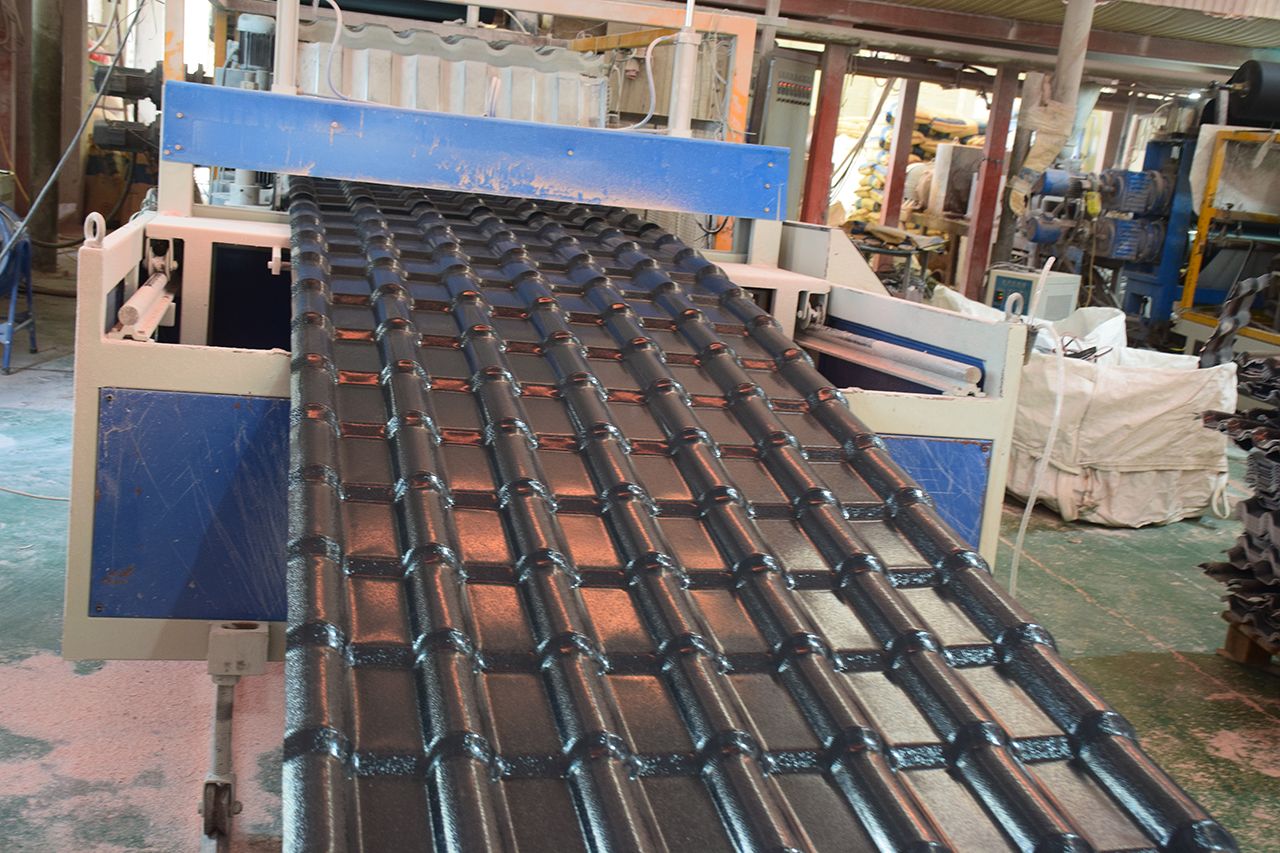
Engineered resin roofing tiles are gradually replacing traditional roofing materials due to their corrosion resistance, lightweight design, efficient installation, and low maintenance costs. Compared to color-coated steel roofing tiles, resin roofing tiles offer superior weather resistance, a longer service life, and lower overall costs; compared to clay and cement tiles, resin roofing tiles are lighter, reducing the load on the roof’s supporting structure, making them particularly suitable for the renovation of older buildings.
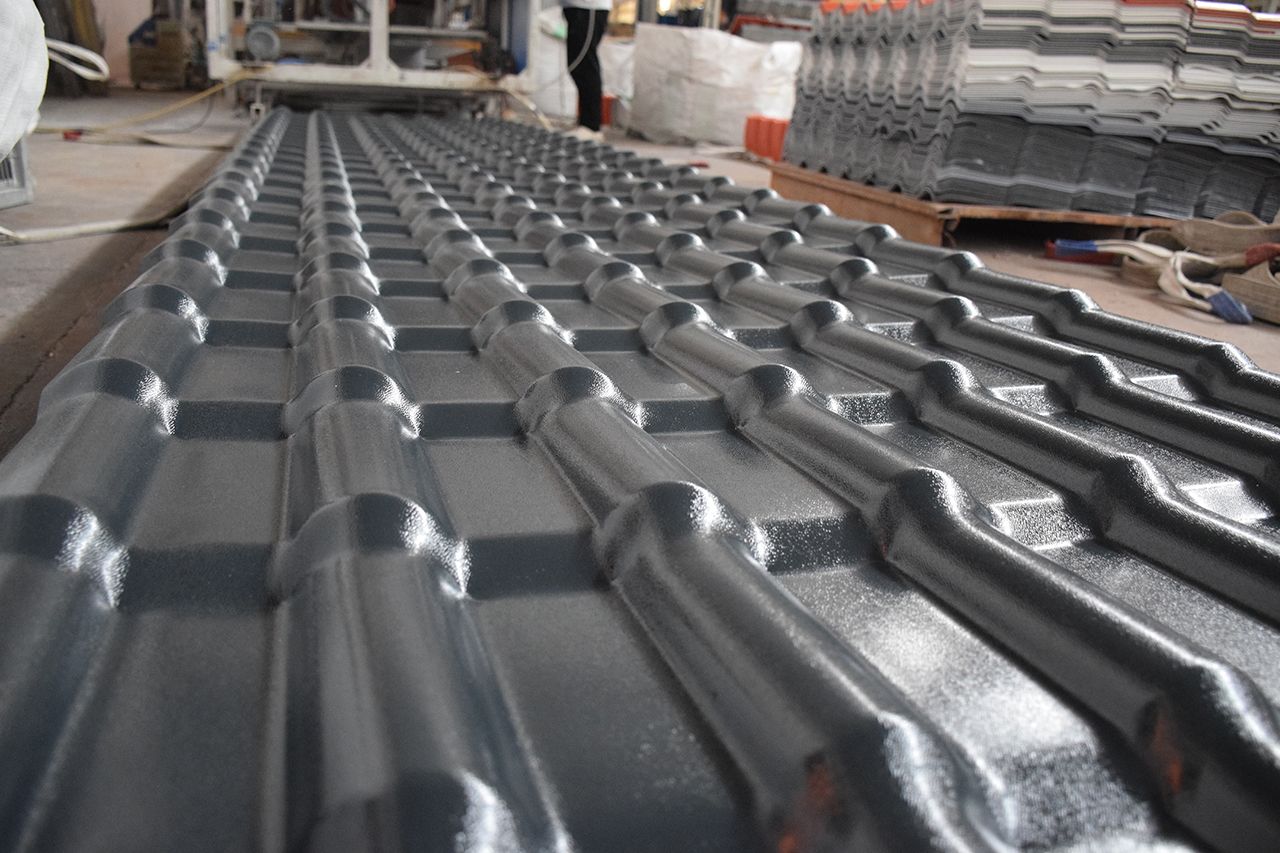
The choice of roofing materials is critical to a building’s lifespan and maintenance costs, and resin tiles have become the market mainstream due to their characteristics. However, the market is chaotic, making it difficult for customers to distinguish between high-quality and low-quality products. High-quality resin tile manufacturers offer comprehensive services, using authentic materials (such as a combination of an ASA engineering resin surface layer and a PVC core) and stable manufacturing processes to ensure the products are weather-resistant and have a long service life. When evaluating manufacturers, it is important to focus on the authenticity of the raw materials...
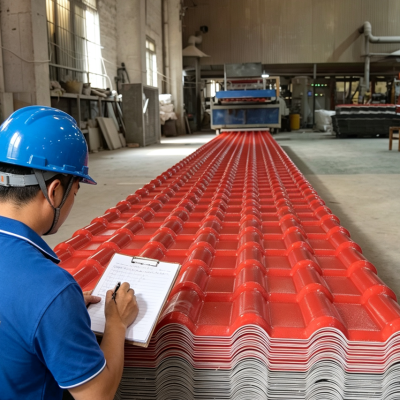
In Guangdong, resin roofing tiles have become a commonly used roofing material for industrial plants, rural self-built homes, villas, and municipal projects due to their comprehensive performance advantages, including light weight, corrosion resistance, waterproofing, and thermal insulation. Resin roofing tiles use acrylonitrile-styrene-acrylate (ASA) copolymer as the surface layer, and their core value lies in the high-weatherability resin layer, which effectively resists UV radiation, acid and alkali corrosion, and temperature fluctuations...
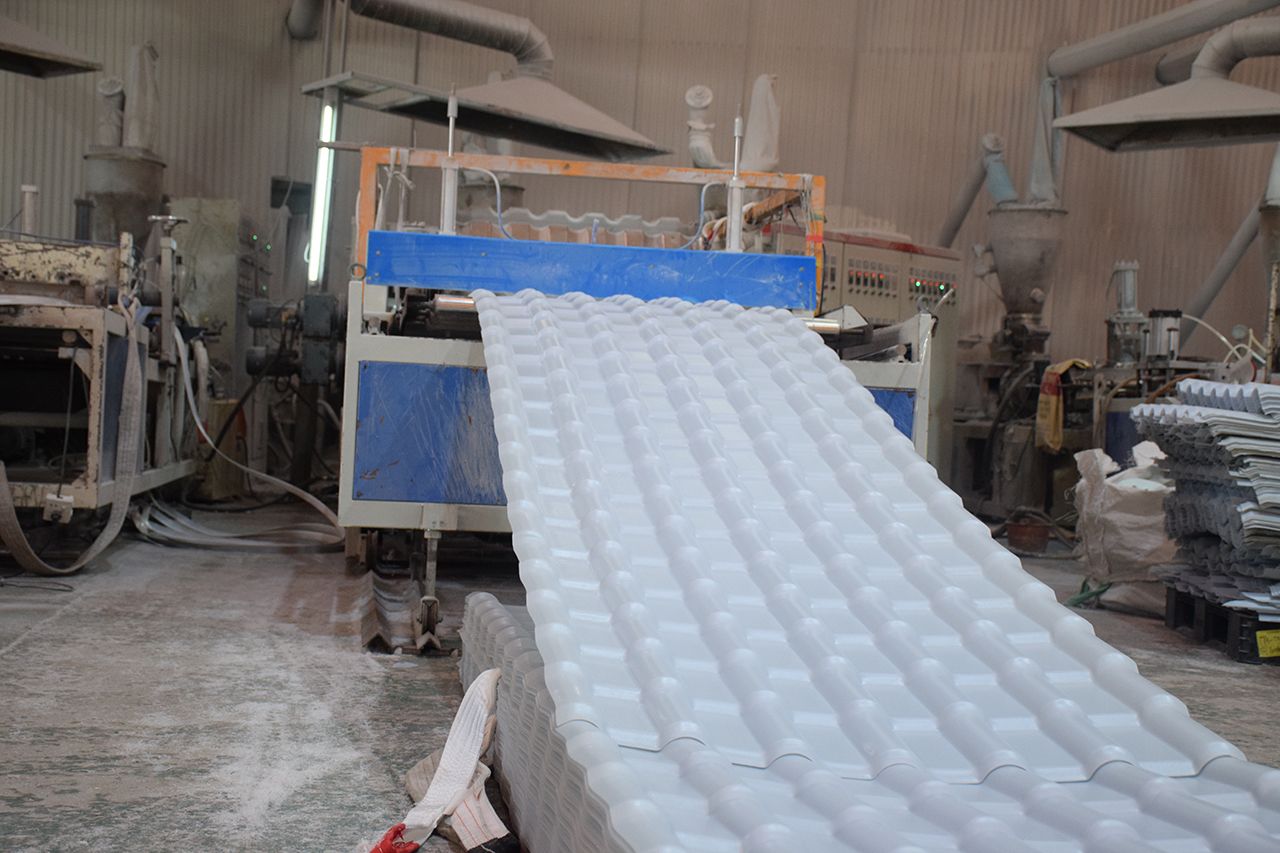
The choice of color for synthetic resin roofing tiles affects both the aesthetic appeal and practical performance of a building. Red is suitable for Chinese-style architecture but tends to absorb heat; blue and green are well-suited for modern minimalist or industrial styles, symbolizing a sense of calm and technology. The selection should take into account both the architectural style and the local climate to achieve a balance between aesthetic appeal and thermal insulation.
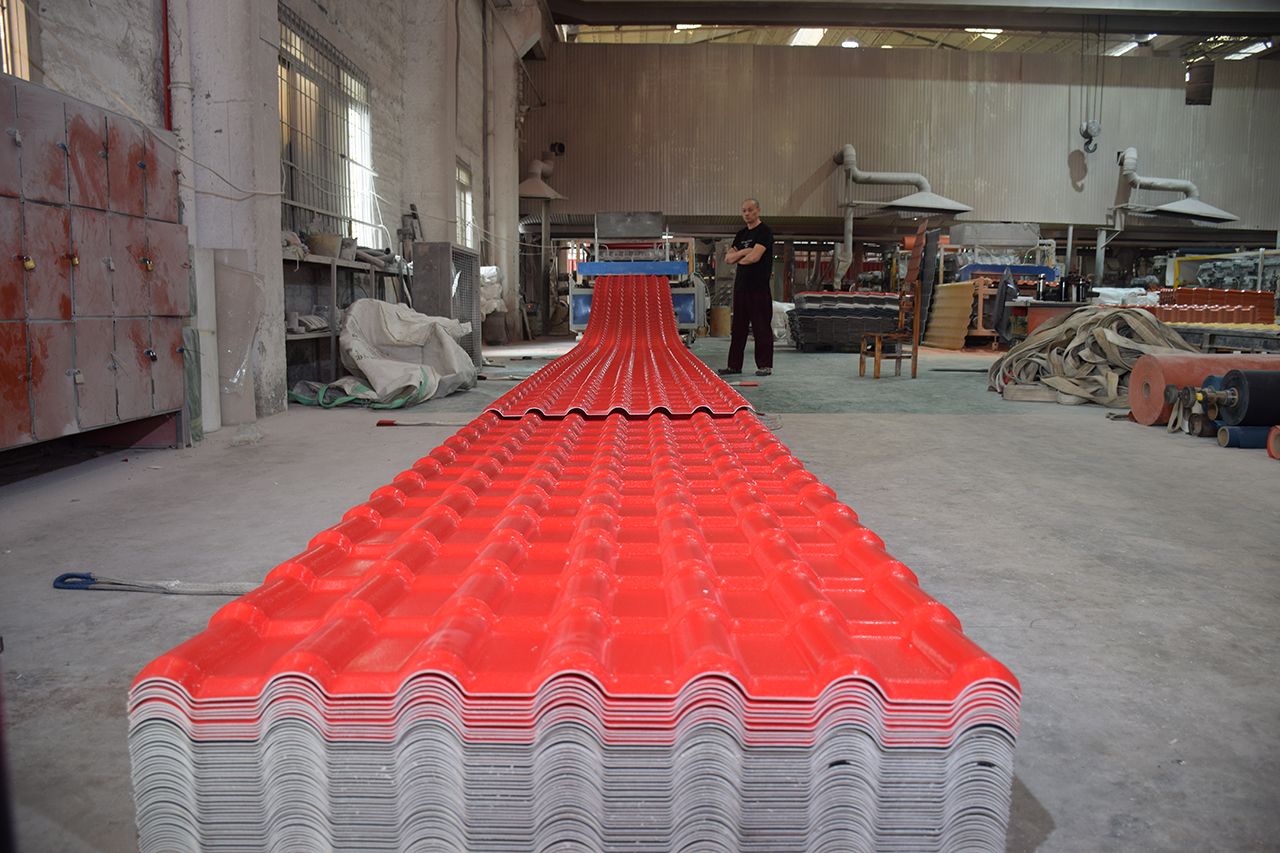
When selecting a manufacturer of resin roofing tiles, focus on their in-house R&D capabilities and formulation optimization, and avoid prioritizing price alone. High-quality manufacturers pay close attention to raw material ratios; for example, they use ASA resin to ensure weather resistance, whereas substandard manufacturers may use recycled materials or ordinary PVC, which can lead to premature aging. In addition, advanced production equipment, such as extrusion lines, ensures that the panels are uniform and flat. Reviewing laboratory reports and aging test data is more...
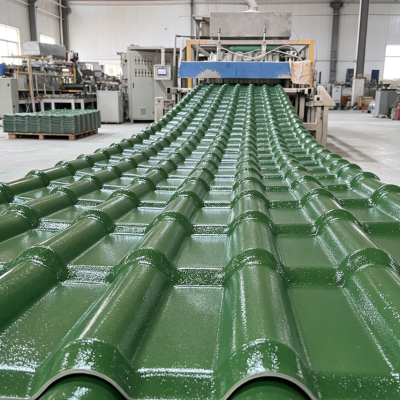
Synthetic resin roofing tiles are popular in urban and rural construction due to their light weight, durability, and color fastness. When purchasing, it’s easy to fall into the trap of focusing solely on low prices while overlooking factors such as thickness, material purity, and installation costs. In 2026, the price of standard ASA co-extruded resin roofing tiles is approximately 35–55 yuan per square meter. Price differences primarily stem from wall thickness and material composition; products made from recycled materials offer poor value for money. It is necessary to consider all factors comprehensively when selecting...
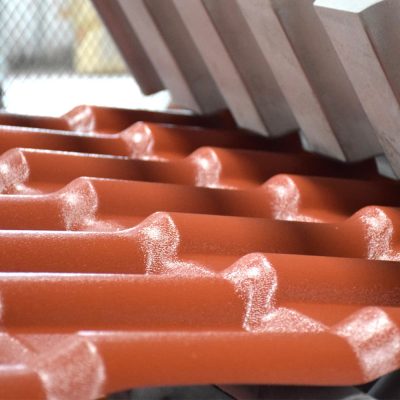
If you’ve ever closely examined the surface of a resin roof tile, you’ll notice a distinct difference from ordinary roof tiles—the surface is exceptionally smooth and dense, so that even when dust settles on it, a single rain shower is enough to wash it away completely. This phenomenon is known as the ”lotus effect.” During the manufacturing process, a dense, smooth protective layer forms on the surface of resin roof tiles, and water molecules...