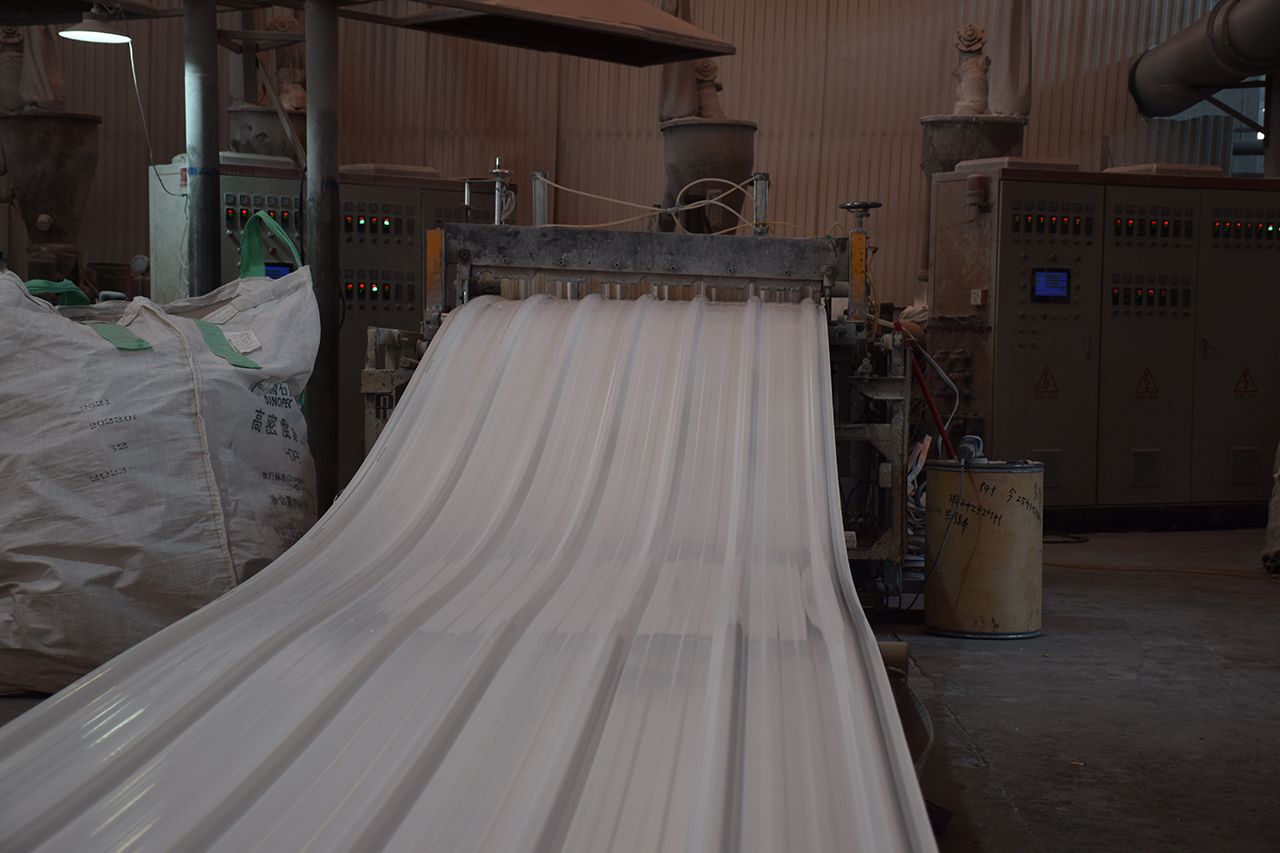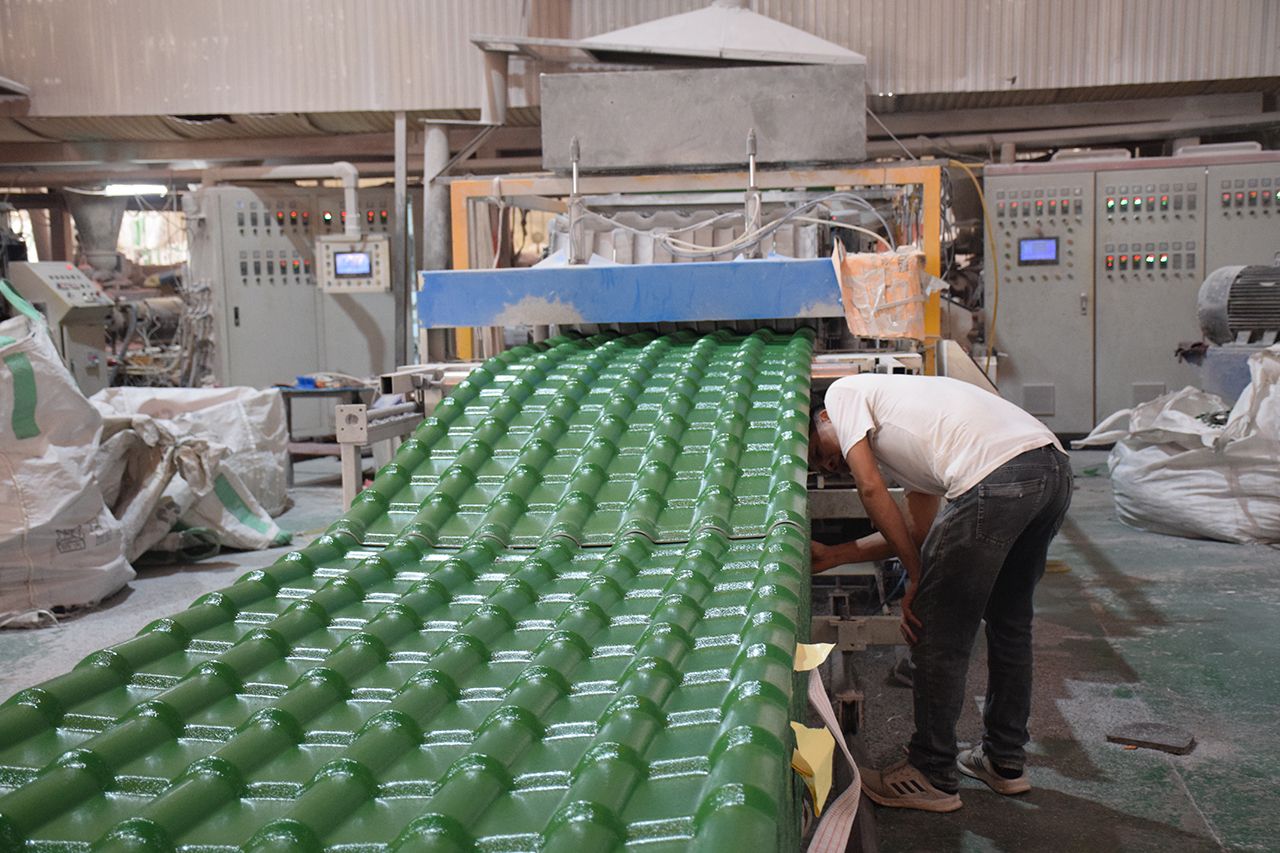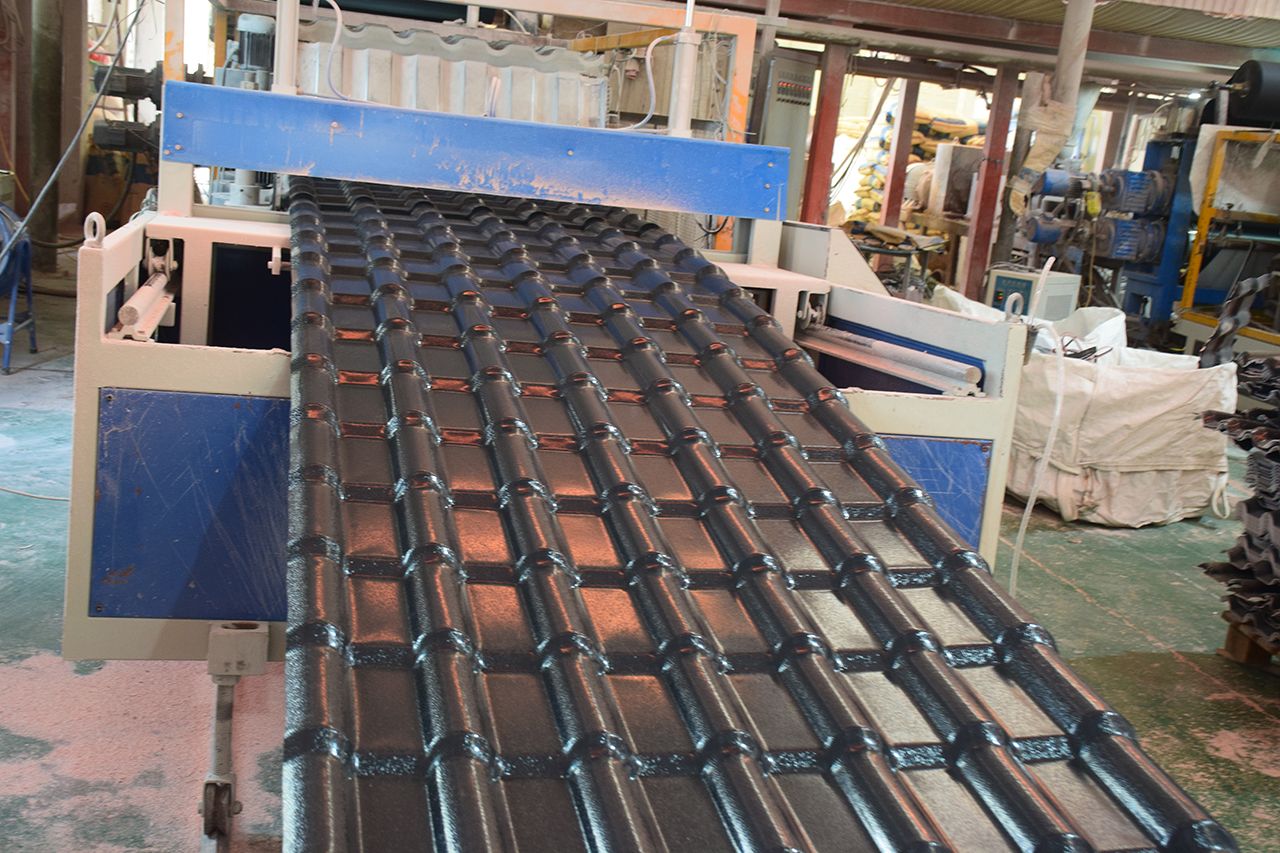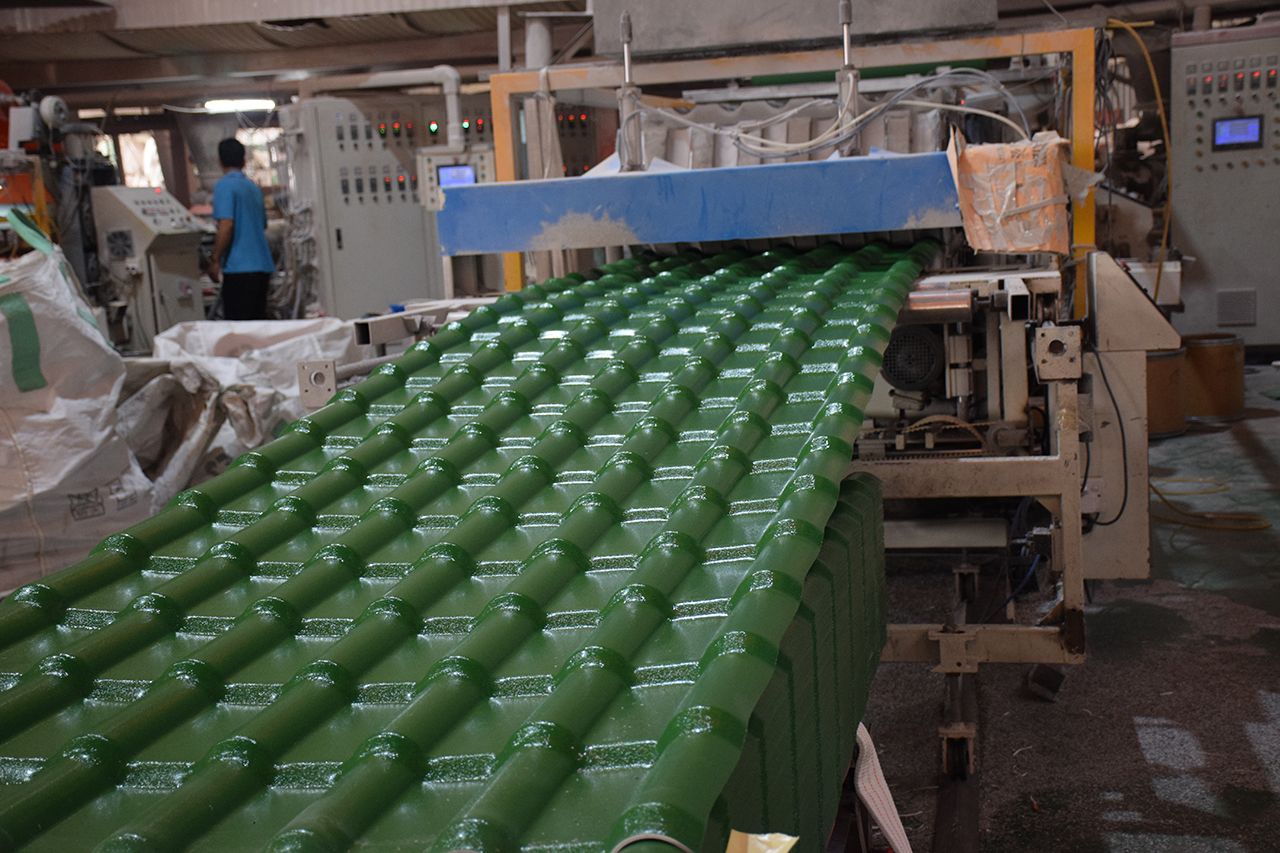
Over the years I’ve been working in the roofing industry, the topic I’ve discussed most with clients is the characteristics of PVC roofing tiles. In applications such as lightweight structures, factory buildings, and sunrooms, almost everyone comes across PVC roofing tiles, but people’s understanding of them varies. Some think they’re lightweight, while others worry about their lifespan, so it’s essential to explain the actual situation thoroughly.
Features of PVC Roofing TilesWhat are some examples?
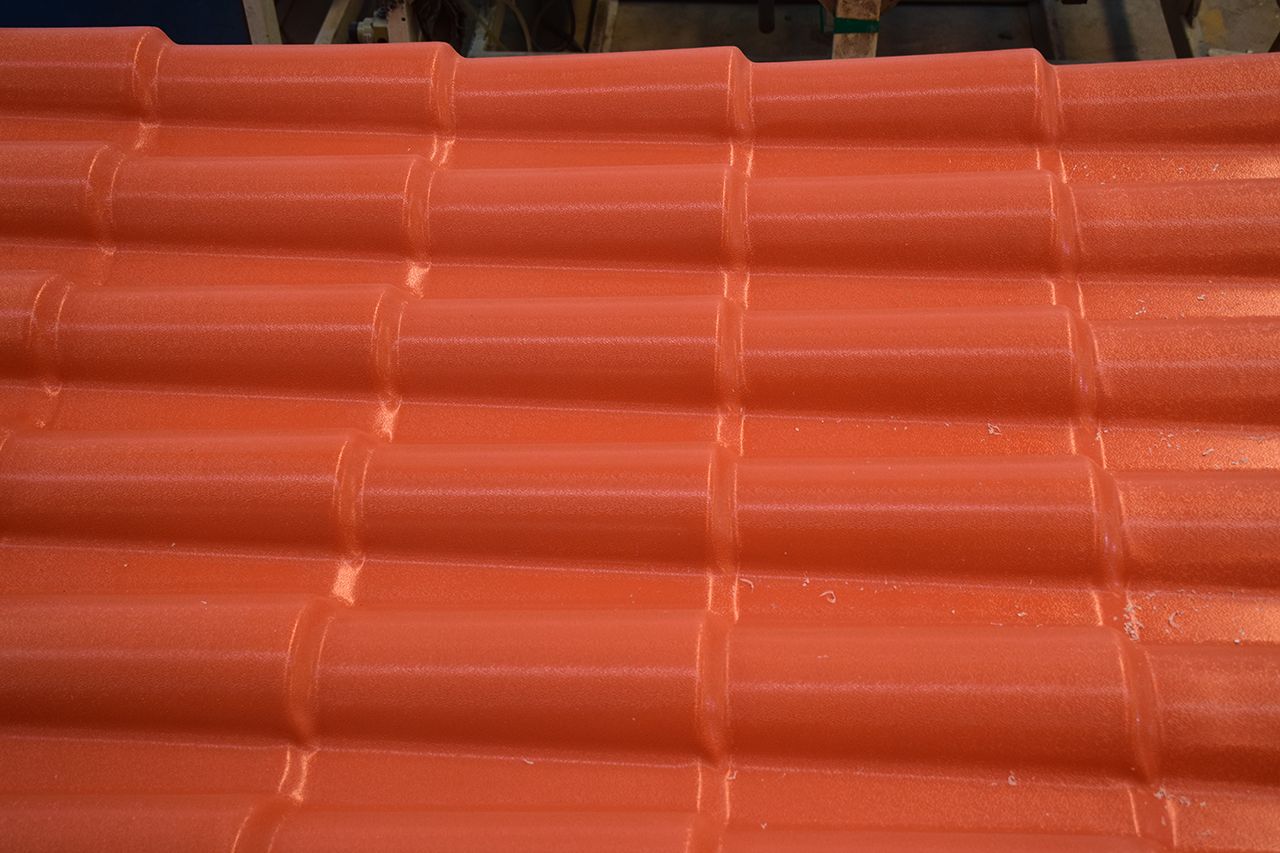
The main points can be summarized in three key ideas: Lightweight, good thermal insulation, and resistant to acids and alkalis. A single PVC roof tile weighs just over two kilograms, which is about half as much as a color-coated steel roof tile, so there’s no need to reinforce the roof joists when renovating an old roof. The interlocking design provides a tighter seal than lock-seam color-coated steel roofing, making it less prone to leaks when screws are installed. In the summer, indoor temperatures can be about five to six degrees lower than in homes with color-coated steel roofing.
When it comes to corrosion resistance, these materials are most reliable in chemical processing plants and livestock farms. Typically, ordinary color-coated steel begins to rust after about three to five years, whereas PVC roofing tiles can withstand acidic and alkaline environments for more than 20 years, with virtually no maintenance costs.
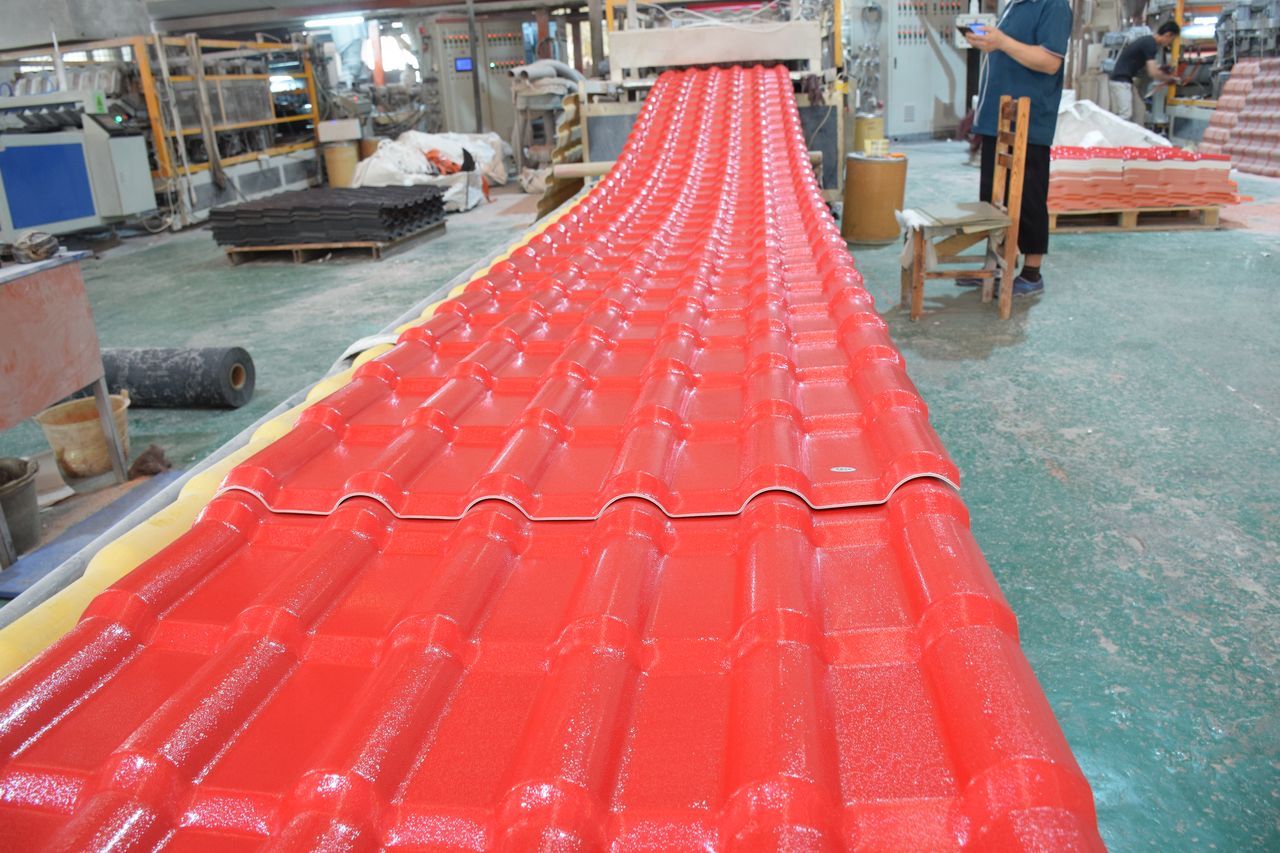
Which Is Better: PVC Roofing Tiles or Color-Coated Steel Roofing Tiles?
There is no one-size-fits-all answer; it depends on the specific application. If you’re on a very tight budget and are just setting up a temporary work shed, then color-coated steel roofing sheets will suffice.
However, when it comes to roofing applications that require long-term use, PVC roofing tiles actually offer better value for money., Since color-coated steel roofing sheets will need to be painted and eventually replaced, if you factor in the total cost over a 20-year period, it turns out to be significantly more expensive than using PVC roofing sheets.
For areas with strong winds, I do not recommend using color-coated steel materials that are too thin, because if the thickness is less than 1.0 millimeters, their ability to withstand wind pressure is simply insufficient. PVC roofing tiles have quite good flexural strength; when used for large-span roofs, they experience minimal structural deformation, and they can also help reduce labor costs during installation.
Ultimately, when choosing roof tiles, you need to consider three key factors: thickness, wind resistance rating, and warranty period. As long as you compare these factors carefully and then take your budget and specific application into account, you’ll almost certainly avoid making the wrong choice.
Keywords: Features of PVC roofing tiles