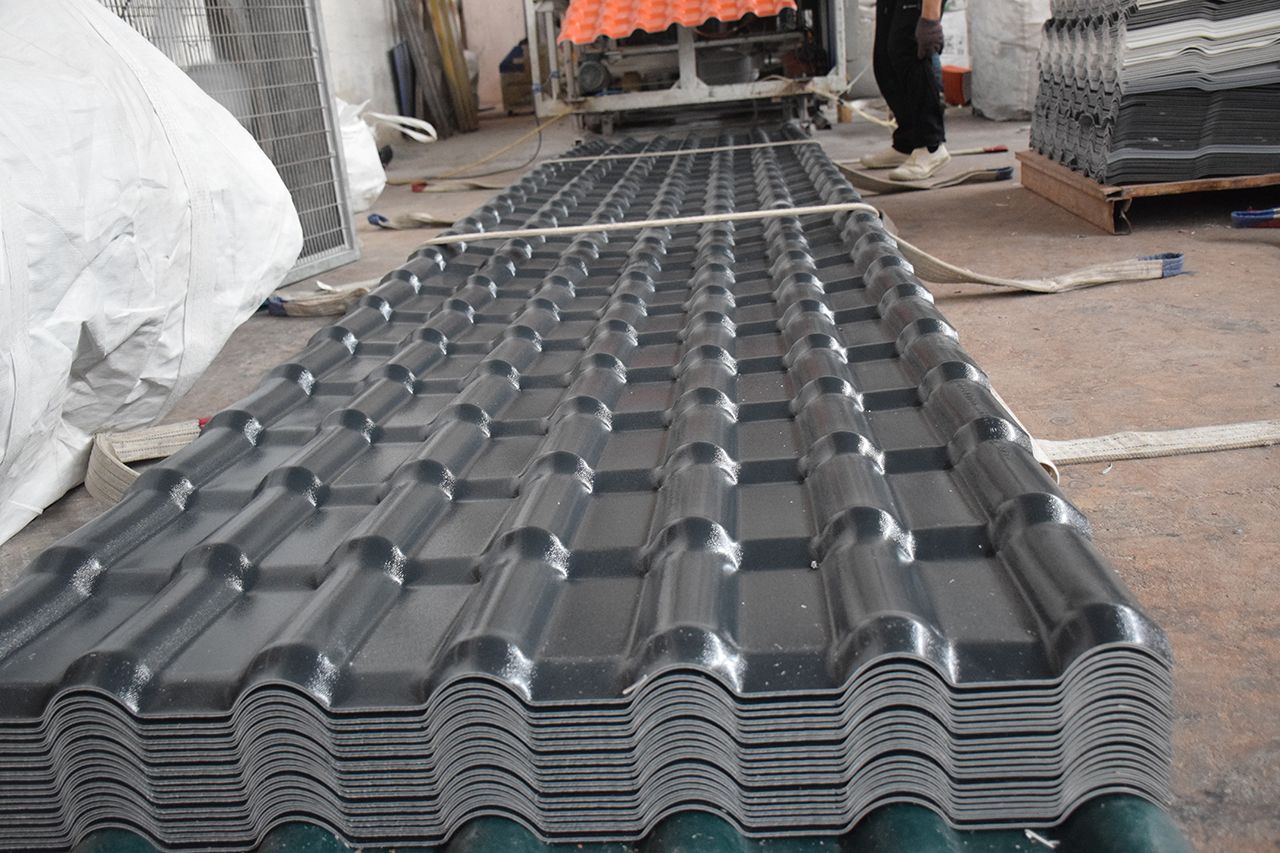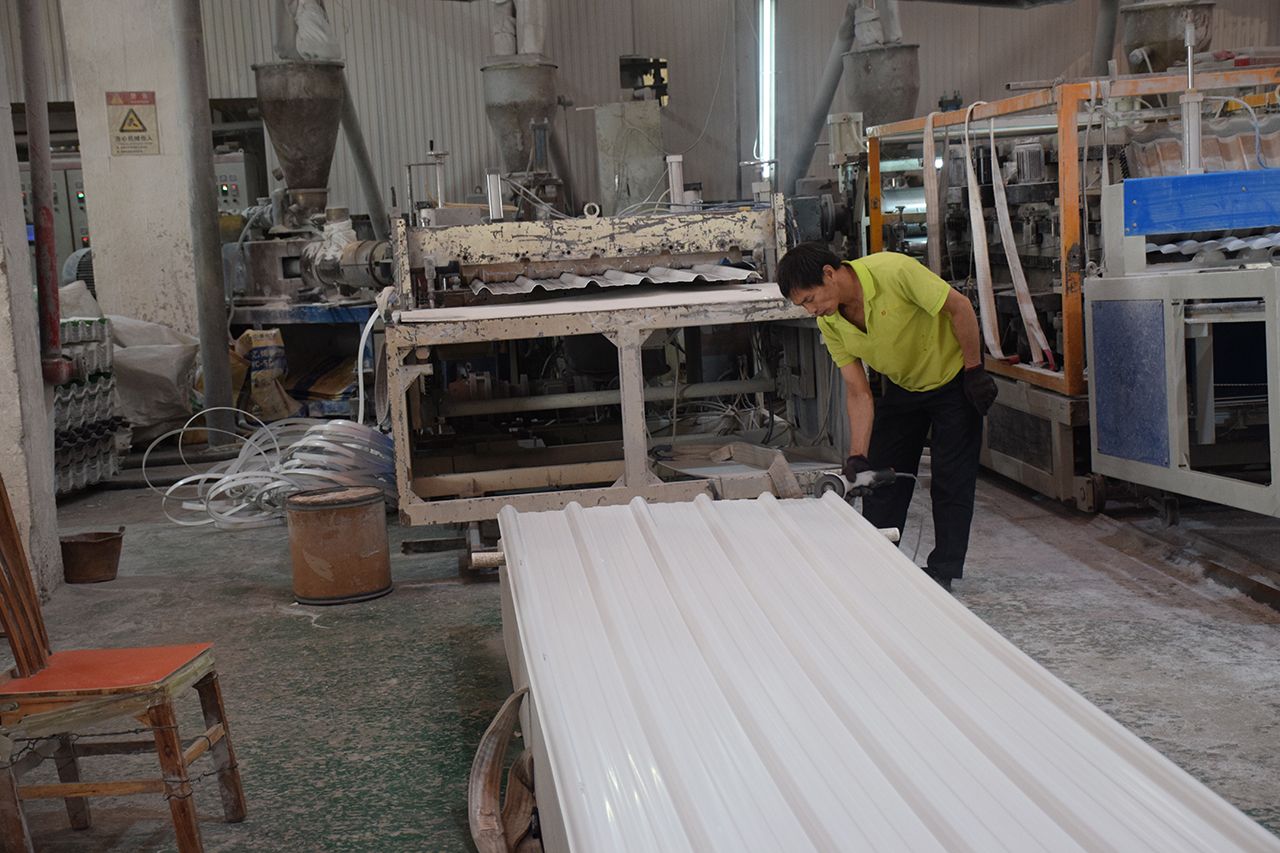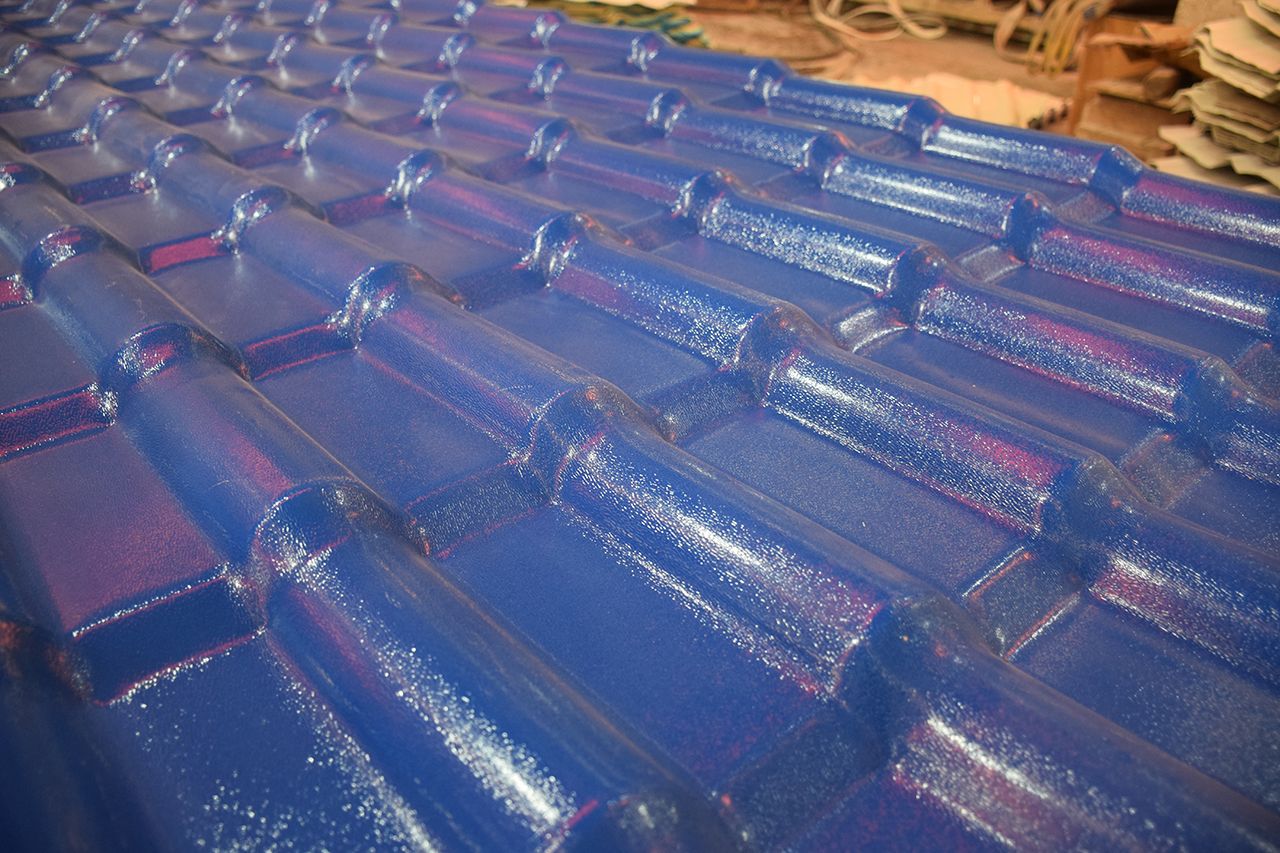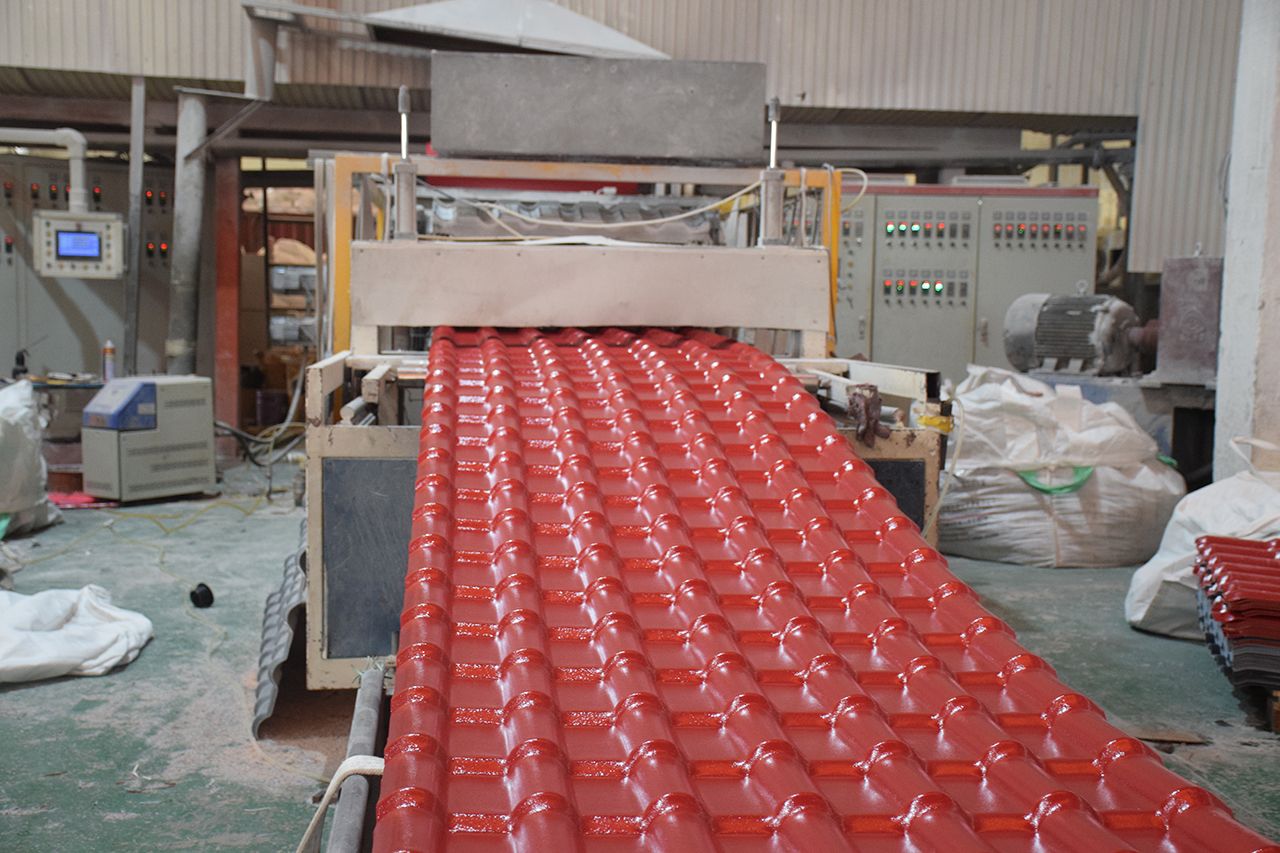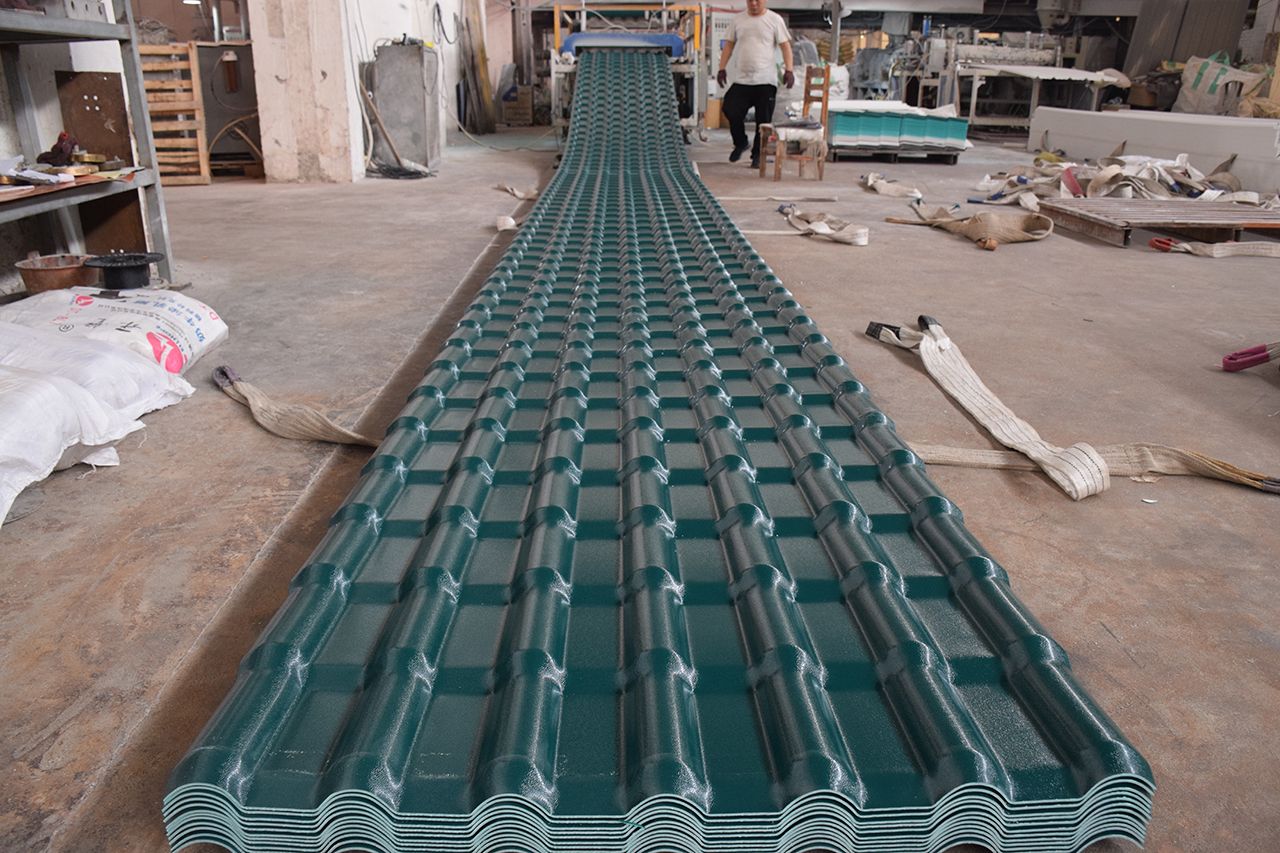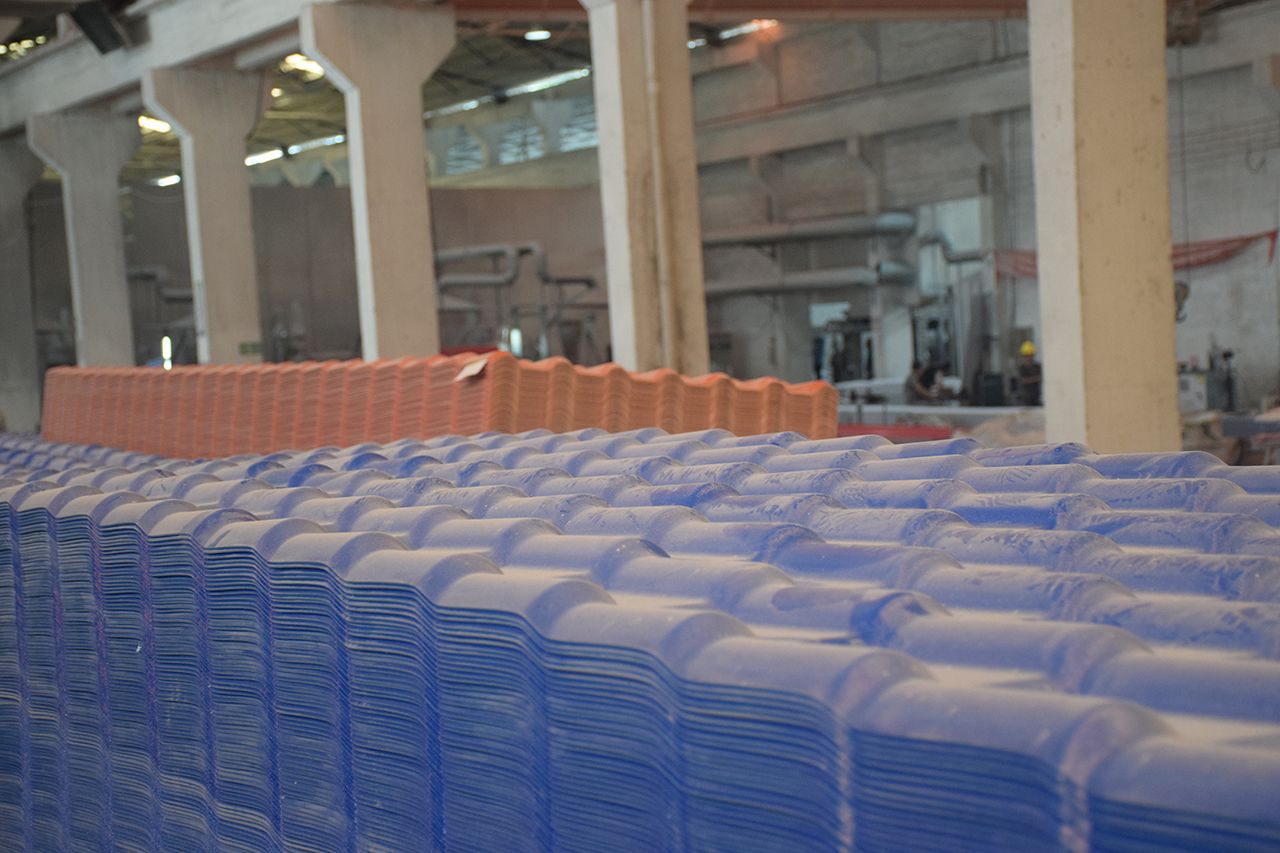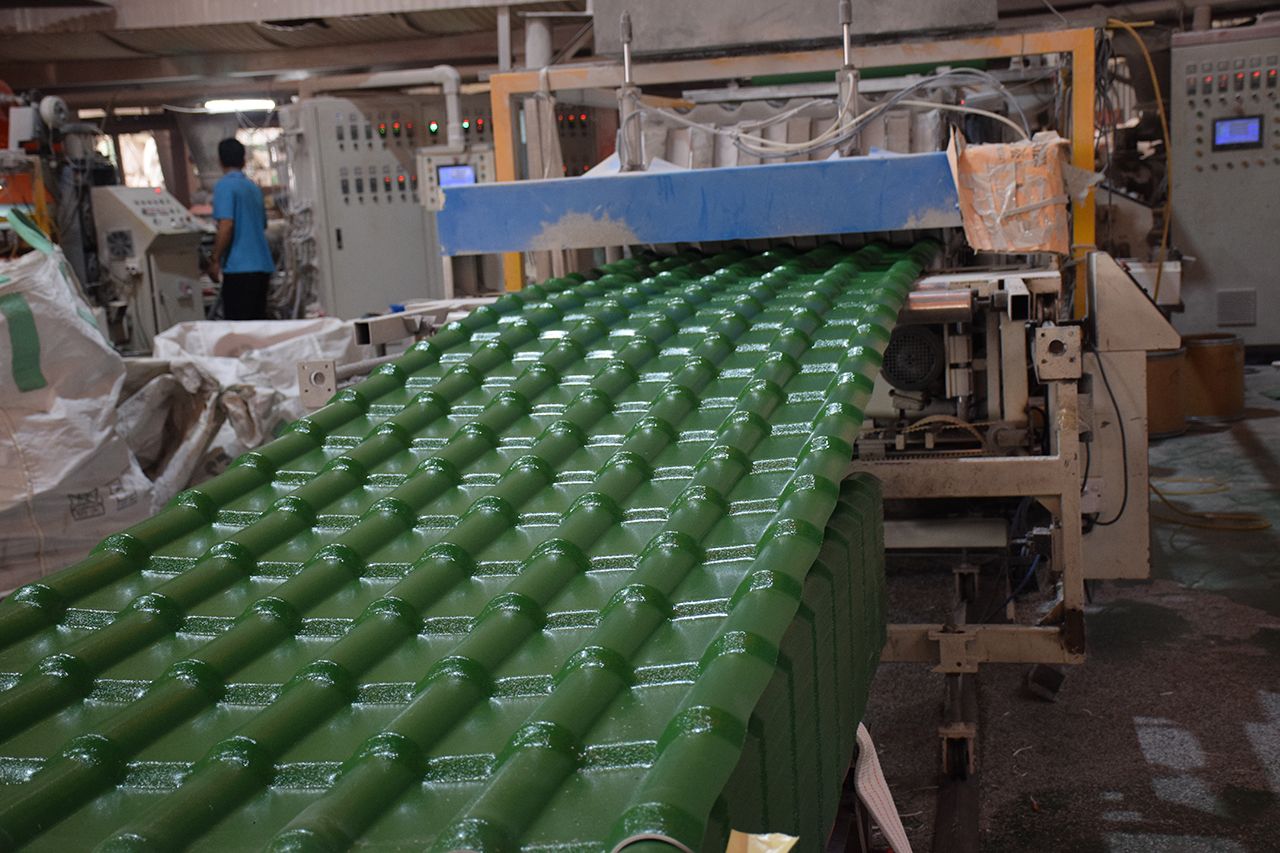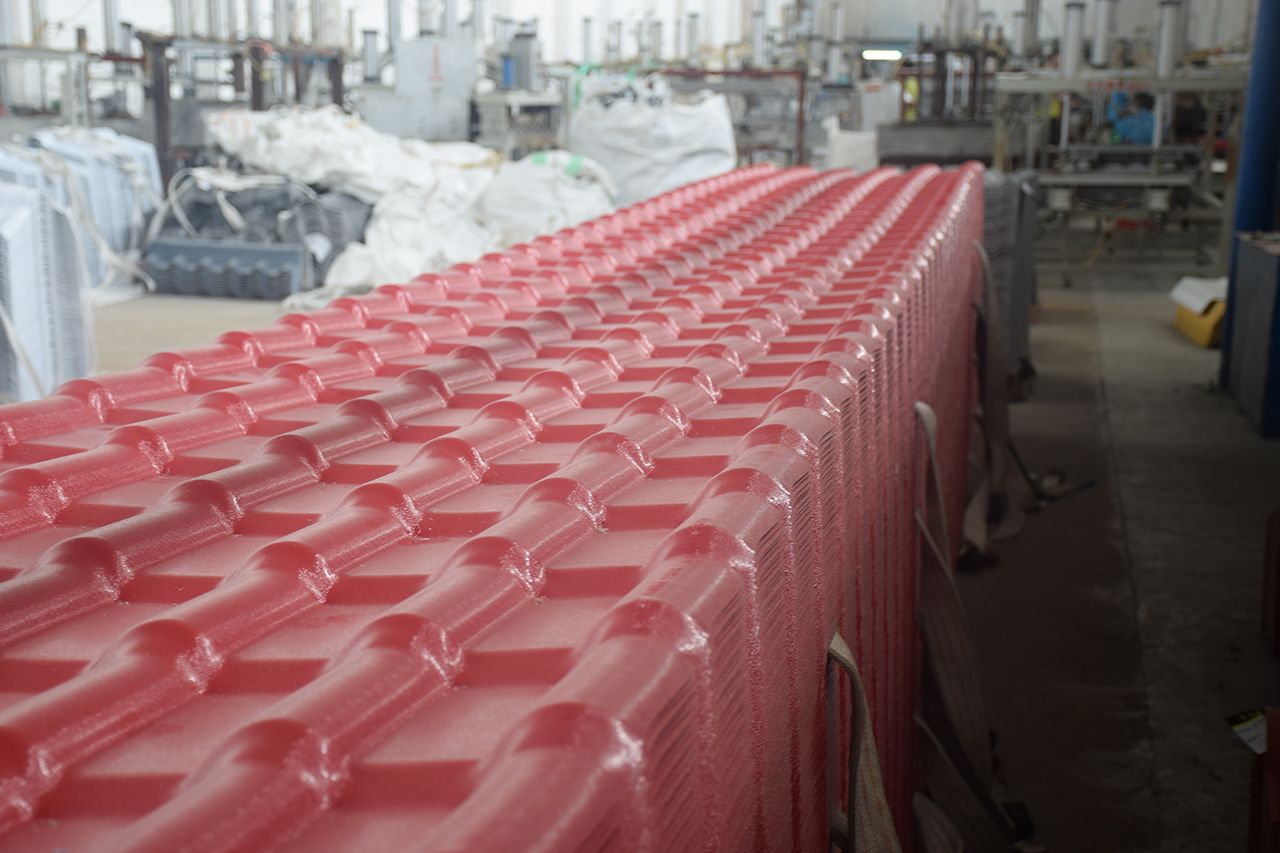
The specifications of synthetic resin roofing tiles primarily involve parameters such as thickness, width, length, and effective overlap width. Since there are significant differences in products from different manufacturers, choosing the correct specifications directly affects the roof’s load-bearing capacity, waterproofing performance, and wind resistance—areas where many homeowners building their own houses and contractors often run into problems.
What is the appropriate thickness for resin roof tiles?
Among the common specifications for resin roofing tiles on the market, thicknesses are primarily concentrated in the mainstream range of 2.5 mm to 3.0 mm. The 2.5-mm thickness is suitable for flat roofs with a gentle slope or light-gauge steel frame structures. The 3.0-mm thickness, on the other hand, is suitable for roofs with steeper slopes or in regions prone to frequent wind and snow, as it offers greater resistance to bending and impact.
During the actual purchasing process, be sure not to focus solely on the thickness listed in the catalog; instead, make it a priority to ask detailed questions to clarify exactly what thickness is covered by the warranty.
There are certain products on the market that are labeled as having a thickness of 3.0 millimeters on their packaging or promotional materials, but when they actually leave the factory, the measured thickness is only 2.8 millimeters. After such products have been in use for two or three years, their actual thickness is likely to drop below 2.5 millimeters, which significantly increases the risk of roof deformation and cracking.
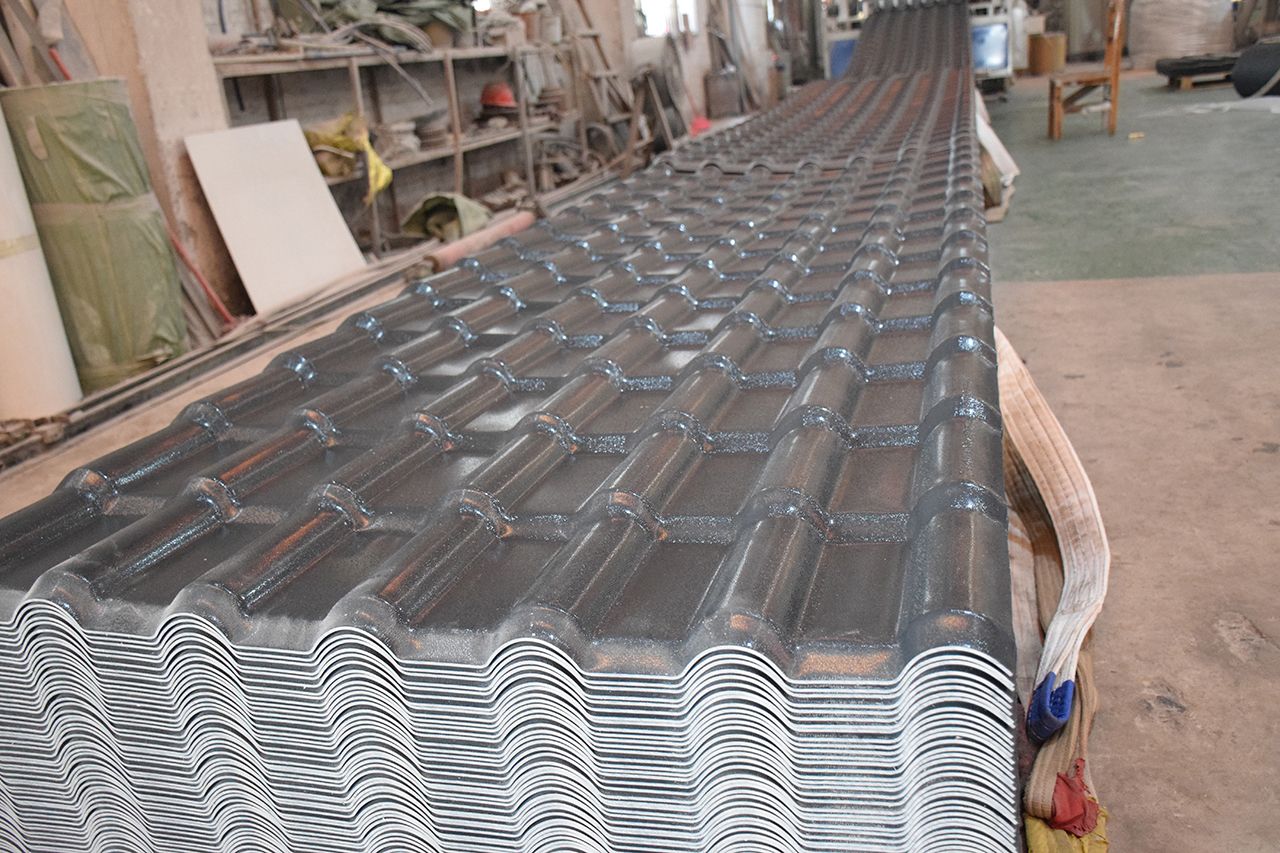
How Are the Specifications for Synthetic Resin Roof Tiles Determined?
In terms of width, common sizes currently include 210 mm, 250 mm, and 305 mm, while lengths are typically custom-made; standard lengths include 1.8 m, 2.0 m, and 2.4 m. Effective overlap”It is determined by both the roof slope and the eave overhang." If the overlap width is insufficient, water leakage is likely to occur at the seam.
As far as the brand landscape is concerned, the specification systems for synthetic resin roofing tiles offered by manufacturers such as Gaoyi, Hongbo, Gongli, and Xingfa are relatively comprehensive, and their labeling of technical specifications tends to be more standardized.
When making a purchase, it’s much more reliable to take an actual sample and compare it directly with the real product than to simply look at the specifications sheet on its own.
When selecting the specifications for resin roofing tiles, there is no single standard answer to guide you. The key is to base your decision on the roof pitch. You should also take local climate conditions into account. Additionally, your decision should be based on your overall budget.
You need to align the thickness, width, and overlap on both sides—a total of three sets of measurements. Only after all measurements are aligned should you proceed to place the order. This prevents discovering that the dimensions don’t match after installation is complete. It also helps avoid waste caused by rework.
Keywords: Synthetic Resin Roof Tile Specifications