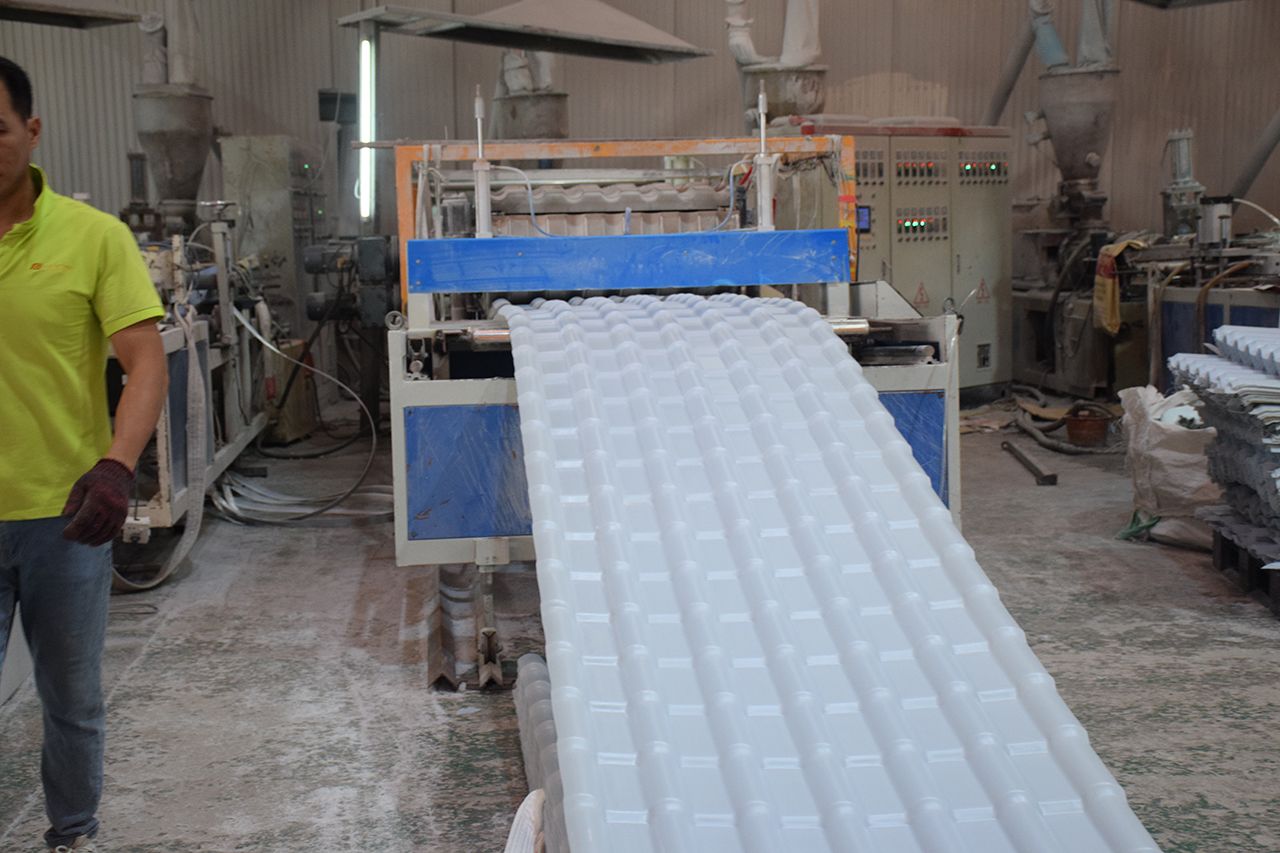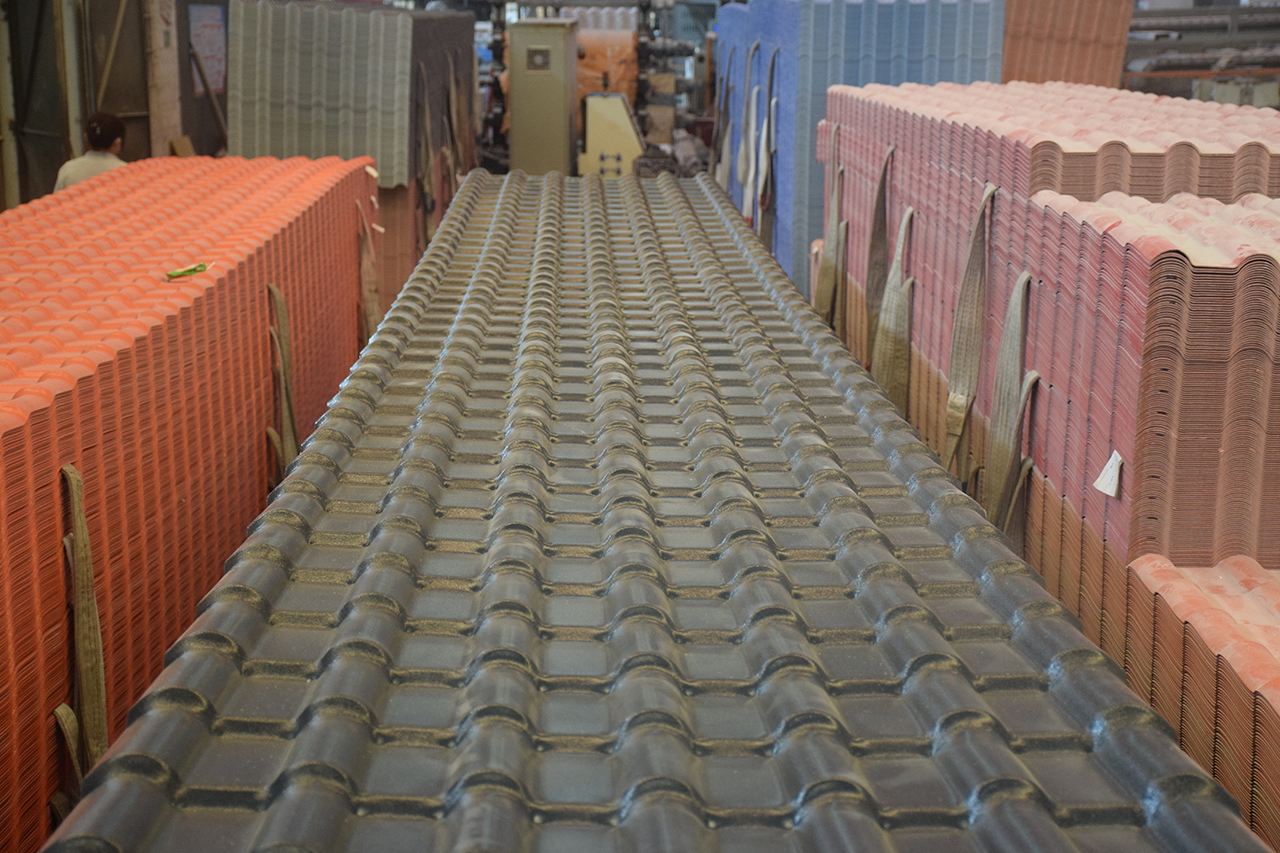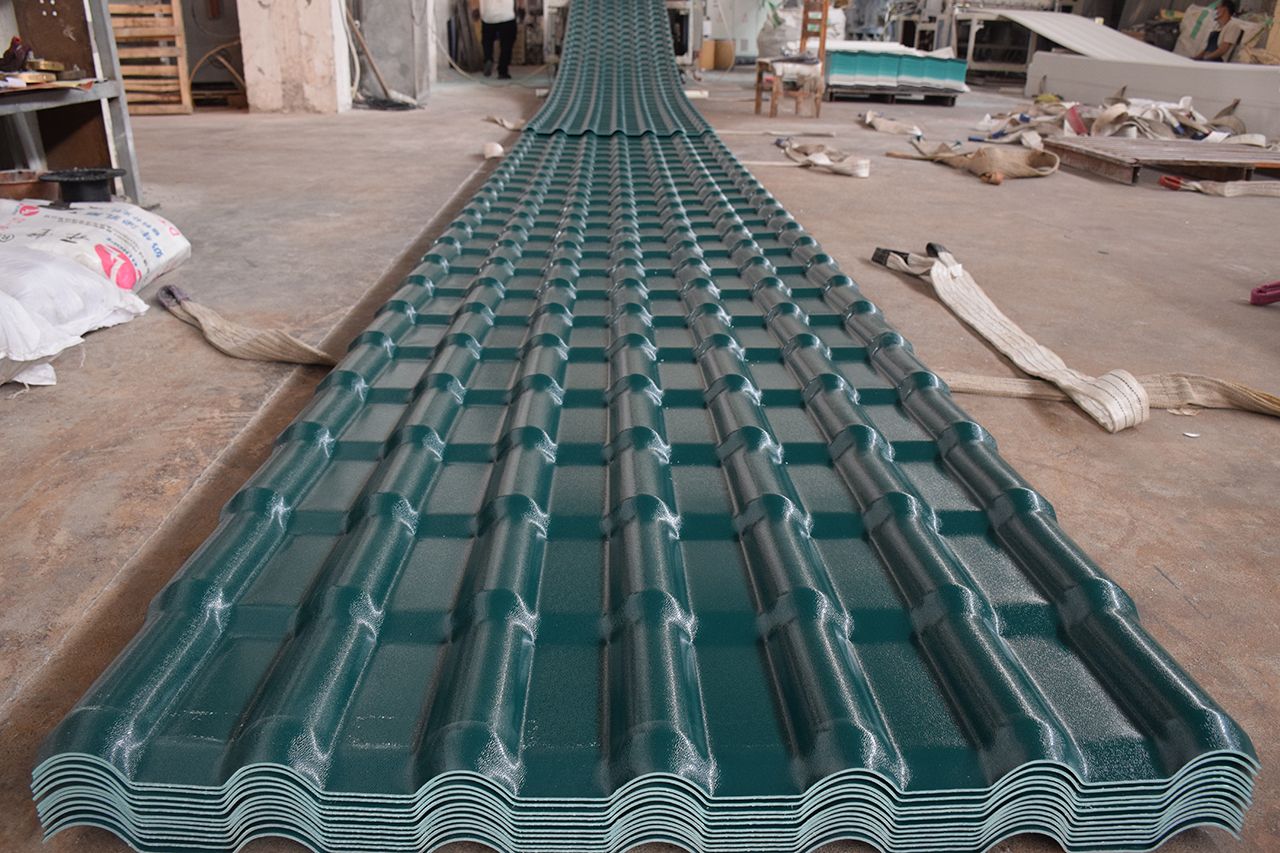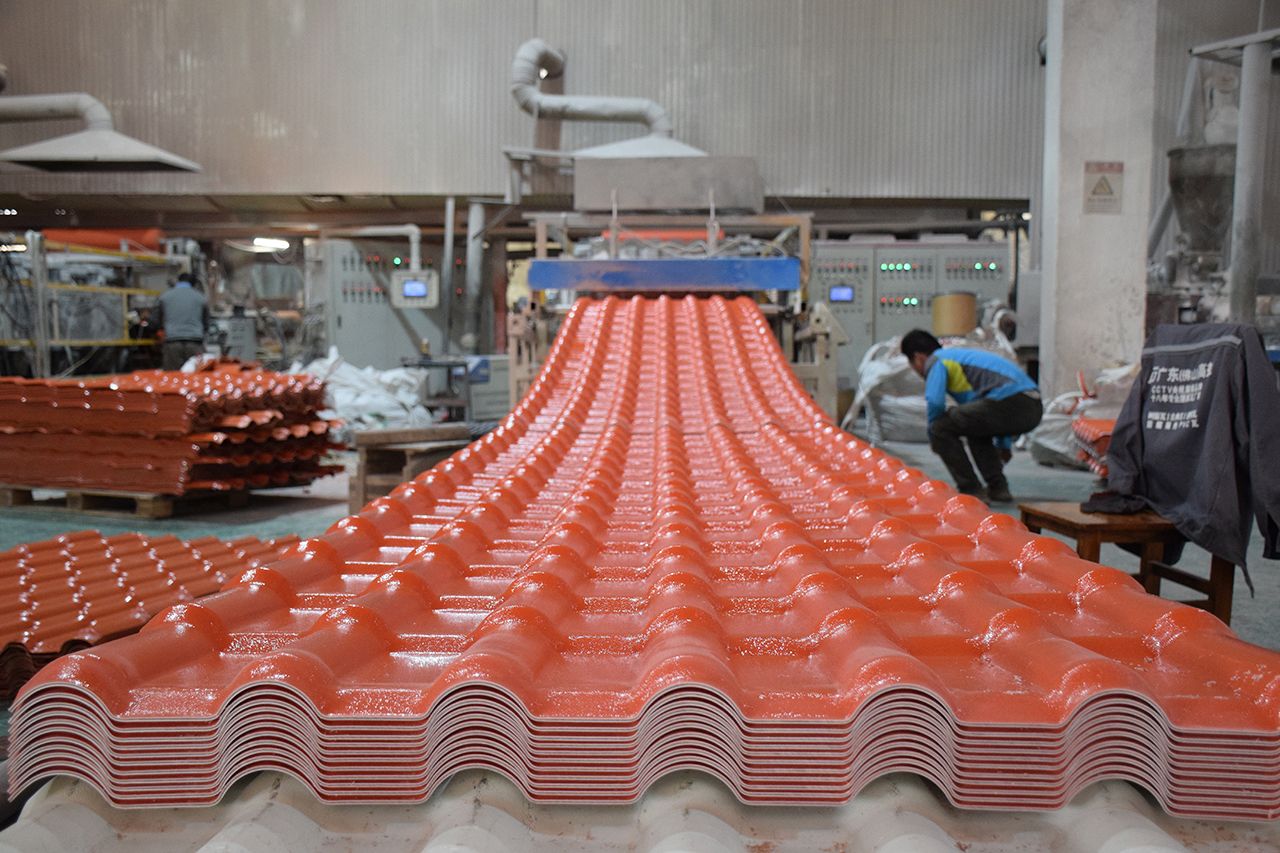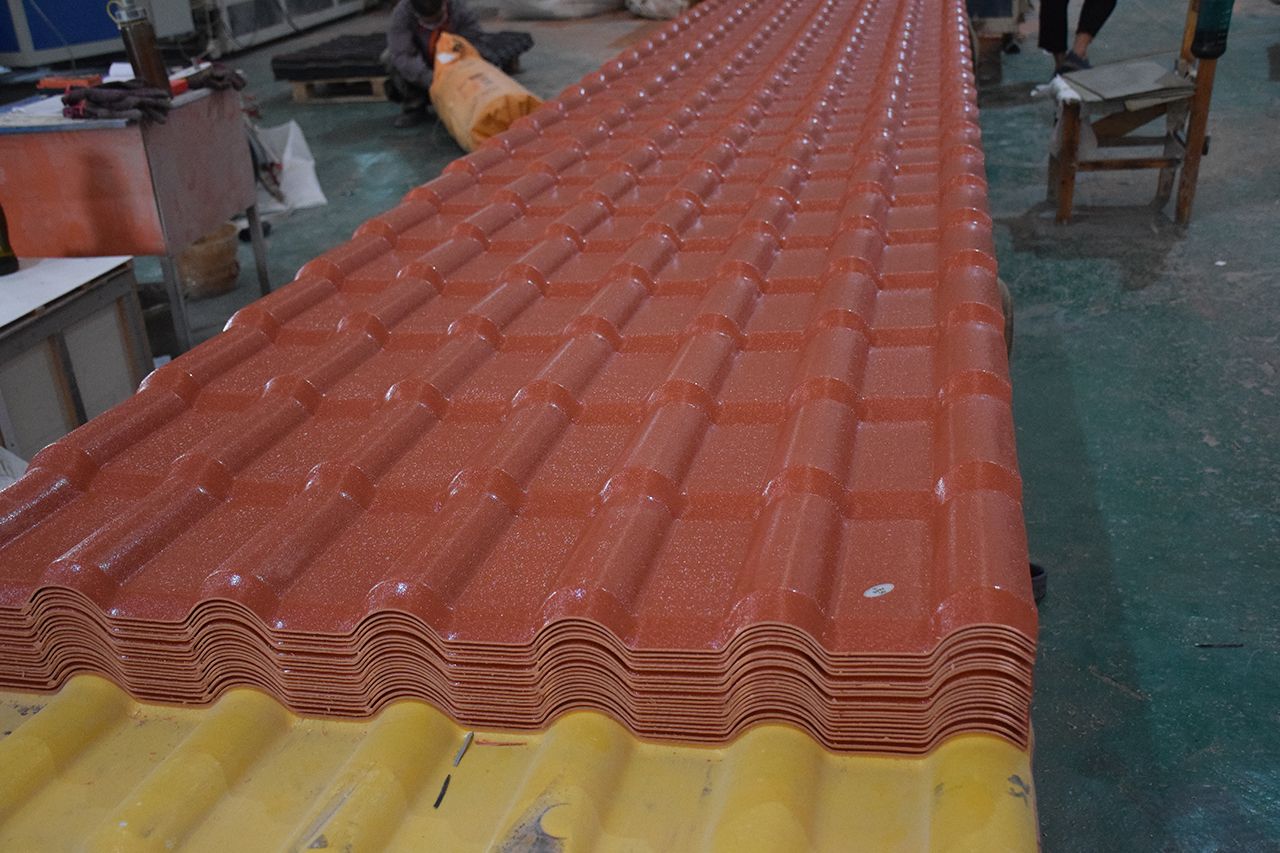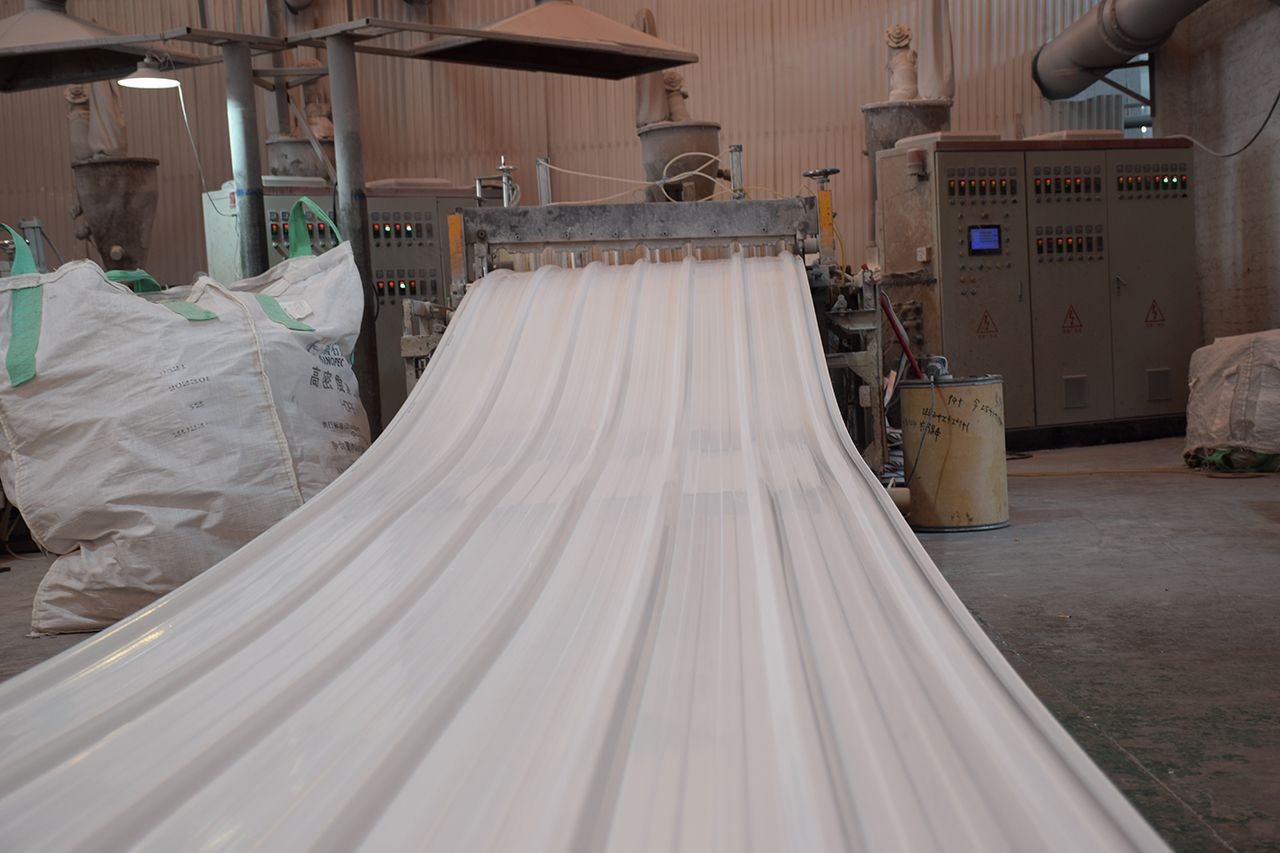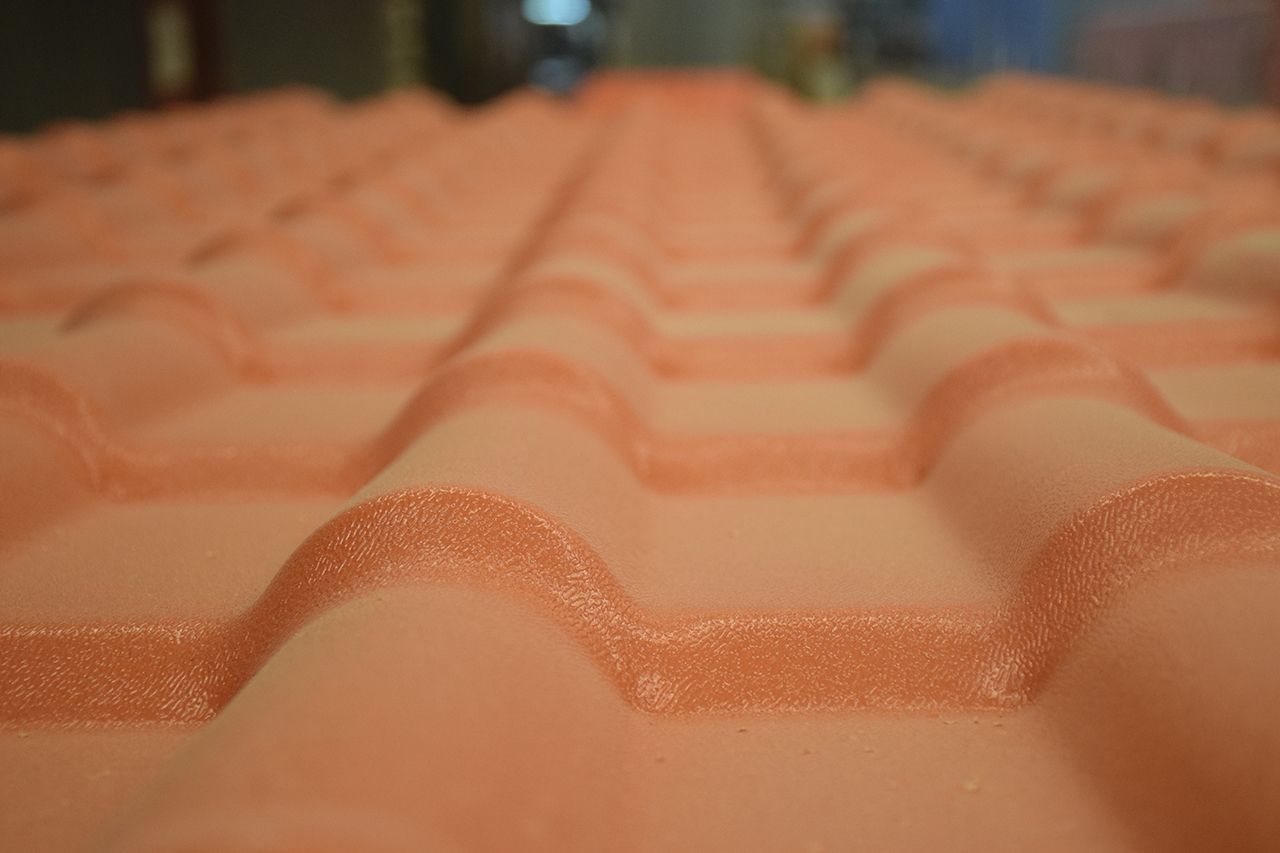
Resin roofing tiles, a roofing material that has gained popularity in recent years, have gradually come into the public eye thanks to their lightweight, corrosion-resistant, and wide variety of colors. Many homeowners pay close attention to one question when renovating or refurbishing their roofs: just how long is the actual service life of this material? Understanding this is essential for making more rational decisions when selecting materials and avoiding the additional costs associated with frequent replacements down the line.
How many years do resin roof tiles typically last?
The rated service life of resin roofing tiles on the market generally ranges from 20 to 50 years. While this range may seem wide, it is closely related to the raw material formulation, manufacturing process, and usage environment. A high-quality ASA engineering resin surface layer paired with a PC or PVC core layer provides excellent UV resistance and stable structural integrity. Some high-end products can indeed maintain their performance for a long time under normal conditions, while some substandard products may exhibit fading, embrittlement, or even cracking within just a few years.
Factors such as sunlight intensity, temperature fluctuations, and acid rain corrosion are the key factors that determine the degree of aging in resin roofing tiles. In rainy regions of southern China and in locations with harsh operating environments, the rate of aging for resin roofing tiles is significantly faster than in dry, low-rainfall areas. Therefore, it is not possible to definitively state how many years a particular type of resin roofing tile will last; actual performance often depends on specific usage conditions and the quality of the product.
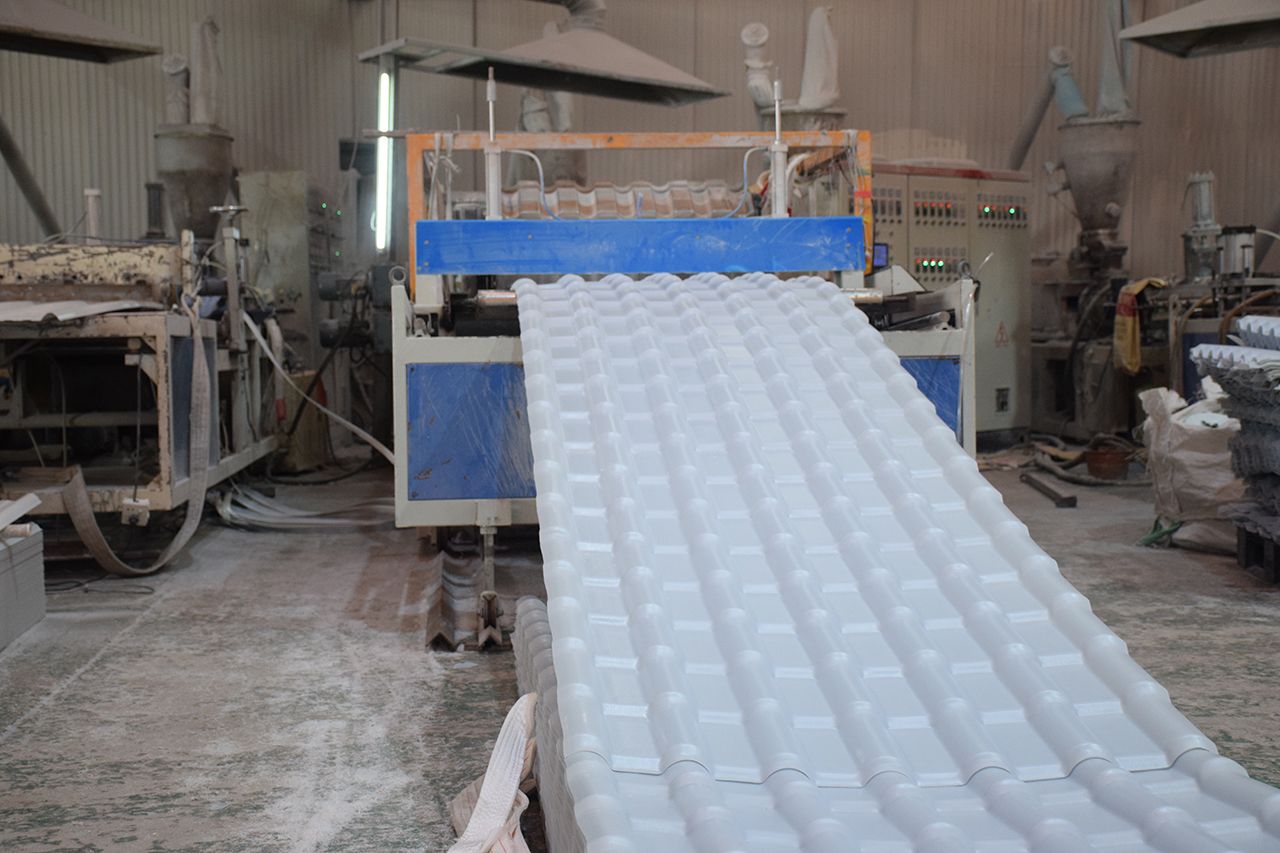
How to Tell if Resin Roof Tiles Have Aged
Observing the gloss of the roof tile is a relatively intuitive method of assessment: The surface of new resin roof tiles is often bright and vibrant, with a rich and uniform color. As the years go by, the surface gradually loses its luster, and the color may fade to varying degrees; If the discoloration is severe, it indicates that the resin roof tiles have been exposed to UV radiation for a relatively long period, and the material’s physical properties may have deteriorated.
Touching the surface of the tile with your hand is an effective way to assess its toughness and hardness, as high-quality tiles should remain usable for many years. If the tile does not crack or bend and retains good elasticity, it is easy to break with a light snap; conversely, if it becomes hard and brittle, it has deteriorated. If the material has clearly deteriorated to the point of severe aging, even if it does not crack, it may still pose a safety hazard during continued use—it could break with just a light snap.
It is also crucial to periodically inspect the shingles for cracks, warping, or loose joints. If any of these issues are detected, they should be addressed or the shingles replaced promptly to prevent compromising the roof’s overall waterproofing performance and safety. For roofs with a longer service life, consider applying a protective coating to the surface of the resin shingles to further extend their service life.
ActualResin tile lifeThe key to success lies in choosing the right product. Before installation, be sure to thoroughly verify the manufacturer’s credentials and review the product’s test reports. Select a reputable and reliable brand—only by ensuring quality from the source can you truly guarantee that roofing materials like these will maximize their intended functionality and value.
Keywords: Lifespan of Resin Roof Tiles