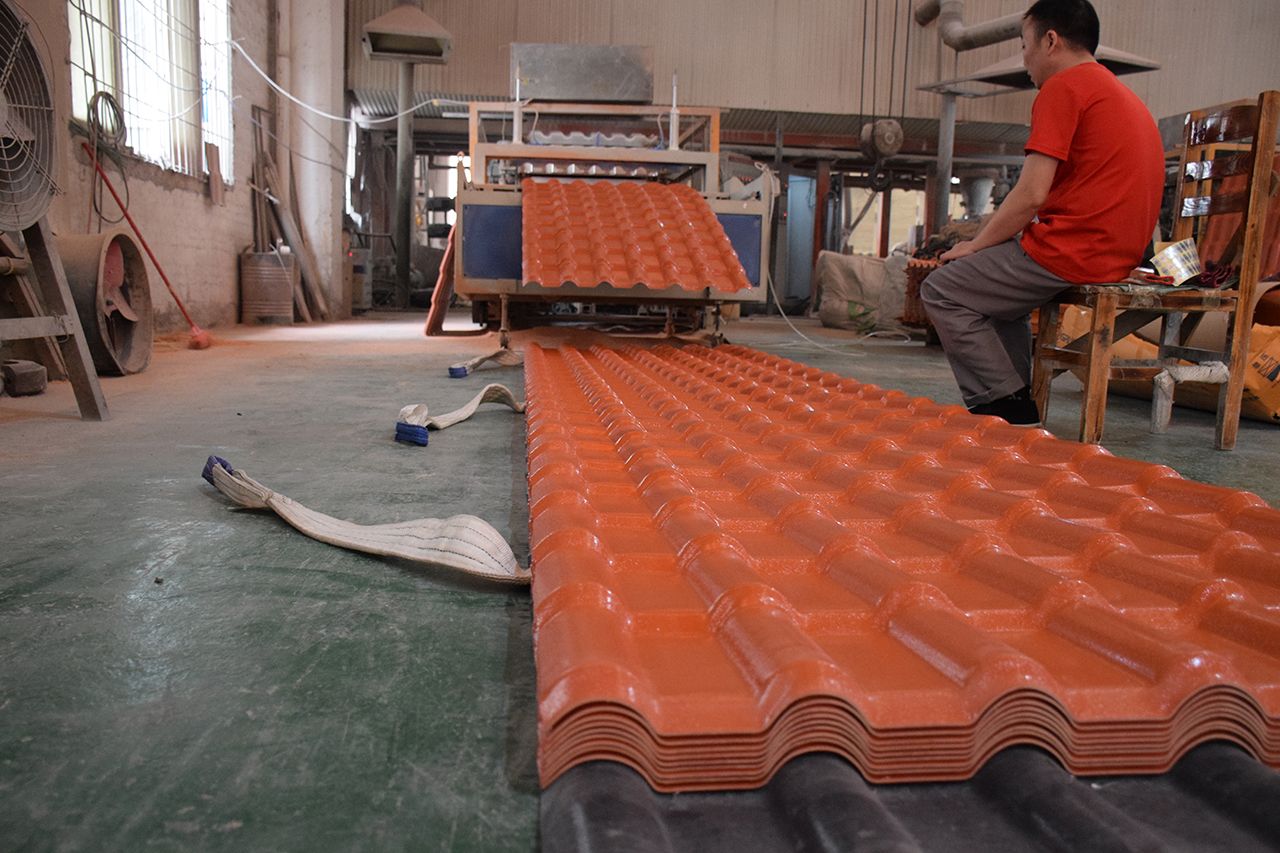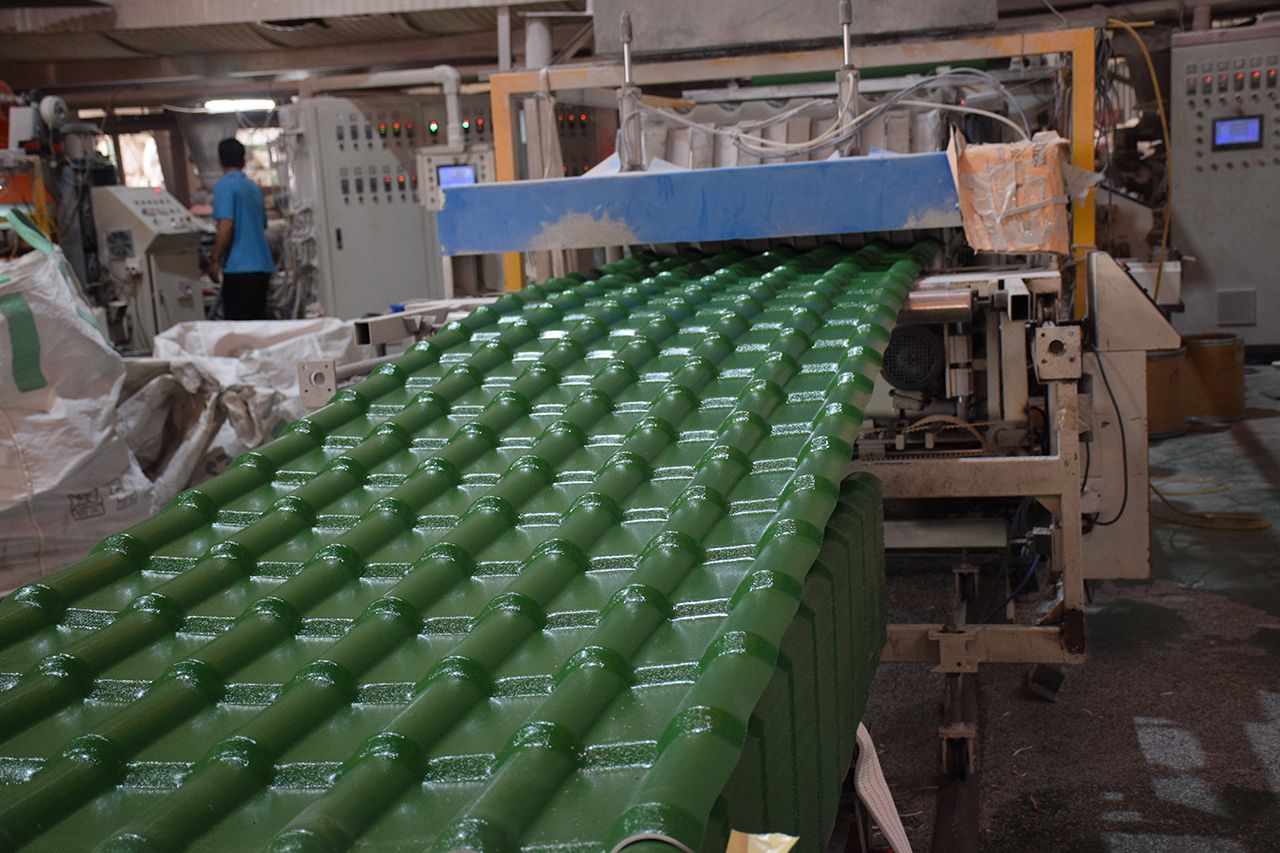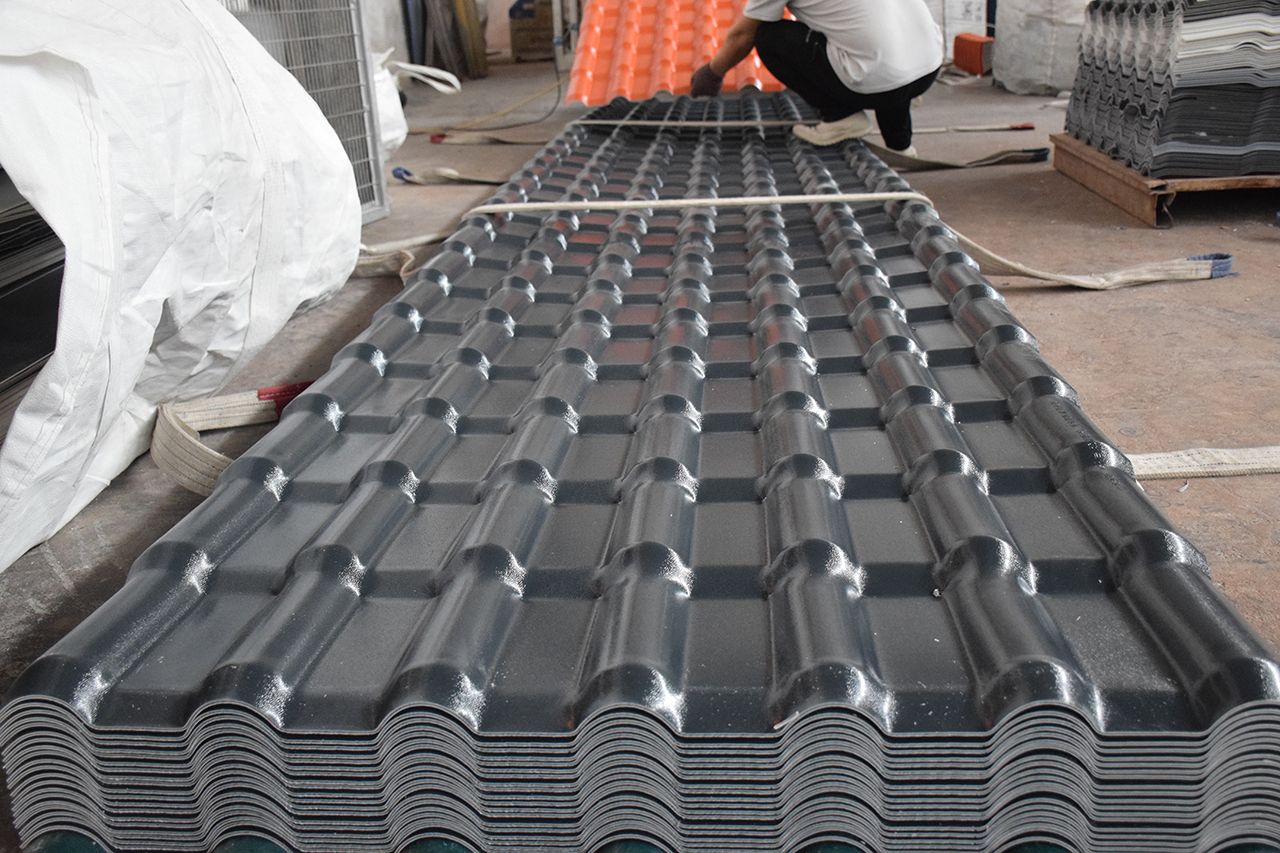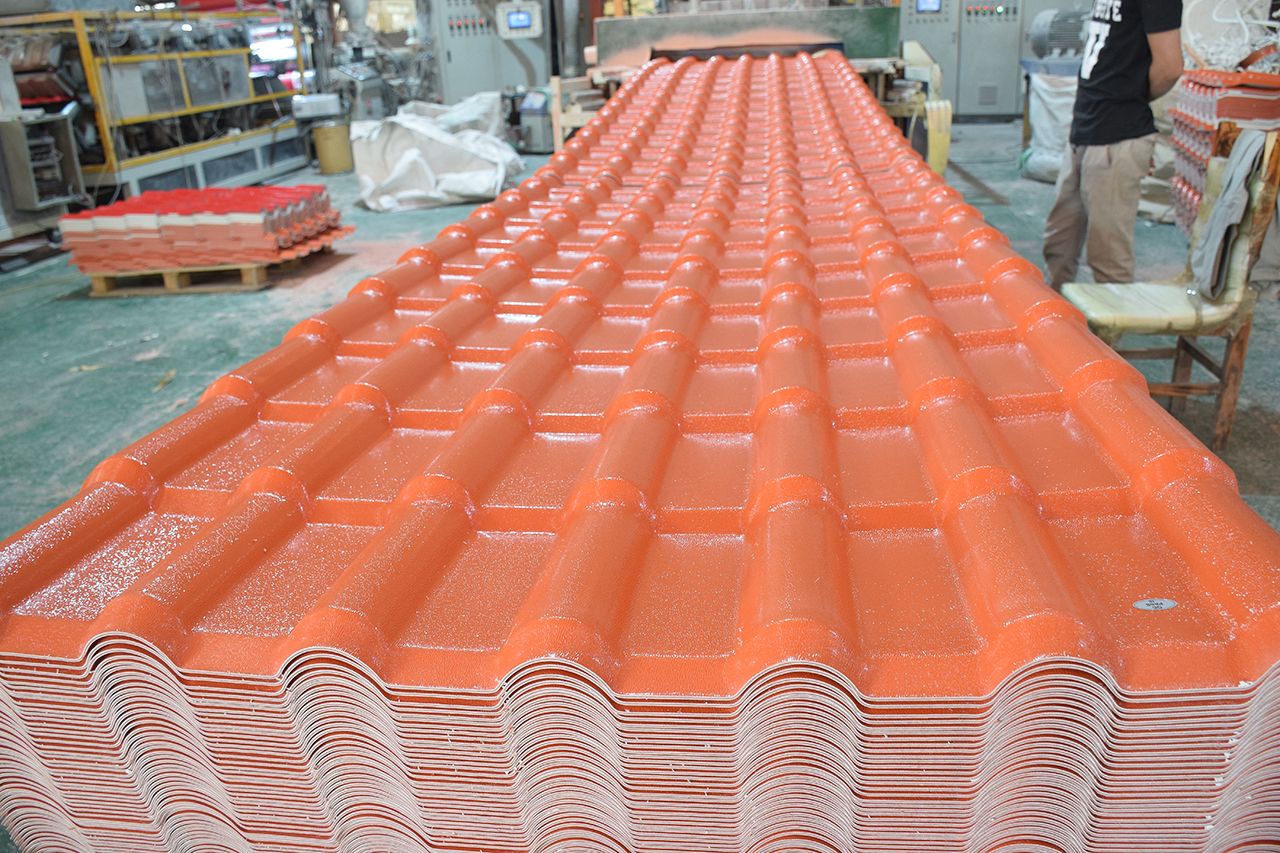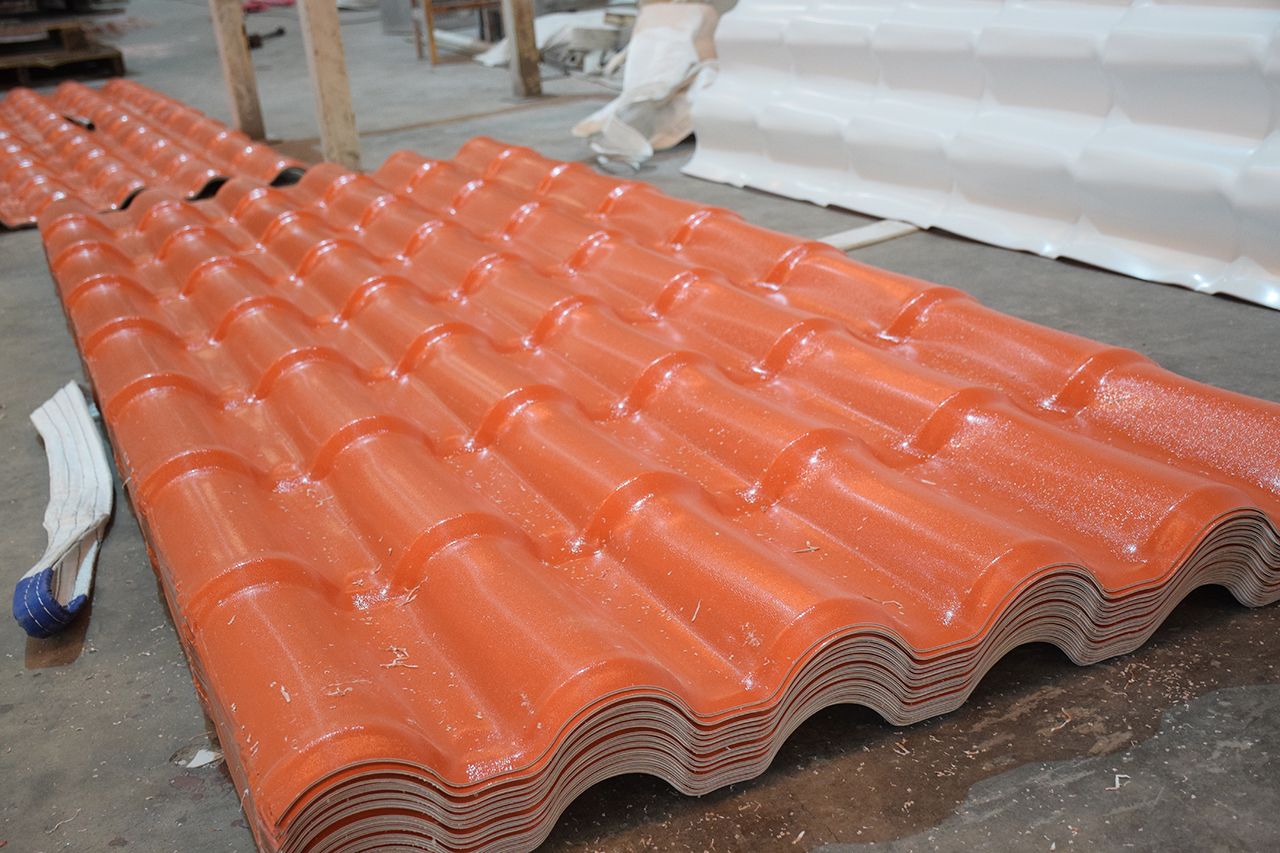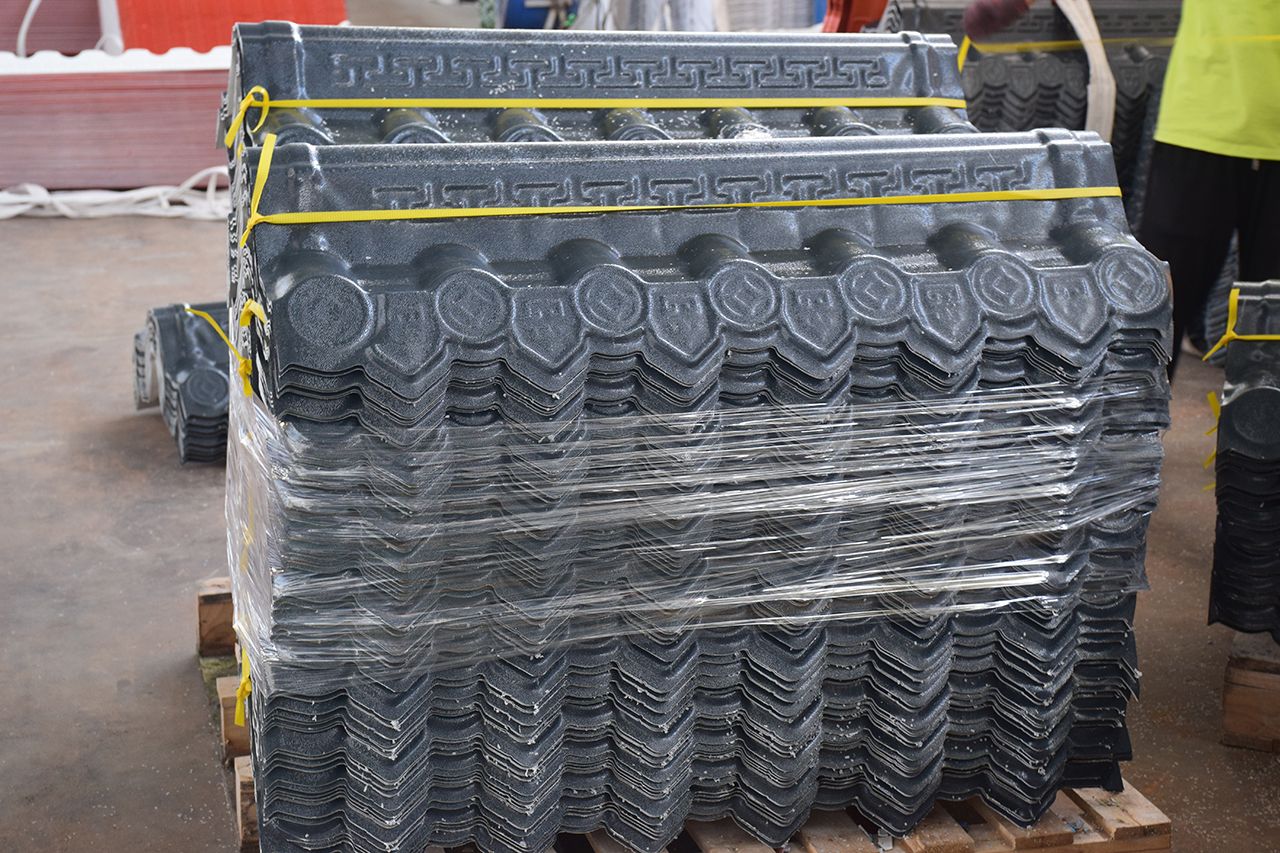
In recent years, synthetic resin roofing tiles have attracted significant attention from many homeowners and contractors in the roofing industry, largely due to their waterproofing properties. Made primarily from synthetic resin and various additives, synthetic resin roof tiles are extruded under high temperature and pressure to form a dense, non-porous surface—a new type of roofing material. By their very nature, synthetic resin roof tiles possess this structural characteristic, which naturally lays a solid foundation for their exceptional waterproofing performance. In this article, I will approach the topic from two distinct professional perspectives—comparative application and underlying principles—to objectively analyze and thoroughly explain the actual waterproofing capabilities of synthetic resin roof tiles.
What is the principle behind the waterproofing of synthetic resin roofing tiles?
The waterproofing capability of synthetic resin roofing tiles stems from their material structure, combined with the corresponding manufacturing process; Resin materials are inherently hydrophobic, making it extremely difficult for moisture to penetrate into the material’s interior. Compared to traditional porous materials such as clay and cement tiles, synthetic resin tiles are manufactured through a high-temperature melting and extrusion process, resulting in a high density and extremely low water absorption rate; with values typically below 0.51 TP3T, meaning it is extremely difficult for rainwater to penetrate the tile itself.
In addition to the material properties, the overlapping method used for synthetic resin shingles is a key factor in waterproofing. During installation, overlapping structures are created in the vertical, horizontal, and diagonal directions, and specialized waterproof sealing strips are used to create a multi-layered protective barrier. When rain hits the roof surface, it flows rapidly down the slope and does not linger at the seams, which significantly reduces the risk of leaks.
The waterproofing performance of synthetic resin roofing tiles primarily depends on the material density and proper overlapping techniques; these two factors together determine their leak-proof performance under normal use. As long as the installation process is carried out correctly, they can ensure consistent waterproofing performance over the long term under normal usage conditions, which is also the key reason why these products have gained market recognition.
How Do Resin Tiles Compare to Other Roofing Materials in Terms of Water Resistance?
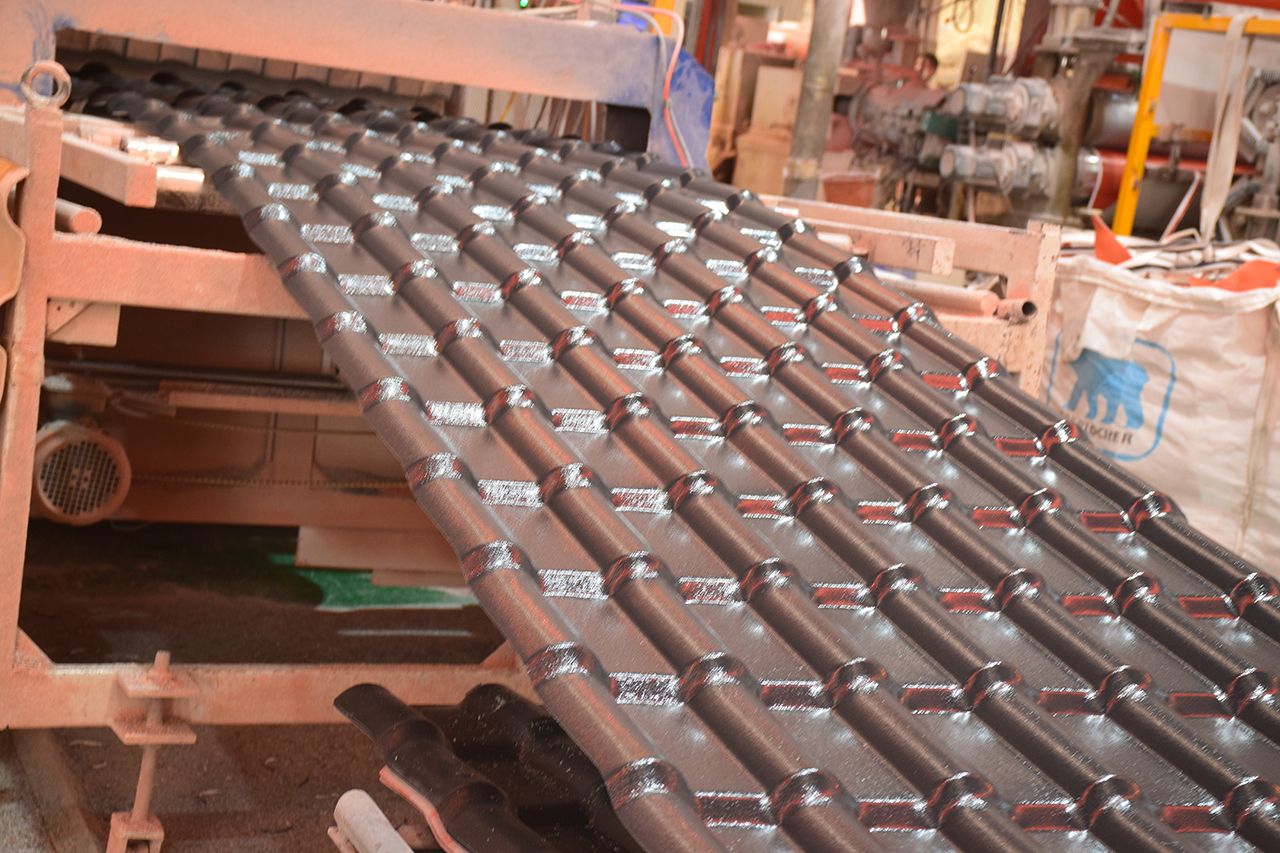
Comparing synthetic resin roof tiles with traditional roofing materials makes the differences even clearer. Cement tiles have many pores, so after prolonged use, they easily absorb water until they are saturated; as a result, leaks are relatively common during sudden extreme weather events or when installation is improper. Although clay tiles are durable, the joints are complex to seal; once the waterproofing layer deteriorates or ages, frequent maintenance becomes necessary. In contrast, synthetic resin roof tiles are highly uniform and feature a smooth surface that resists dust accumulation; they remain clean simply through rainwater runoff, thereby reducing the risk of water seepage caused by the buildup of dirt and debris.
In terms of slope and drainage efficiency, synthetic resin roof tiles also offer advantages. Their low surface coefficient of friction allows rainwater to flow quickly, preventing water from pooling. This adaptability to various adverse conditions is particularly notable in regions with heavy rainfall; Some older building materials, such as asphalt shingles and color-coated steel roofing sheets, are prone to various types of damage—including cracking and rust—during use, and their waterproofing performance deteriorates over time. In contrast, synthetic resin shingles offer exceptional corrosion resistance and resistance to aging, with a service life spanning several decades and consistently reliable waterproofing performance.
Overall, plastic resin roof tiles outperform traditional roofing materials in terms of rain protection. Keep in mind that the effectiveness of any rooftop rain protection material depends on proper installation techniques. Selecting an installation team with sufficient practical experience, ensuring a reasonable slope for water runoff, and properly addressing all details are essential to fully realize their waterproofing advantages and avoid unnecessary losses caused by improper installation.
Overall, the waterproofing performance of synthetic resin roofing tiles is reliable. The key factors ensuring this reliability are the material’s low water absorption rate and its structure, which is built through a scientific manufacturing process; these offer significant advantages over traditional materials such as cement tiles and clay tiles. During actual installation, special attention must be paid to adhering to standard construction procedures and properly designing the slope for drainage to ensure long-term, stable waterproofing performance.
Keywords:Waterproofing Properties of Synthetic Resin Roof Tiles