Having worked in the roofing industry for over twenty years, I’ve seen countless people waste their money. In the past, houses in the village were all built with traditional clay tiles, which required repairs every two or three years; the leaks were so severe that people were constantly complaining. Nowadays, people’s living standards have improved, and they pay close attention to home renovations; however, when it comes to choosing roofing materials, they remain clueless and at a loss.
Quite a few people have asked me what kind of roofing tiles they should choose to save money while ensuring long-lasting durability. High-quality resin roofing tiles have become increasingly common on the market in recent years. While they aren’t cheap, there are indeed good reasons for their price. I’m not here to hype them up or disparage them—I’ll just share some honest insights based on my actual work experience.
Why Are More and More People Using Resin Roof Tiles?
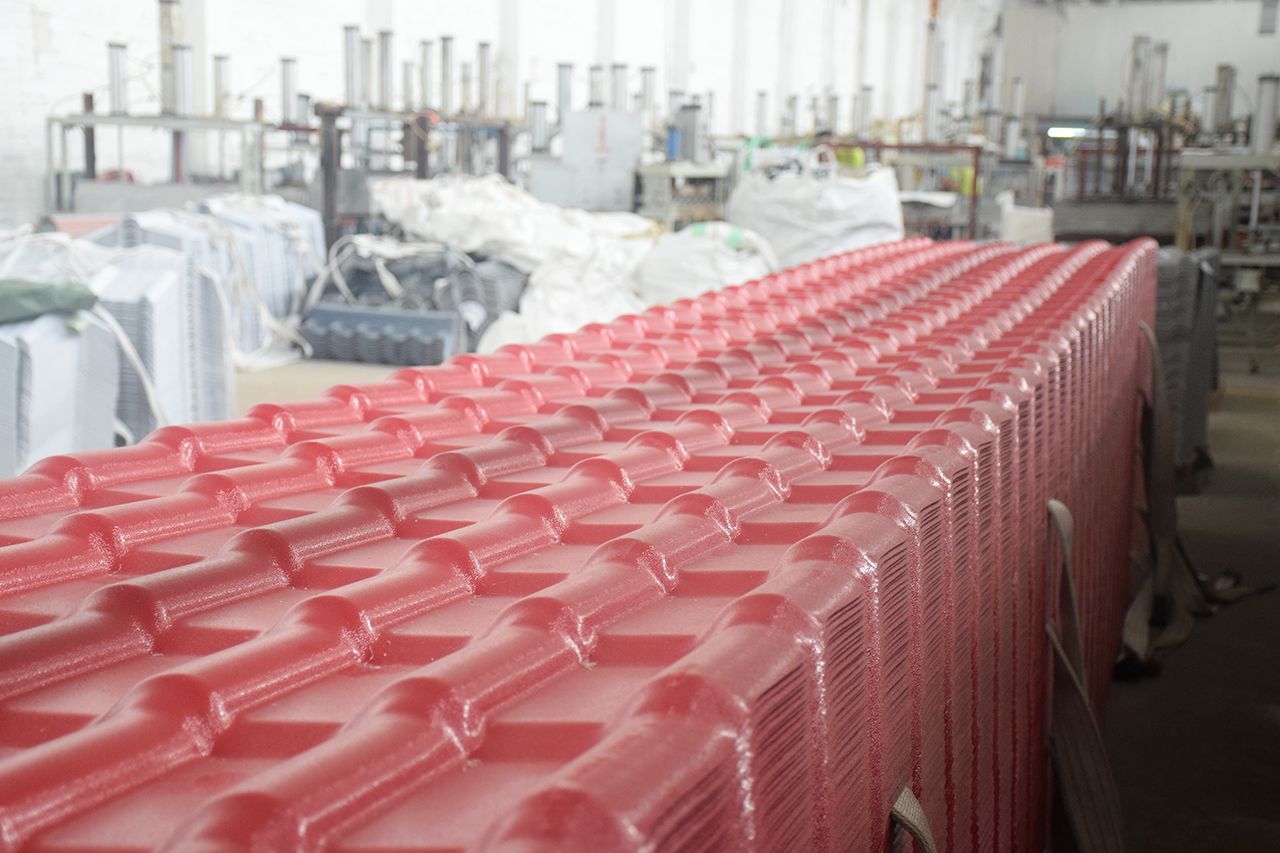
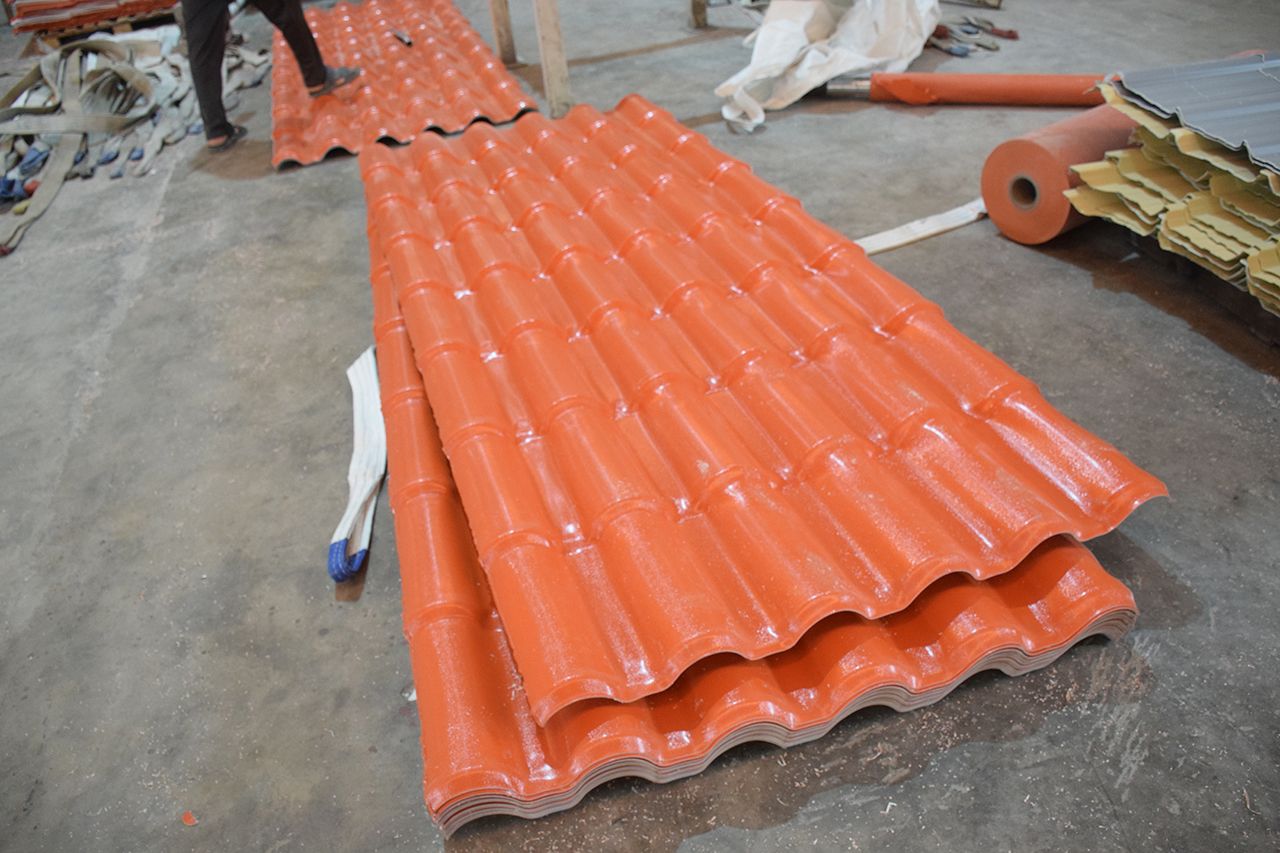
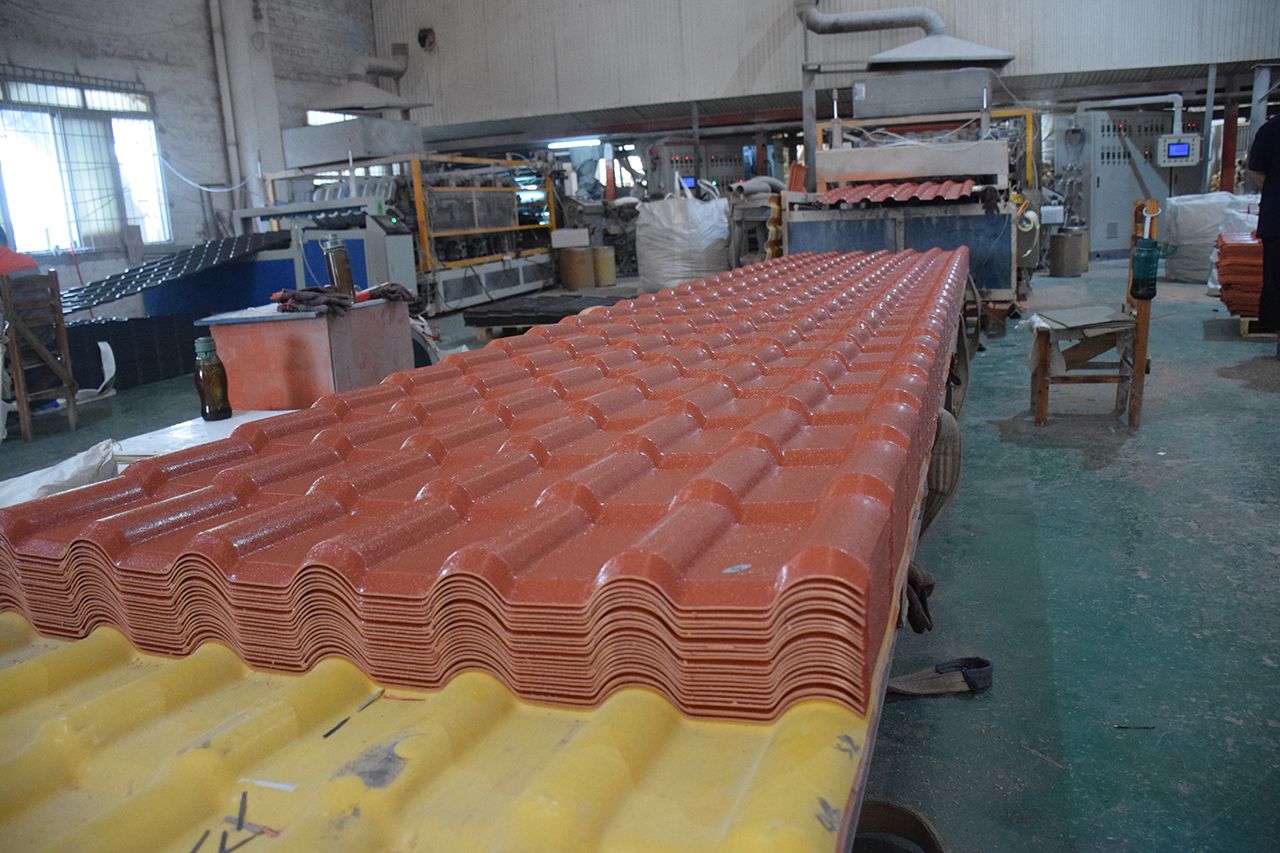
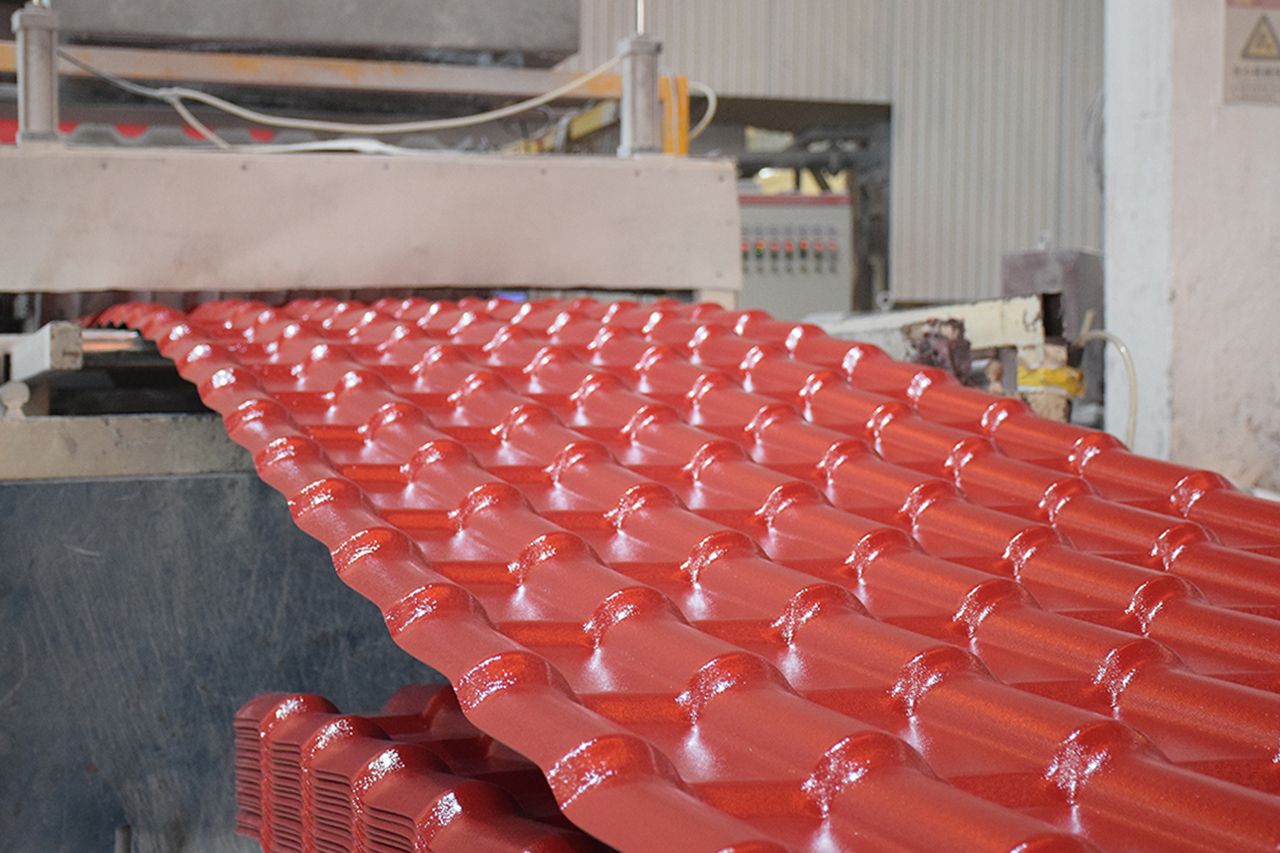
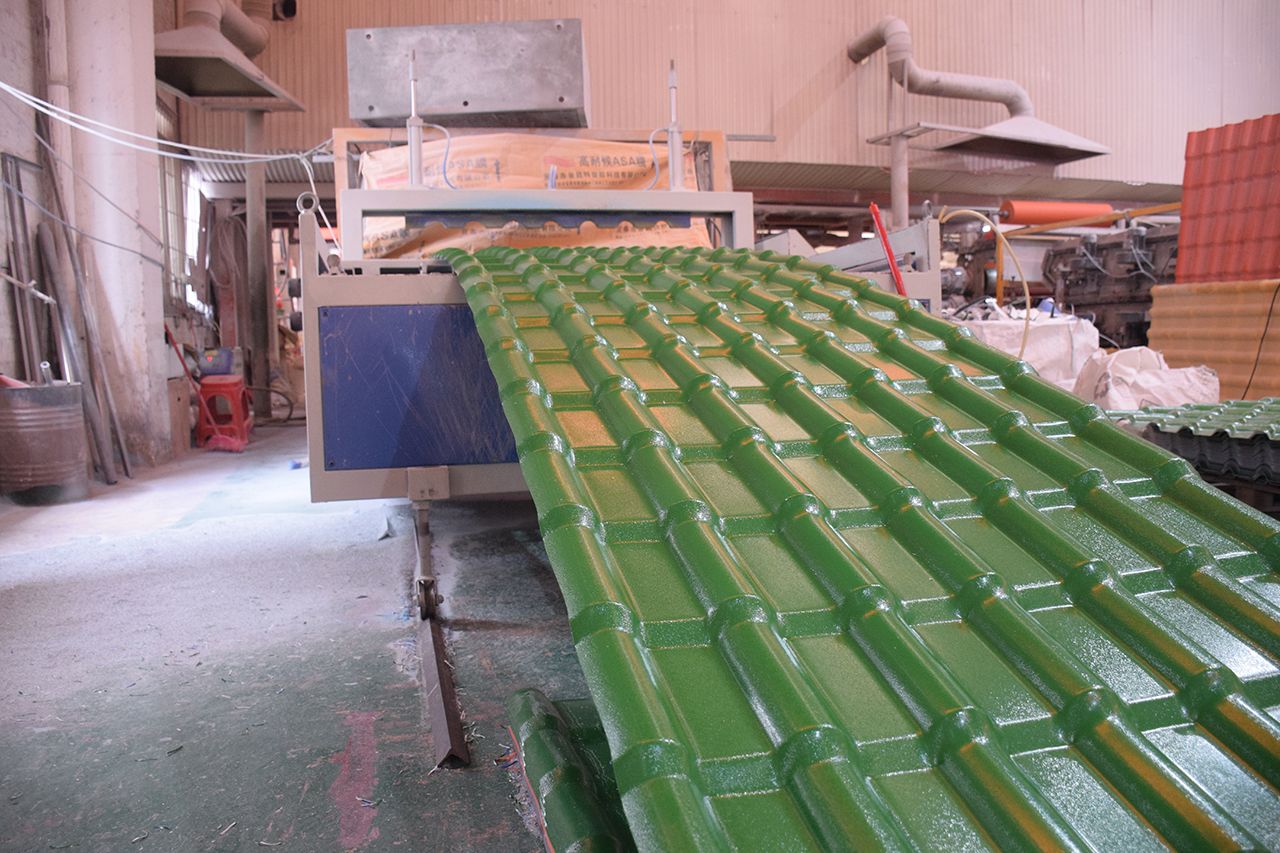
The material known as “resin roofing tiles” may sound novel, but it is actually a technology that has been well-established for many years. Its main component is synthetic resin, to which a small amount of auxiliary additives are added, and it is manufactured into tiles through an extrusion process. This manufacturing process ensures that, from the outset, they are lighter and more flexible than traditional roof tiles.
I’ve seen many clients’ homes where traditional roof tiles have been in use for decades; their roofs are now covered in rust, and the owners live in constant fear every time it rains. The problem with resin roof tiles is that the lifespan of low-quality products falls far short of what is advertised. To keep production costs down, some small manufacturers severely adulterate their raw materials, resulting in products that become brittle and crack within just a few years. This is why there is such a wide range of prices for resin roof tiles on the market, ranging from 20 to 30 yuan per square meter to 70 to 80 yuan per square meter.
Truly reliable resin roofing tiles feature a weather-resistant coating on their surface that protects against UV rays, preventing the tiles from fading. I have personally seen construction sites where the resin shingles have been installed for two or three years, and their color remains indistinguishable from that of new ones—a clear indication that this resin shingle material is indeed of exceptional quality.
What Exactly Makes Resin Roof Tiles So Expensive?
Many people’s initial reaction is that resin roofing tiles are more expensive than traditional glazed or clay tiles, so why use them? That’s a very good question.
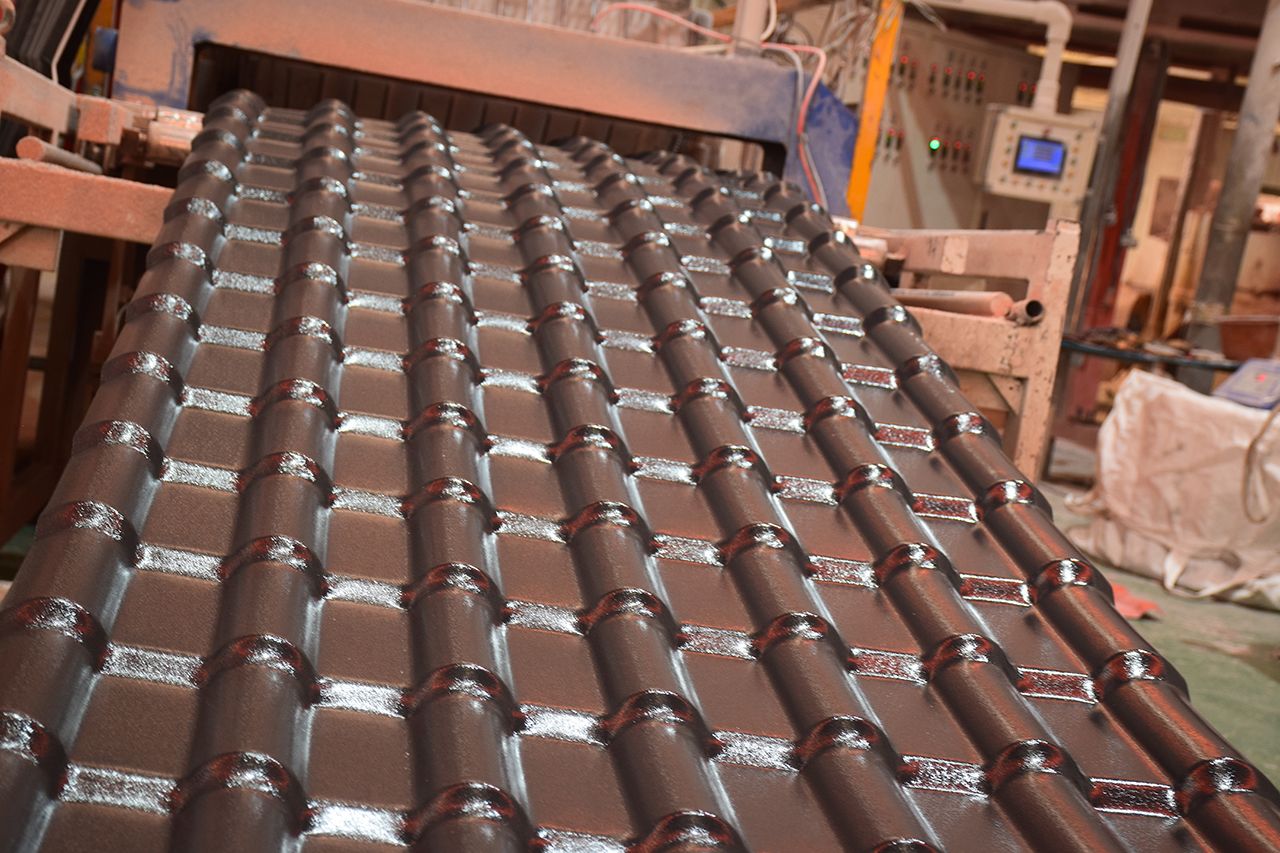
In terms of the unit price of the material alone, resin roofing tiles are certainly not inexpensive. However, when all costs are taken into account, the picture changes. Traditional roof tiles are quite heavy and require sturdier roof trusses to support them, yet this structural cost is often not factored into the budget for many homes. Resin shingles are lightweight and exert less pressure on the roof beams than traditional tiles, resulting in substantial savings.
On top of that, there are maintenance costs: with traditional roof tiles, damaged ones need to be replaced every few years, and labor costs are not exactly cheap. If resin roof tiles meet quality standards, they can last twenty or so years with virtually no hassle. When you spread that lifespan out over the years, it’s actually more cost-effective.
There is also a subtle difference: the treatment of seams in resin roofing tiles is simpler and more straightforward compared to traditional tiles. Traditional roof tiles are highly prone to leaks if the overlaps are not properly aligned, whereas resin tiles offer superior overall sealing performance. They are also easier to install, which can help reduce labor costs in this regard.
What to Look for When Buying Resin Roof Tiles
When purchasing materials, the situation can be quite complicated. I’ve been to construction sites to inspect the roof tiles brought back by some construction crews, and some of them were clearly too thin—they would bend as soon as someone stepped on them. High-quality resin roof tiles are typically at least three millimeters thick. If you try to bend one by hand, you’ll feel that it’s flexible—it won’t snap cleanly like a brittle material.
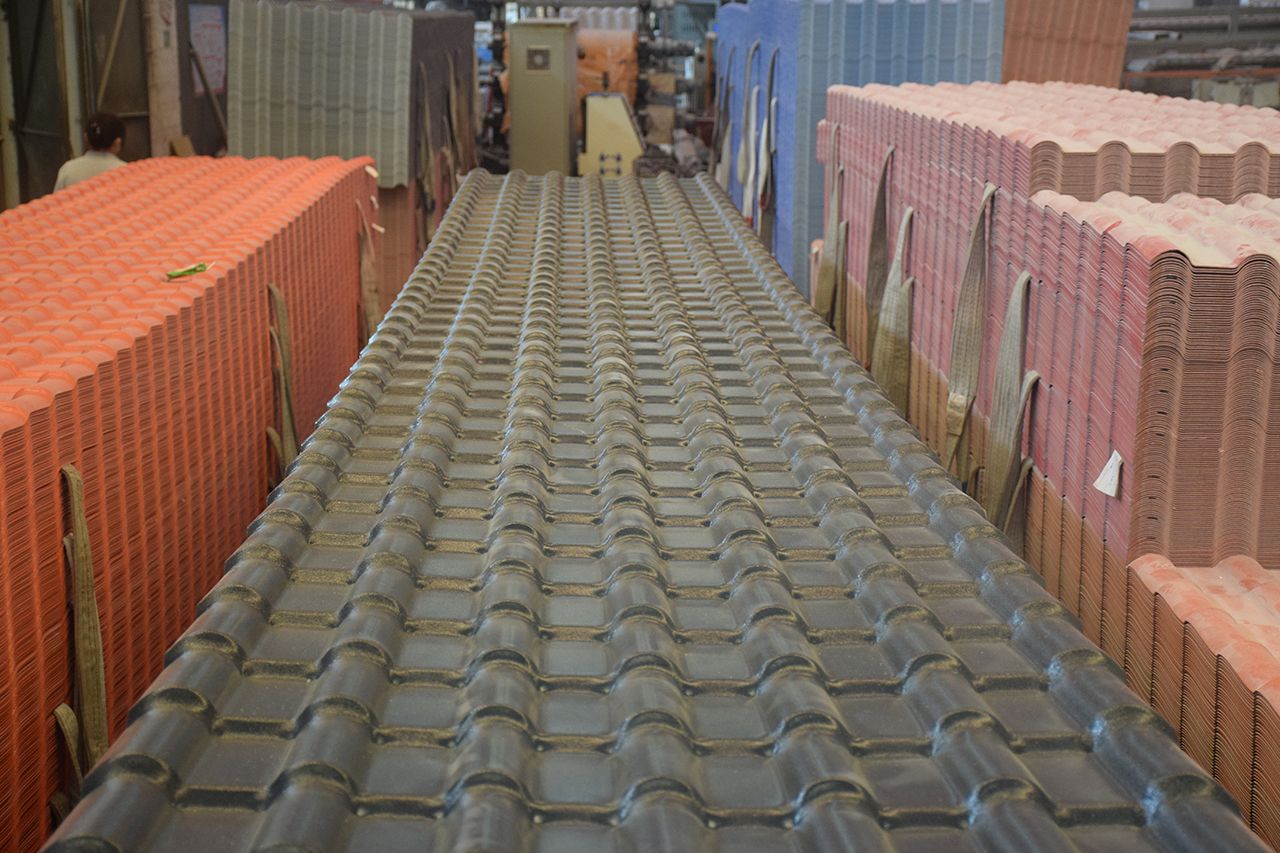
Let’s start with the color. High-quality resin roof tiles have a smooth surface, a uniform color, and are free of impurities and air bubbles; However, some lower-priced tiles on the market have rough surfaces and feel unpleasant to the touch. Materials like these inevitably lack weather resistance; once exposed to wind and sun, they will fade before long.
During installation, it is also important to note that resin shingles are not well-suited for areas with very low roof pitches, as rainwater will not drain properly and pooling is highly likely. The fastening screws must be driven all the way in, but should not be overtightened; otherwise, the uneven stress on the shingles may cause them to crack.
As the roof is a key part of a house’s exterior appearance, choosing the right materials can save you a lot of trouble down the road. Don’t focus solely on the unit price; instead, consider the overall cost of ownership and select reliable materials and a trustworthy construction team—that is the right approach.
Keywords:High quality resin tiles