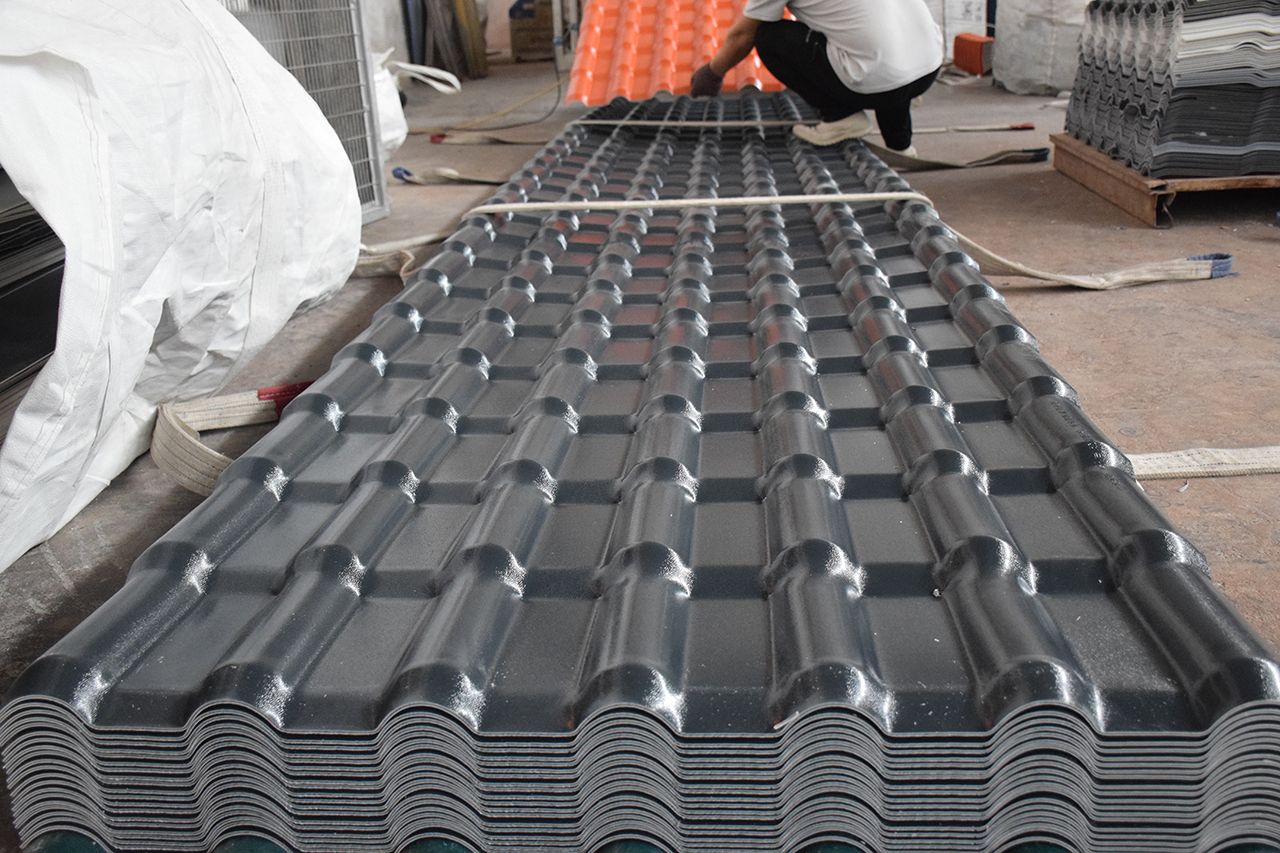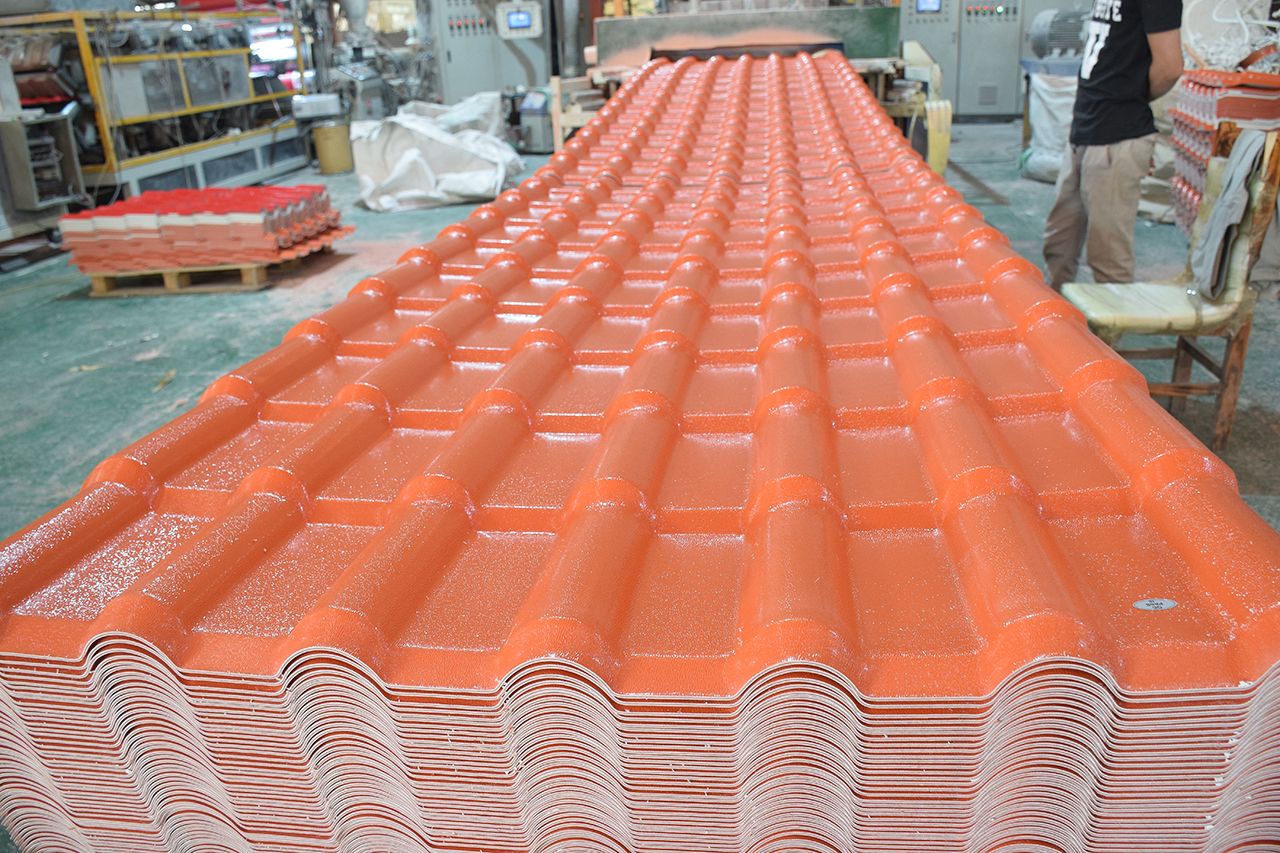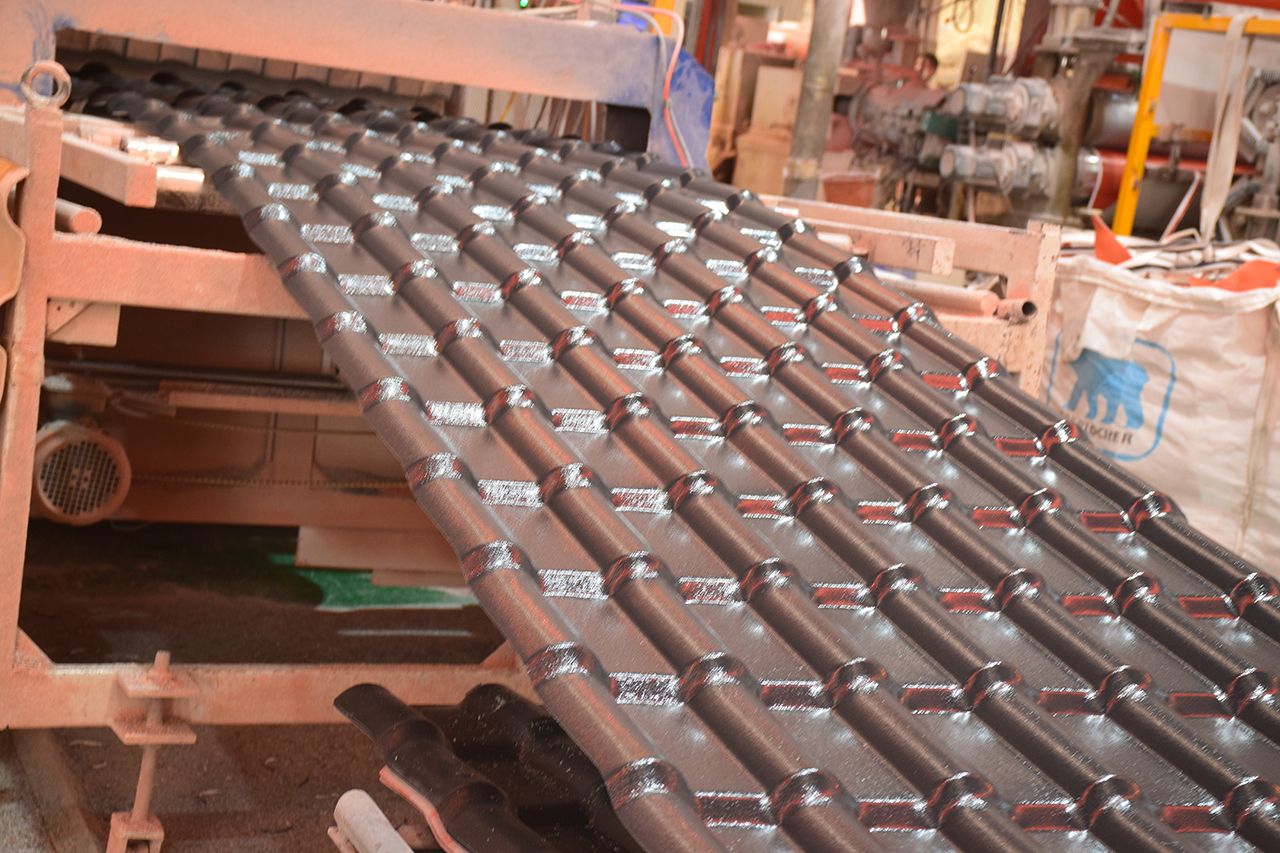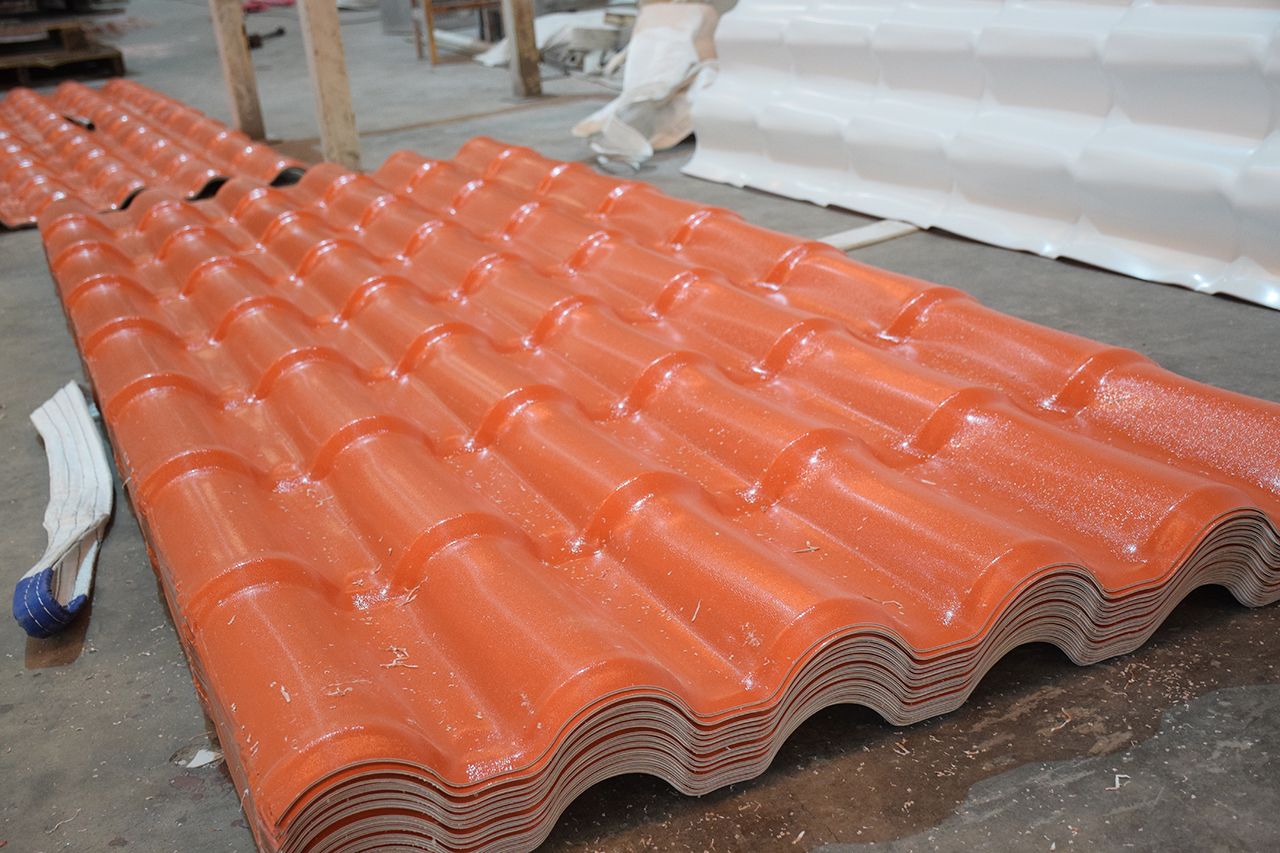
When it comes to roofing materials, many people find themselves torn over which type of tile to choose. Traditional glazed tiles look impressive but are heavy, while color-coated steel tiles are inexpensive but prone to rust. Over the past few years, while visiting construction sites and building material markets, I’ve noticed that synthetic resin tiles have gradually caught the attention of homeowners building their own houses. Whether this material is worth choosing requires an analysis based on real-world usage scenarios.
How is the durability?
As for synthetic resin roofing tiles, their main component is polymer resin, and their surface is coated with an ASA weather-resistant layer, giving them better UV resistance than many traditional roofing materials. Under normal conditions, their service life can exceed 30 years, which is quite impressive in the roofing materials industry. During the renovation of an older home in a rainy region in southern China, the family found that their resin roofing tiles—which had been in use for ten years—had shown virtually no discoloration or fading. This is far superior to color-coated steel roofing sheets!
This type of roofing tile has a relatively low coefficient of thermal expansion; even under extreme temperature fluctuations, it is unlikely to warp or crack. In northern regions, where winter temperatures can drop to minus 20 degrees and summer temperatures can soar to 60 or 70 degrees, ordinary plastic roofing tiles might become brittle, whereas resin roofing tiles can still maintain a certain degree of flexibility. That said, even the best materials aren’t all-powerful; if installed incorrectly, problems will still arise.
Price-Cost Analysis
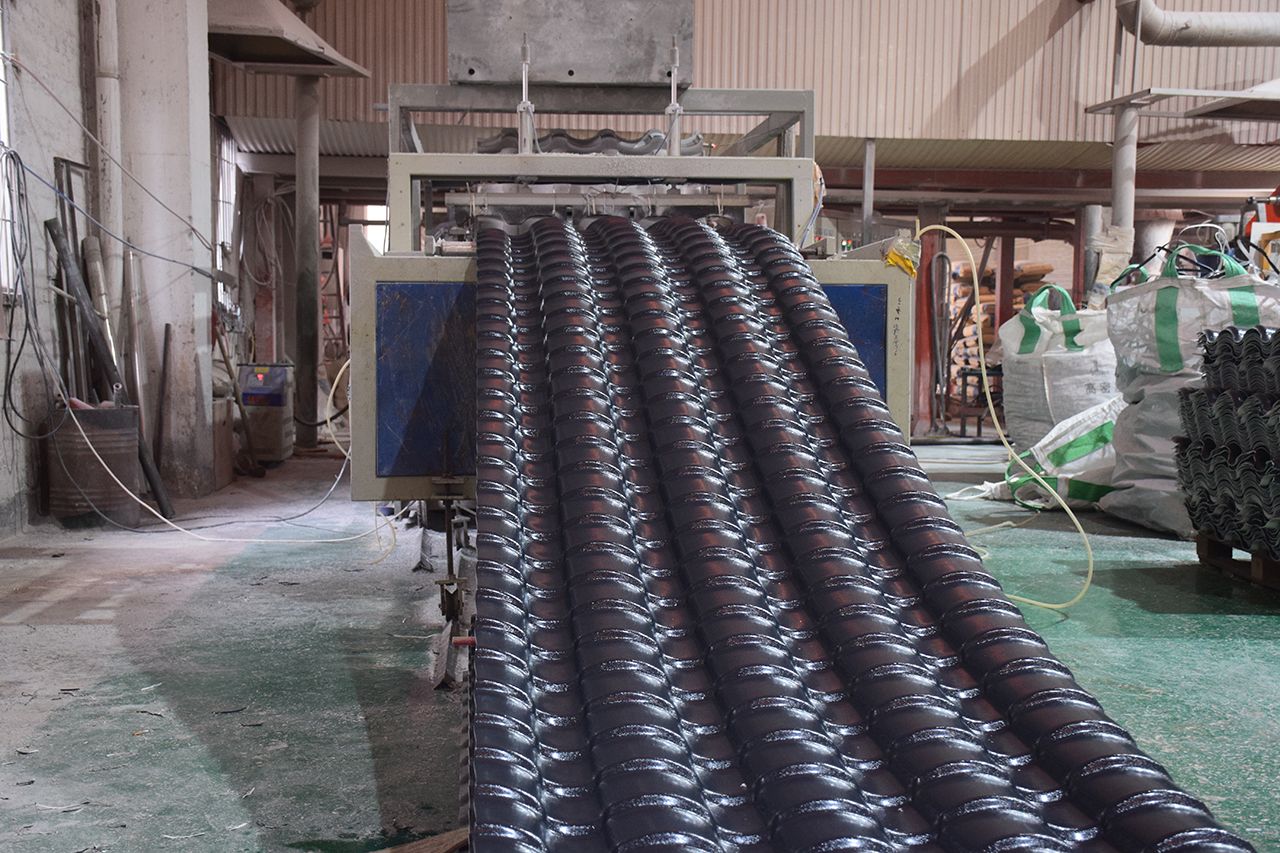
The unit price of resin roofing tiles is slightly higher than that of color-coated steel roofing tiles, but they are still cheaper than ordinary clay tiles. with prices generally ranging from 30 to 50 yuan per square meter, depending on the brand and thickness. Even after factoring in transportation and installation costs, the total cost remains within a reasonable range. For a small two-story house built on one’s own property in a rural area, the project can be completed for just over 20,000 yuan using resin roof tiles—a price considered moderate by local standards.
Compared to glazed tiles, resin tiles offer significant cost savings; glazed tiles, when paired with a joist support system, can easily exceed 100 yuan per square meter. If you’re looking for value for money, resin tiles are indeed a very good choice. Among the features of resin tiles is one advantage that is often overlooked: their light weight, which places fewer demands on a building’s load-bearing structure—a particularly critical factor when renovating older homes.
Installation and Usage Instructions
The installation process for resin roofing tiles is relatively simple; the overlapping method is well-established, and even an ordinary roofer can handle it. However, it is important to note that the spacing between the roof battens should not be too wide—generally, it is recommended to keep it within 60 centimeters. Otherwise, the area may deform when stepped on during rainy weather. In snowy northern regions, it is especially important to ensure adequate support, as the load-bearing capacity of snow accumulation is limited.
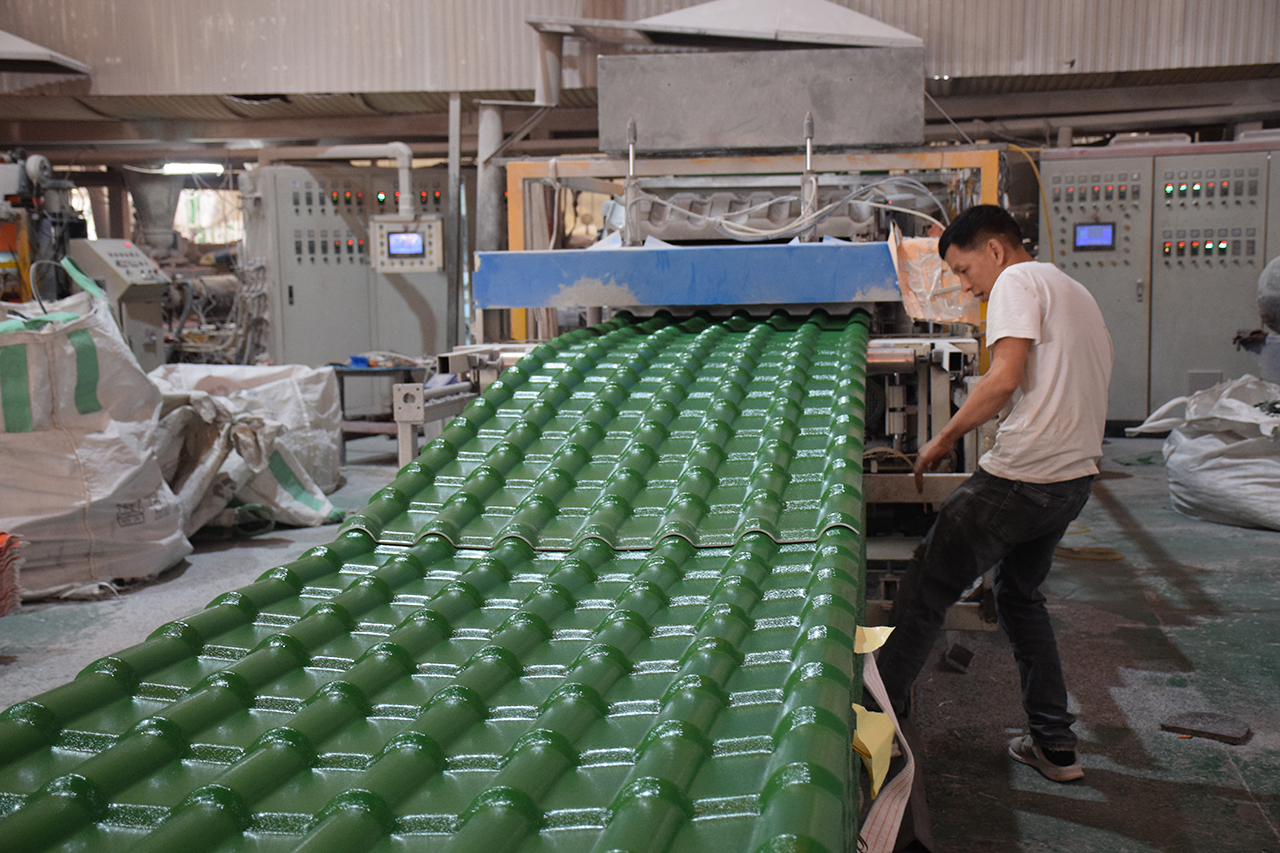
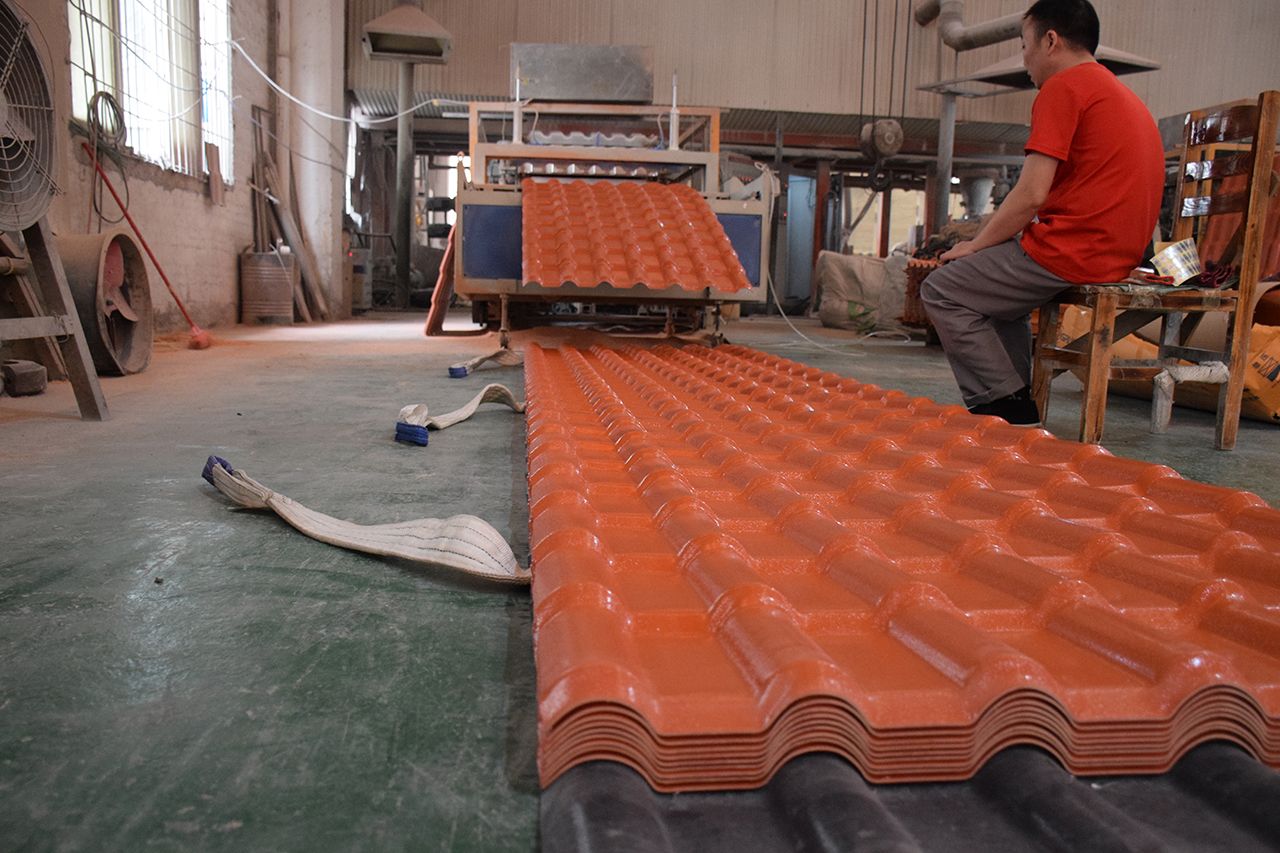
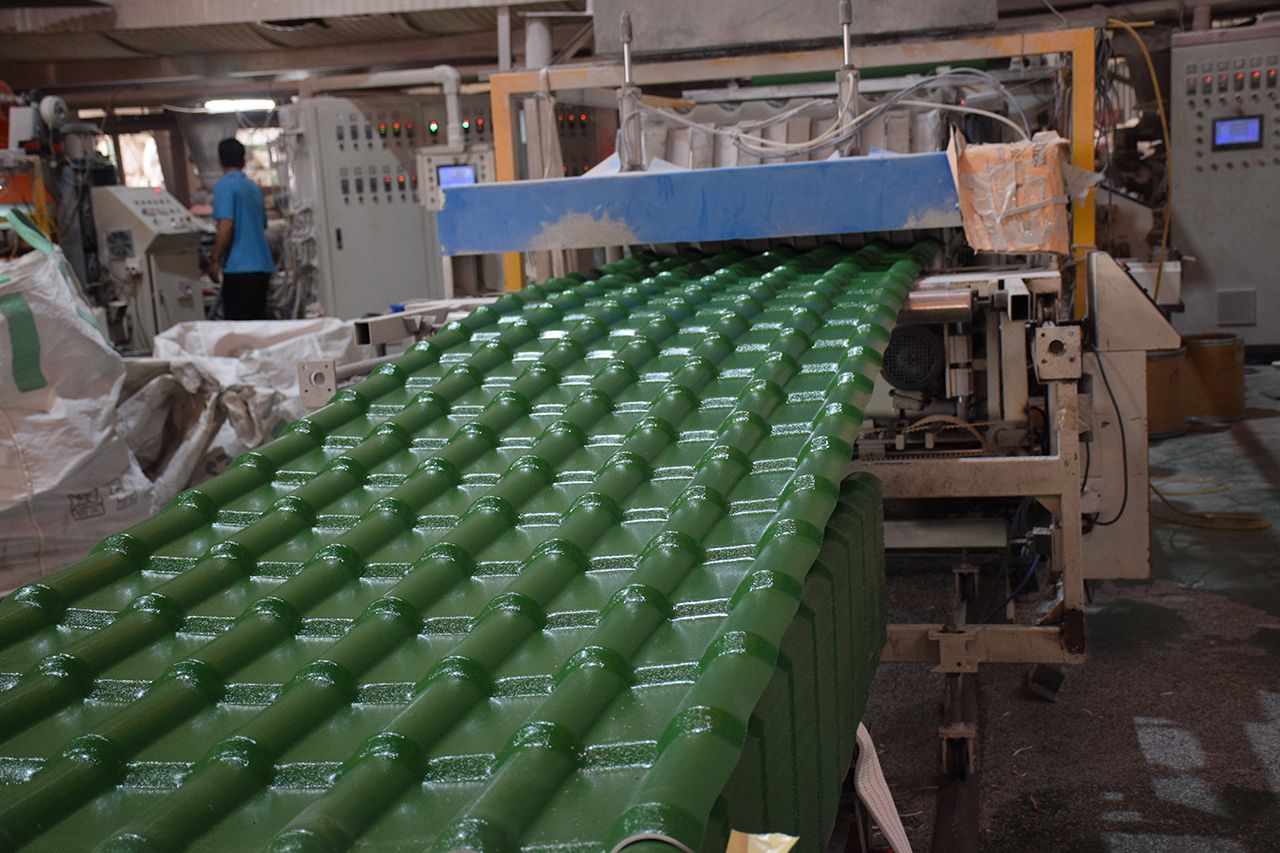
As for colors, there is now a wide variety to choose from, including maroon, dark green, and gray-blue, among others, all of which can complement homes of various styles. However, there is one drawback: they are not well-suited for industrial buildings with exceptionally large spans. When the span is large, it becomes necessary to increase the density of the purlins, which in turn drives up costs. After a comprehensive evaluation, the characteristics of resin roofing tiles make them suitable for residential buildings with small to medium spans. When used in the right applications, their advantages become clearly evident.
Overall, synthetic resin roofing tiles strike a fairly good balance between durability and value for money. For self-built homes in rural areas and small-to-medium-sized buildings, they are a viable option worth considering. The key is to make a decision based on actual usage and budget, rather than focusing solely on price as the sole criterion.