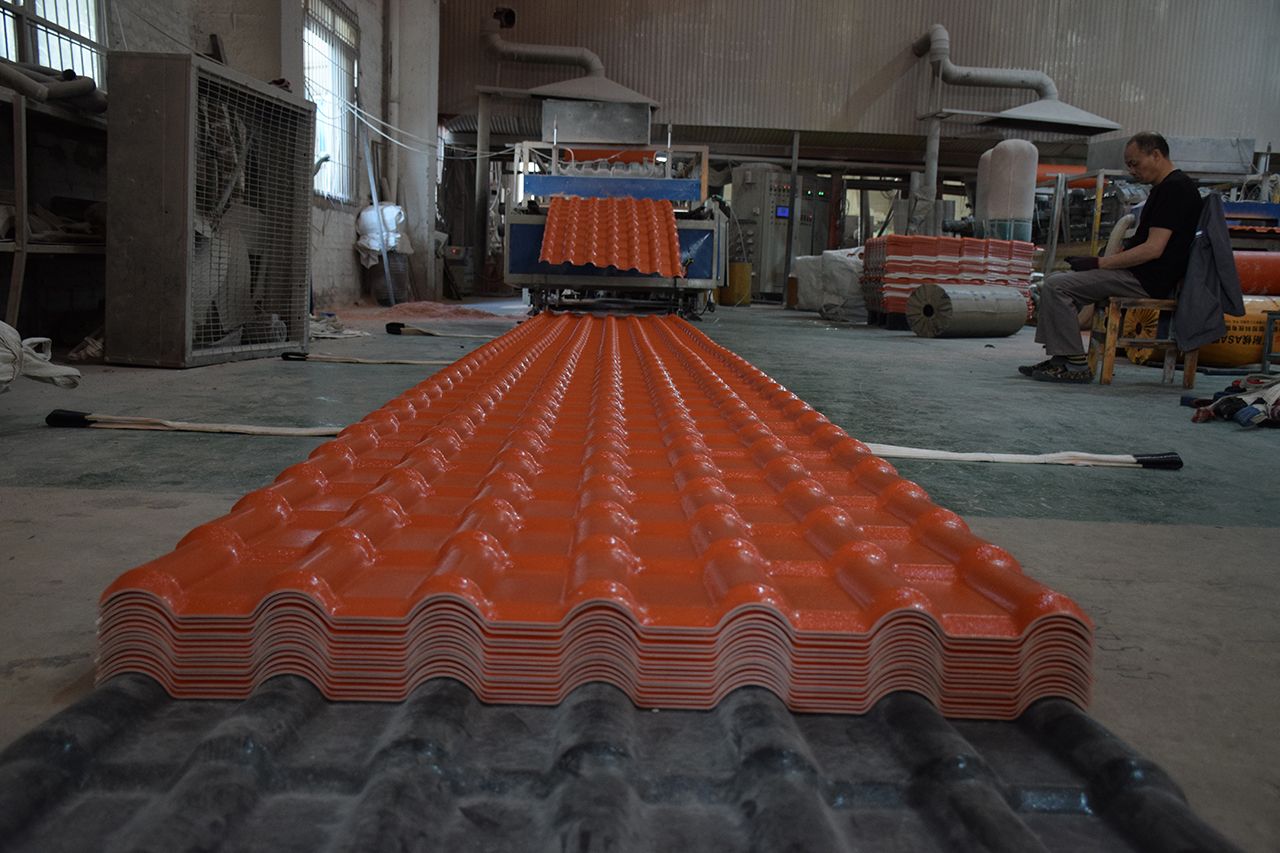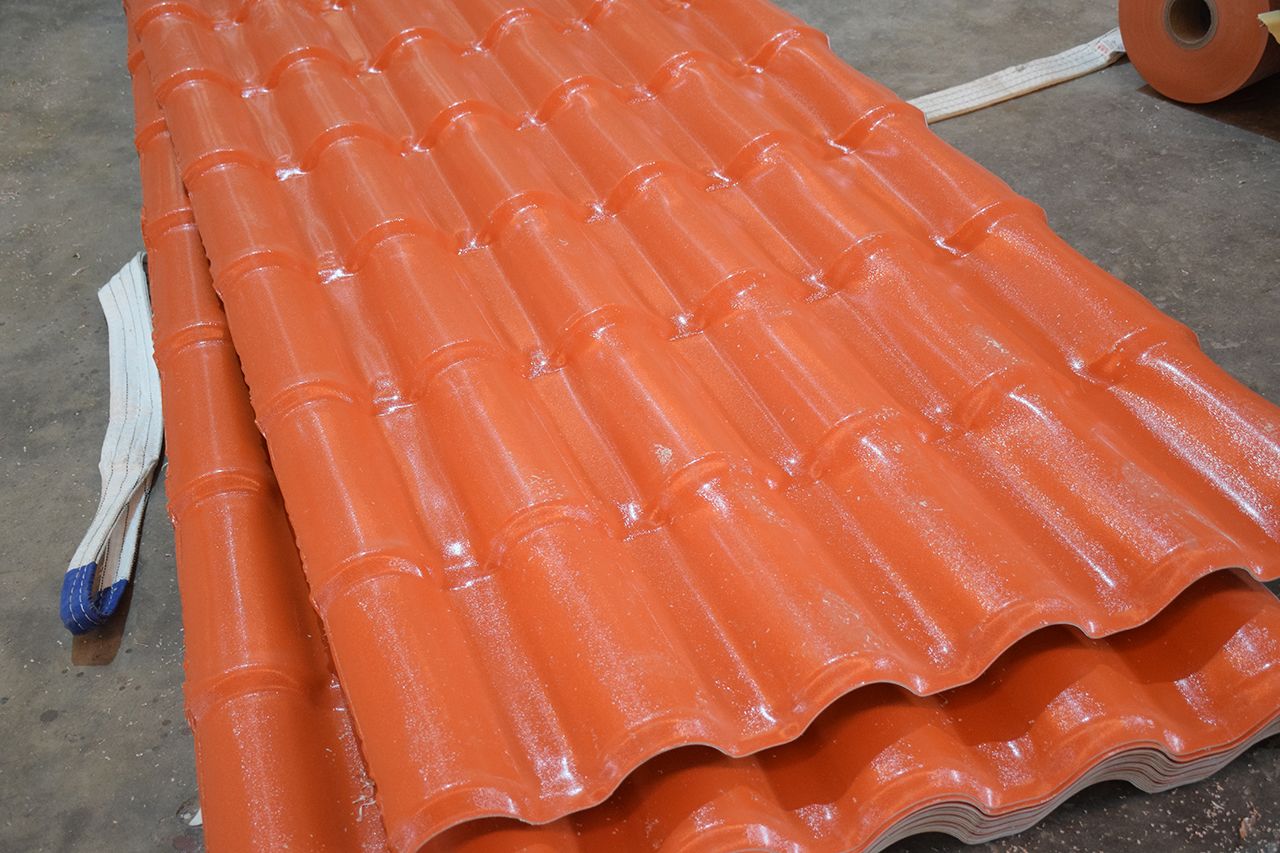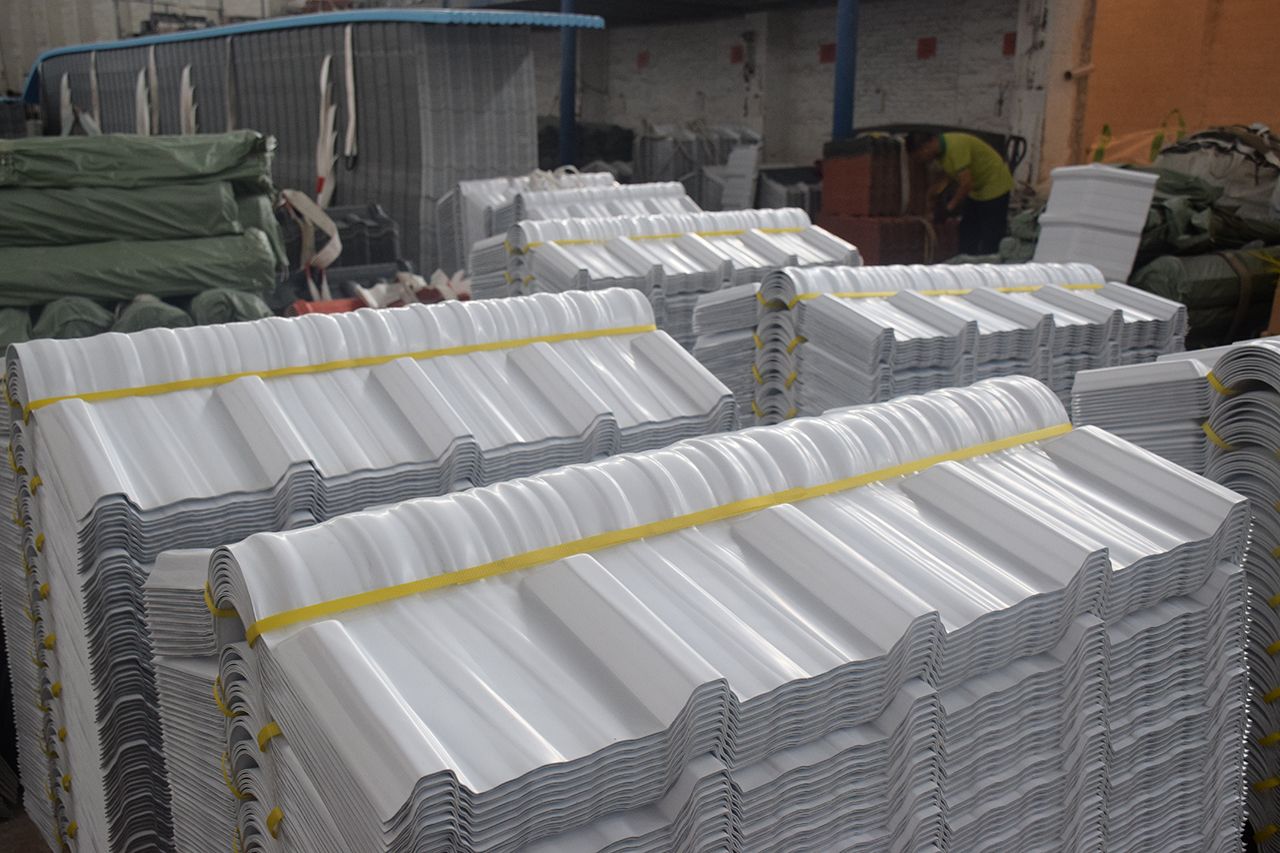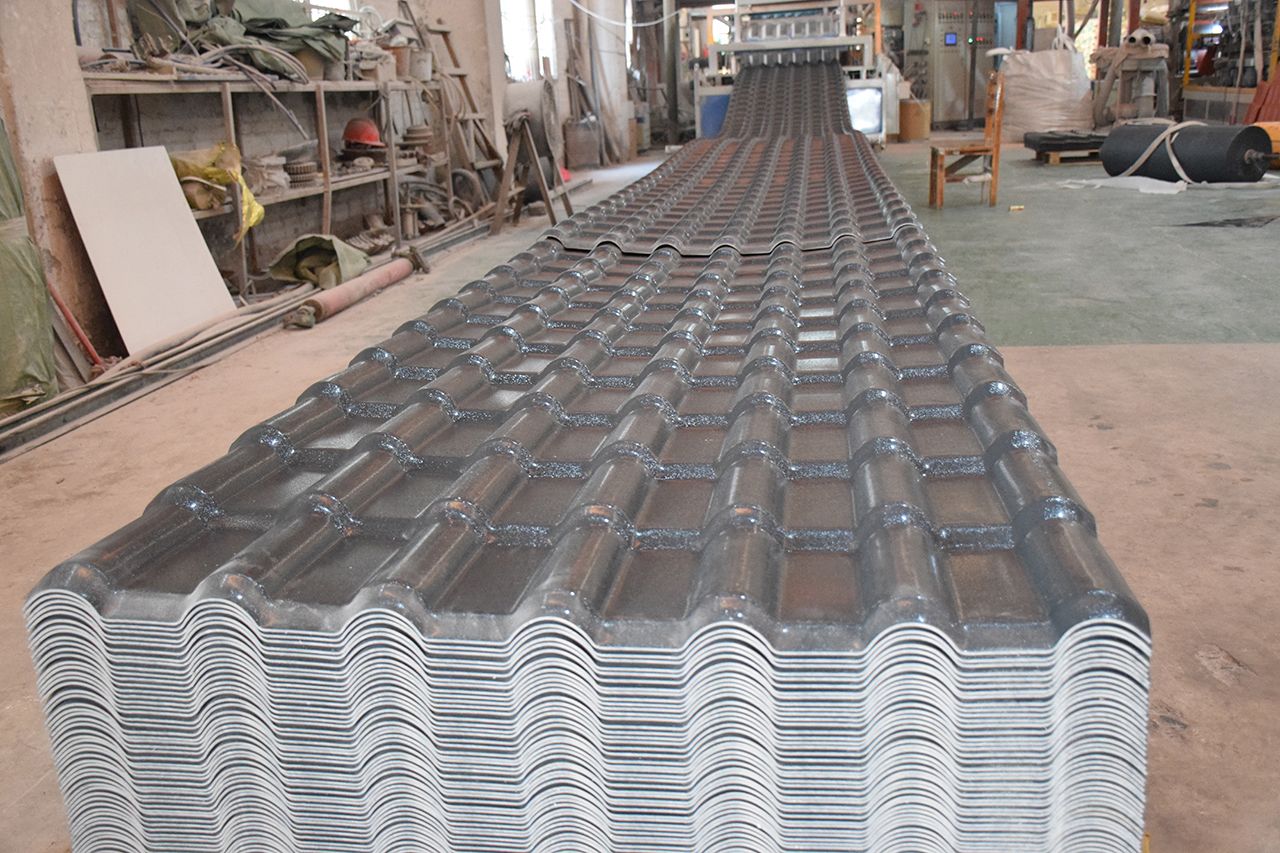
My family has been providing consulting services for self-built homes for over a decade, and I’ve worked with countless homeowners. Many of them don’t come to ask me which roofing material to choose until they’re halfway through the renovation process—by which point, it’s usually too late. In fact, the key to choosing the right roofing material lies in whether it can solve the actual problems at hand. Synthetic resin shingles have become quite popular in recent years, yet many people are unclear about exactly what advantages they offer.
What Are the Advantages of Synthetic Resin Roof Tiles?
In the past, when building houses, traditional roof tiles—such as clay tiles and cement tiles—were used. Aside from their considerable weight, these tiles were prone to cracking and leaking over time. I clearly remember renovating a fellow villager’s roof the year before last. Several of the old tiles on his house were already badly damaged, and every time it rained, he had to go out to catch the rainwater. After replacing them with synthetic resin tiles, he said he could finally sleep soundly.
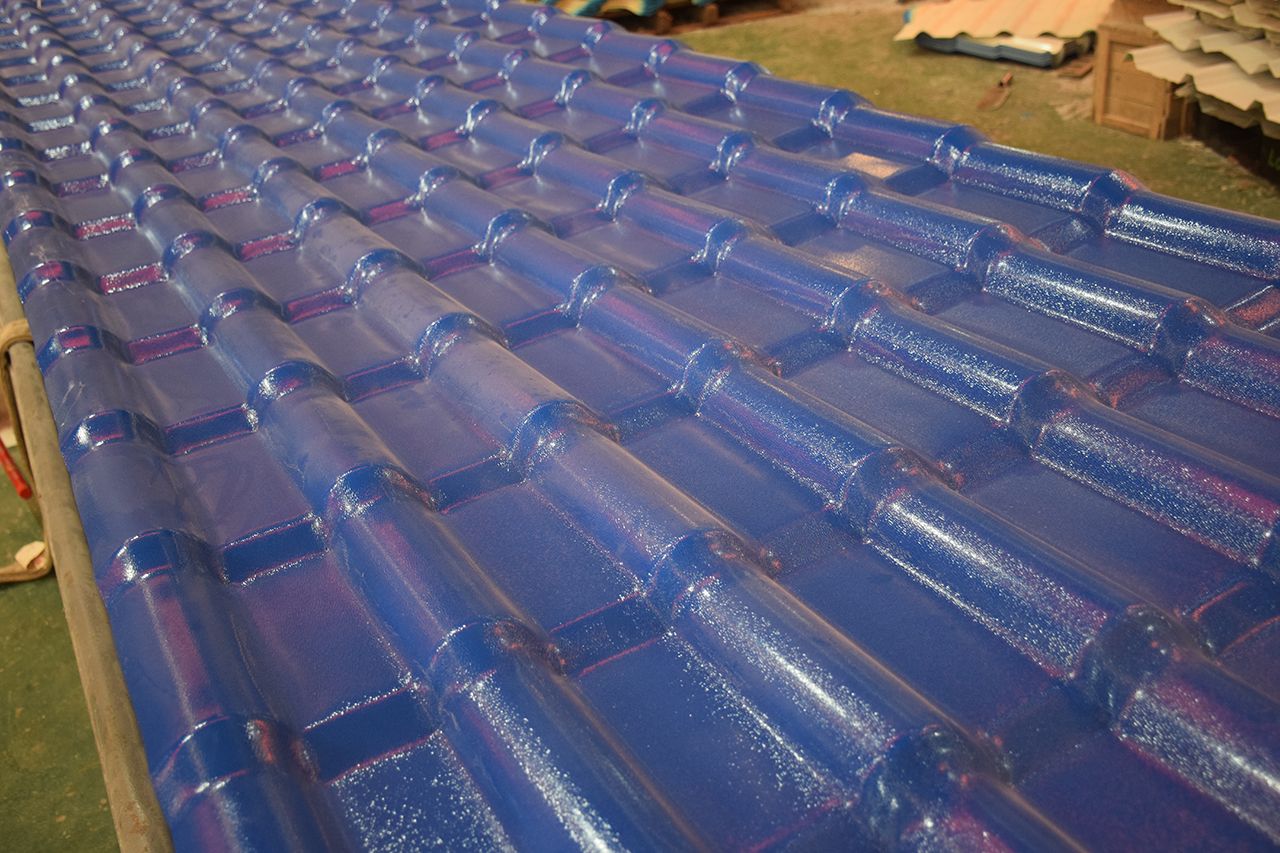
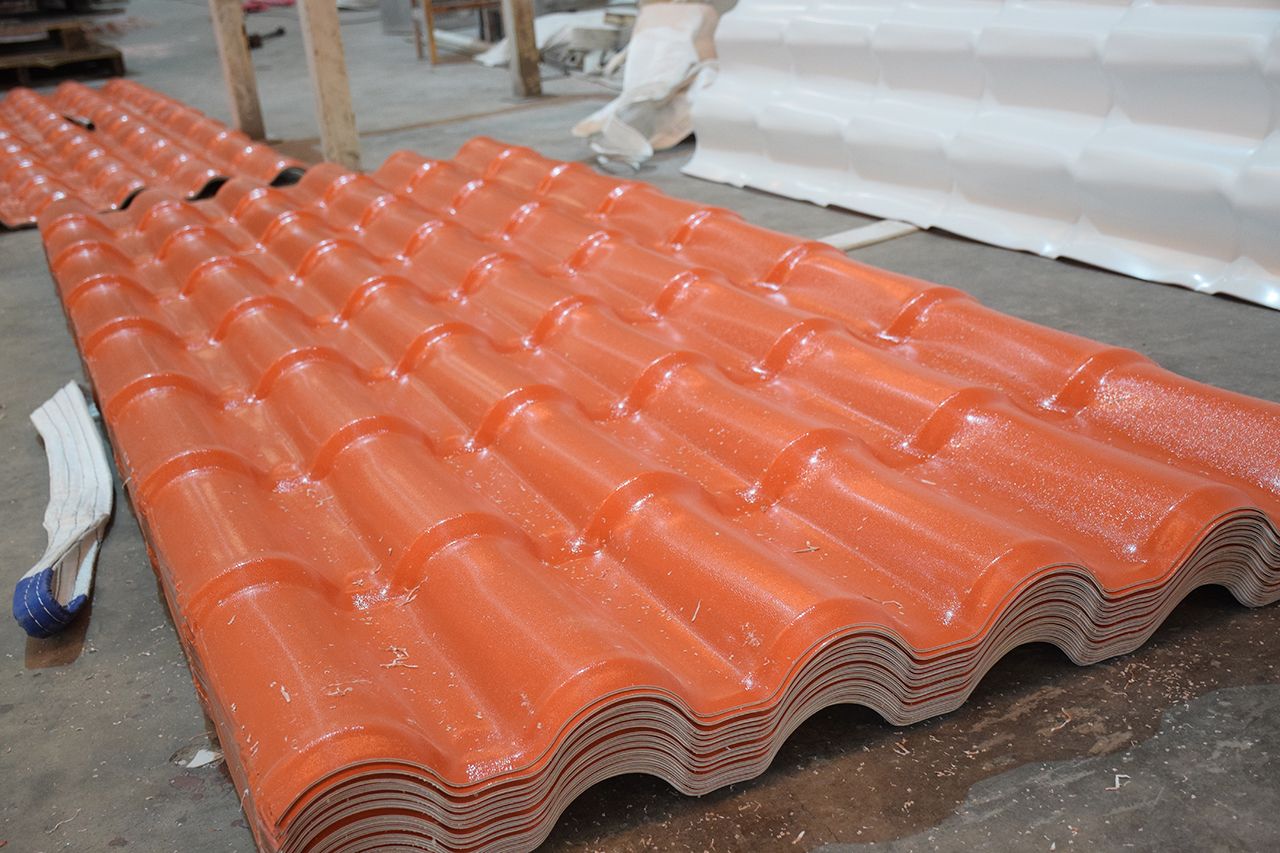
One of the most notable advantages of synthetic resin roofing tiles is their lightweight and durable nature. The primary component of this material is synthetic resin, which has a relatively low density, significantly reducing the effort required for both transportation and installation. Furthermore, unlike traditional roof tiles, it is not brittle and offers excellent impact resistance; even when exposed to large hailstones, it is unlikely to break. Feedback from many homeowners indicates that even after seven or eight years of use, they still look as good as new.
One of its key features is its waterproof performance; the surface of the resin roof tiles is coated with a dense layer, making it extremely difficult for rainwater to penetrate. More importantly, the overlapping design of the tiles is carefully engineered to ensure that water flows away with the slope of the roof rather than pooling at the seams—a feature that is particularly crucial for self-built homes in regions with heavy rainfall.
How is it different from regular roof tiles?
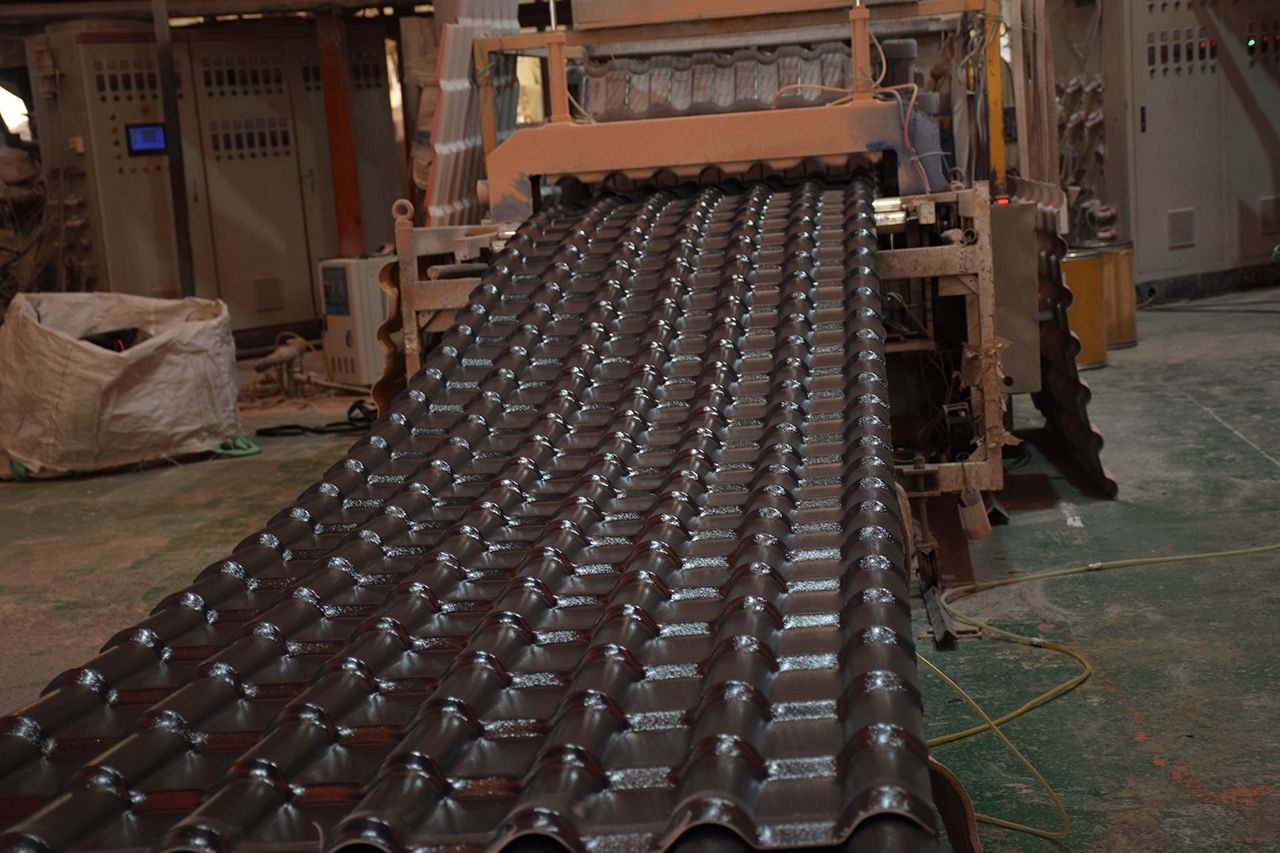
Many people ask: Just how big is the difference between synthetic resin roofing tiles and ordinary roof tiles? I’ve answered this question countless times. The most obvious differences lie in price and maintenance costs. Ordinary roof tiles may seem inexpensive at first glance, but they can lead to numerous problems down the road. After a few years, the cumulative cost of repairs and replacements can add up to a significant amount.
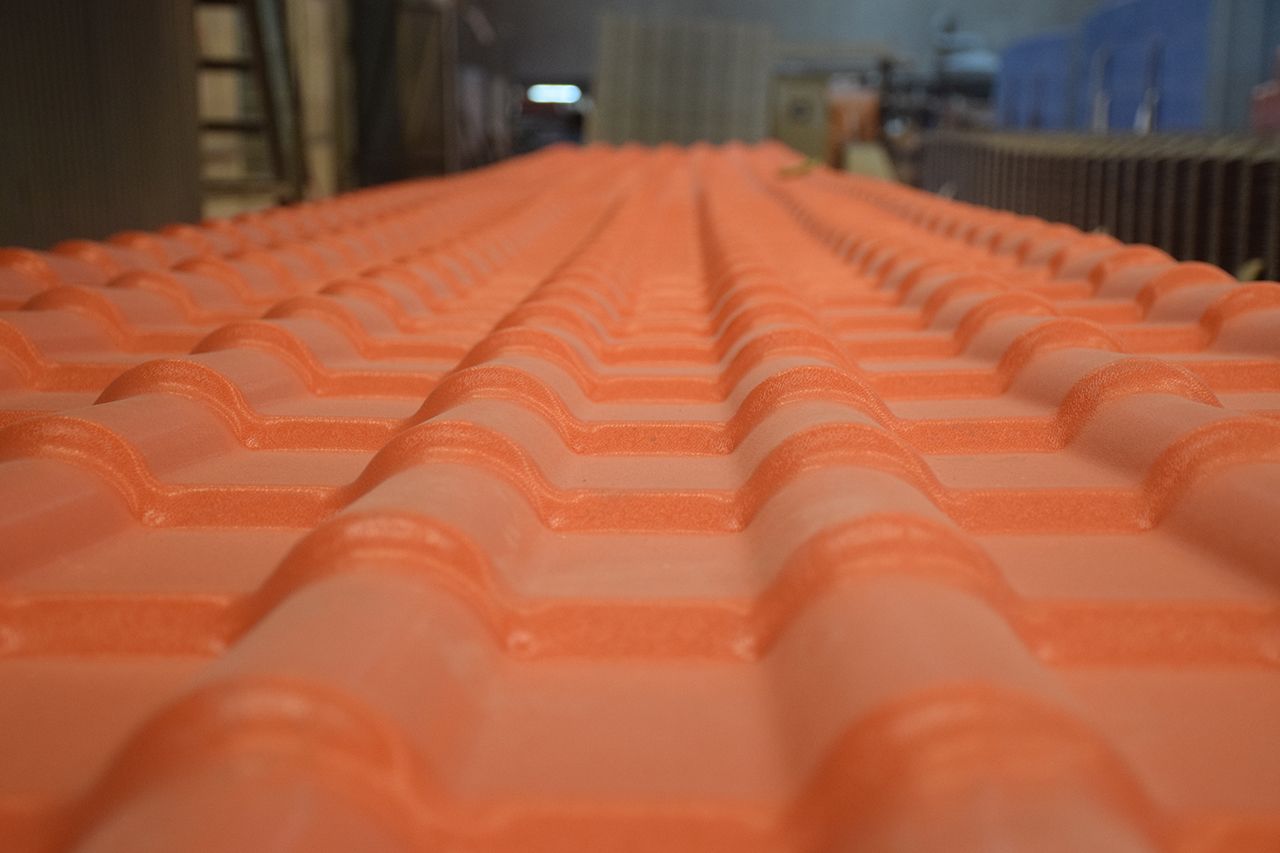
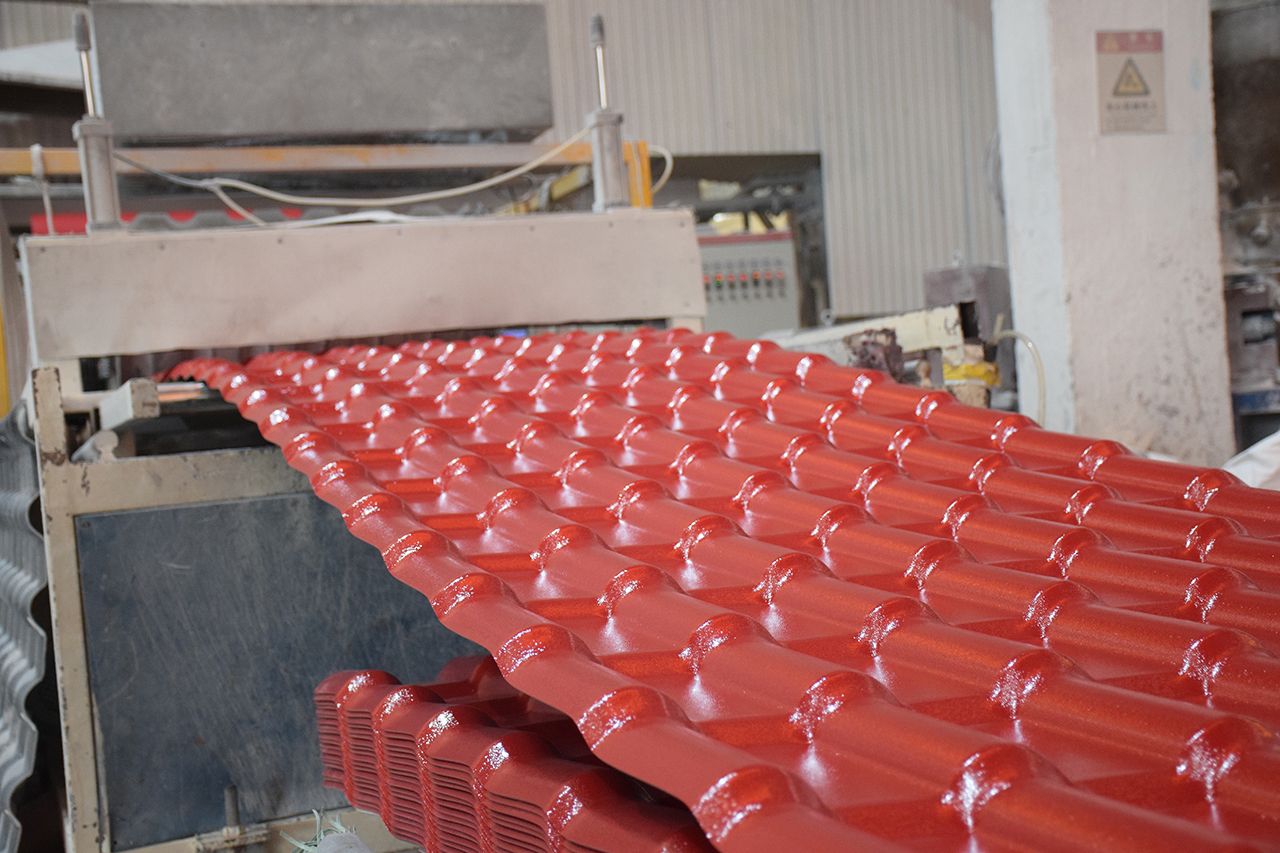
Another advantage is that installation is extremely fast. Resin roof tiles are uniformly sized and relatively lightweight, so a skilled worker can install a significant area in a single day. In contrast, traditional roof tiles must be laid one by one, a process that is both time-consuming and labor-intensive, and one in which errors are highly likely to occur. For homeowners eager to move in, time is also a cost.
In terms of appearance, resin roof tiles come in a variety of colors, ranging from dark gray to reddish-brown. Some homeowners have deliberately chosen colors that differ from those of other houses in the village, resulting in a courtyard that exudes a more refined sense of sophistication. Furthermore, these tiles are resistant to fading; even after years of exposure to wind and sun, their colors remain remarkably vibrant.
In what situations are resin roof tiles suitable?
Resin shingles aren’t suitable for every home. If your roof has a relatively gentle slope, or if your area experiences exceptionally strong winds, you should think carefully before installing them. Generally speaking, they work best on roofs with a slope of 15 degrees or more.
Resin roofing tiles are well-suited for rural self-built homes, as well as for scenarios such as villa roof renovations and sunroom construction. Their low-maintenance nature is particularly valuable for homeowners who do not wish to perform frequent repairs. When they become dirty, a simple rinse with water is all that’s needed—unlike traditional roof tiles, which require regular inspections and replacement.
The advantages of synthetic resin roofing tiles are evident in every aspect—from installation to the operational phase and on through to subsequent maintenance—making the entire process much less of a hassle. If you’re struggling to decide on a roofing material, it’s worth learning more about its characteristics and making a choice based on your specific circumstances. Don’t focus solely on price—you need to consider the long-term costs.
Keywords: Advantages of Synthetic Resin Roof Tiles