In the roofing materials market, resin roofing tiles have captured a significant share in recent years. This is because they are lightweight, weather-resistant, and easy to install—all of which are the reasons for their widespread adoption. However, faced with the numerousResin tiles manufacturer , Many buyers and construction crews don’t know exactly how to choose materials; they usually rely on intuition or focus solely on price, which often leads to a series of problems after the materials are used. In fact, by mastering a few key criteria, you can avoid most of these pitfalls.
How to Choose a Resin Roof Tile Manufacturer
There are many manufacturers of resin roofing tiles, but very few are truly reliable. Some manufacturers operate under the guise of being full-scale producers, but are actually nothing more than small assembly workshops that use recycled materials as their base material; while the appearance may seem acceptable at first glance, the tiles will become brittle and discolored over time. To determine whether a manufacturer is legitimate, check whether they have complete production certifications and product test reports. The ASA co-extrusion layer content is a core indicator; high-quality manufacturers typically have an ASA content of no less than 15%, which is a key factor in determining the tiles’ weather resistance.
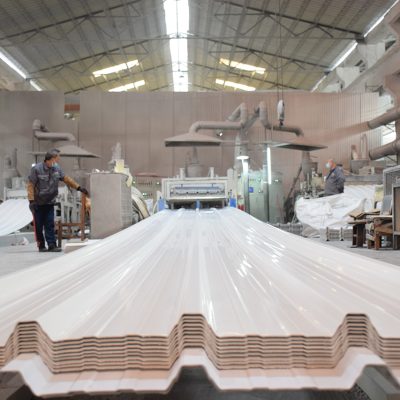
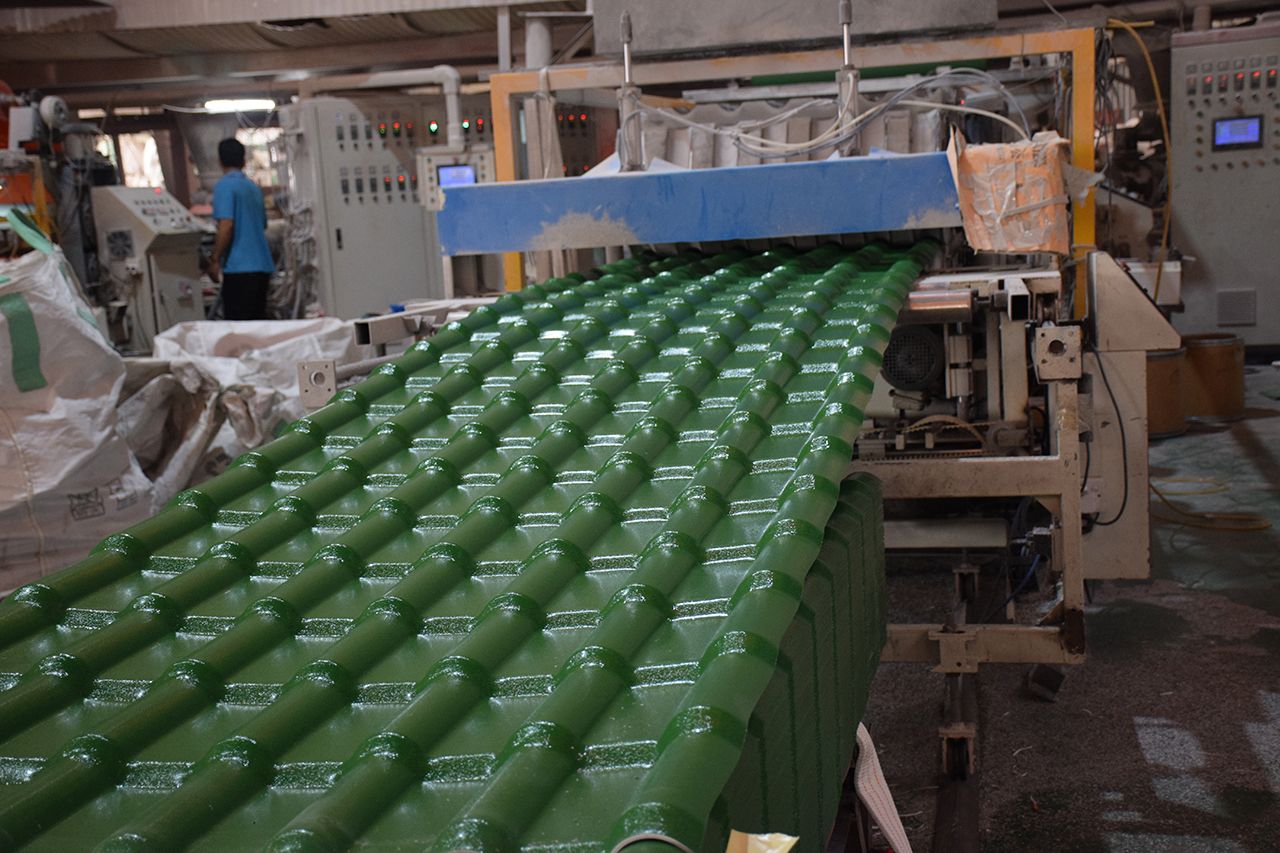
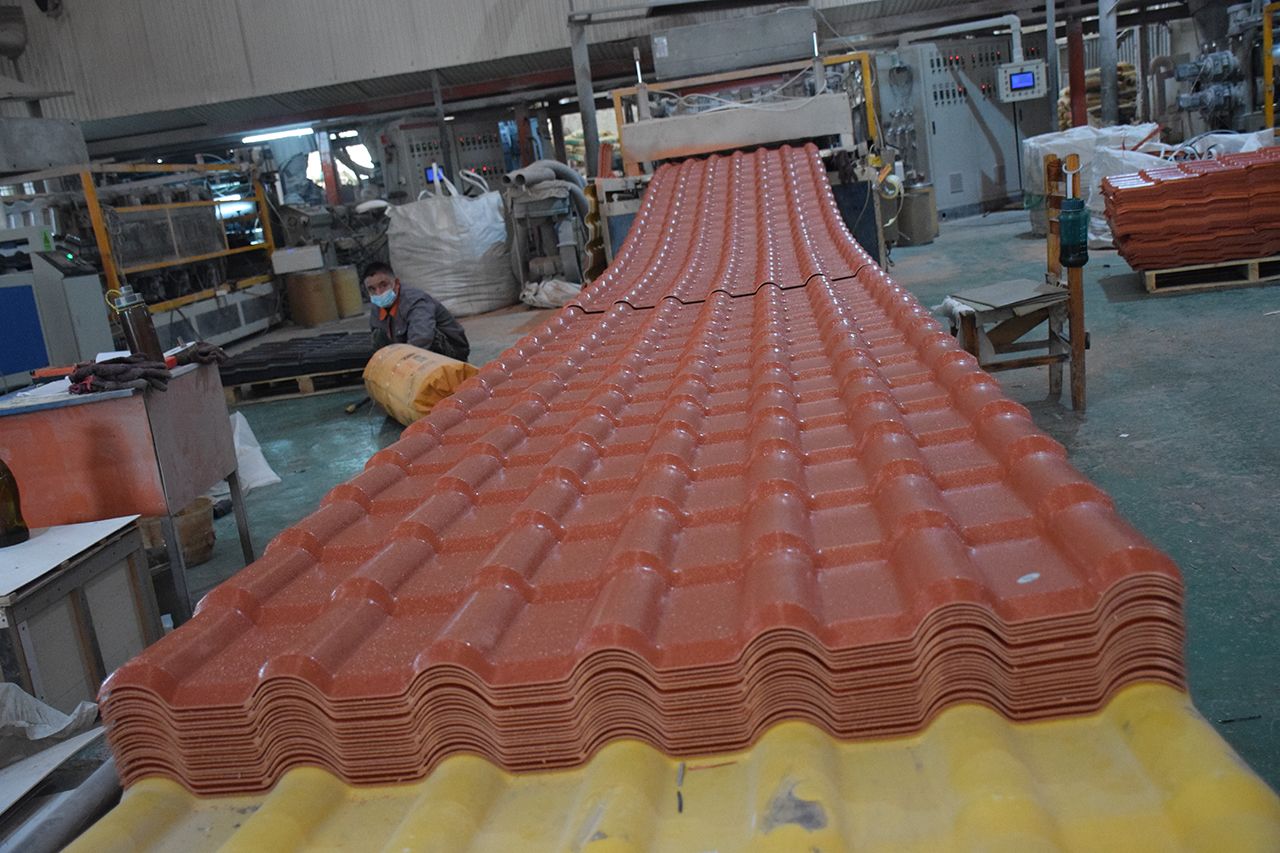
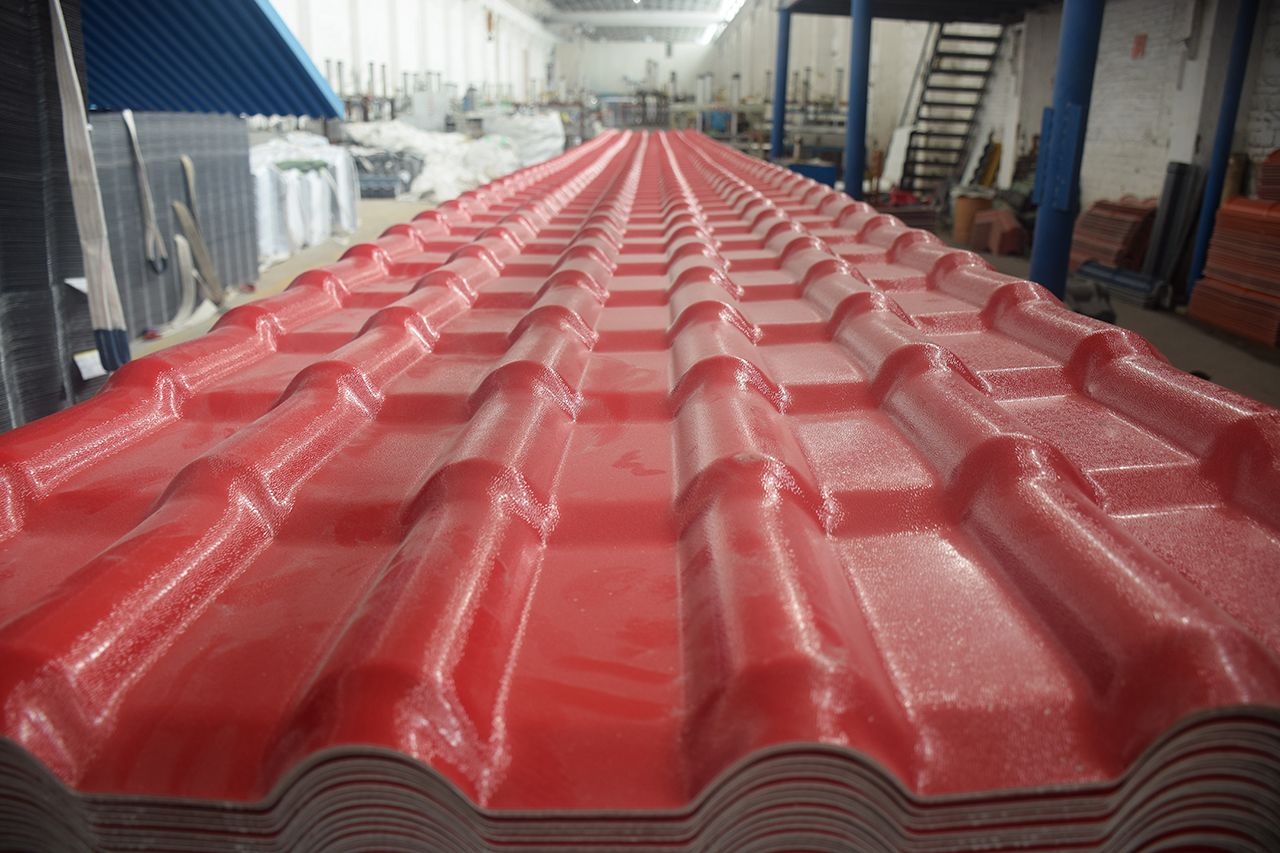
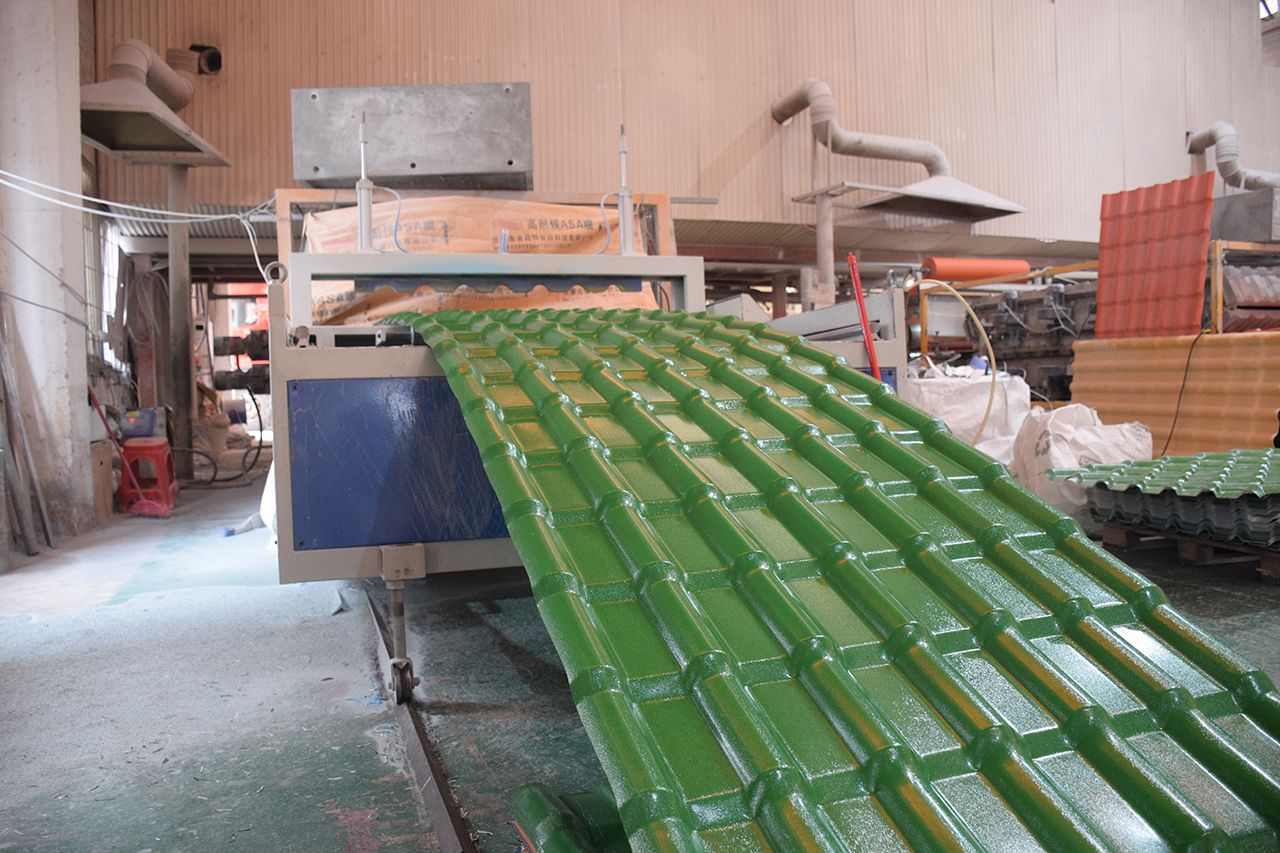
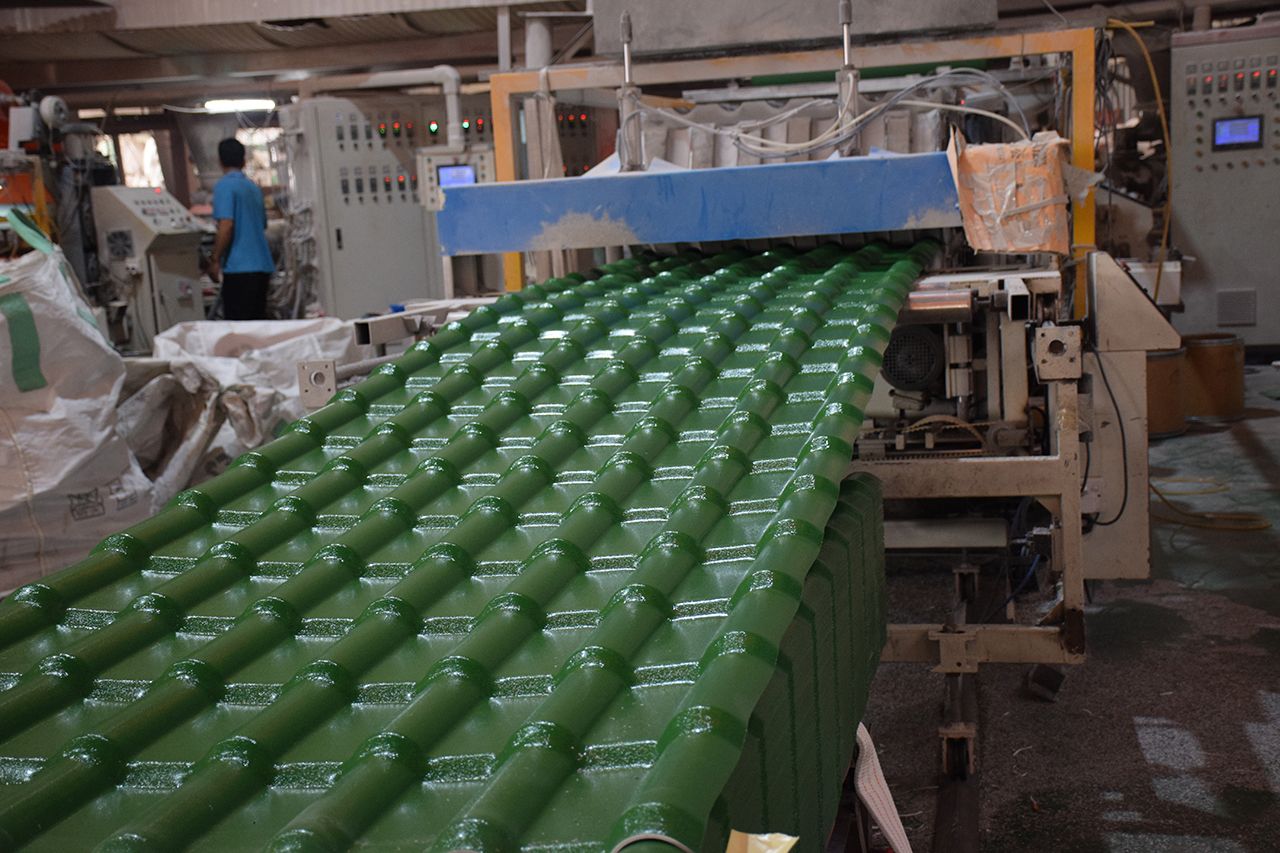
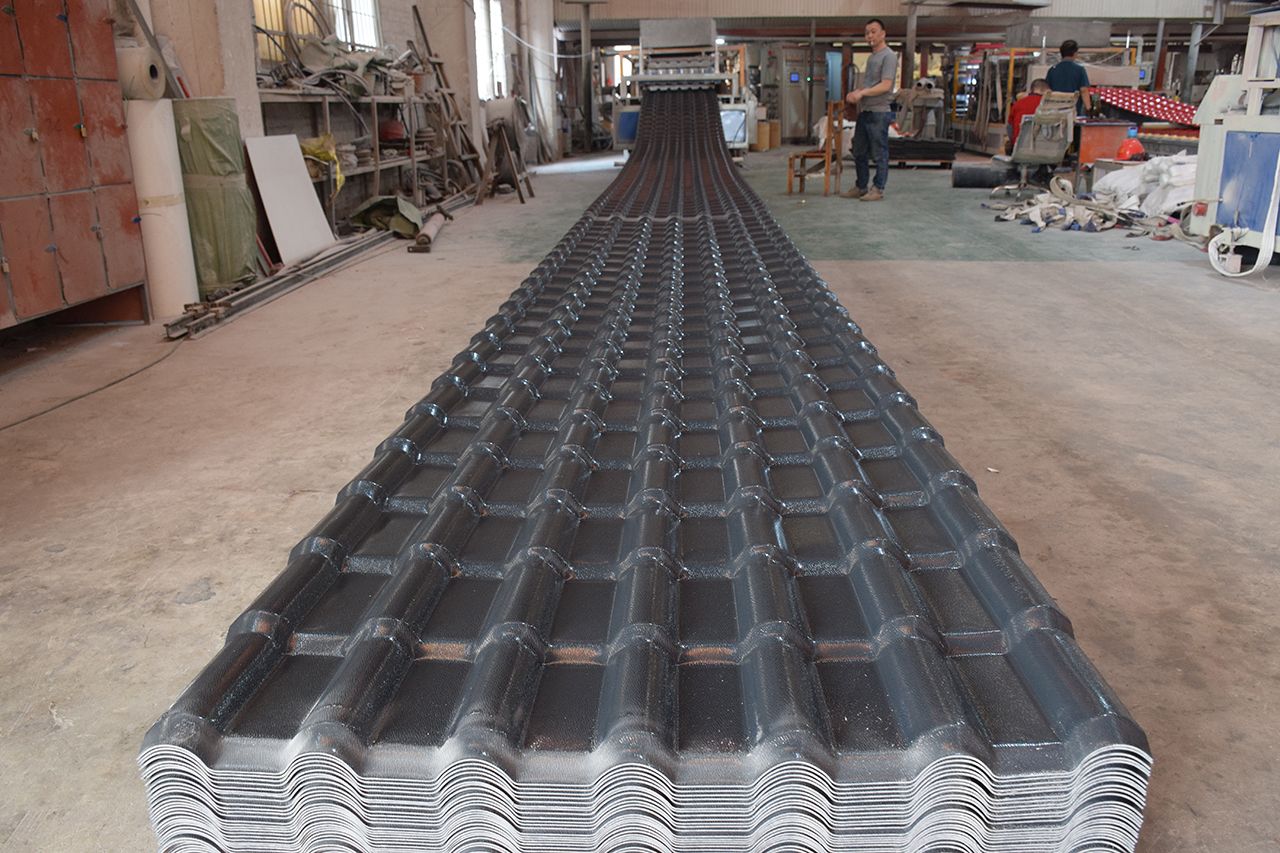
In addition, the level of automation in production equipment has a direct impact on product consistency. Roof tiles produced by fully automated extrusion lines are characterized by uniform thickness, a smooth surface, and well-controlled color variation. However, in small workshops that rely on manual labor, find it difficult to ensure consistency between batches. During on-site inspections, examining whether the production workshop is clean and organized and whether quality control procedures are in place can provide a general indication of the manufacturer’s true capabilities.
What Are the Advantages of Resin Roof Tiles Compared to Other Types of Roof Tiles?
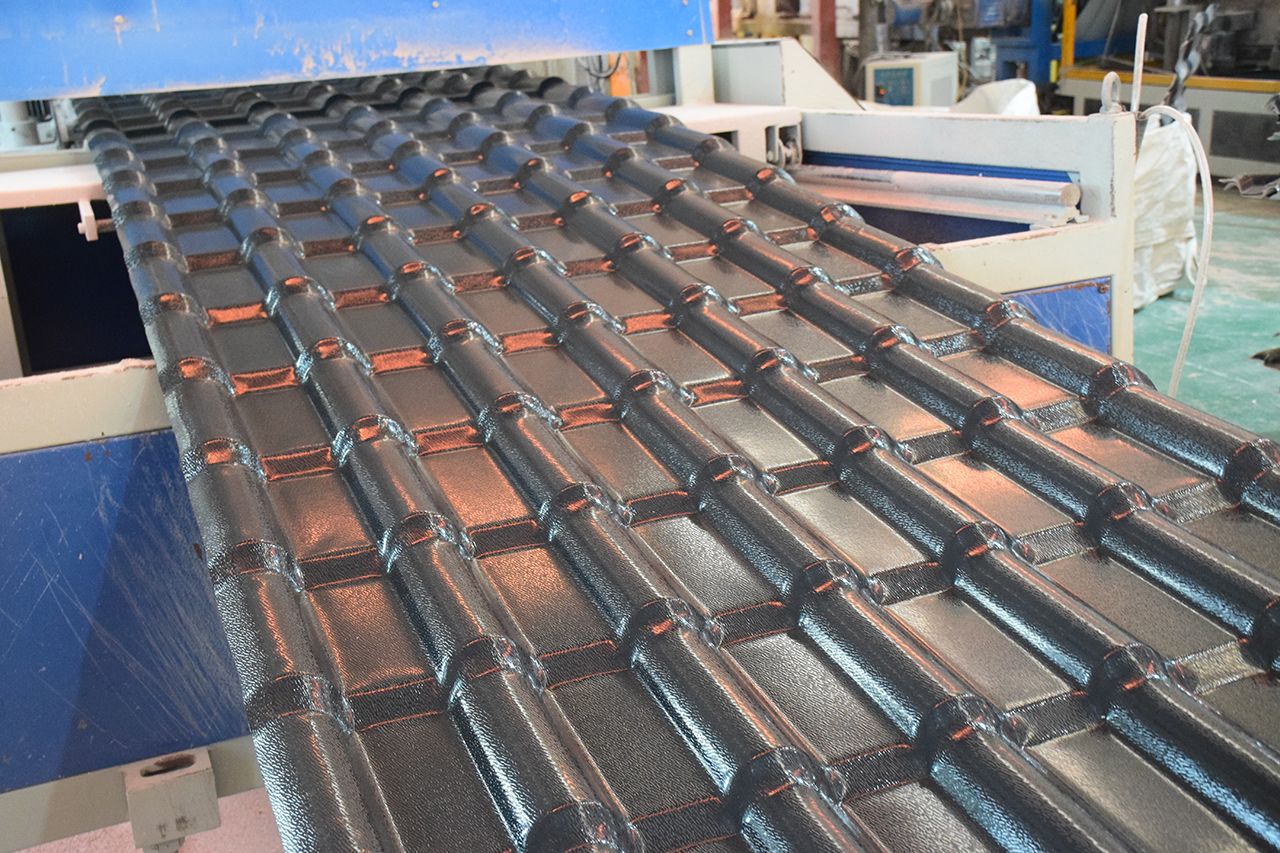
Compared to traditional roof tiles, the greatest advantage of resin roof tiles lies in their weight; a single resin tile weighs only about one-fifth as much as a traditional clay tile. This significantly reduces the load on the roof truss structure, making them particularly suitable for renovation projects on older homes. Installation efficiency is another key benefit that should not be overlooked. Resin roofing tiles are large in size, covering a wide area per tile, and are easy to join during installation, resulting in significant savings on labor costs.
In terms of waterproofing performance, resin roofing tiles utilize a hot-melt welding process, ensuring that the seams fit tightly together, which minimizes the risk of water accumulation and leaks. Traditional roof tiles rely on overlapping joints for waterproofing, but over time, these joints can become loose or shift out of place, making leaks during rainy weather a common problem. Additionally, the surface of resin roof tiles is dense and smooth, making it difficult for dust to adhere to them; after being washed by rain, they generally return to their original appearance, resulting in lower long-term maintenance costs.
When it comes to service life, products manufactured by reputable resin tile manufacturers generally come with a warranty period of more than ten years; under normal usage conditions, they can easily last fifteen years. Although traditional roof tiles may appear “sturdy,” they are prone to cracking after a few years and may even shift out of place. As a result, the cost of replacing the entire roof ends up being even higher.
Where can I find a reliable manufacturer of resin roof tiles?
Before purchasing resin roofing tiles, we recommend contacting several manufacturers to compare their offerings. Don’t just focus on the unit price; instead, evaluate the products based on a range of factors, including material, thickness, and warranty commitments. Some manufacturers may offer very low quotes, but their ASA layer may be too thin, leading to fading and chalking after just two years of use. Reputable manufacturers are happy to provide samples for you to test and will also allow you to tour their production facilities; this level of transparency is a sign of trustworthiness.
Learn about the manufacturer’s past projects—especially those that have been in use for three to five years—and visit the sites to see how they actually perform in practice. This is far more persuasive than any advertisement, and reviewing these case studies is also crucial. Whether the manufacturer can respond promptly to issues and provide technical support are key points to confirm before entering into a partnership; after-sales service is also an important criterion for evaluation.
Keywords: Resin Roof Tile Manufacturers