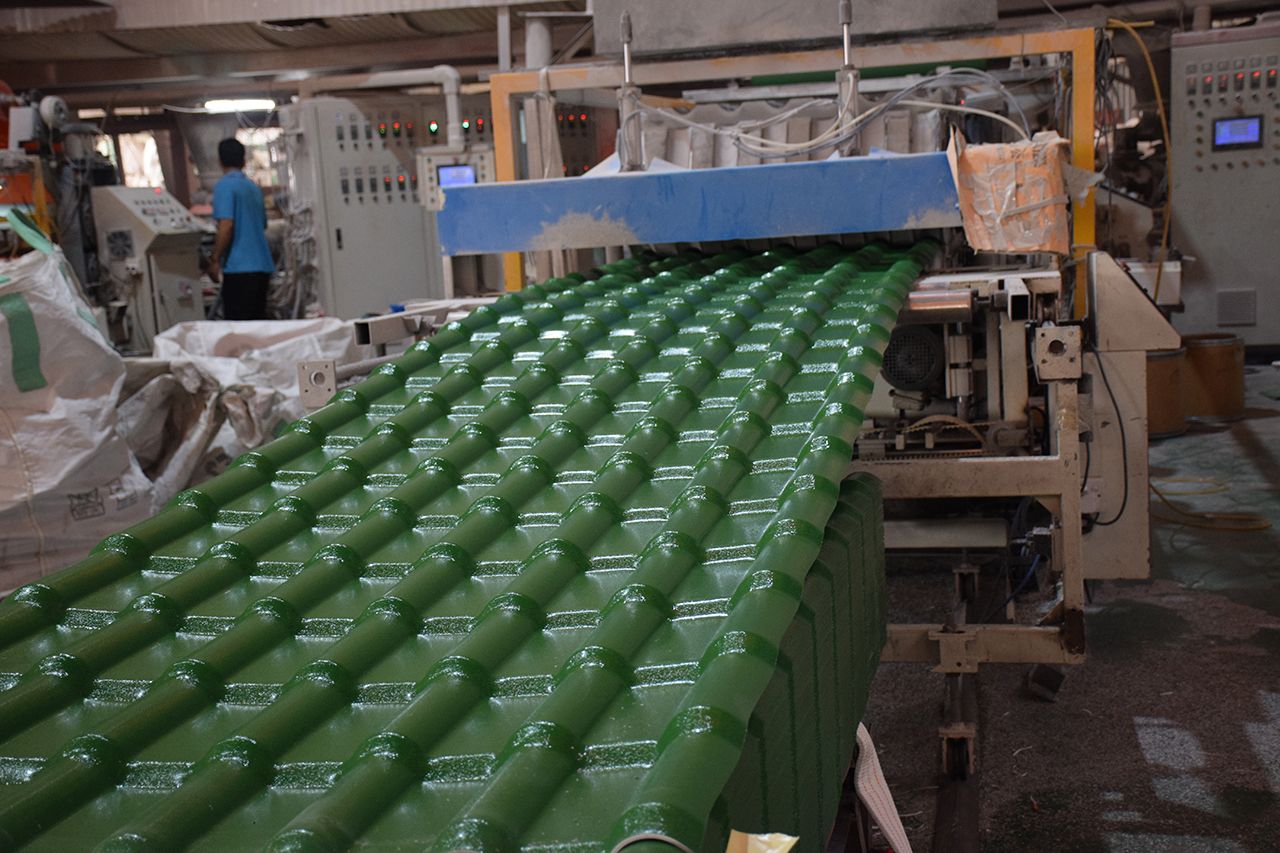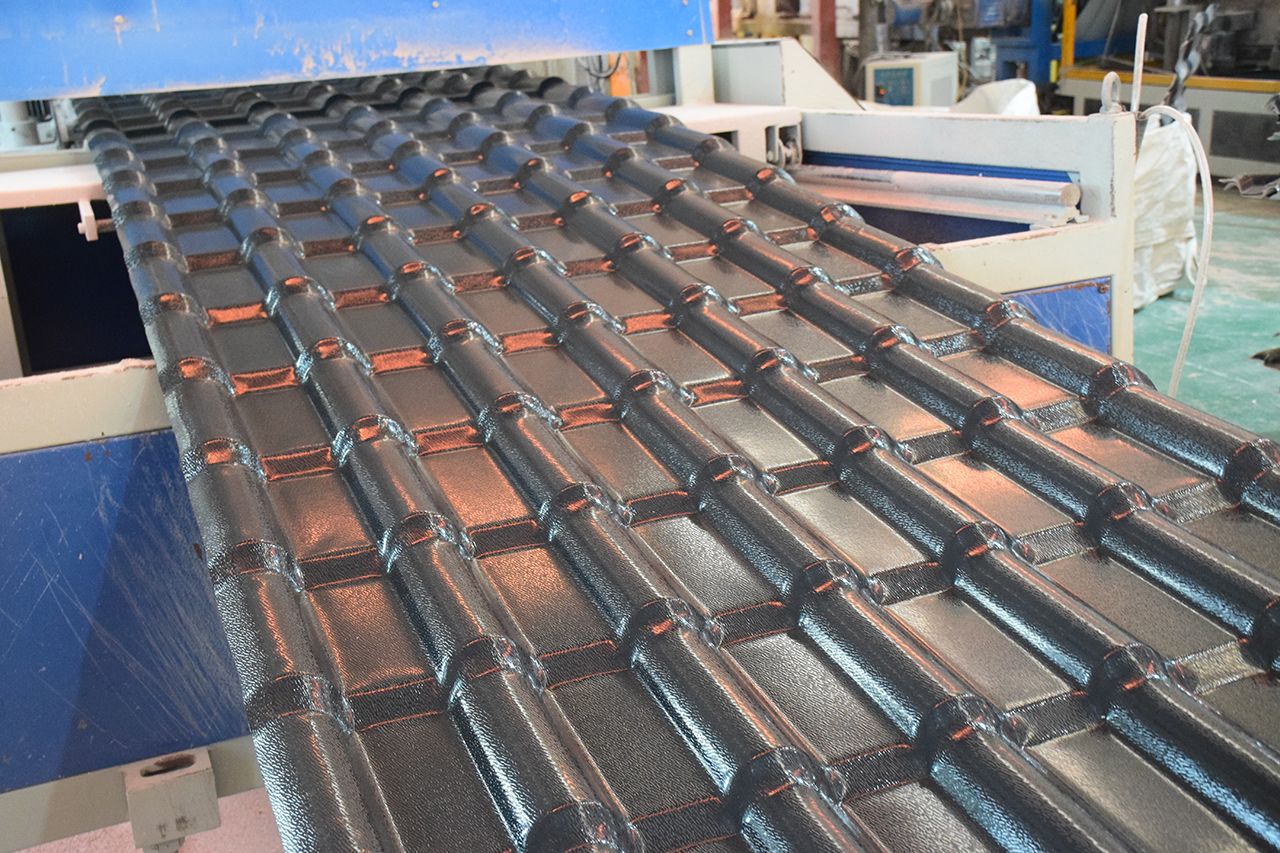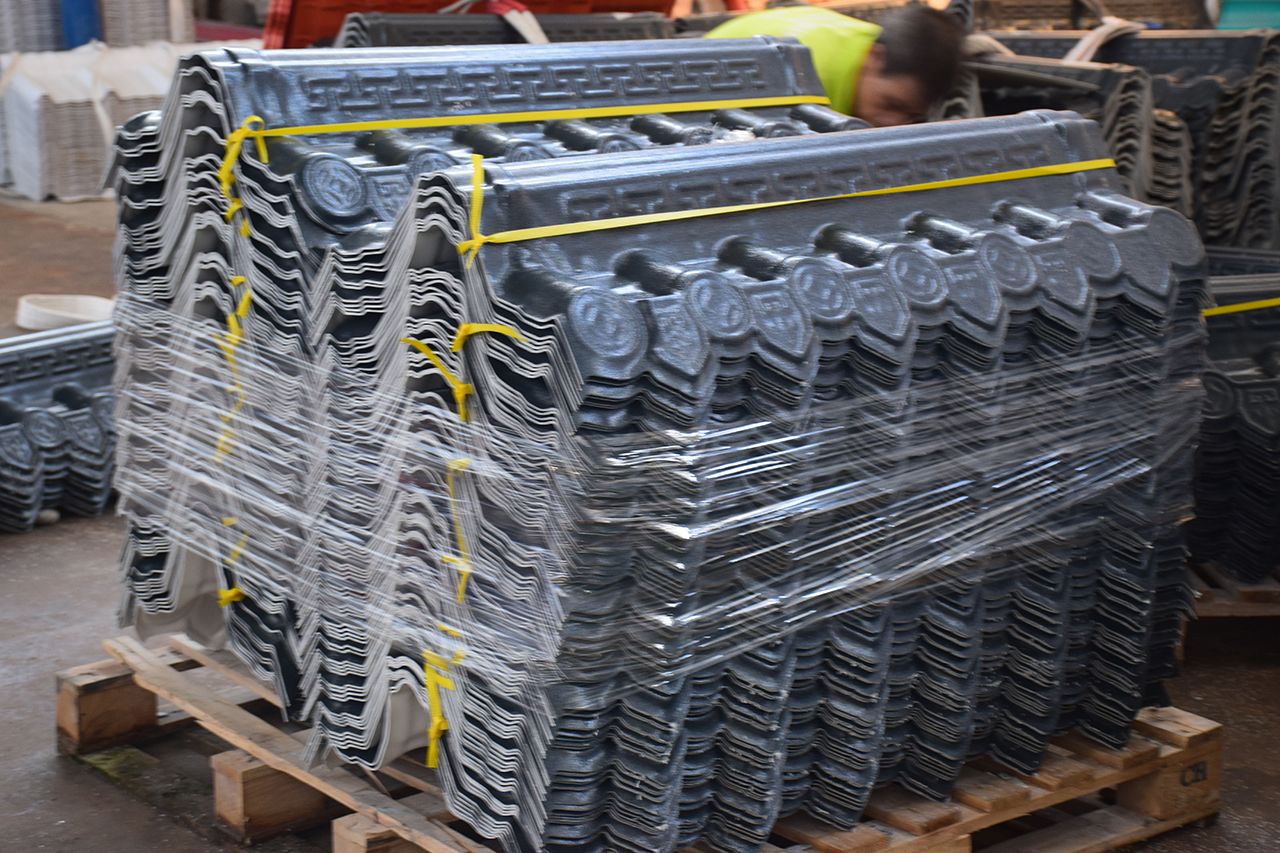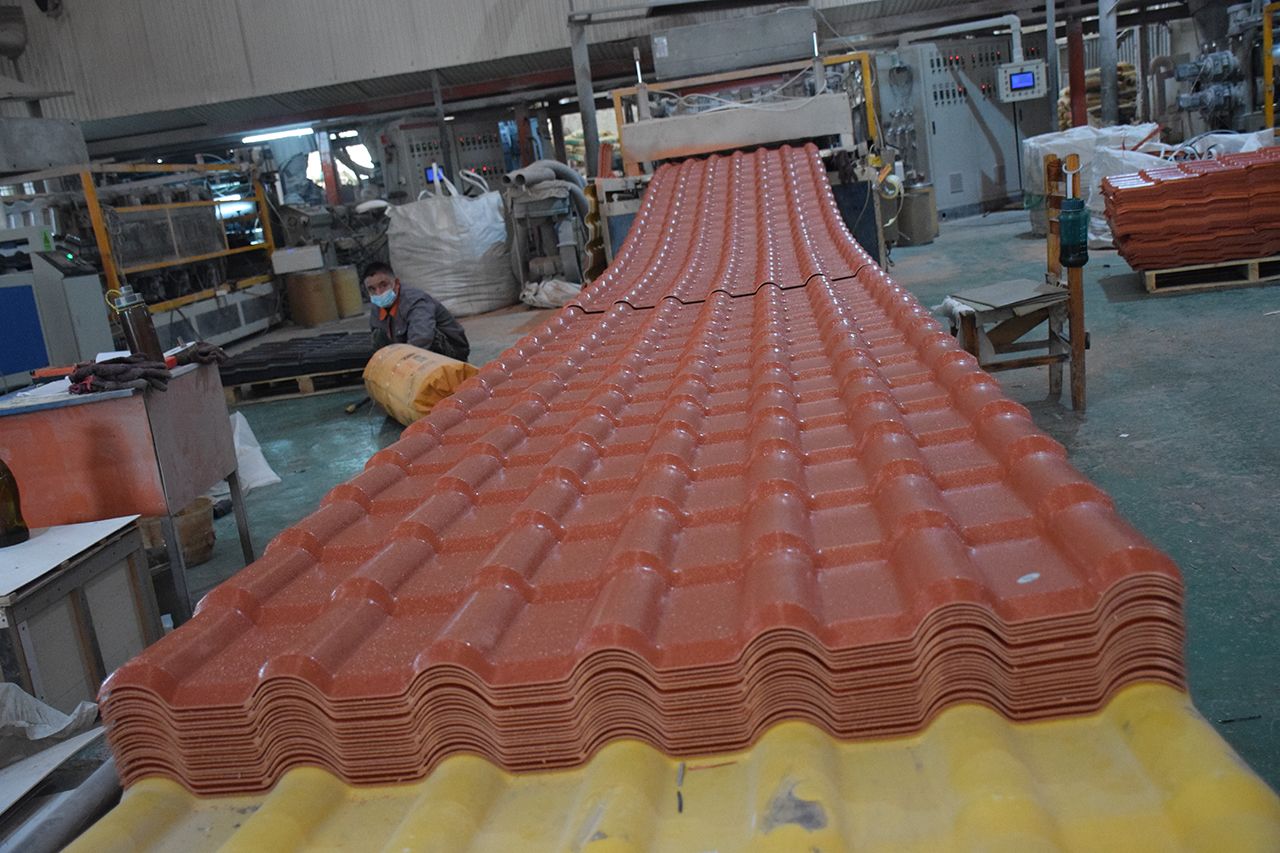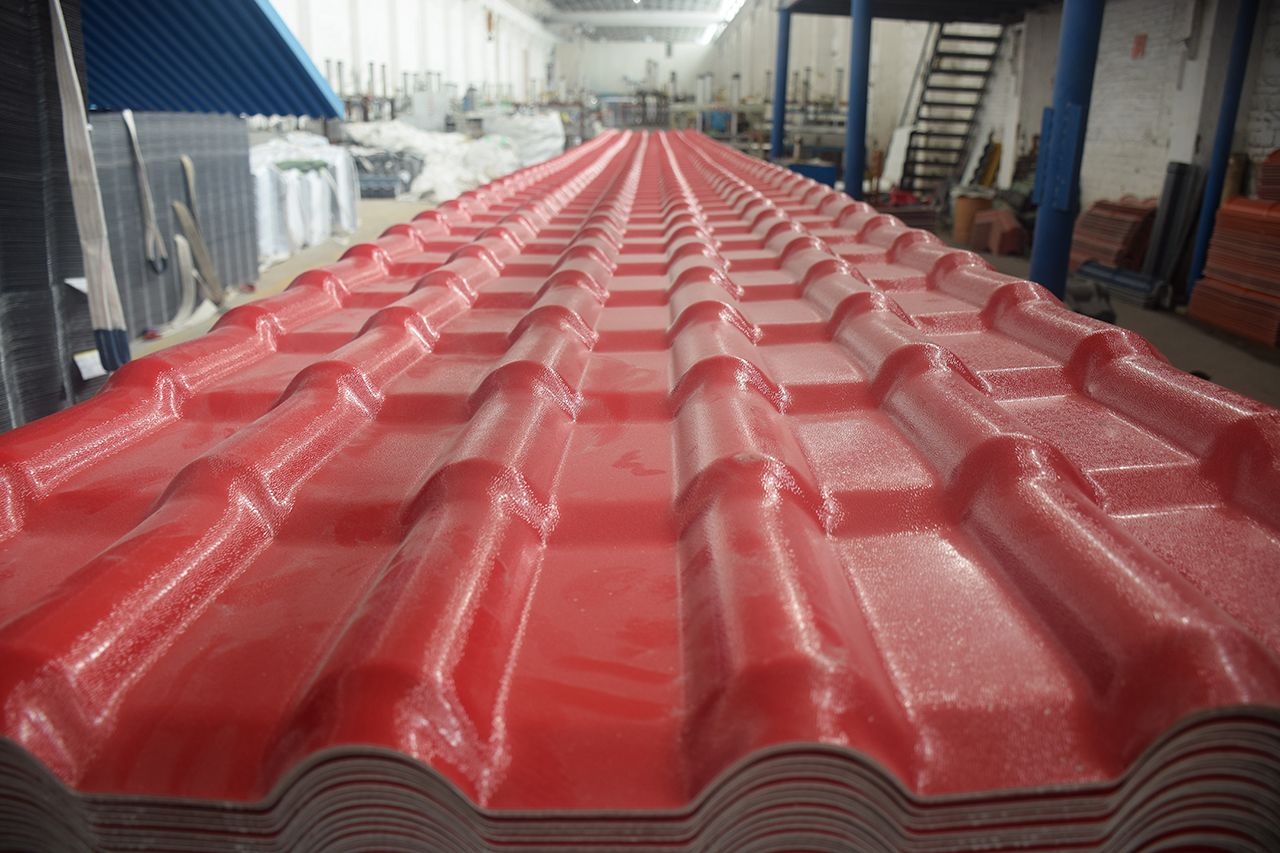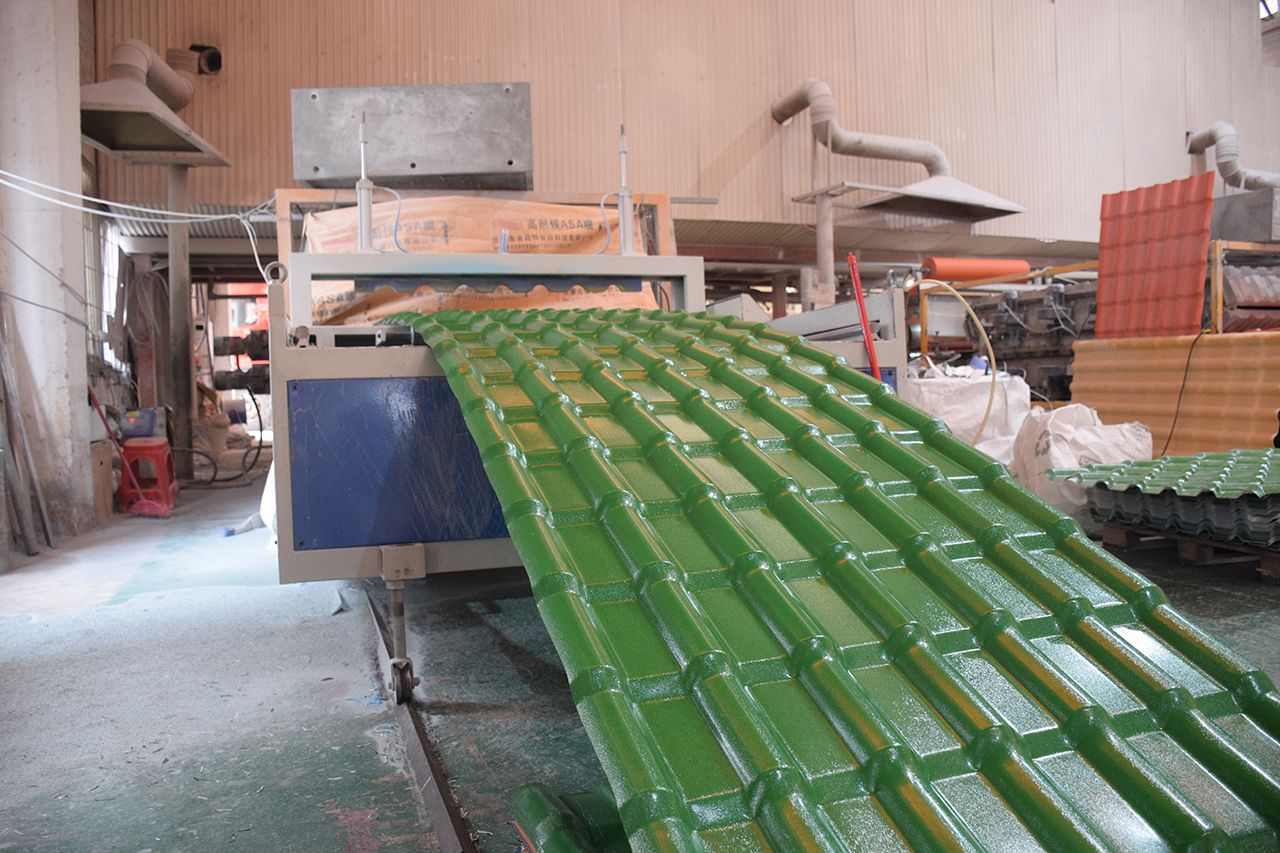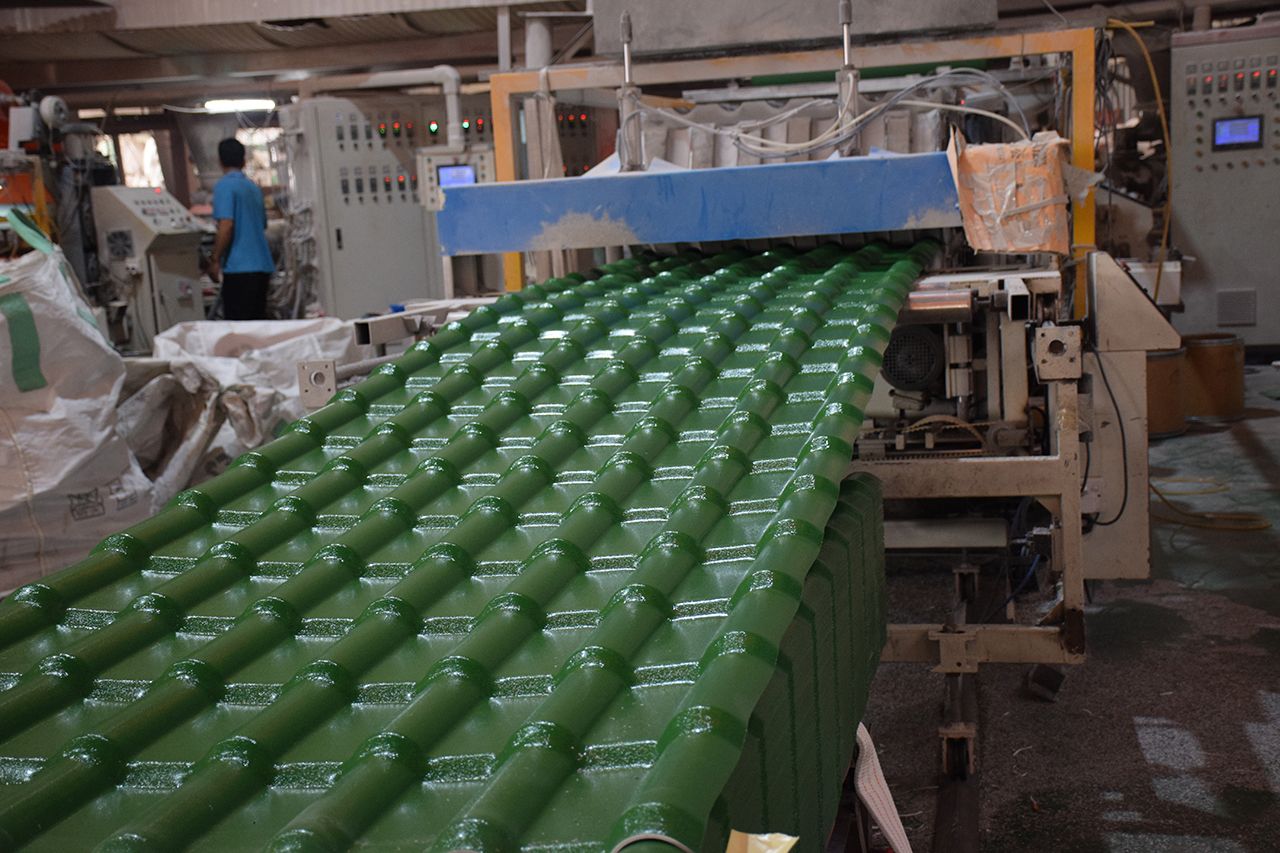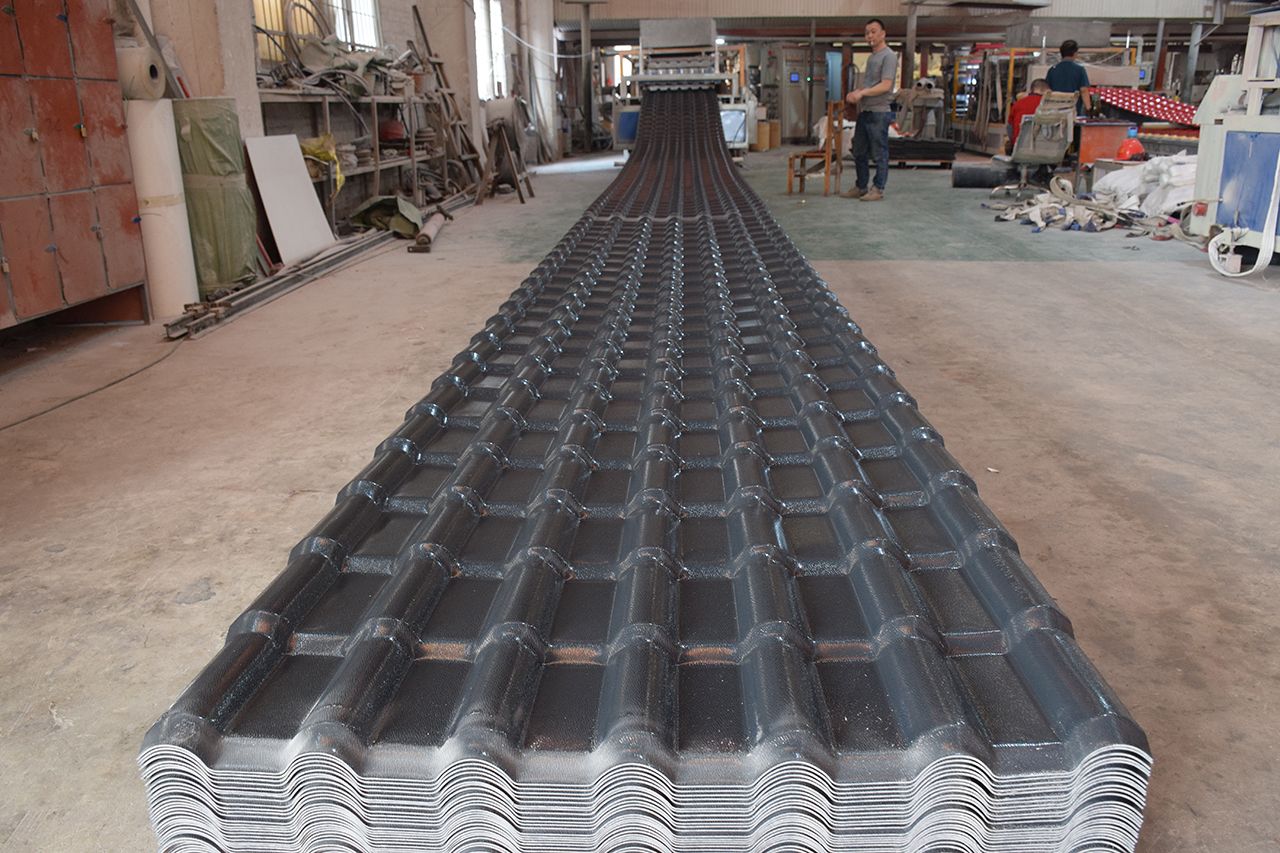
In the fields of construction and interior decoration, as well as in engineering procurement, resin roofing tiles have gradually become a popular alternative to traditional clay tiles and color-coated steel roofing sheets due to their lightweight nature, weather resistance, and color durability. When sourcing products, the primary concern for many buyers and contractors is, without a doubt, the wholesale price of resin roofing tiles. Understanding market conditions and grasping the factors that determine pricing not only helps control budgets but also prevents quality issues caused by “low-price traps.” This article will provide a detailed analysis of the wholesale market for resin roof tiles and key purchasing considerations, based on the market conditions in 2026.
What Factors Affect the Wholesale Price of Resin Roof Tiles?
The pricing of resin roofing tiles is not static; it is directly influenced by various factors, including raw material costs, thickness specifications, manufacturing processes, and purchase volume. Currently, the mainstream price range for ASA resin roofing tiles on the market is generally between 35 and 60 yuan per square meter. However, this is only a basic reference; the specific price must be determined based on actual circumstances.
The key cost factor is the raw material. High-quality ASA engineering resin, used as the co-extruded top layer, offers exceptional UV resistance, ensuring that the tiles will not fade or age for more than ten years. In contrast, tiles produced from recycled materials or low-quality resins may cost a few yuan less, but they have a short service life, are prone to becoming brittle and breaking, and actually result in higher long-term maintenance costs. Therefore, material purity accounts for a significant portion of the wholesale price of resin tiles.
Thickness is just as critical as specifications. Common thicknesses for resin roofing tiles include 2.5 mm, 3.0 mm, and 3.8 mm. Generally speaking, the thicker the tile, the more material is used, and the price is naturally higher. For areas with large roof spans and high wind load requirements, we recommend selecting panels that are 3.0 mm or thicker. Although the unit price is slightly higher, this ensures greater overall stability and safety. Additionally, differences in manufacturing processes—such as the distinction between co-extrusion and film-coating processes—can lead to price variations. The co-extrusion process firmly bonds the ASA layer to the base resin, resulting in superior weather resistance; consequently, the price is generally higher than that of standard film-coated products.
How to Determine the Cost-Effectiveness of Resin Roof Tiles
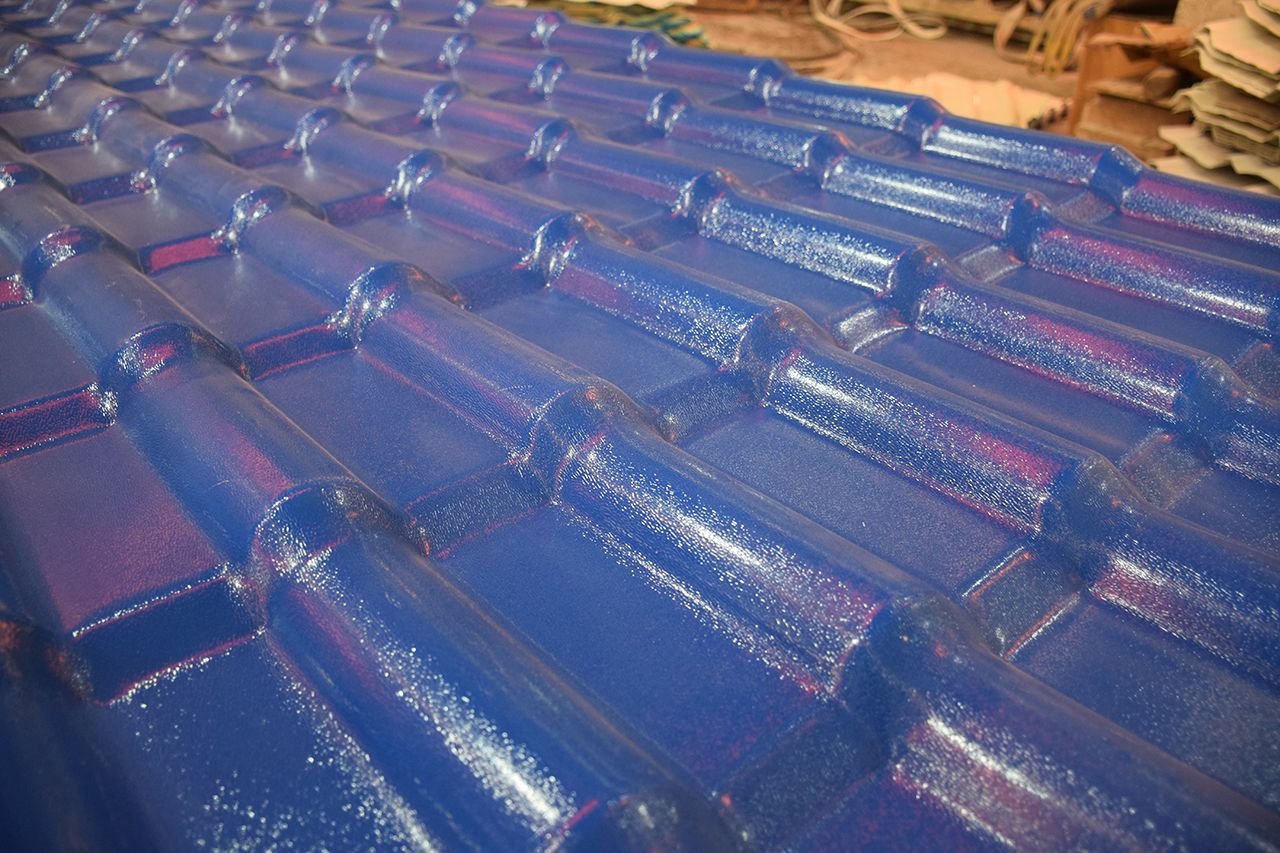
When comparing quotes from multiple suppliers, focusing solely on unit price can easily lead to misjudgment. Resin roofing tiles that offer good value for money should provide a reasonable price while ensuring quality is guaranteed. When making a purchase, we recommend requesting samples from the manufacturer and conducting tests such as burn tests and drop tests to gain a firsthand understanding of the product’s quality. High-quality resin roofing tiles do not produce black smoke or emit a pungent odor when burned, and they are unlikely to shatter after cooling.
When considering value for money, in addition to product quality, after-sales service and supply stability are equally important factors. Large, reputable manufacturers generally have stable production capacity and a comprehensive after-sales service system, enabling them to guarantee order delivery and meet deadlines—which is crucial for engineering projects. While some small workshops may offer extremely low quotes, they may experience delivery delays and significant quality fluctuations, resulting in hidden costs that should not be underestimated.
In addition, purchase volume plays a crucial and indispensable role in determining wholesale prices; large-scale purchases generally qualify for lower unit prices. We strongly recommend planning your purchase quantities reasonably based on your project’s specific needs and actual circumstances, and negotiating with manufacturers to secure tiered pricing. At the same time, it is essential to closely assess whether the manufacturer can provide technical support, such as installation guidance and the supply of compatible accessories. These valuable value-added services can effectively reduce the difficulties and costs encountered during construction. The negotiation process for wholesale prices of resin roofing tiles often incorporates the value of these additional services.
Outlook on Market Trends for Resin Roof Tiles in 2026
Amid increasingly stringent environmental policies and rising consumer expectations for aesthetics, the resin roofing tile market in 2026 is shifting toward high quality and greater customization. The market share of traditional, low-end products is gradually shrinking, while mid- to high-end products—those with environmental certifications, a rich variety of colors, and diverse designs—are gaining greater favor in the market. Manufacturers are also continuously optimizing their formulations and refining their production processes to enhance the products’ weather resistance and aesthetic appeal.
Keeping pace with market trends, buyers should select brands with a strong reputation for quality and robust technical capabilities—this is key to ensuring project quality and a return on investment. It is recommended to regularly monitor industry developments to stay informed about the latest price trends and technological innovations. This will enable you to make more informed decisions during the procurement process. By comprehensively comparing quality, price, and service, you can identify the supplier that best meets your needs, thereby maintaining a competitive edge in a fiercely competitive market.
Keywords: Wholesale Prices for Resin Roof Tiles