How much do synthetic resin roof tiles cost per square meter?
Having worked in the building materials industry for over a decade, I’ve witnessed the ups and downs of many materials. Over the past few years, resin roofing tiles have remained consistently popular. Whenever customers come to inquire about prices, their primary concern is always how much it will cost per square meter.
The price of resin roofing tiles is significantly influenced by raw material costs. Since petroleum is the primary raw material for resin, fluctuations in international oil prices directly affect the cost of resin roofing tiles. Over the past two years, overall costs in the petrochemical industry have remained relatively high, causing the ex-factory price of resin roofing tiles to rise accordingly.
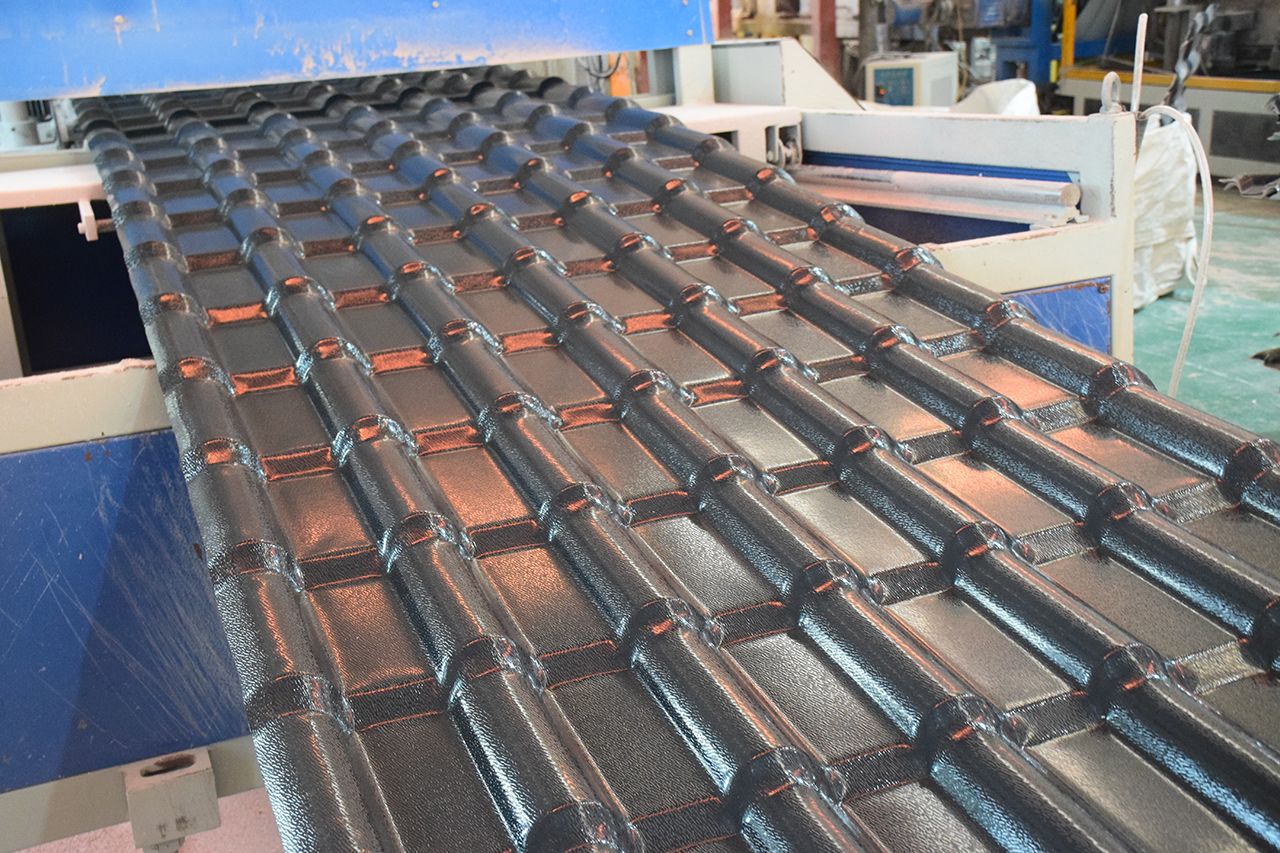
Resin roof tiles come in various specifications, and there are significant price differences among them. For products with thicknesses ranging from 0.3 to 0.5 millimeters, the price per square meter can vary by 30 to 40 yuan. As for color, dark-colored tiles generally cost slightly more than light-colored ones because the production process for dark colors is more demanding.
Resin roof tiles have one advantage over traditional roof tiles: lower installation costs. Because they are lightweight and can be installed quickly, they help save significantly on labor costs; when all factors are taken into account, the total cost of the project remains manageable.
What Factors Affect the Price of Resin Roof Tiles?
Fluctuations in the price of resin roofing tiles are actually not difficult to understand. Raw material costs account for the largest portion of the total cost; changes in the prices of chemical raw materials—such as resins, stabilizers, and additives—are reflected in the price of the finished product.
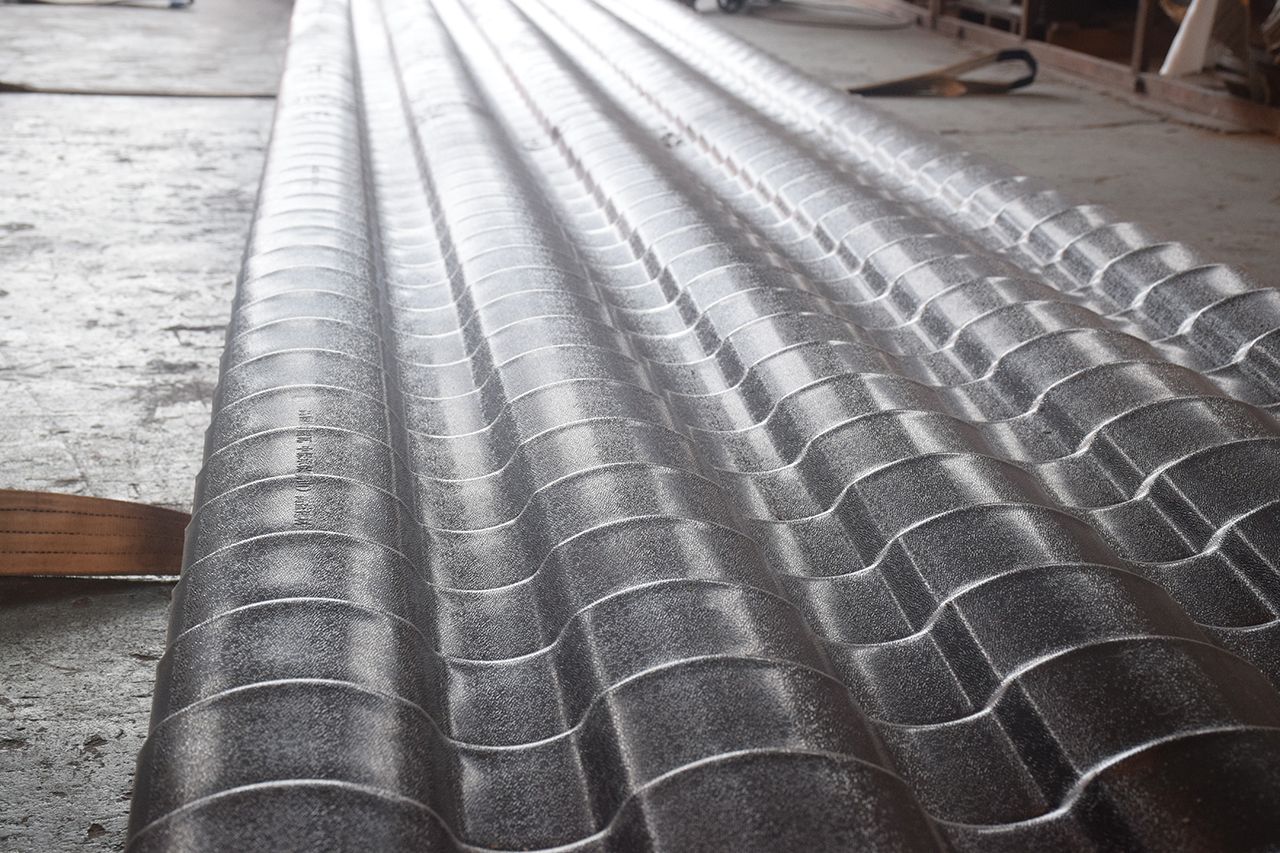
Prices are influenced by the manufacturing process. To ensure a longer service life, high-quality resin roofing tiles must contain UV stabilizers. Some low-cost products, however, alter the raw material ratios to cut costs, which in turn leads to lower quality.
As market demand changes, this can also cause price fluctuations. During peak seasons, when order volumes are high and manufacturers’ production capacity is stretched, prices tend to rise; during off-seasons, prices may ease somewhat to boost product sales.
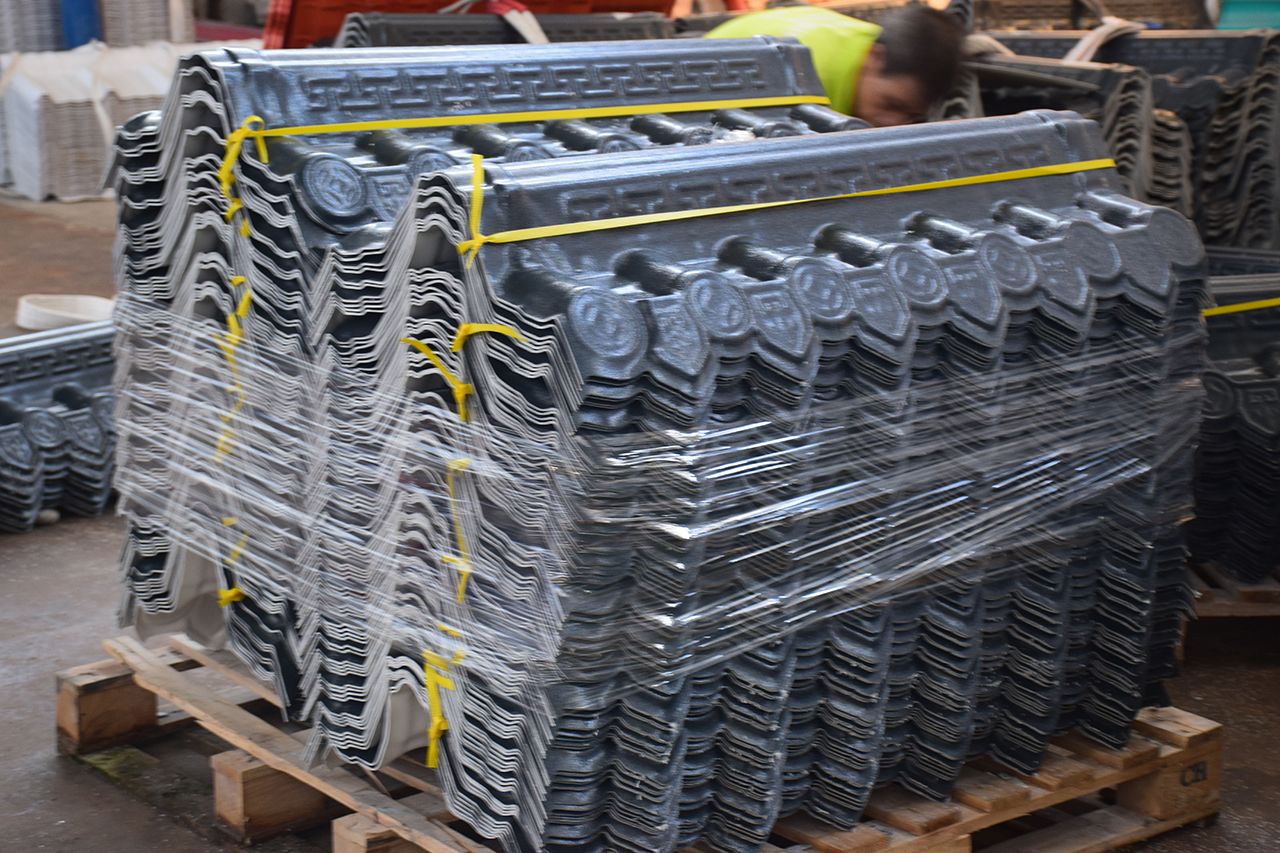
It is essential to take into account one transportation cost that cannot be overlooked: since resin roofing tiles are bulky yet lightweight, the freight costs associated with long-distance transport account for a significant portion of the total cost. Since retail prices vary by region, purchasing locally is generally the more cost-effective option.
Is now a good time to buy resin roofing tiles?
Determining whether now is indeed a good time to make a purchase requires a comprehensive assessment. As far as the price trend of synthetic resin roofing tiles is concerned, the overall trend over the past two years has been upward, and there is no possibility of a sharp decline in the short term [period].
Resin roof tiles are designed for long-term use and have a remarkably long lifespan; under normal conditions, they can last for more than 30 years. With just a one-time upfront investment, you can enjoy long-term benefits; based on this calculation, it is quite cost-effective. This is especially true when renovating older homes, as resin roofing tiles can be installed directly over existing tiles, thereby eliminating the costs associated with removal.
If you’re planning to renovate your roof soon, we recommend comparing several suppliers, understanding the product specifications, checking the warranty period, and clarifying the after-sales service. Don’t just focus on the unit price—cheap products will start having problems after two years, and in the end, you’ll end up spending more than you saved.
In terms of price trends, while synthetic resin roofing tiles are generally on an upward trajectory, it is still possible to keep costs within budget by carefully selecting products and suppliers. Among various roofing materials, resin roofing tiles offer a price-to-performance ratio that is in the upper-middle range, making them worth considering.