Insulated Resin ShinglesHow much lower is the temperature compared to regular metal roofing?
As the sweltering summer arrives, factory buildings made of corrugated iron and sheds covered with color-coated steel roofing sheets become like unbearably hot steamers or bamboo steamers—it’s impossible for people to stay inside for long, and even the machinery and equipment suffer through the heat. Many friends involved in factory renovation or carport construction have come to ask: Which type of roofing tile should they replace their existing ones with to achieve a cooler environment? To be honest, the temperature difference between insulated resin tiles and metal roofing can reach as much as five to eight degrees—this is by no means a baseless claim, but rather is determined by the inherent properties of the materials themselves. Metal roofing sheets conduct heat extremely quickly; once baked by the sun, their undersides quickly become unbearably hot to the touch. In contrast, resin roofing tiles have an extremely low thermal conductivity, so heat does not rush into the building like a tidal wave. If the attic space is relatively spacious and air can circulate freely, the difference in temperature perceived by people will be even more pronounced.
Some people worry that, given the relatively thin thickness of resin roofing tiles, their thermal insulation effect might be merely a psychological one. In fact, resin roofing tiles feature an internal air-layer structure, which extends the path of heat conduction. Furthermore, their ability to reflect sunlight is far superior to that of metal. As a result, even after a full day of intense sunlight, the underside of the tiles feels only slightly warm to the touch—unlike metal roofing, which becomes so hot that it’s impossible to touch. For temperature-sensitive facilities such as warehouses, carports, and livestock farms, switching to insulated resin tiles can result in significant savings on air conditioning electricity bills.
Will heat-insulating resin roof tiles be damaged or deteriorate from sun exposure?
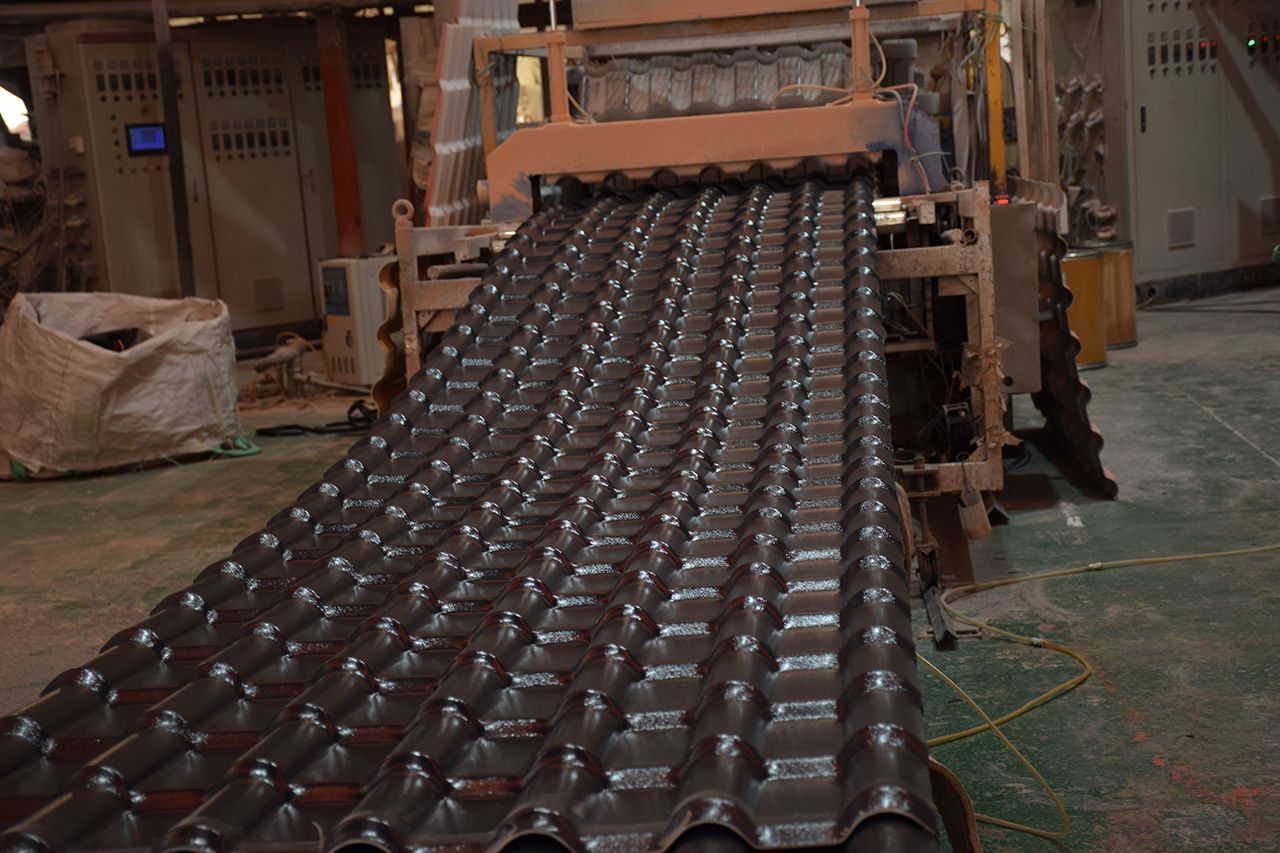
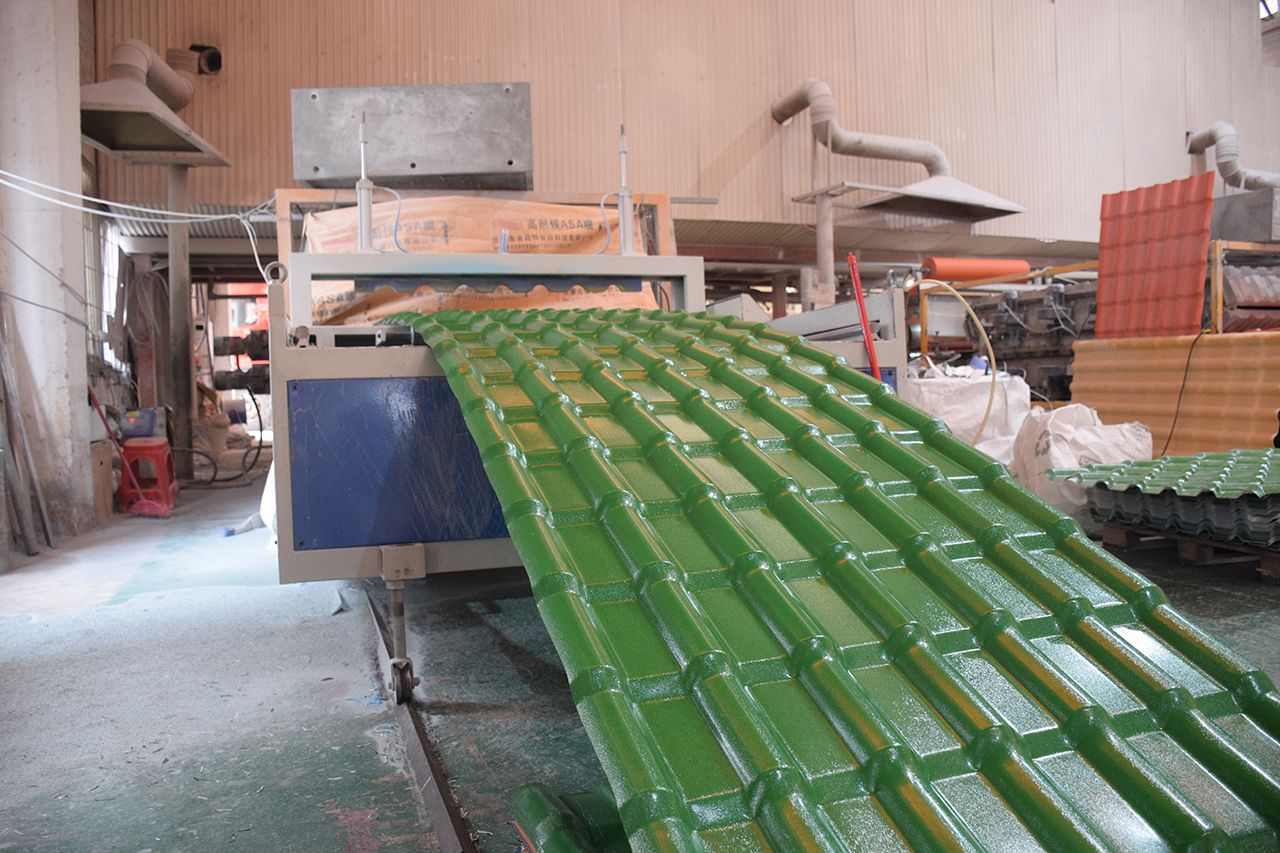
This concern is quite valid; after all, the roof is exposed to intense sunlight every day, and if the material is of poor quality, it will become brittle and fragile within two or three years. The main components of resin roofing tiles are ASA and PVC. The ASA top layer is specifically designed to resist UV rays, and under normal use, the tiles will not show significant fading or become brittle for about ten years. Of course, this assumes you purchase genuine products; do not be tempted by low prices and buy tiles made from recycled materials. Such tiles will become brittle and crack within two or three years, and their thermal insulation properties will fail, rendering them ineffective at keeping heat out.
When installing, be sure to leave expansion joints, and don’t tighten the screws too tightly—you need to allow room for thermal expansion and contraction. After being exposed to intense summer heat, the roof surface gets very hot, so it’s best to climb up for maintenance in the cooler morning or evening hours. This is safer and helps prevent damaging the roof surface. No special maintenance is required on a daily basis; rainwater washes them clean. This makes them much easier to maintain than metal roofing sheets, which require repainting when they rust—a problem that resin roofing tiles simply don’t have.
Are insulated resin roof tiles expensive? Are they worth the cost?
When it comes to money, everyone has their own calculations in mind. If you look solely at the unit price of the materials, resin roofing tiles are indeed slightly more expensive than metal roofing tiles; however, when you calculate the total cost, that’s not the case. Metal roofing tiles need to be replaced every two or three years, whereas resin roofing tiles can last for over a decade without any issues; when the cost is spread out over each year, resin roofing tiles actually work out to be cheaper. In addition, resin roofing tiles provide excellent thermal insulation. The savings on electricity bills from keeping the house cooler in the summer and on heating costs from keeping it warmer in the winter will, over the course of a few years, more than make up for the initial price difference. Installed once, they last for over a decade; the average daily cost is just a few mao, yet they keep the interior several degrees cooler. No matter how you crunch the numbers, this is a deal that’s sure to pay off.
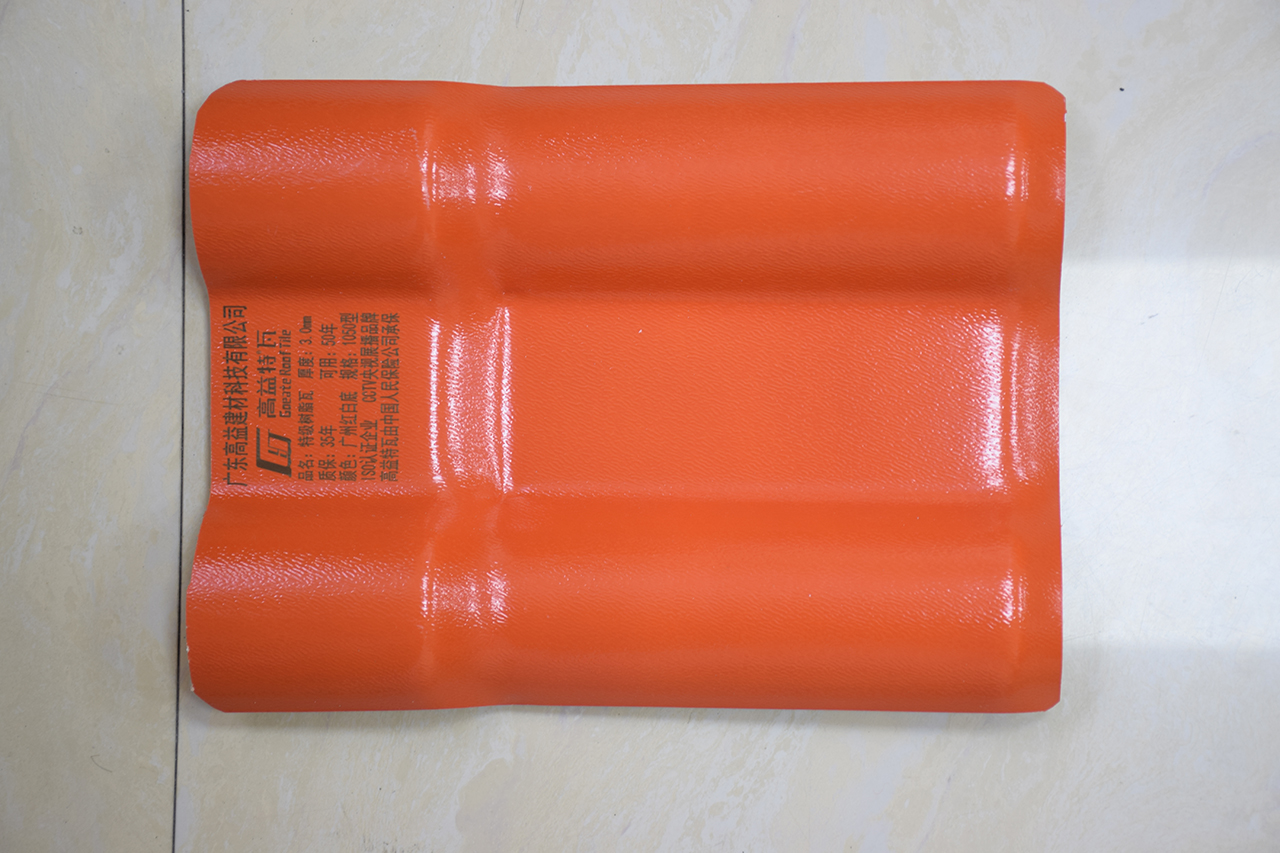
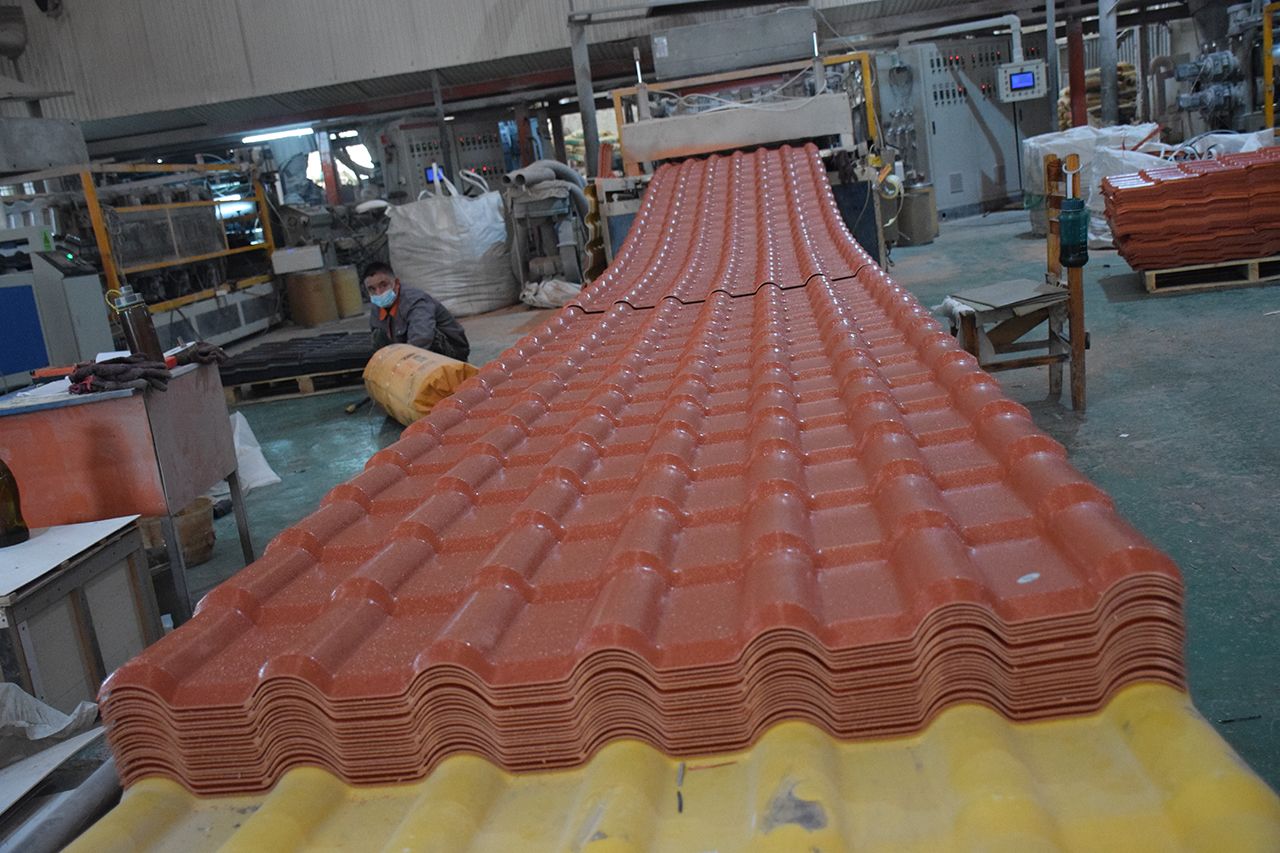
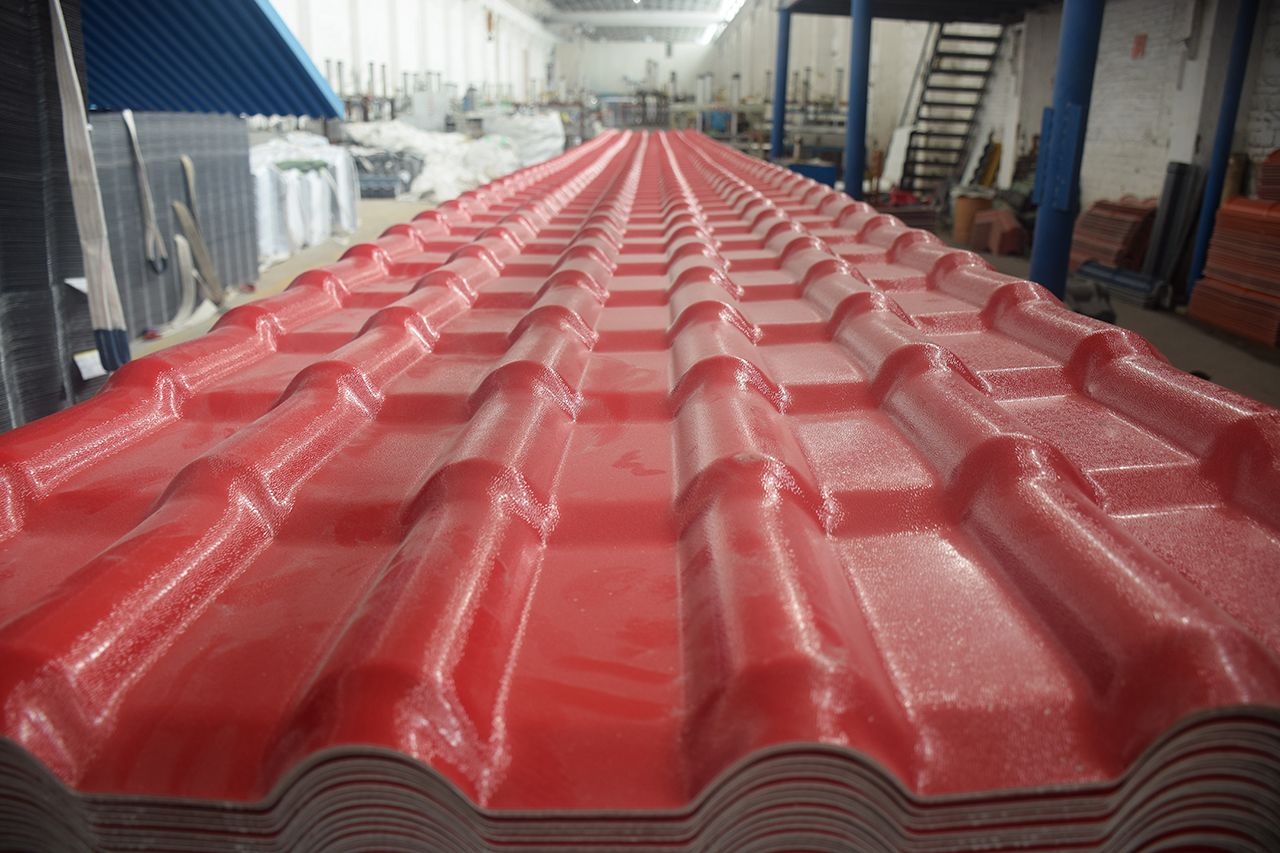
Whether you’re building a sunroom at home, constructing a carport in your yard, or replacing the roof of a factory building, heat-insulating resin roofing tiles are a practical choice. They come in a wide variety of colors—such as red, blue, and gray—and blend well with the exterior of your home. When purchasing, be sure to choose products from reputable manufacturers and select tiles that are at least 2.5 millimeters thick to ensure better thermal insulation and durability.
Keywords: Insulated Resin Roof Tiles