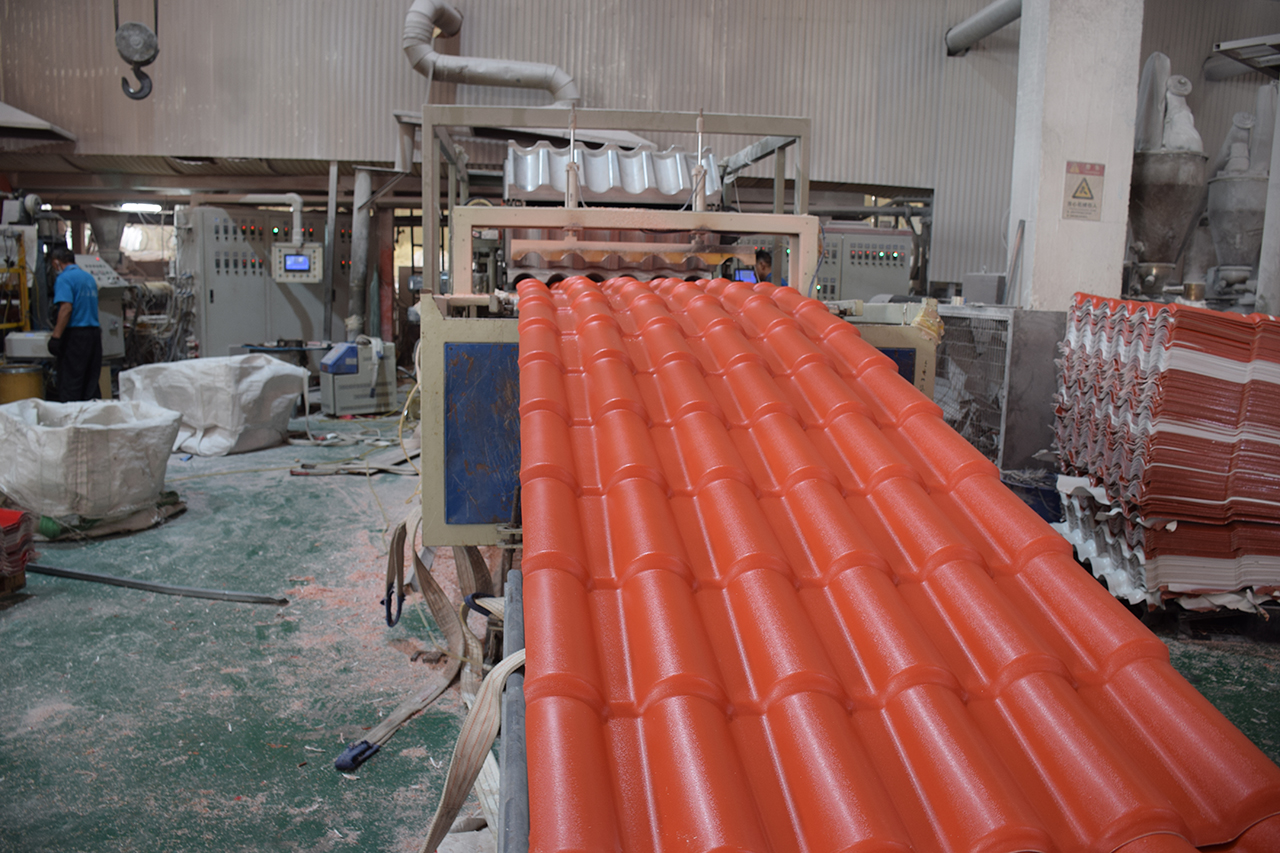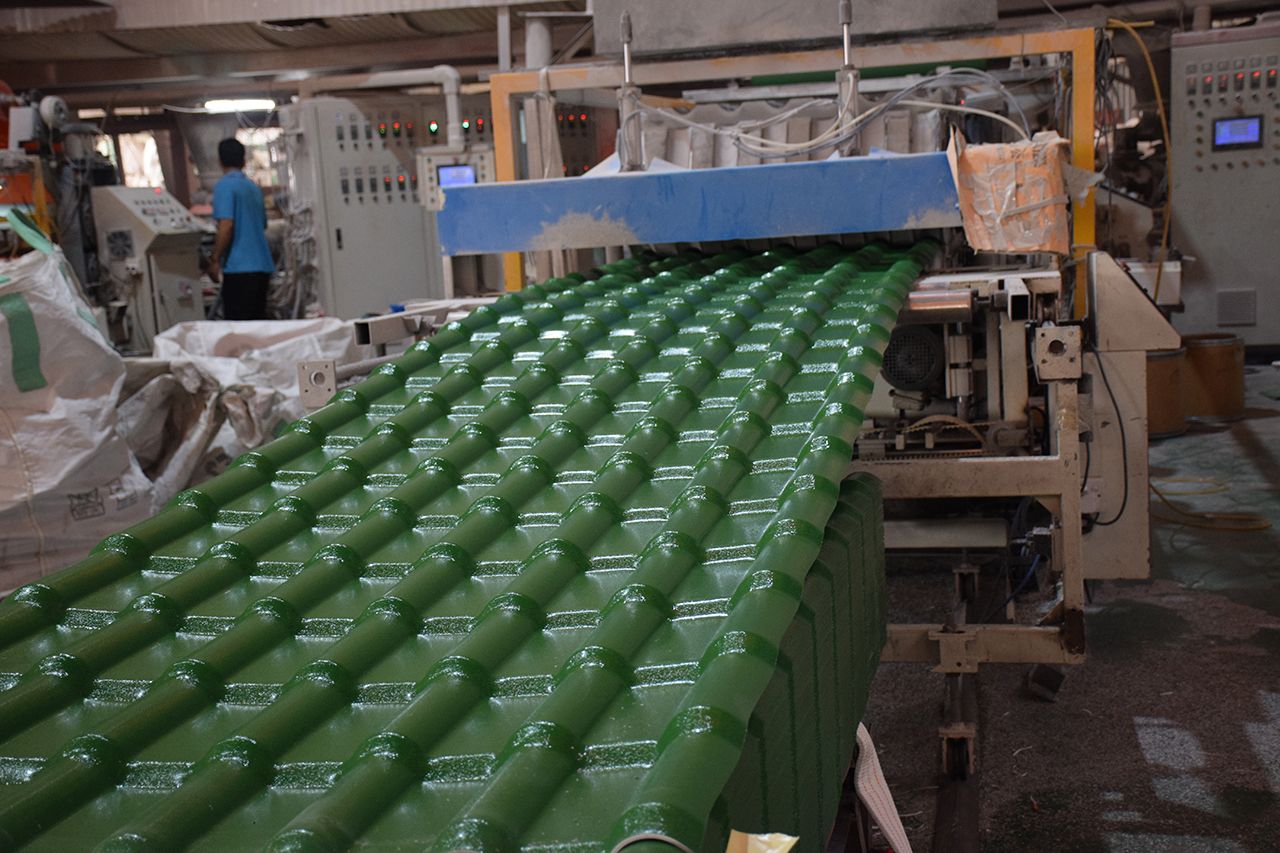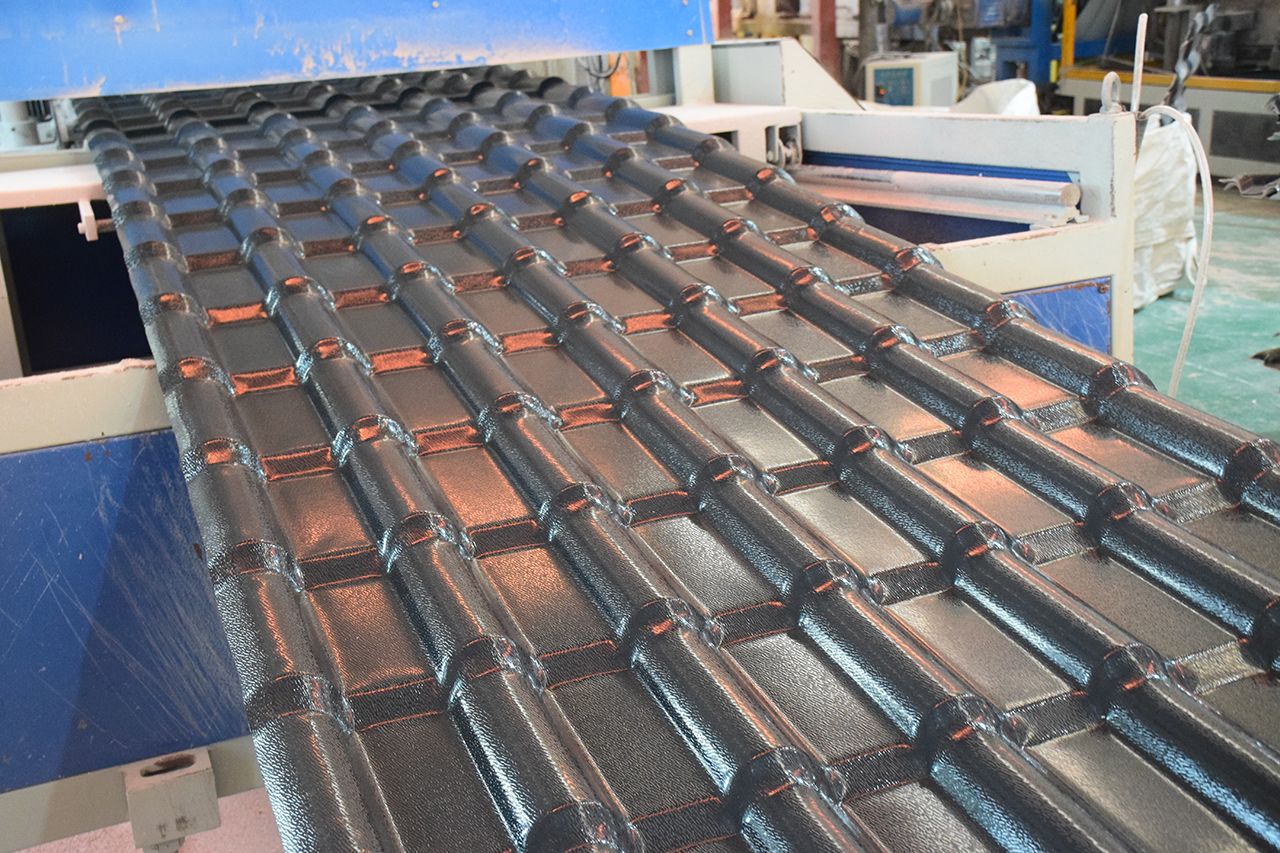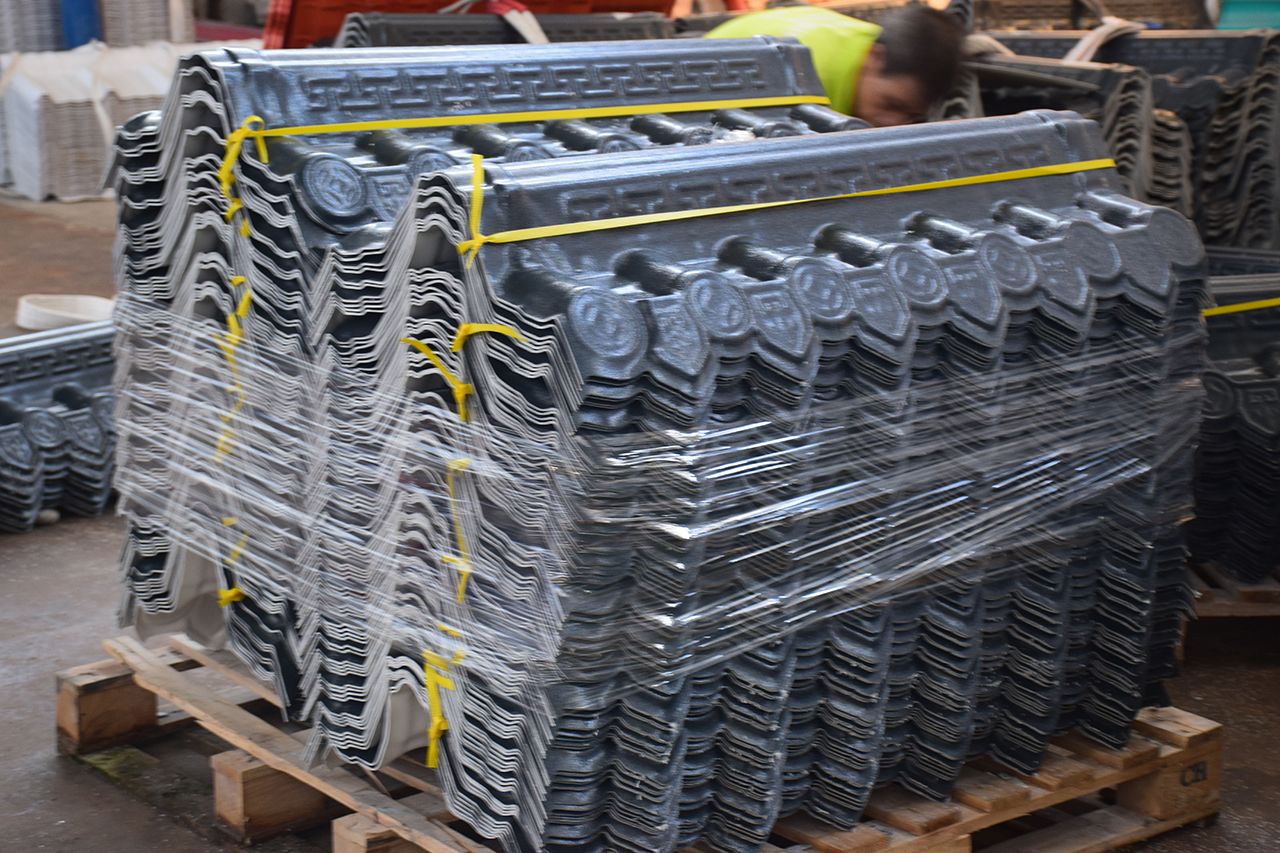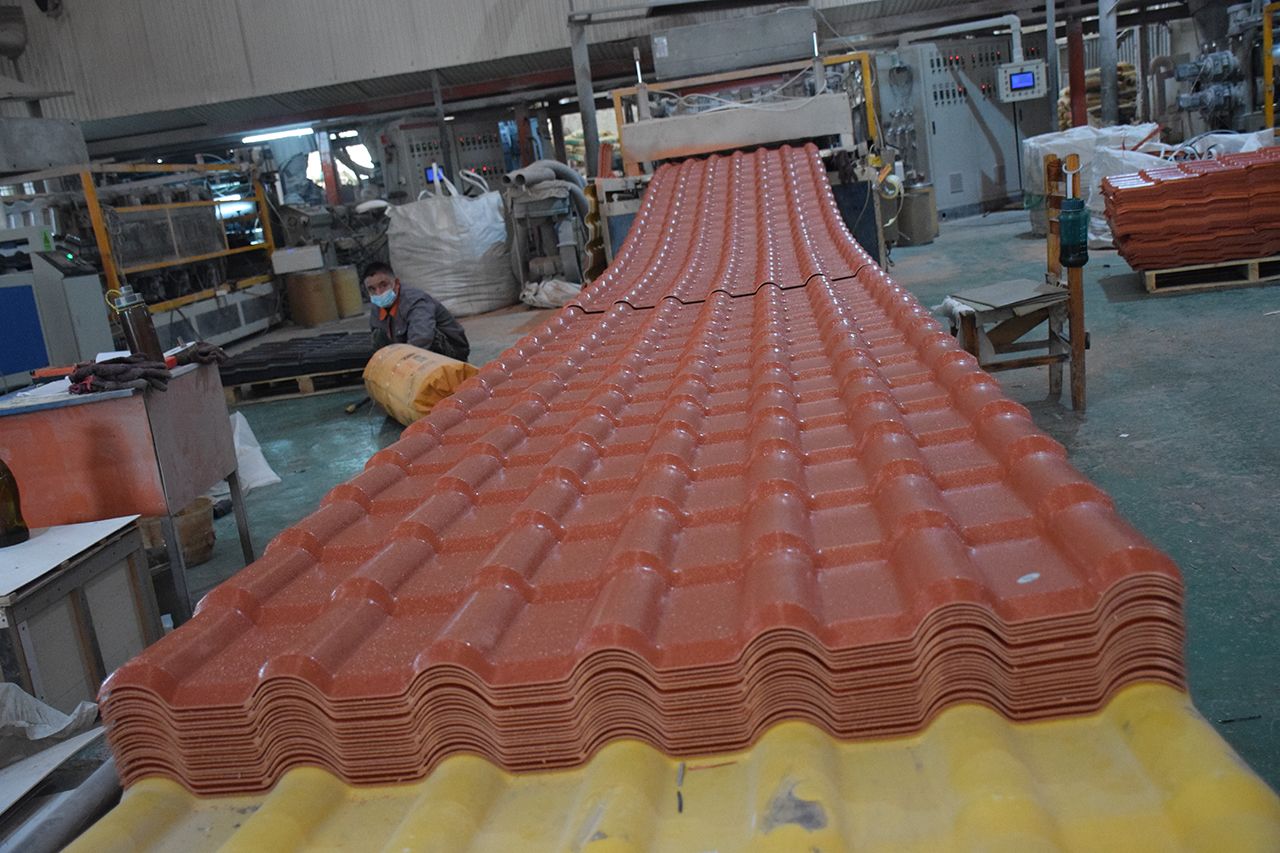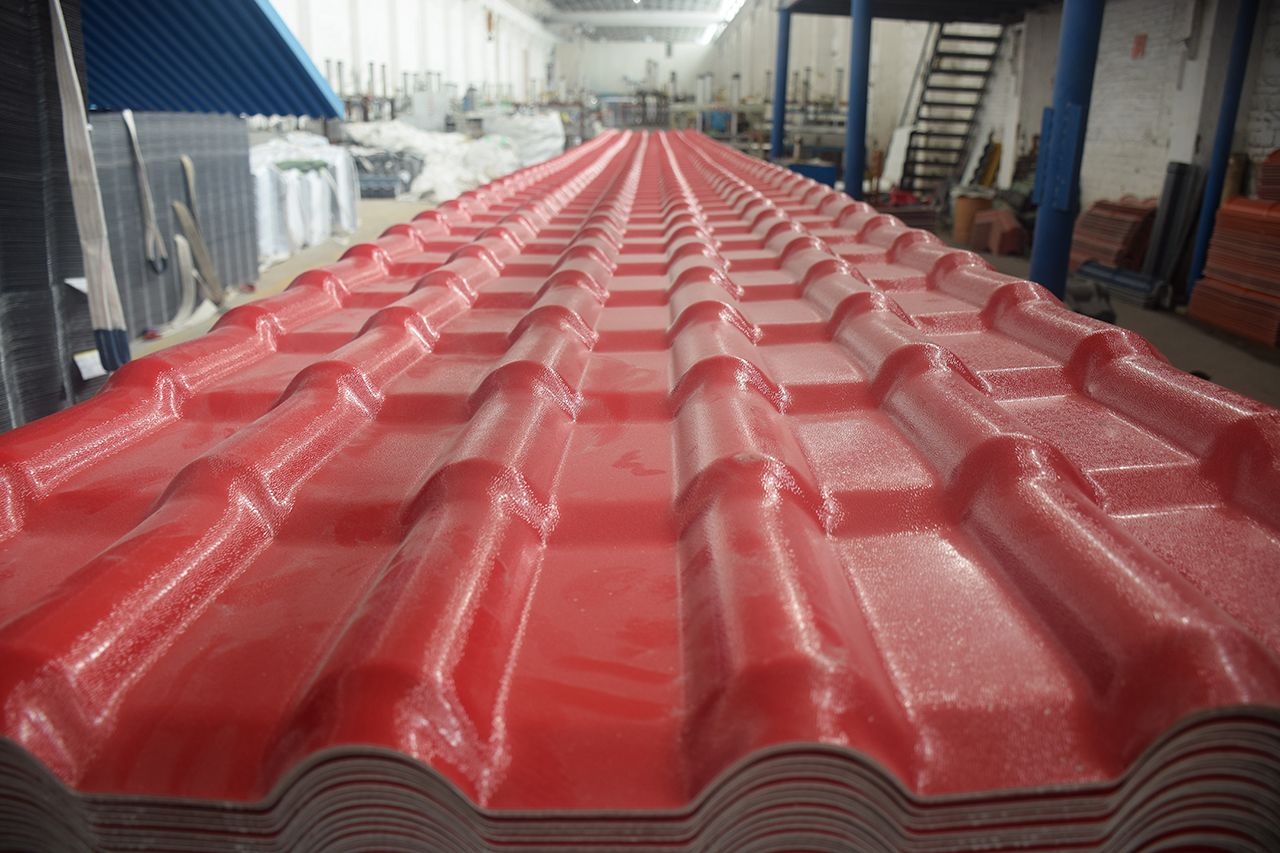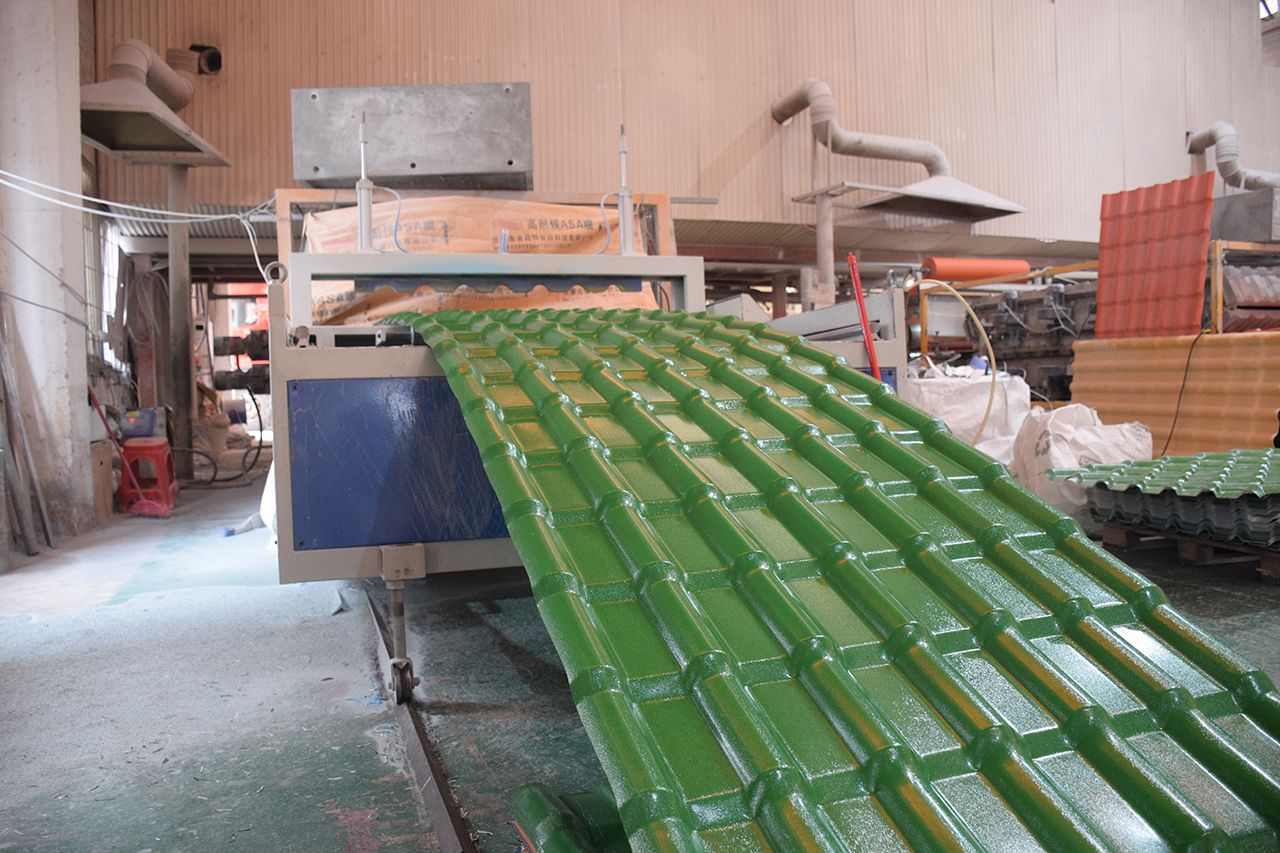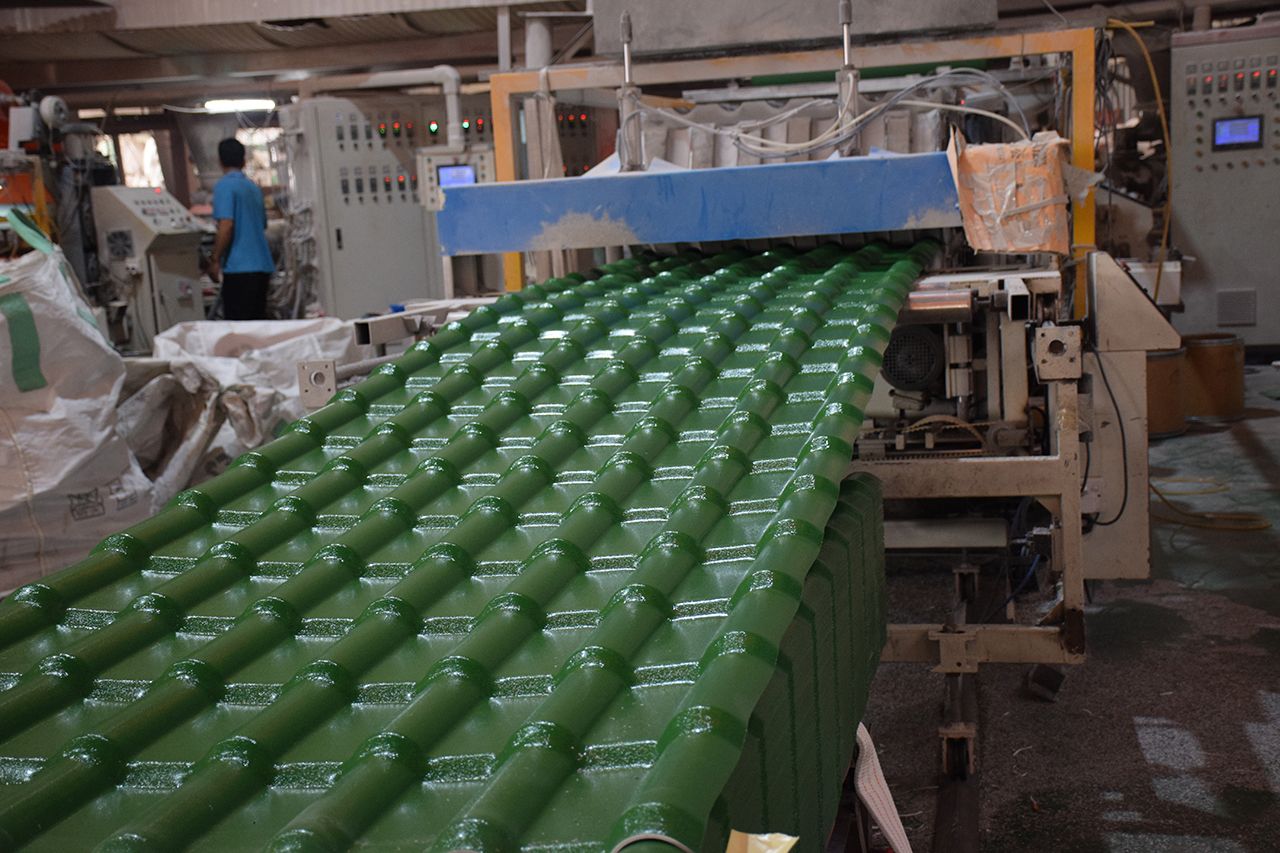
A new type of eco-friendly roofing material—synthetic resin tiles—has become increasingly common in recent years on self-built homes, factory buildings, rural tourism facilities, and during the renovation of older homes. Many people are curious about what synthetic resin shingles actually look like and what the final result looks like once they’re installed. However, online images are a mix of real and fake, making it particularly difficult to determine which ones are genuine photos and which have been digitally altered. This article focuses on actual product images to help you recognize the true appearance of these tiles in different styles, as well as how they look in various colors and with different installation methods, so you won’t be misled by those fake images.
Product Images of Synthetic Resin Roof TilesWhat key details can you spot?
When examining images of synthetic resin roof tiles, one should not focus solely on their overall appearance, but rather pay close attention to several prominent details. First and foremost, note the sheen that appears on the tile surface when illuminated by light. High-quality resin shingles are coated with a layer of ASA resin that offers excellent weather resistance. In photos, these shingles exhibit a natural, soft, and gentle light effect—without the harsh glare that can cause eye strain, nor do they appear dull or take on a grayish hue. In contrast, low-quality tiles typically exhibit a pronounced “plastic-like” appearance in photos, reminiscent of plastic products, and their colors create a visual impression that is unstable and lacks stability. First, let’s discuss the clarity of the corrugations. Genuine resin roofing tiles feature distinct lines at the peaks and troughs; when photographed from the side, they display a neat, undulating pattern. In contrast, substandard tiles have blurred, flattened-looking corrugations, This specific distinction is one of the first indicators for distinguishing genuine from counterfeit products. By examining this characteristic, you can assess the product’s quality and determine whether it is genuine or counterfeit. Next, consider the thickness of the overlapping edges. A high-quality product image will show a cross-section of the tile’s side, allowing you to see whether the top and bottom layers are uniform. Carefully examine the image for any air bubbles or delamination. These details are often visible in actual product photos on Taobao or even on the manufacturer’s official website, but rendered images typically retouch out all such flaws, making them unreliable. Second, this distinction can help verify authenticity; by examining this characteristic, one can determine whether the product is genuine or counterfeit, thereby ensuring that the buyer is purchasing an authentic item rather than a fabrication. The product’s authenticity can be verified through these details.
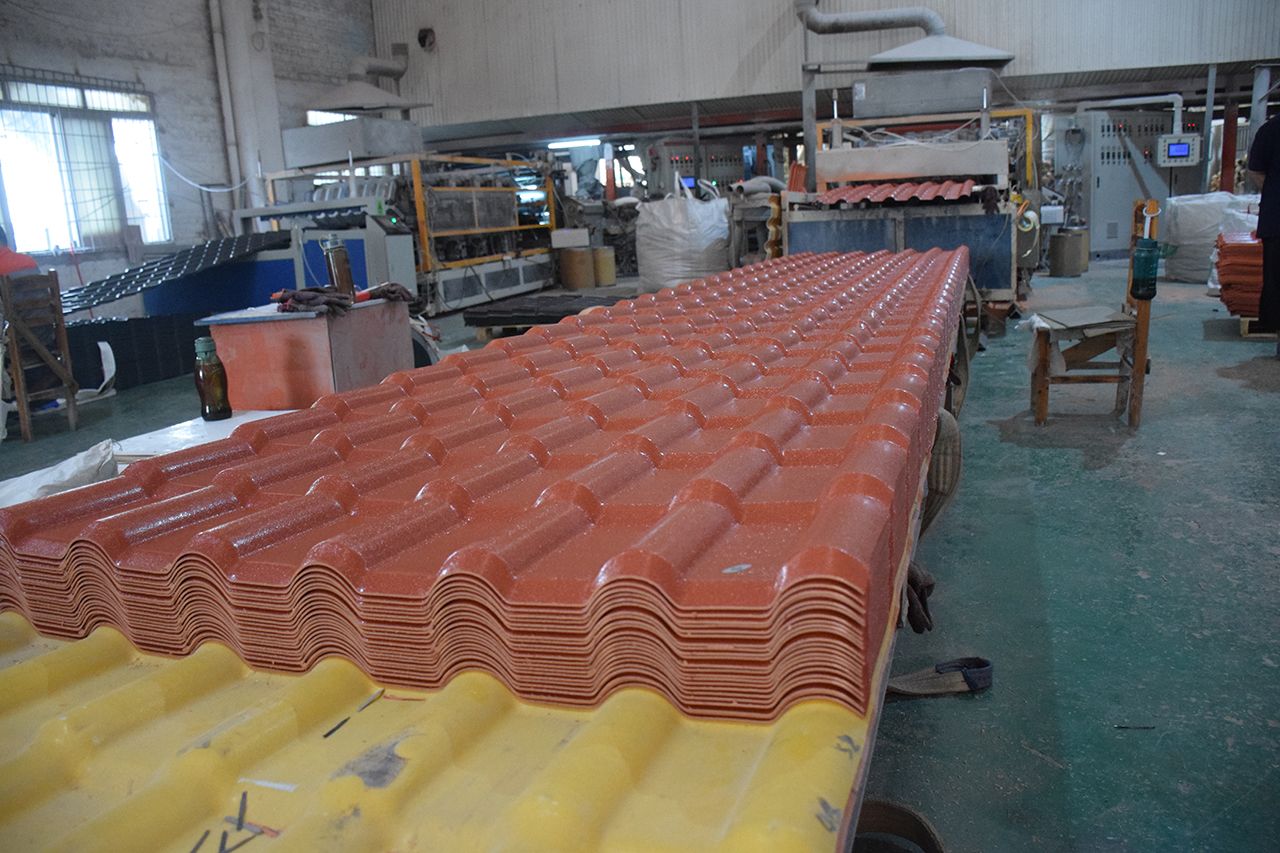
How to Interpret Renderings of Synthetic Resin Roof Tile Installations in Different Settings
The best way to determine whether synthetic resin shingles are a good fit for your home is to look at installation photos. Images of flat roofs often show the overall appearance after the entire roof has been covered—with consistent color and minimal seams—making them ideal for assessing whether the color scheme is harmonious. Combinations such as red tiles paired with white walls, or blue tiles paired with gray exterior walls, are clearly visible in these images. Installation photos of pitched roofs place greater emphasis on whether the tiles interlock tightly with one another and whether the finishing touches at the ridge, eaves, and other areas are clean and precise. Some manufacturers release images of the installation process showing the tiles not yet fully secured; however, these clearly illustrate the layout of the roof battens and the sequence of overlapping the tiles. Such images are even more valuable for reference than finished product images. It’s especially worth taking a look at before-and-after comparison images of old-house renovations. The left side typically shows dilapidated asbestos or metal roofing, while the right side displays the result after replacing them with resin roofing tiles—the entire house’s aesthetic is elevated. Such before-and-after comparisons vividly demonstrate the decorative appeal and practicality of resin roofing tiles.
Furthermore, don’t jump to conclusions based on just one photo. The appearance of the same model of resin roof tile can vary greatly depending on lighting conditions and the angle from which it’s photographed. Tiles photographed at noon on a sunny day tend to appear bright, while those taken on a cloudy evening appear darker; images taken under the lighting in a manufacturer’s showroom often have a filtered effect. I suggest you ask the manufacturer for several actual photos taken under natural light, or go directly to view photos of real installations at customers’ homes. Those unedited images are the closest representation of what the product will actually look like in your future application. If the tile edges in the photos appear jagged, the color is uneven, or there are noticeable gaps at the joints, you can generally conclude that these are low-quality, low-priced products, and you should rule them out immediately.
When it comes to product images of synthetic resin roofing tiles, it’s not necessarily true that the more visually appealing they are, the better; rather, the more realistic they are, the greater their practical value. When selecting tiles, you should carefully compare actual photos from multiple manufacturers, paying close attention to the texture of the tile surface, the consistency of the color, and installation details. Doing so will help you avoid most potential issues. Keep in mind that a single ordinary photo clearly showing the seams and corrugations is far more convincing than ten meticulously retouched promotional images.
Keywords: Product Images of Synthetic Resin Roof Tiles