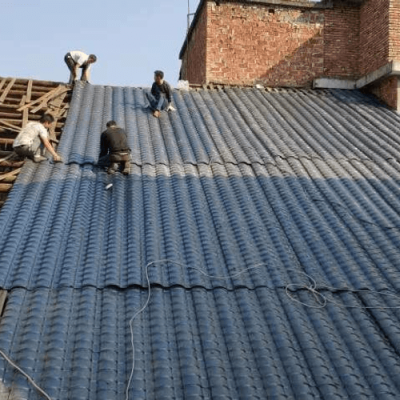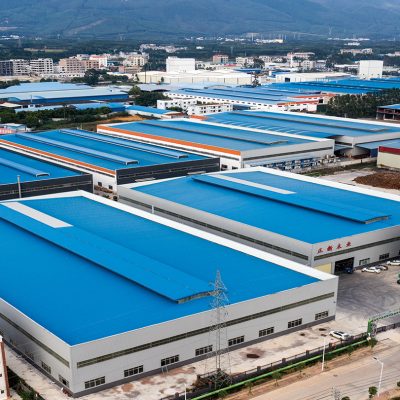
ASAThe secret at the heart of resin tile weathering
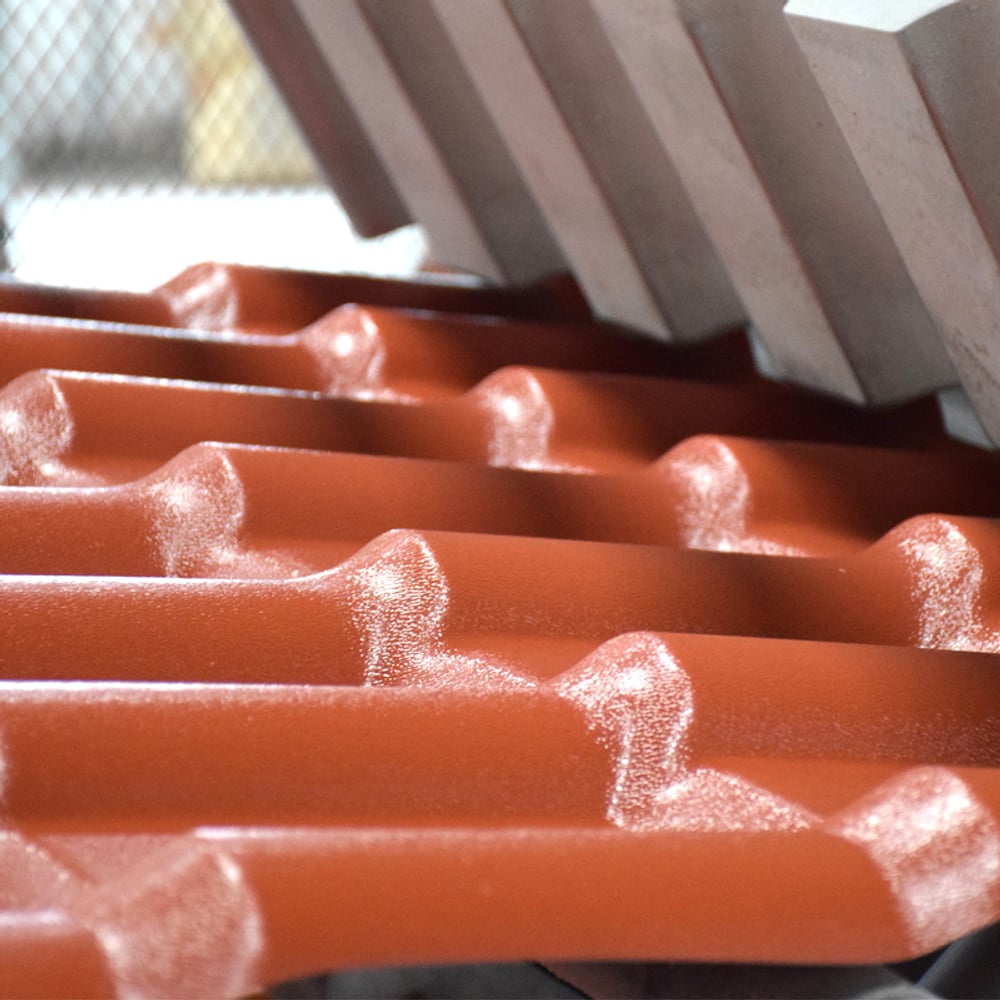
When we talk about the performance of resin tiles, we often hear one word - ASA.So what exactly is ASA? Why is it so important to resin tiles? To answer these questions, we have to recognize this particular engineering resin on the level of materials science.
ASAWhat is it?
The full name of ASA is acrylonitrile-styrene-acrylate copolymer, which is a terpolymer produced by polymerization reaction of three monomers: acrylonitrile, styrene and acrylic rubber. Acrylonitrile gives the material good chemical resistance and rigidity, styrene provides processing fluidity and surface gloss, and acrylic rubber delivers excellent impact and weather resistance.
ASA与ABS: Similarities but Differences
The molecular structure of ASA is very similar to that of another common engineering plastic, ABS (Acrylonitrile Butadiene Styrene Copolymer), with the biggest difference being that ASA replaces the butadiene rubber in ABS, which contains unsaturated double bonds, with acrylic rubber, which does not contain unsaturated double bonds. This subtle change makes a huge difference in performance - the unsaturated double bond is easily opened by ultraviolet light from the sun, which triggers aging and degradation of the polymer. Since ASA does not have this UV-prone structure, it is resistant to degradation, aging and discoloration caused by UV exposure, as well as highly resistant to atmospheric oxidation and decomposition and discoloration during high-temperature processing.
According to relevant test results, ASA's anti-aging performance is more than 10 times that of ABS. That's why some cheap resin tile products use ABS to replace ASA - low price, but the quality and service life are greatly reduced.
ASAThe superb weather resistance of the
It is due to this unique molecular structure of ASA that it exhibits excellent durability in outdoor applications. Even after prolonged exposure to harsh conditions such as UV rays, moisture, heat and cold, ASA maintains its color stability. According to the outdoor use in the United States, such as Arizona and Florida and other areas with strong sunlight exposure, the use of ASA surface layer of high-quality resin tiles can ensure that the color change ΔE ≤ 5 within ten years, this value means that the naked eye can hardly notice the obvious color difference. In the 12,000-hour artificial aging test conducted by the National Testing Center for Chemical Building Materials, the color change ΔE of some high-quality products can even reach a very low level of 2.23.
ASAOther advantages
In addition to weather resistance, ASA also has a number of excellent characteristics. It has good mechanical and physical properties, can maintain stable mechanical indicators in a wide range of temperatures; has good high temperature resistance, heat distortion temperature of up to 80 ℃ or more; at the same time is also an anti-static material, can make the surface of the shingle is not easy to adsorption of dust, with the dense smooth structure of the material itself, resulting in the “Lotus Leaf Effect”, rain flushing can be self-cleaning. With the dense and smooth structure of the material itself, the "lotus leaf effect" is produced, and the tile can be self-cleaning when flushed by rain.
ASAareas of application
ASA materials are not limited to the field of roofing tiles; they have a long history of use in the automotive industry. Many of the exterior components of automobiles that are subjected to long periods of sun and rain, such as rearview mirror housings, radiator grilles, and taillight baffles, are manufactured with ASA. In addition, ASA is widely used in horticultural irrigation equipment housings, outdoor electronic equipment housings, and siding and window materials in the construction field.
It can be said that the reason why ASA resin tile can stand out in the field of roofing materials, the introduction of ASA material can not be ignored. It is this material of “unusual origin” that gives resin tiles the ability to withstand ultraviolet rays, acid rain, and temperature changes for a long time. For consumers, the quality and thickness of the raw material of the ASA layer is a key step in ensuring the long-term durability of the roof - a point that will be introduced in a subsequent article.