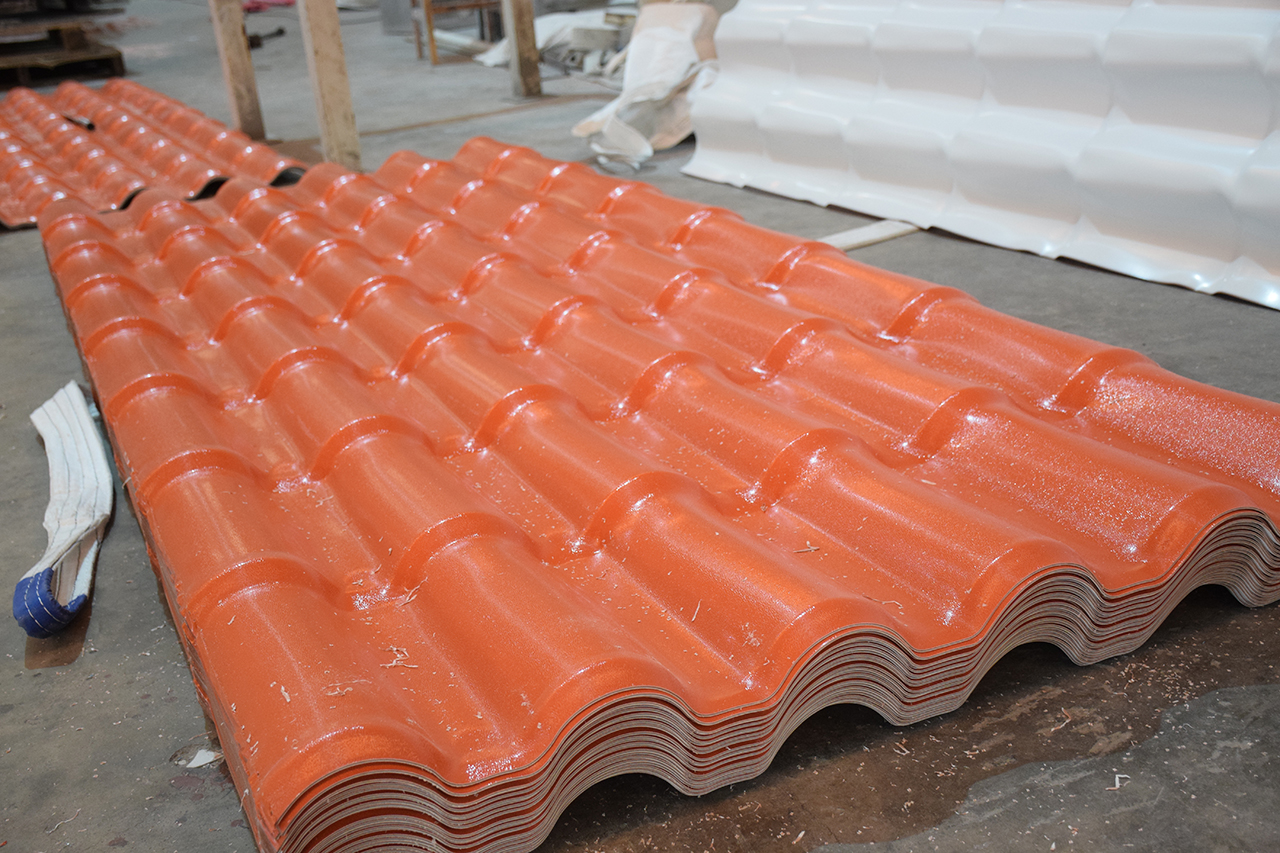
Make sure to prepare thoroughly
Before installing Gaoyi resin roofing tiles, you need to familiarize yourself with the materials, the tools, and the condition of the roof. Although these tiles are lightweight, their installation requires a level substrate. If the existing roof is uneven, it is best to level it first or reinforce the purlins. Common tools include an electric drill, a cutting machine, a tape measure, waterproof tape, and specialized self-tapping screws. The self-tapping screws must be fitted with waterproof washers; otherwise, leaks are likely to occur over time. Furthermore, Gaoyi resin tiles are inherently flexible, so they should not be nailed down too tightly during installation; space must be left to accommodate thermal expansion and contraction—a point that many beginners tend to overlook. First, lay out the tiles on the roof to verify that the dimensions are correct before proceeding with installation.
What is the installation process?
The first step is to install the roofing battens or secure the tiles directly to the purlins. The overlap length for Gao Yi resin tiles is generally kept between 10 and 15 centimeters; if it is too short, the installation will not be secure, and if it is too long, it will waste material. The horizontal overlaps of each tile must be staggered, similar to laying floor tiles; the seams must not align in a straight line, otherwise rainwater will easily seep in through the gaps. When driving in the fastening screws, ensure they are driven straight down—do not drive them at an angle, as this will compromise the seal provided by the waterproof washers. The treatment of the ridge and eaves is also critical. Specialized accessories should be used for ridge tiles, and both sides must be sealed with waterproof end caps. For the eaves, it is recommended to add an extra layer of drip edge to prevent rainwater from flowing back onto the roof. During installation, if the roofing material encounters a chimney or skylight, it must be measured and cut on-site. The edges should be properly finished, and weatherproof sealant should be applied.
Be Aware of Common Issues
Many people have reported leaks after installing Gaoyi resin roofing tiles. In fact, most of these issues are caused by screws that weren’t tightened properly or by worn-out washers. The spacing between self-tapping screws is typically kept between 50 and 60 centimeters; if they are too close together, it can damage the tile structure, while if they are too far apart, the tiles won’t be securely fastened. Additionally, resin tiles may soften slightly in high-temperature environments, so when installing them in the summer, avoid the midday hours when the sun is at its strongest; it’s best to carry out the work in the early morning or late afternoon. If the roof slope is less than 15 degrees, we recommend adding an extra layer of waterproofing membrane, as relying solely on the overlapping of the tiles may not be sufficient. There’s also a minor detail to note: cutting the tiles generates dust, so be sure to wear a mask and safety goggles. If resin dust is inhaled into the respiratory tract, it can cause significant discomfort. After completing the installation, remember to check that all screws are properly tightened and ensure that any missed holes have been sealed with sealant.
Installing Gaoyi resin roofing tiles is not complicated; as long as you prepare thoroughly, calculate the overlap dimensions accurately, and secure the screws in the correct positions, anyone can do it. Paying attention to the details is key to ensuring there are no leaks over the long term and to guaranteeing the safety of the roof.
Keywords: Installation of Gaoyi Resin Roof Tiles