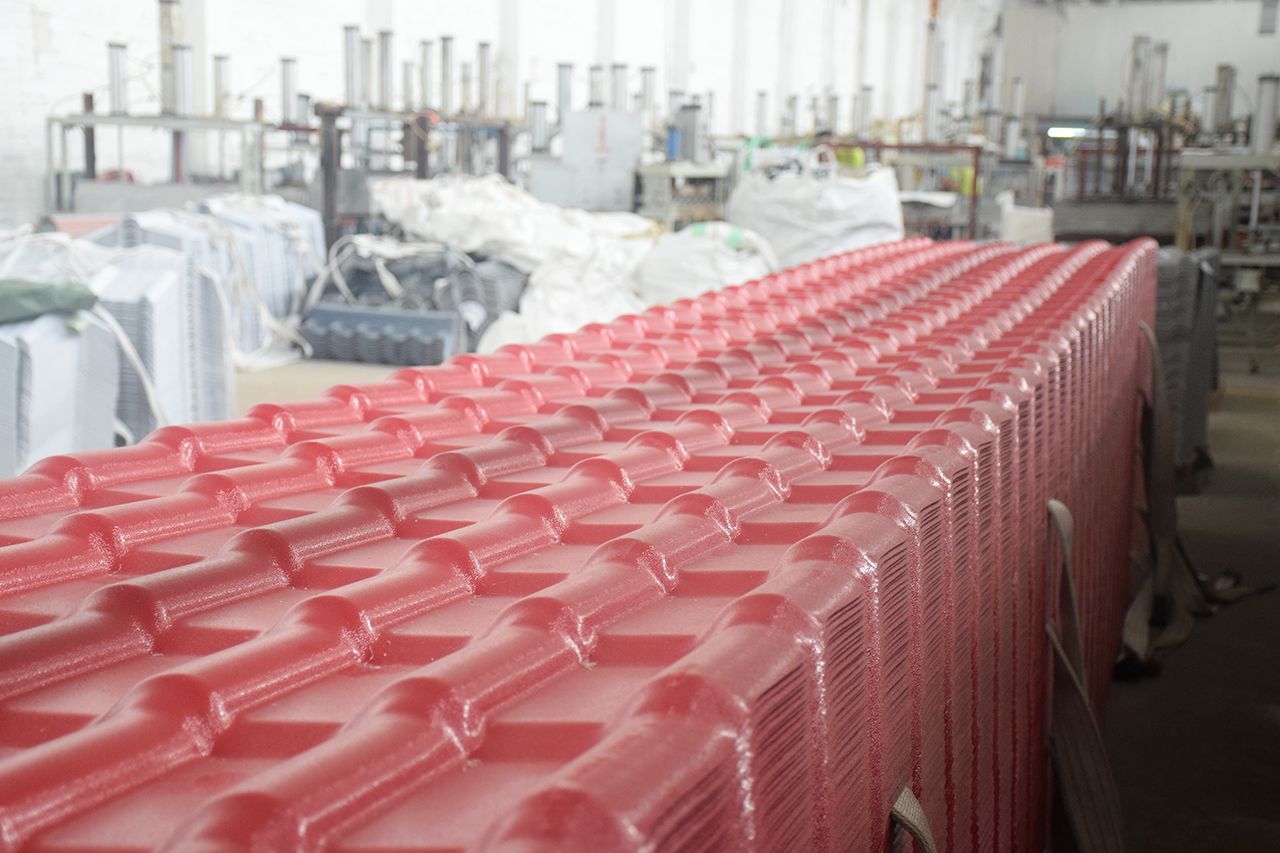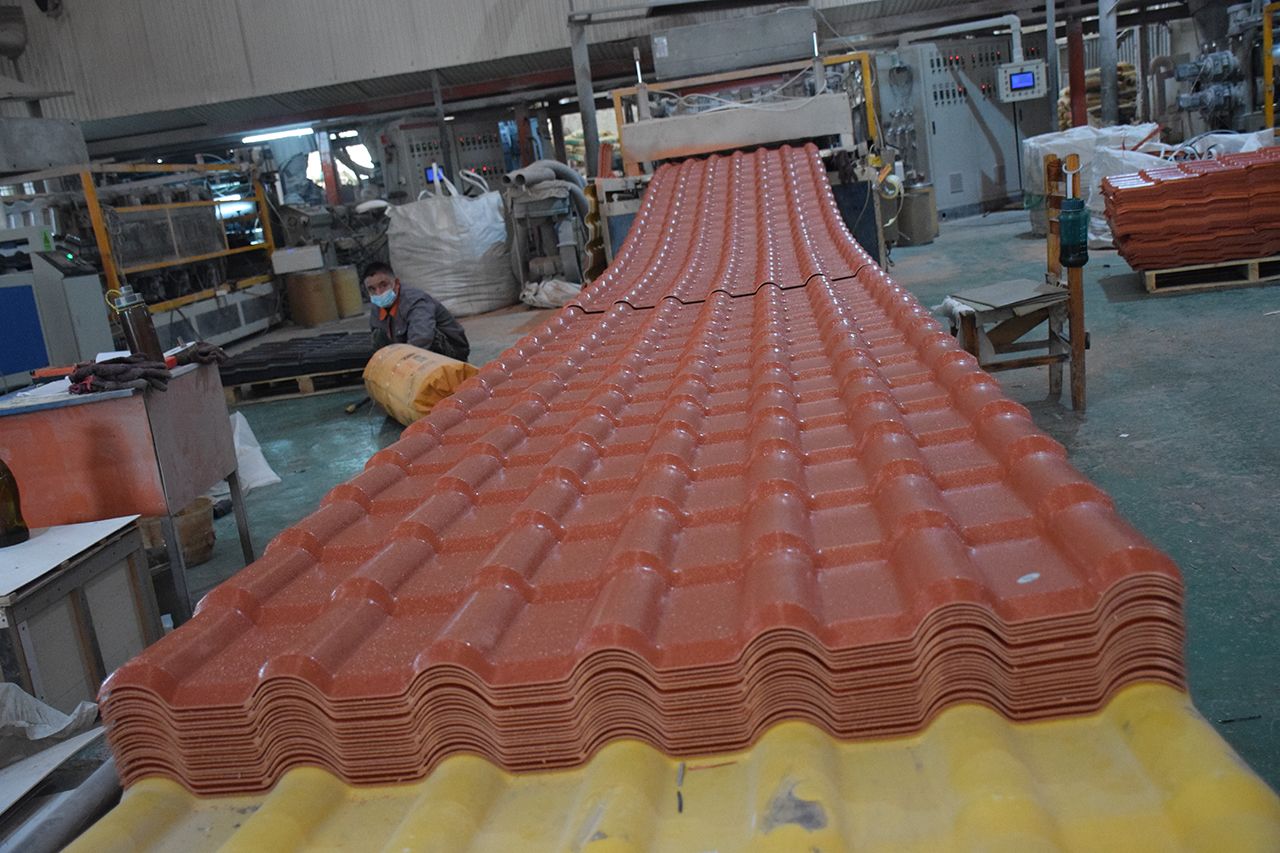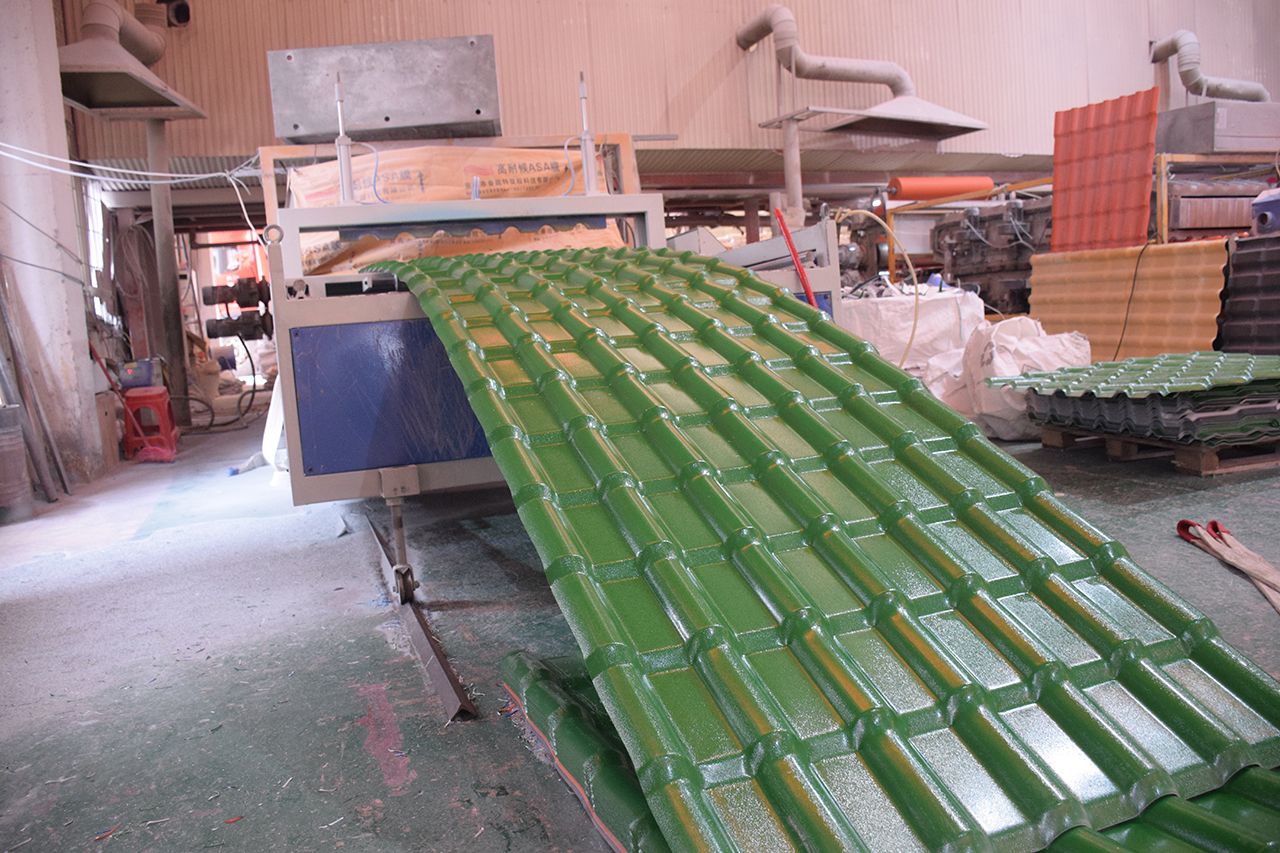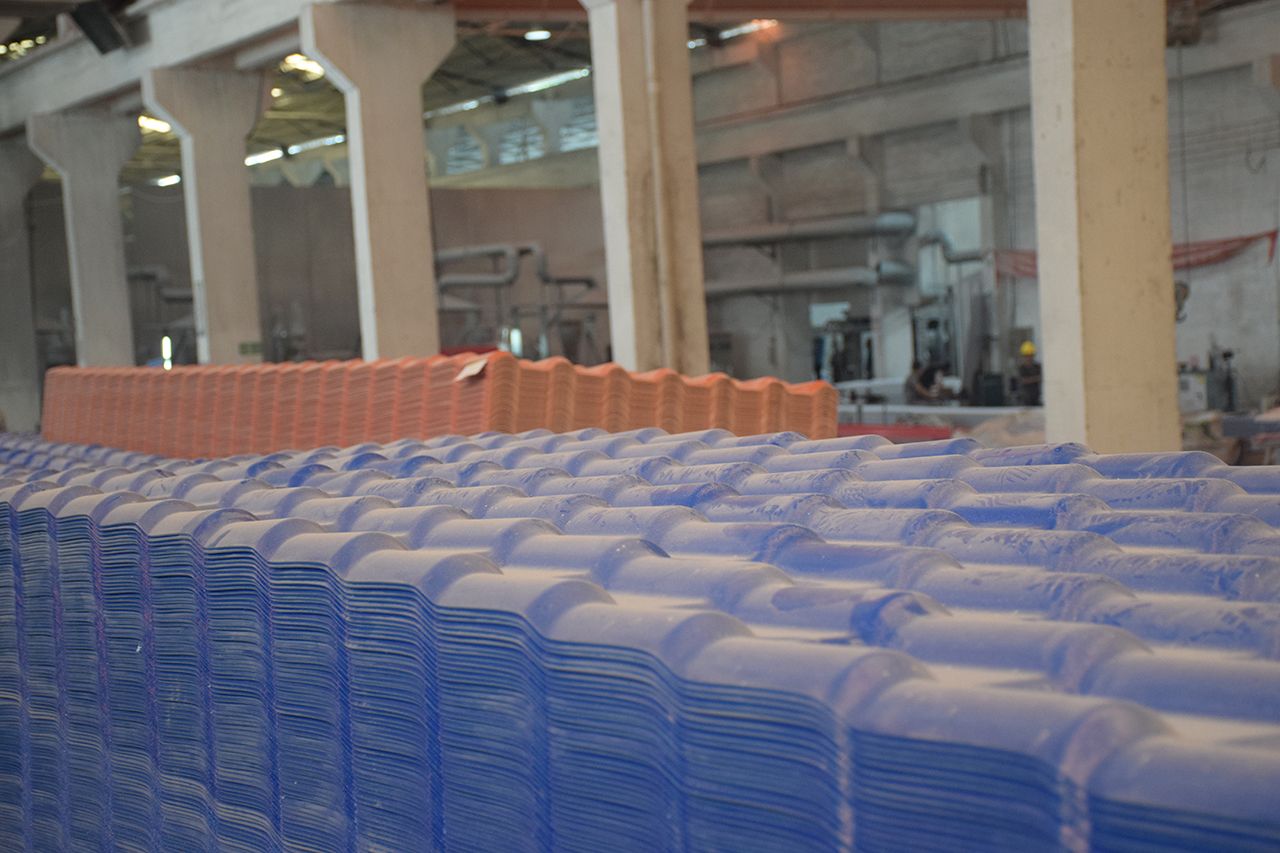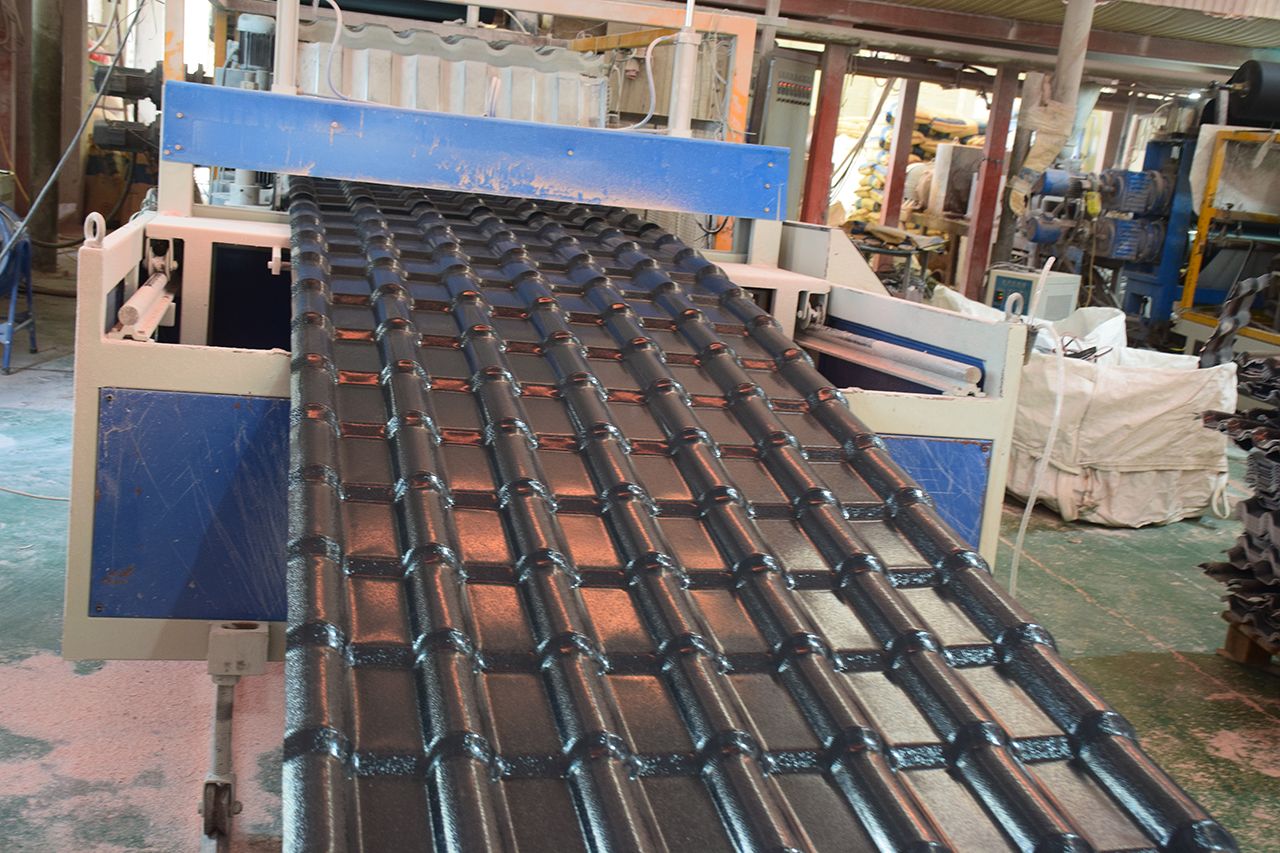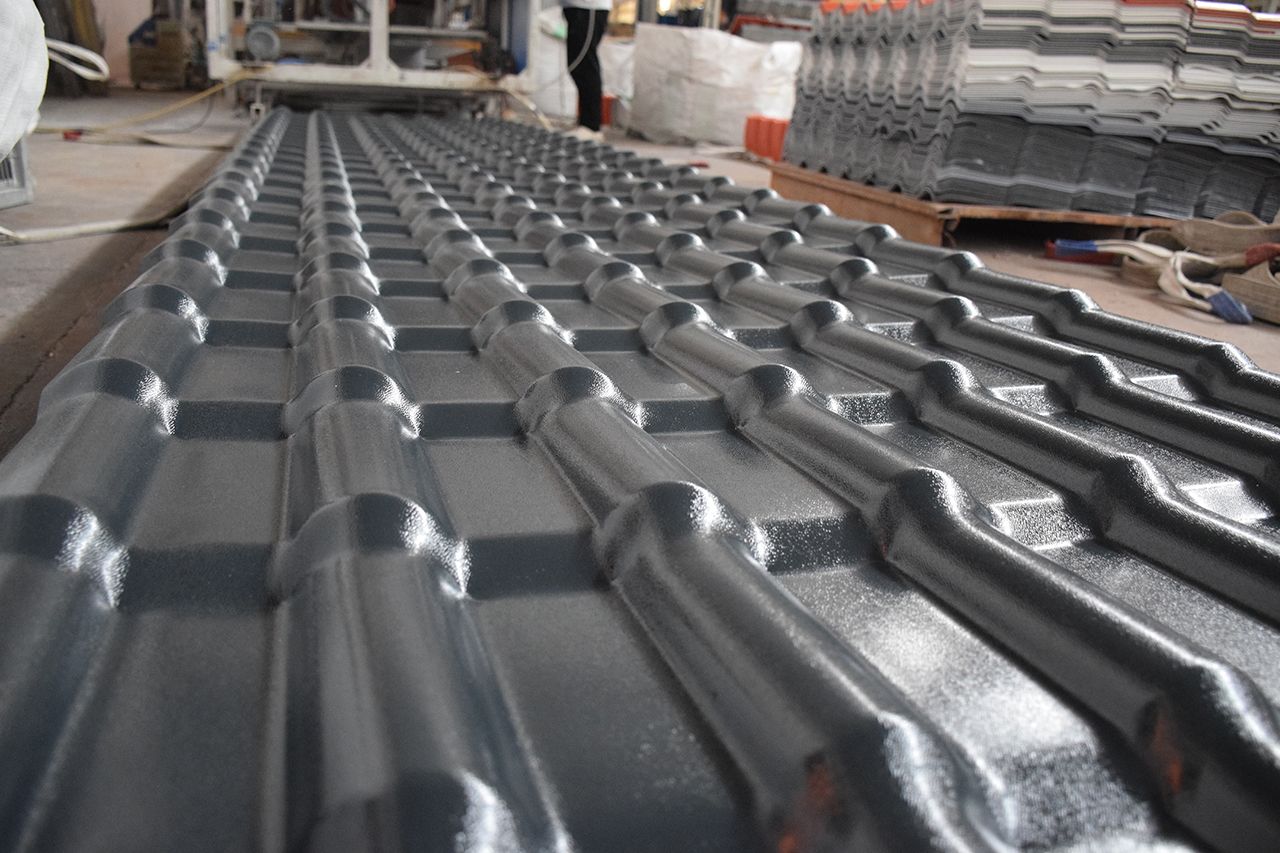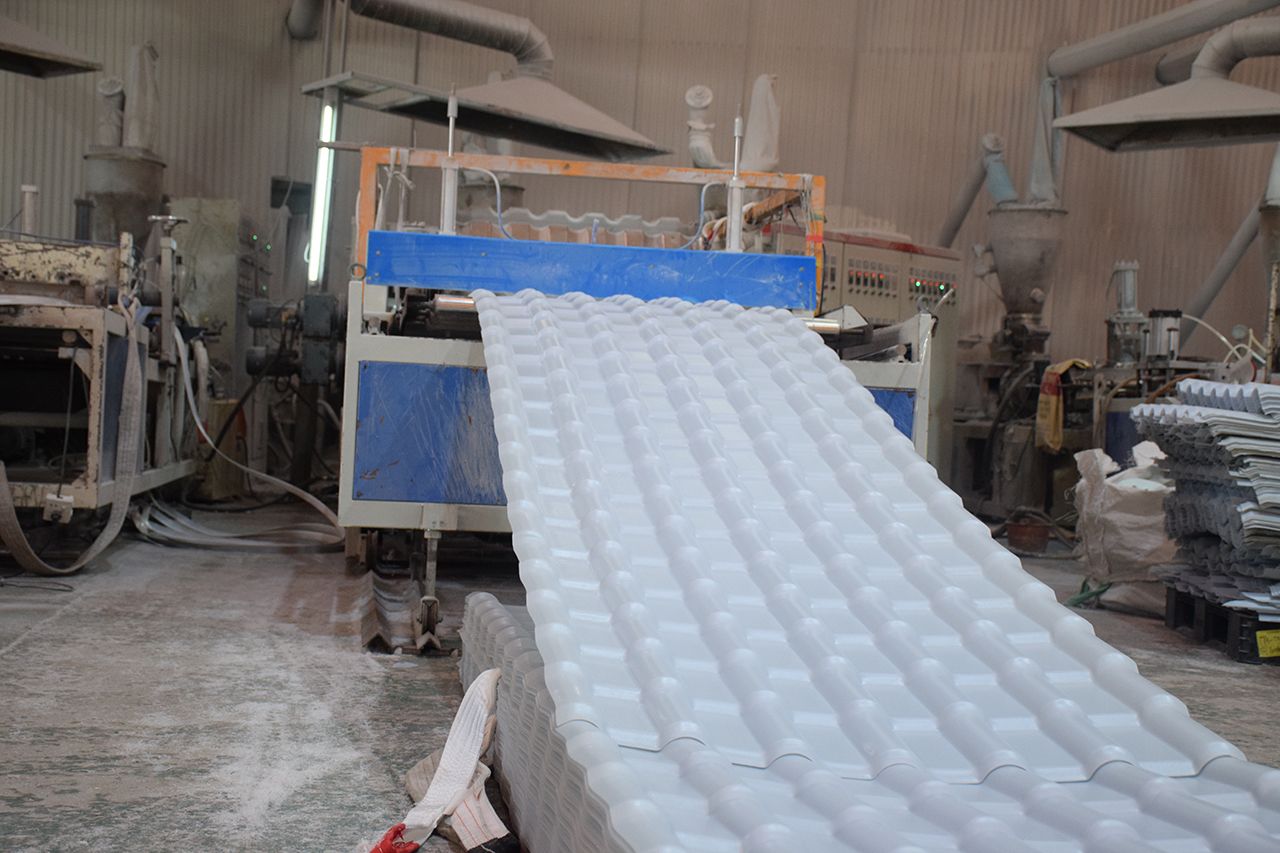
When it comes to building homes in rural areas or renovating older houses, the choice of roofing materials directly affects both safety and aesthetics. Many people are confused by the wide variety of roof tiles available on the market, unable to determine which material is not only waterproof and insulating but also durable. High-quality resin roofing tiles, thanks to their lightweight, corrosion-resistant properties and long-lasting color retention, have gradually become the top choice for many homeowners. They are not merely a building material but a key element in enhancing the overall quality of a home. Only by understanding their true performance characteristics can you avoid falling into traps and make the decision that best suits your home.
What are the advantages of resin roofing tiles compared to traditional roof tiles?
Traditional clay tiles, with their long history, as well as cement tiles, have some obvious drawbacks, such as being heavy, prone to breakage, and highly susceptible to moss growth. In contrast, synthetic resin materials treated with a special process offer exceptional impact resistance. When struck by hail or falling objects from a height, they are not easily shattered, thereby significantly reducing long-term maintenance costs and risks. In addition, the surface of resin roofing tiles is treated with a special coating that provides excellent water-repellency; they remain clean after being washed by rain and do not require frequent manual cleaning.
Another notable advantage is its excellent thermal insulation and noise reduction performance. The resin material itself has a very low thermal conductivity, effectively blocking heat from entering the interior during the summer and thereby reducing the energy consumed by air conditioning. At the same time, it produces far less noise than metal roofing tiles on rainy days, creating a quieter living environment for residents. Furthermore, this material possesses excellent flexibility, allowing it to adapt to minor structural deformations in the building without cracking. For older homes with foundations that have settled slightly, this is a crucial safety feature.
How to Choose the Right Resin Roof Tiles
There are numerous brands of resin roofing tiles on the market, with varying levels of quality. When making a selection, consumers should not focus solely on price but should also pay close attention to the quality of the raw materials. Genuine, high-quality products should use brand-new ASA engineering resin for the surface layer. This material offers exceptional UV resistance, ensuring no fading or chalking for ten years. If recycled materials or low-quality plastics are used, not only will the product have a short lifespan, but it may also release harmful substances at high temperatures, posing a risk to your family’s health. Therefore, verifying the source of the materials is crucial.
The final performance is determined by the installation process. High-quality resin shingles must be paired with specialized waterproofing components and installed using the correct overlapping method. During installation, attention must be paid to the spacing of fastening points and the tightness of the screws to ensure both a secure fit and prevent shingle deformation caused by excessive stress. It is recommended to hire an experienced installation team to ensure that every seam is properly sealed, thereby creating a watertight, sturdy, and durable roofing system.
Resin roofing tiles are lightweight, durable, aesthetically pleasing, and offer excellent value for money, making them an ideal choice among modern roofing materials; When selected wisely and installed professionally, they can significantly enhance a home’s comfort and safety, making them a reliable solution for both home renovations and new construction.
Keywords: High-quality resin roofing tiles