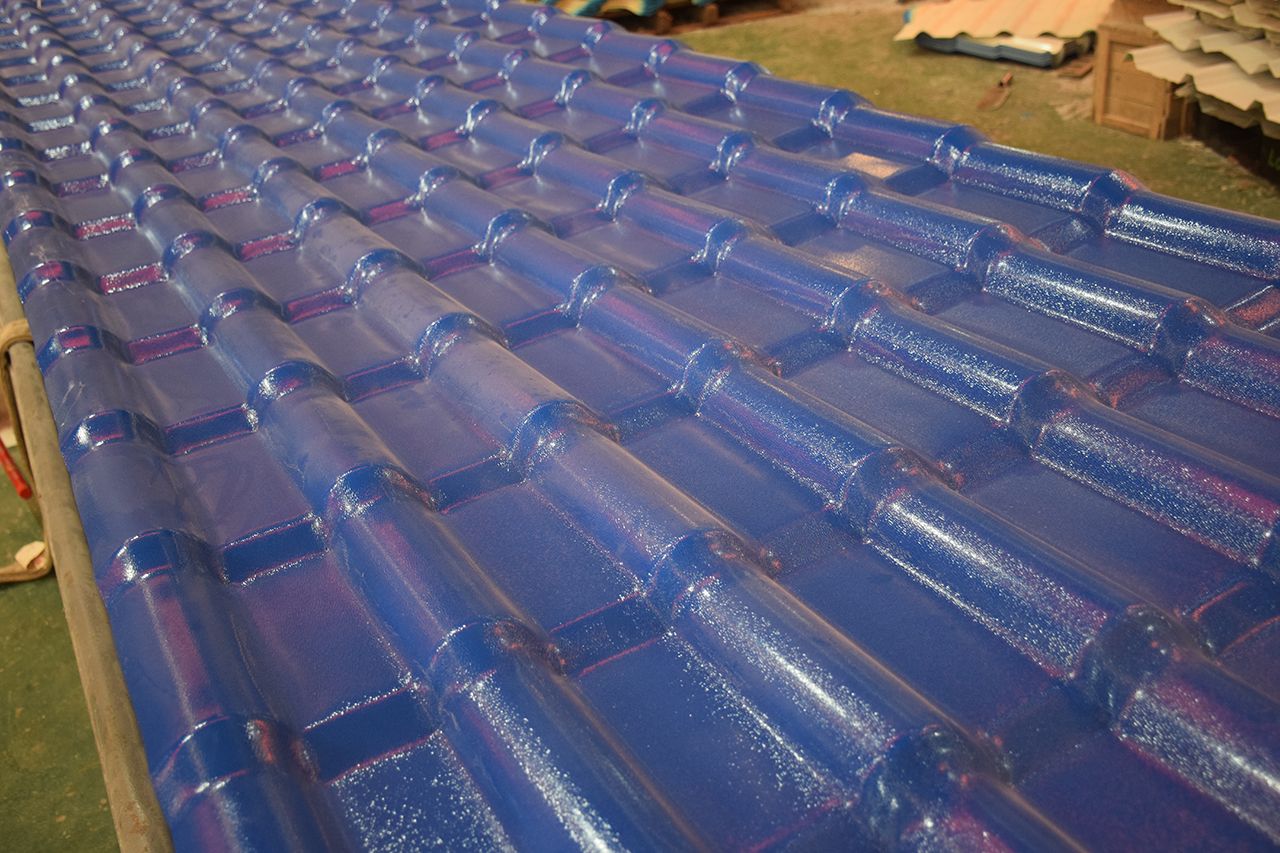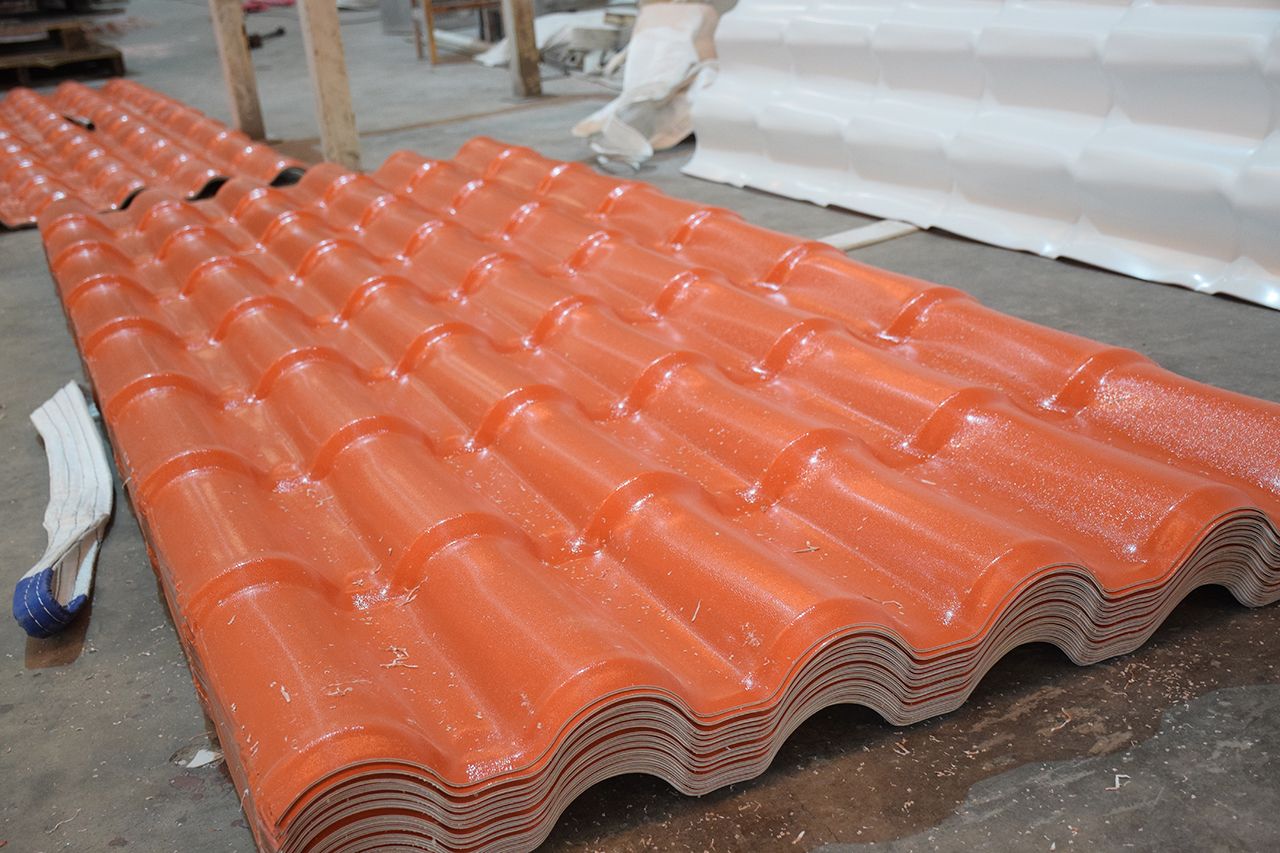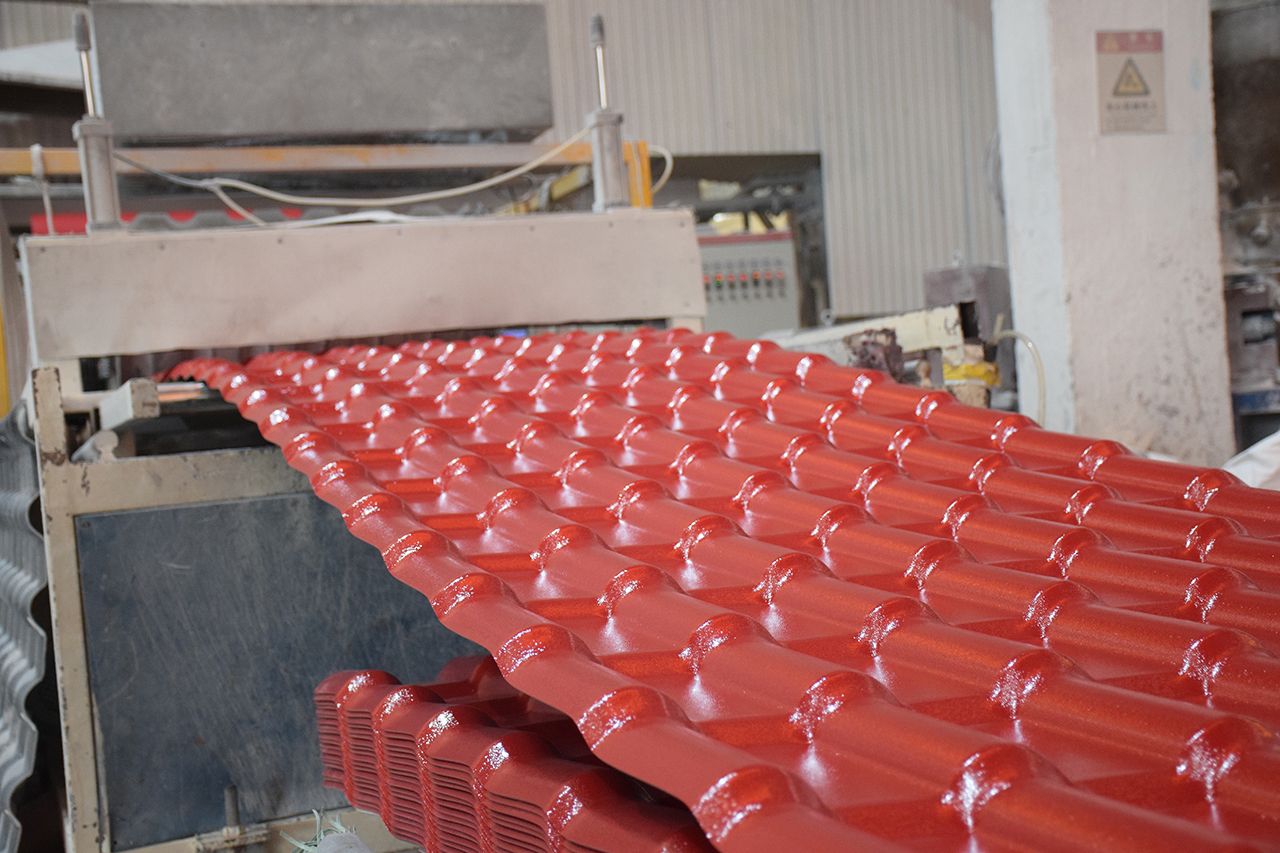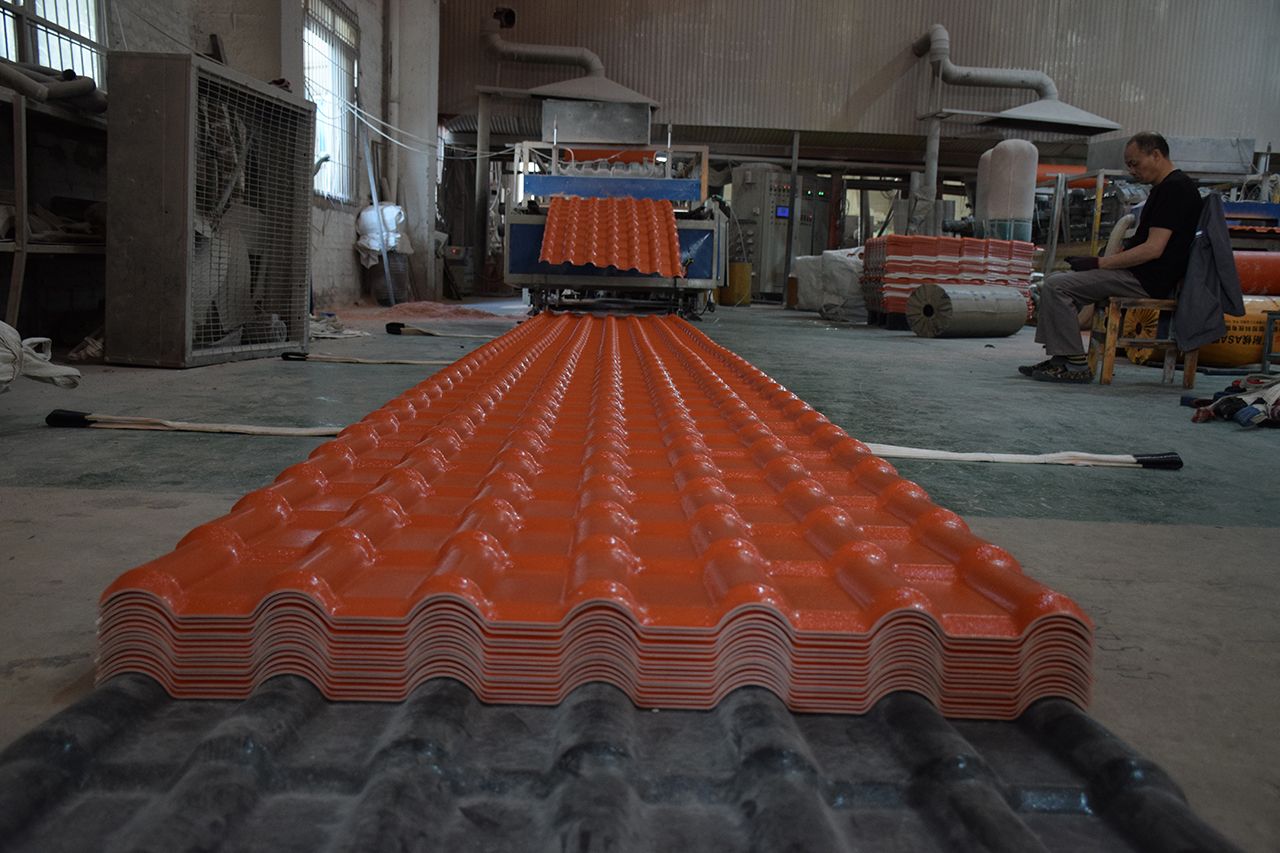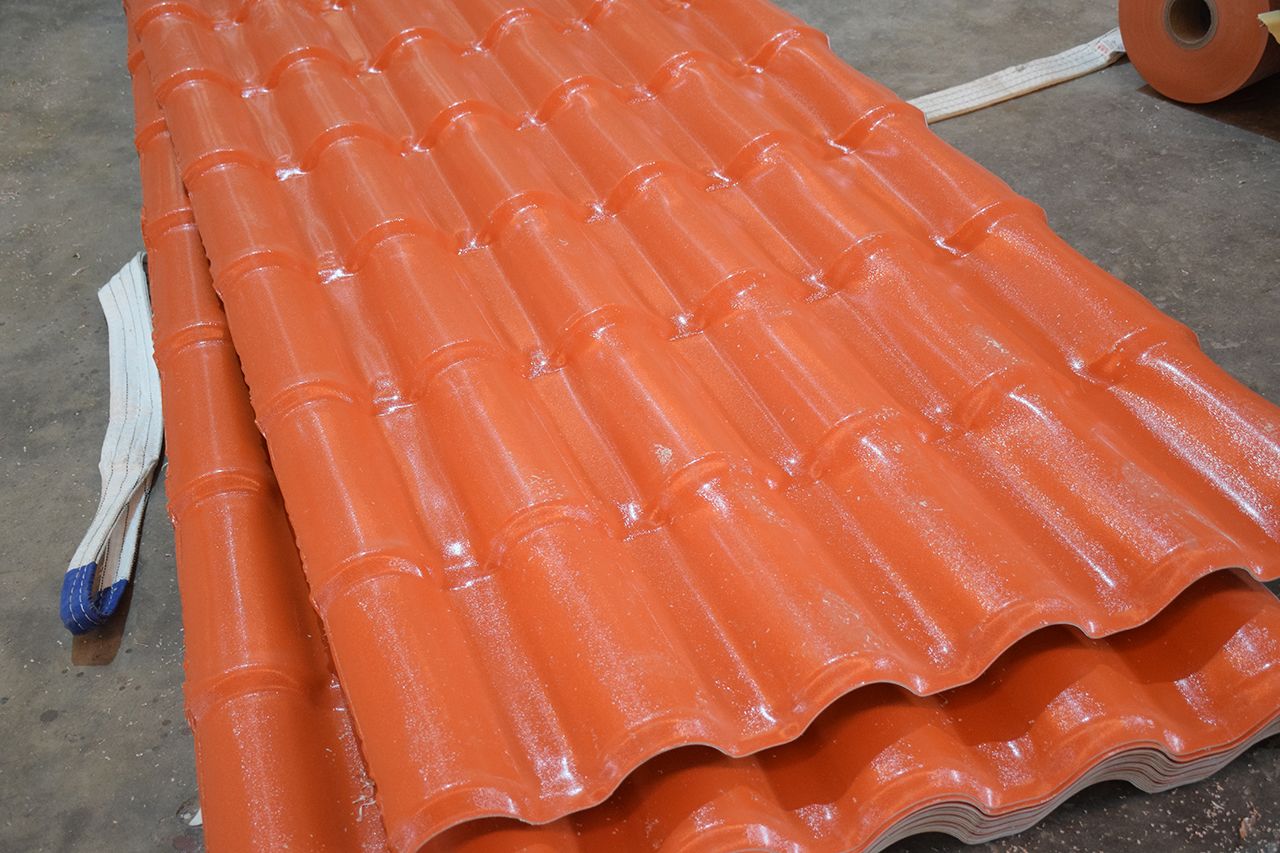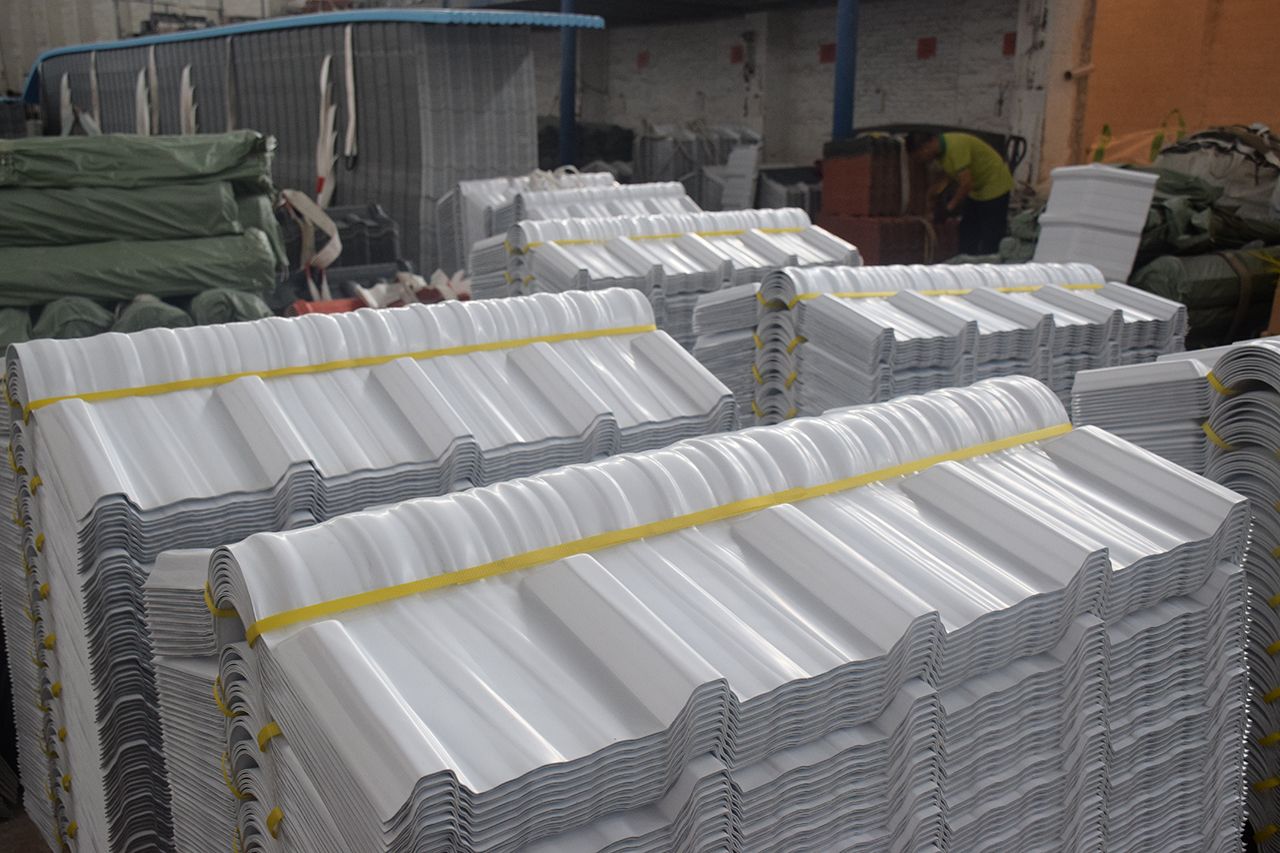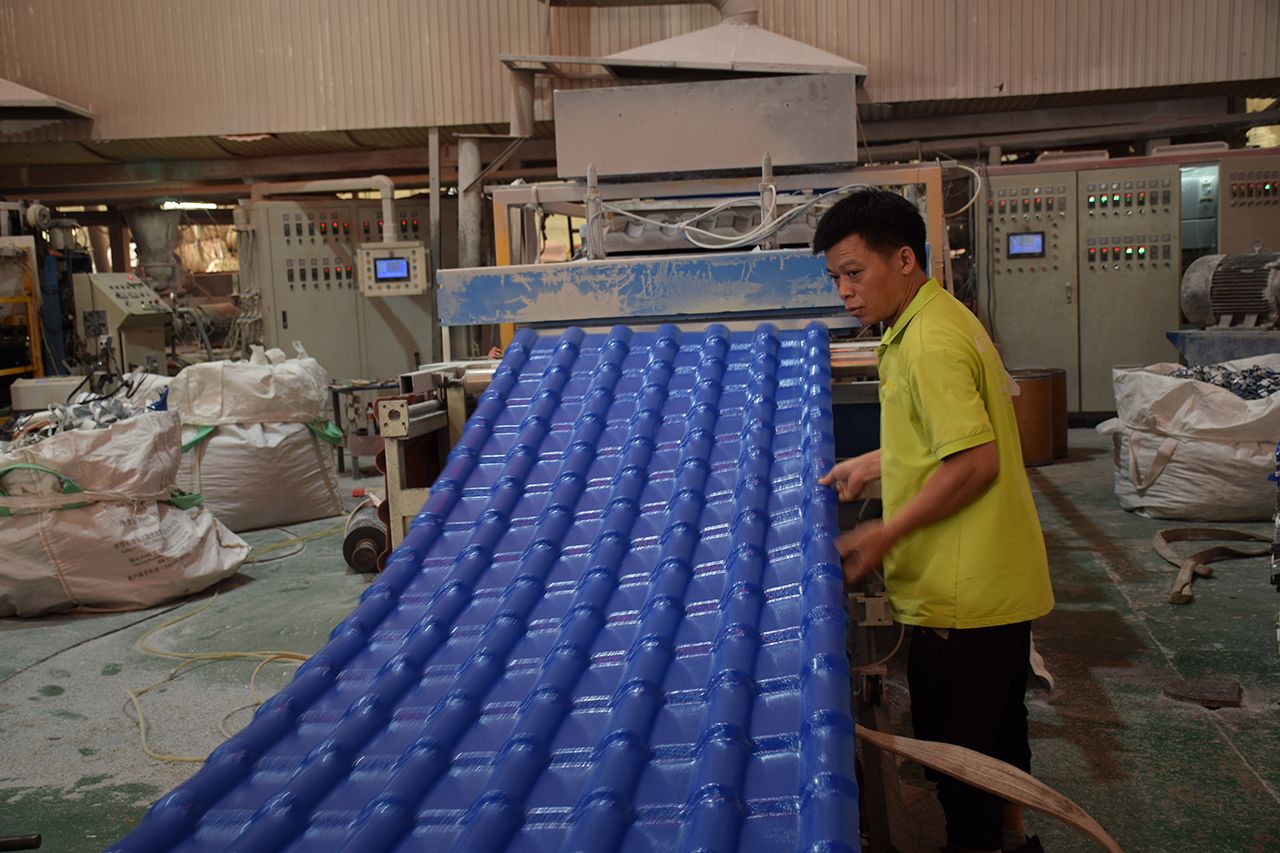
When purchasing PVC roofing tiles, thickness is the specification that is most frequently inquired about. So, what are the main thicknesses of PVC roofing tiles currently available on the domestic market? They are primarily the three main standard models: 1.5 mm, 2.0 mm, and 3.0 mm.
It’s important to note that roof tiles of different thicknesses vary significantly in terms of the weight they can support and the applications for which they are suitable. If you make a mistake when selecting the thickness, there’s a very high probability that it will lead to unnecessary problems later on.
What are the common thickness specifications for PVC roofing tiles?
Currently available on the marketPVC Roof Tiles, which are typically classified into three different grades: specifically, 1.5 mm, 2.0 mm, and 3.0 mm.
Among these, the 1.5mm products are generally used in applications such as temporary construction shelters, simple parking canopies, and roofing for livestock facilities. In these scenarios, the requirements for the roof’s load-bearing capacity, as well as its wind and pressure resistance, are relatively low, so it is also the most cost-effective option among the three.
In addition, the 2.0mm size is the best-selling option. It is most commonly used in projects to convert flat roofs to pitched roofs on older homes, in self-built housing projects in rural areas, and in roof extension projects for factory buildings, as it offers a relatively good value for money.
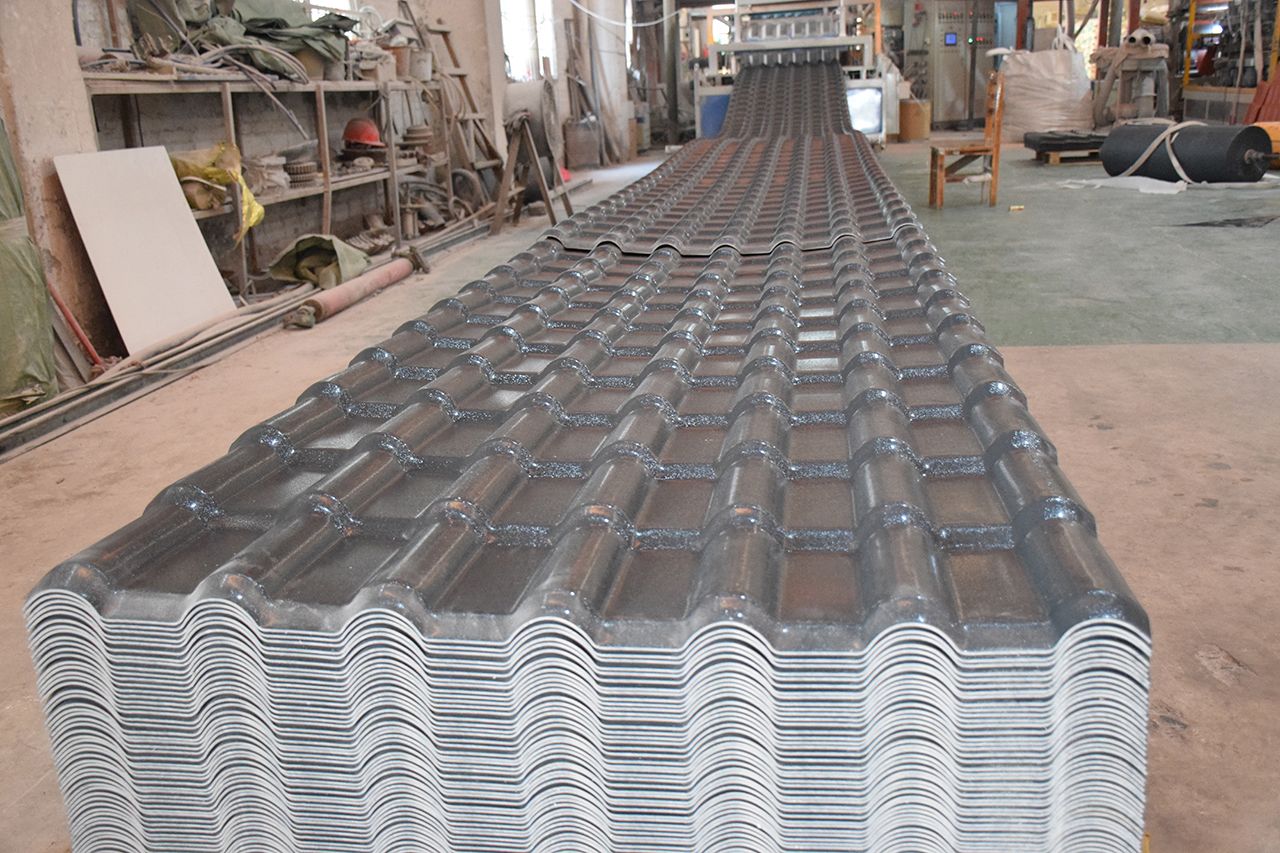
3.0mm panels are commonly used in industrial buildings with large spans. They are also frequently used in warehouse and logistics roof projects, as well as in projects with specific standards for sound insulation and those with specific requirements for wind resistance.
What Thickness Should You Choose for Different Usage Scenarios?
If the roof span is within 6 meters, and no heavy objects are placed on it and no one walks on it, then using 2.0-millimeter-thick material is perfectly sufficient, which will help keep the overall cost down.
If your roof spans more than 8 meters, or if your area experiences frequent summer downpours and snow accumulation in the winter, we recommend using 3.0-millimeter-thick material directly. This will effectively reduce the likelihood of blistering and long-term deformation on the roof surface.Effectively reduces blistering and long-term deformation of the roof surface。
There’s one point that people sometimes tend to overlook: when it comes to PVC roofing tiles, thicker isn’t necessarily better.
This is because once the thickness increases, the load borne by the purlins and supports will also increase accordingly; therefore, during installation, the spacing between the purlins must be adjusted accordingly, Under no circumstances should you focus solely on the roof tiles themselves while neglecting the support system.
When choosingPVC Roof TilesWhen it comes to thickness, there is no set rule that says “thicker is safer.” You should take all three variables—span, local climate, and budget—into account and then match them to the appropriate thickness range; this approach will generally prevent major mistakes or problems.
Keywords: PVC roofing tile thickness