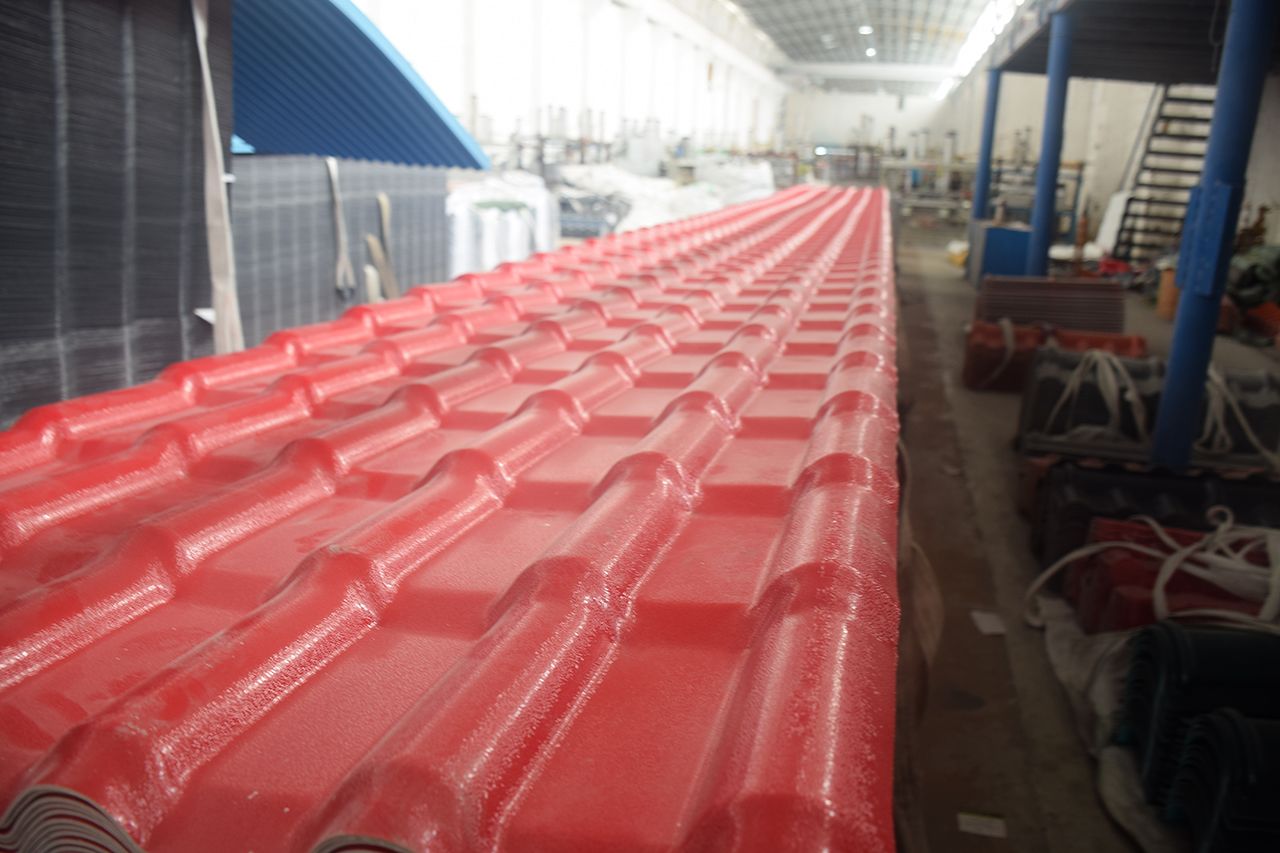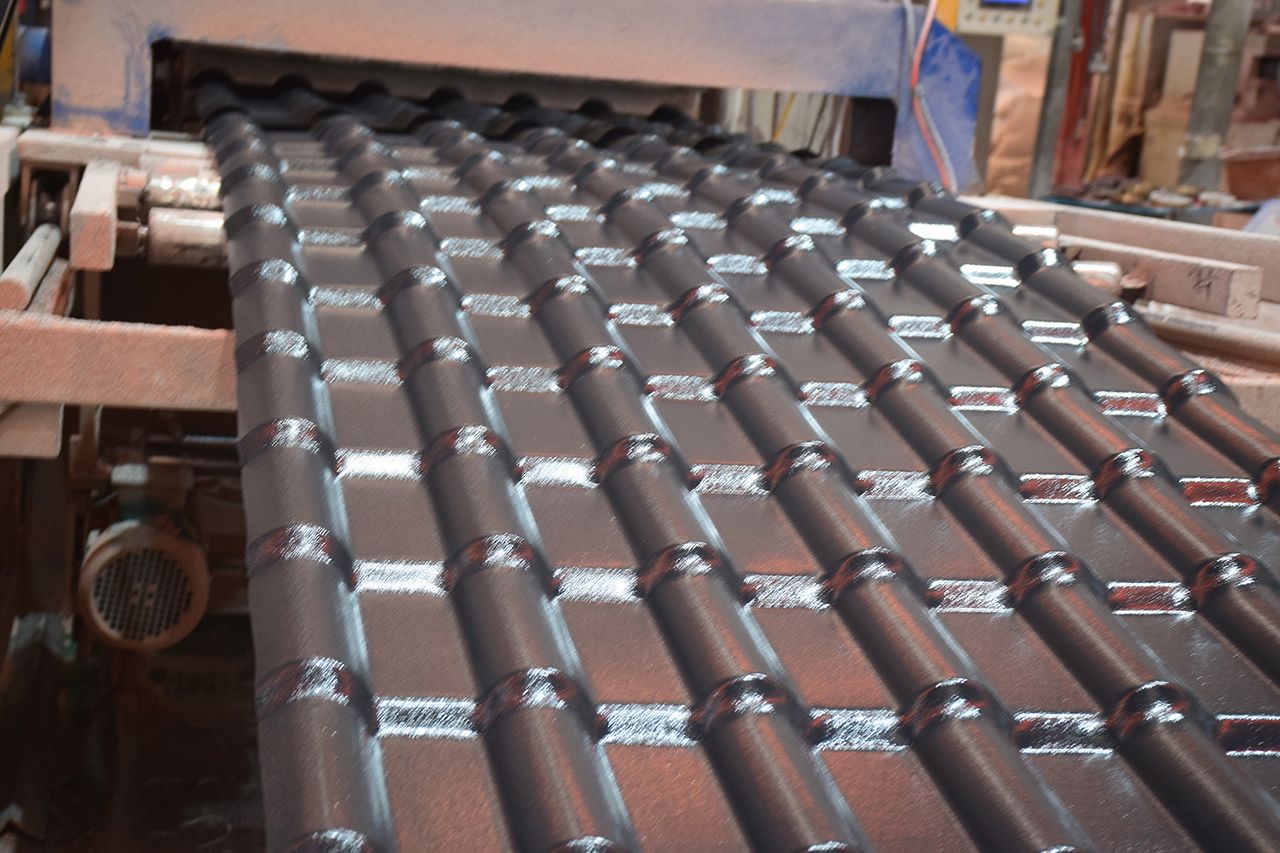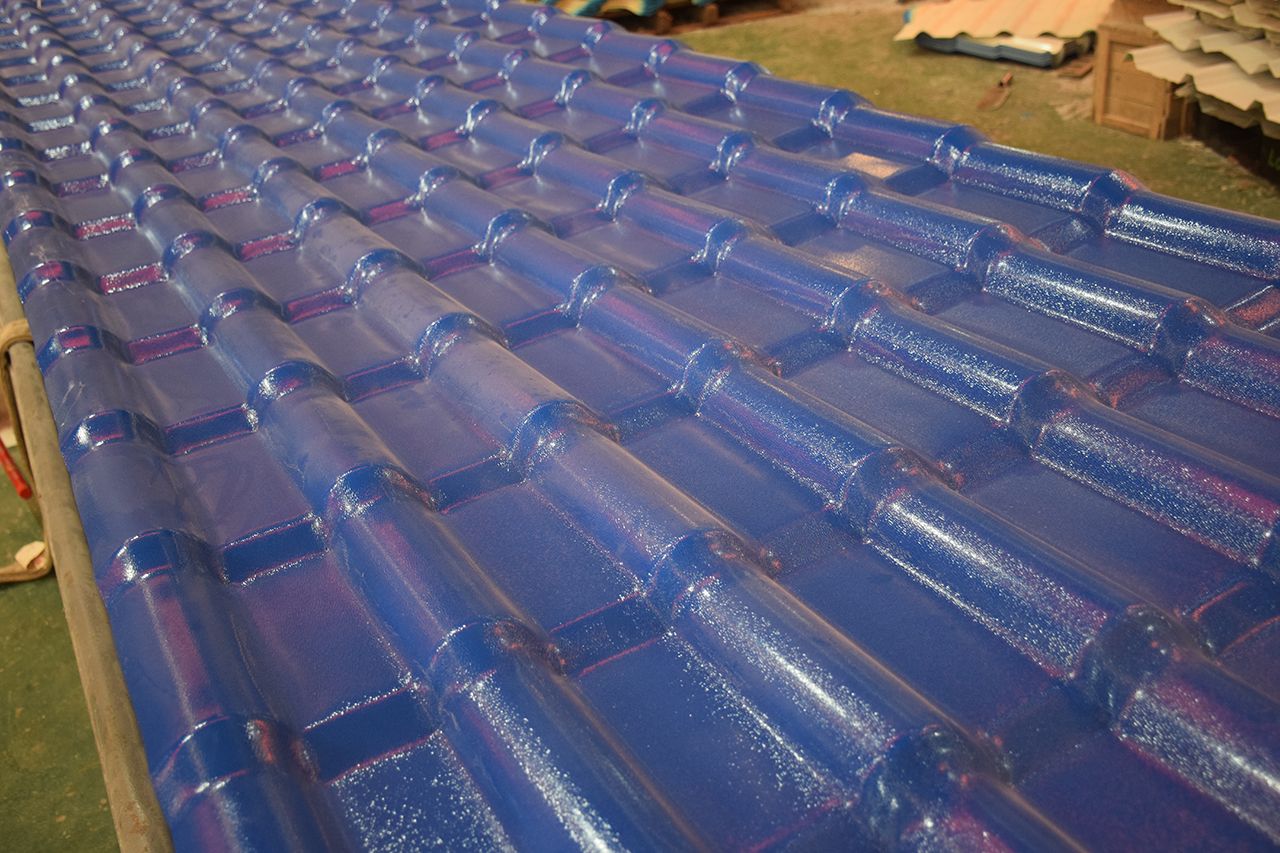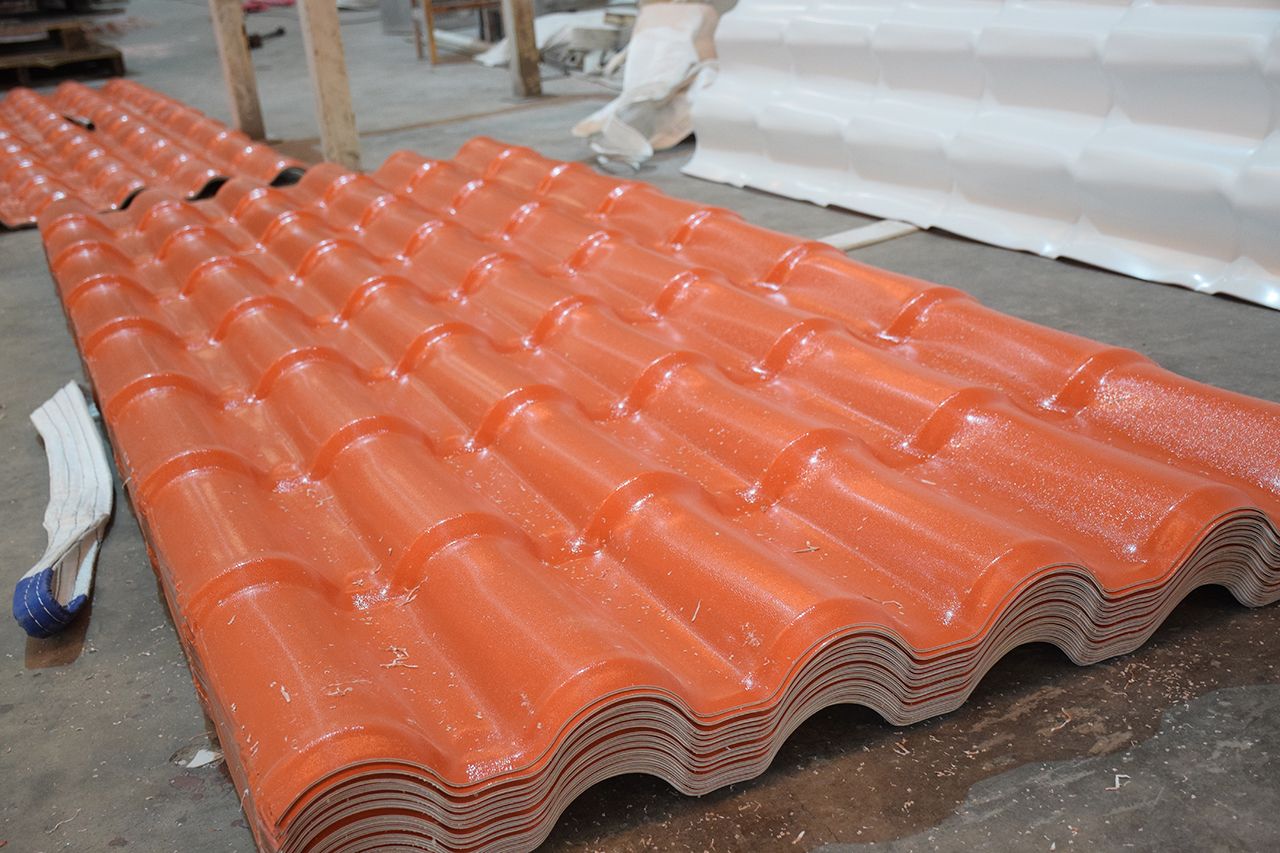
When it comes to showcasing case studies of synthetic resin roofing tiles, to put it simply, this means using actual projects to make a case and provide proof. When selecting roofing products, don’t just focus on sample catalogs. Instead, be sure to visit roofs that have been installed for over a year to check whether the color has held up, the joints are even, and drainage is smooth. These details, which become apparent in everyday life, are what you can truly rely on.
How to Choose Synthetic Resin Roof Tile Projects
You should pay special attention to projects that have been underway for more than a year—or even those that have been going on for over two years. In the short term, the project may appear flawless on the surface, but after six months, when you check for warping along the seams of the panels and look for noticeable fading on the surface, these observable signs will ultimately help you make an accurate assessment.
If the products are from the same brand but different production batches, you should still compare them side by side. This is because products that use resin as a base material can exhibit significant differences in their actual resistance to aging.
In addition, special attention should be paid to the differences in how the south-facing and north-facing sides of the same plane respond to sunlight; the rate at which they fade directly reveals the true performance of the UV-resistant coating in actual use, and this visual evidence is more telling than any technical specification comparison chart.
How to Assess the Results of a Roof Renovation
In renovation projects like this, once the old tiles have been completely removed, properly preparing the substrate is crucial. If the surface of the substrate is uneven or the nails are not securely fastened, even the highest-quality synthetic resin roofing tiles will be unable to conceal these underlying issues, and problems will still arise after a few years of occupancy.
What truly determines the quality of a construction crew is whether the drainage slope is sufficient and whether details such as the eaves and trim are finished neatly and cleanly—these details are far more important and revealing than choosing a specific color or pattern.
This step of on-site inspection must not be skipped under any circumstances., If you skip this step, you’re sure to run into all sorts of headaches down the road.
When you look at case studies showcasing synthetic resin roofing tiles, don’t let the renderings fool you. You need to really scrutinize the completed projects, paying close attention to the seams and drainage details—that way, you’ll have a clear idea of what to expect.