When many construction contractors and sales agents are looking for suppliers of resin roofing tiles, they often limit themselves to glancing at the product’s technical specifications and price quotes; this approach makes it difficult for them to accurately assess a manufacturer’s true overall capabilities.
The truly reliable approach is to visit completed project sites in person and carefully verify the manufacturer’s production capacity and scale. If these two key pieces of information are clearly evident, their credibility will be far more effective and practical than any flowery sales pitch.
Which Projects Feature Resin Roof Tiles?
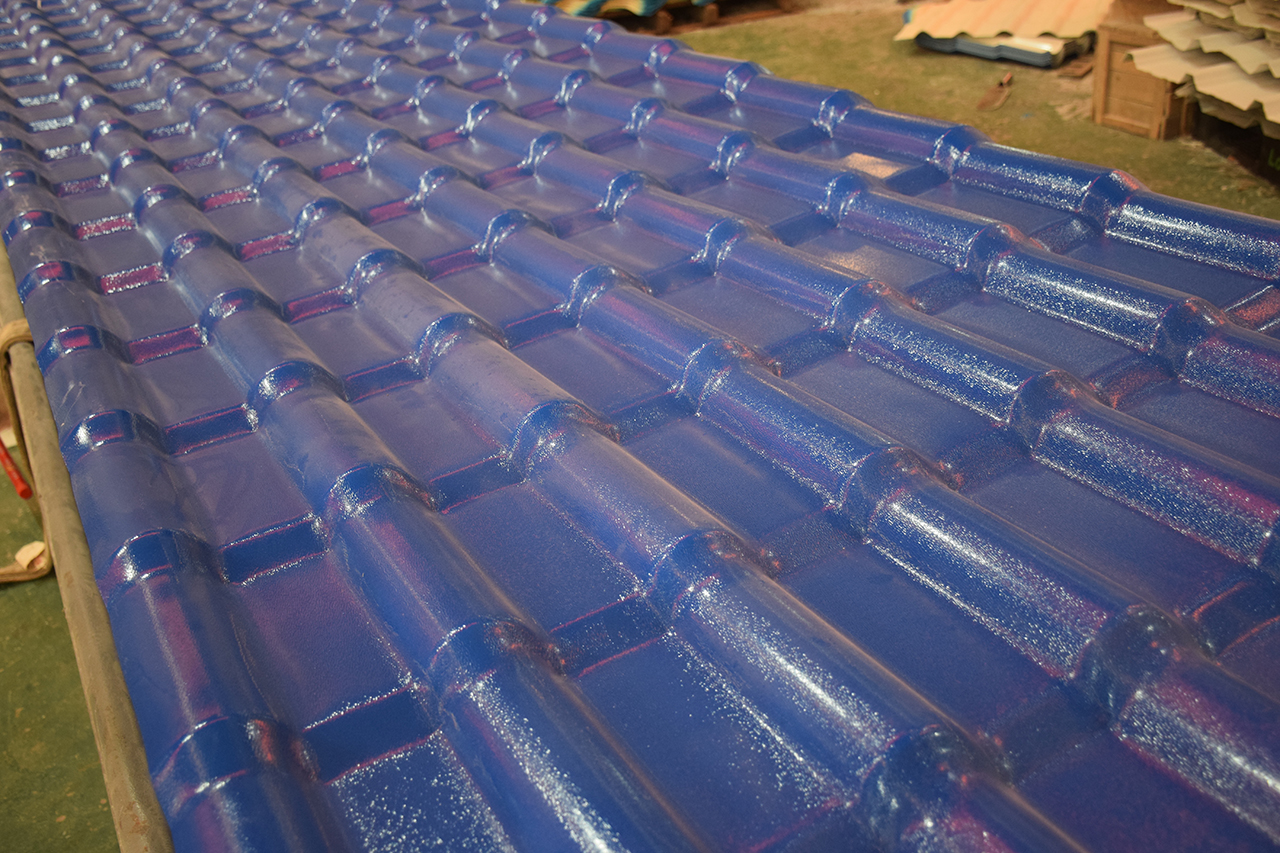
I’ve seen quite a few engineering projects—ranging from self-built homes in rural southern areas to industrial plant construction in the north, as well as the construction of walkways in scenic areas and the renovation of farmers’ markets. The actual visual results produced by different manufacturers vary tremendously. Everyone should pay close attention to the curvature of the roof, the method of overlapping the panels, and—most importantly—the construction details of the eave trim. Understanding these construction details clearly and thoroughly is far more valuable and informative than simply flipping through renderings in a brochure. A single authentic on-site photograph possesses far greater persuasive power and reference value than ten pages of printed color promotional material.
In addition, we must also consider the geographical scope of the project.
If a manufacturer has actual case studies from both coastal areas with high salt fog exposure and the northwest region with extreme temperature fluctuations and freeze-thaw cycles, this clearly demonstrates that the weather resistance of the materials used has been rigorously tested under a variety of climatic conditions. This is by no means simply a matter of taking a chance in a single region.
How to Assess a Manufacturer's Capabilities
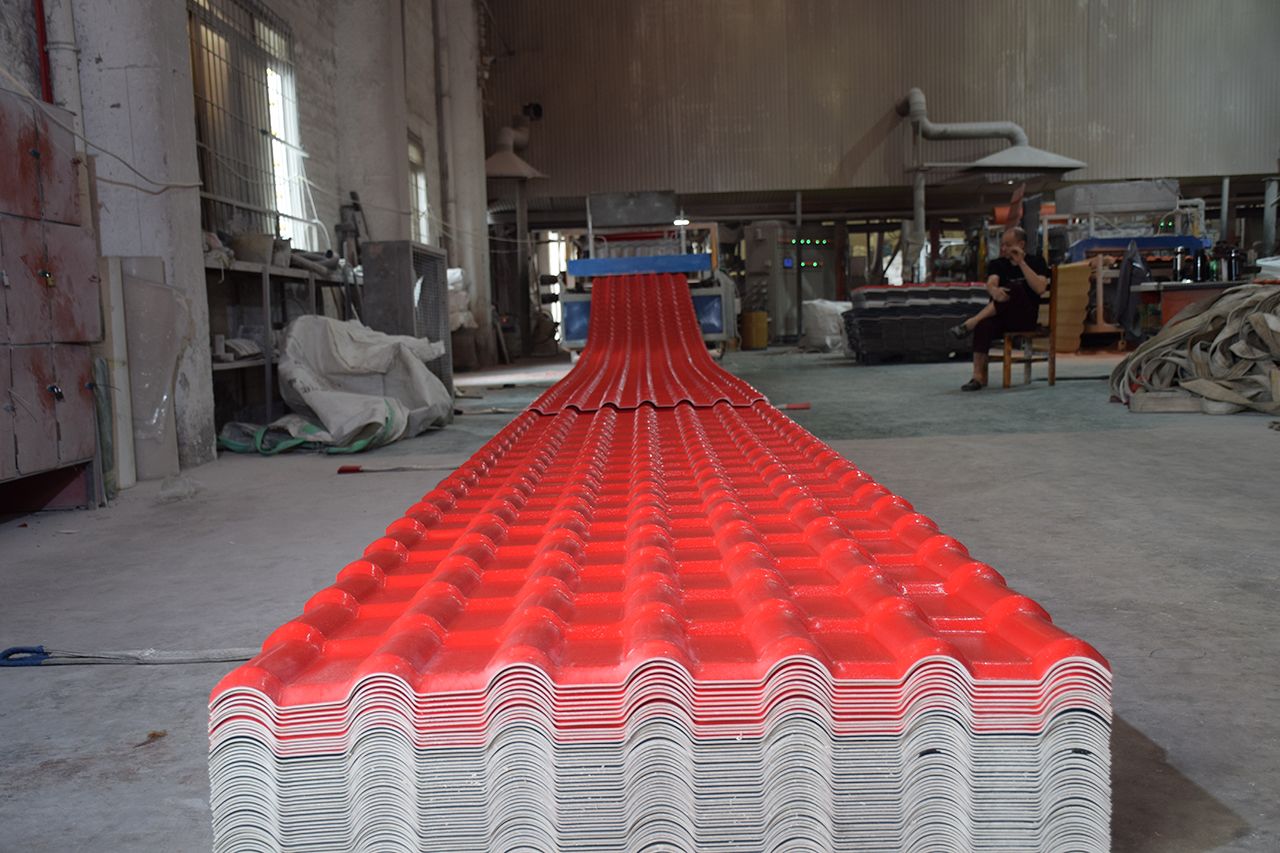
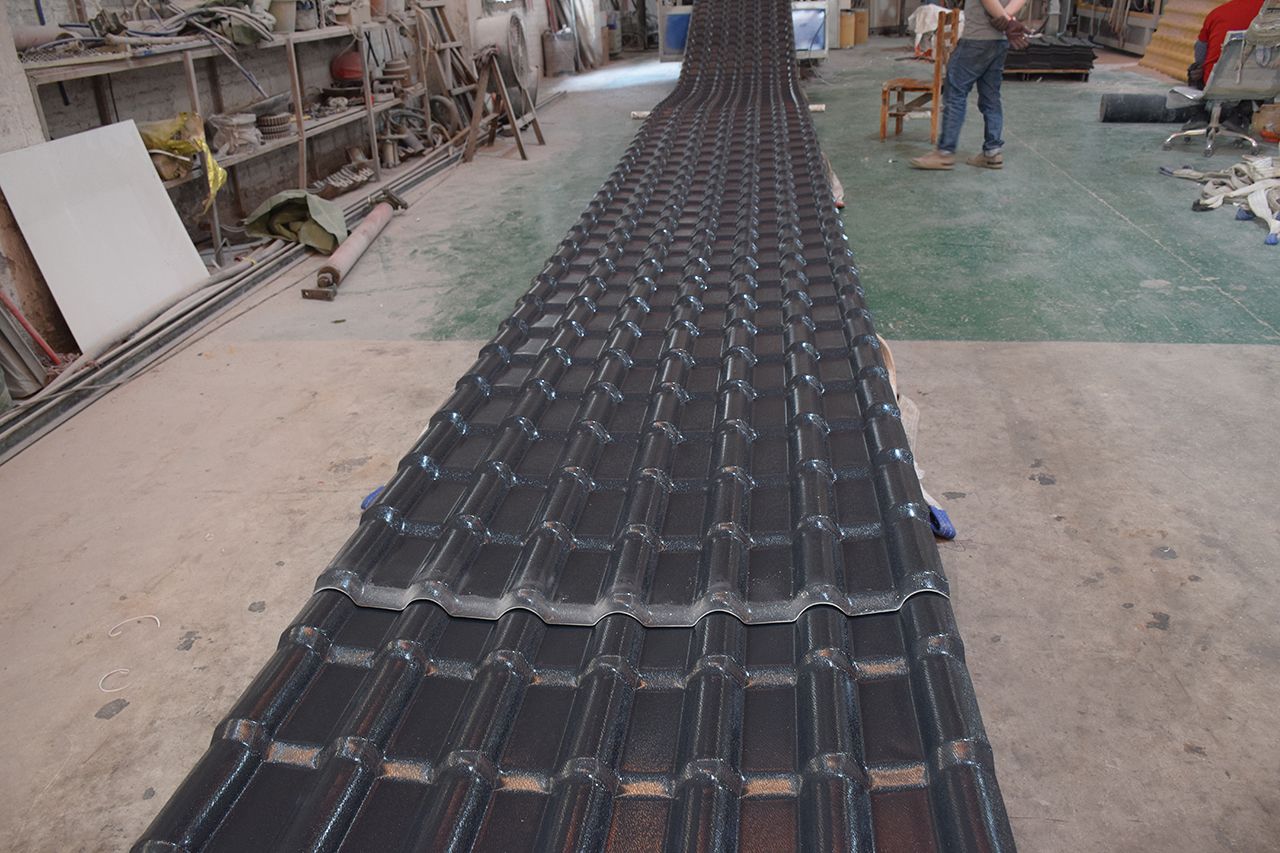
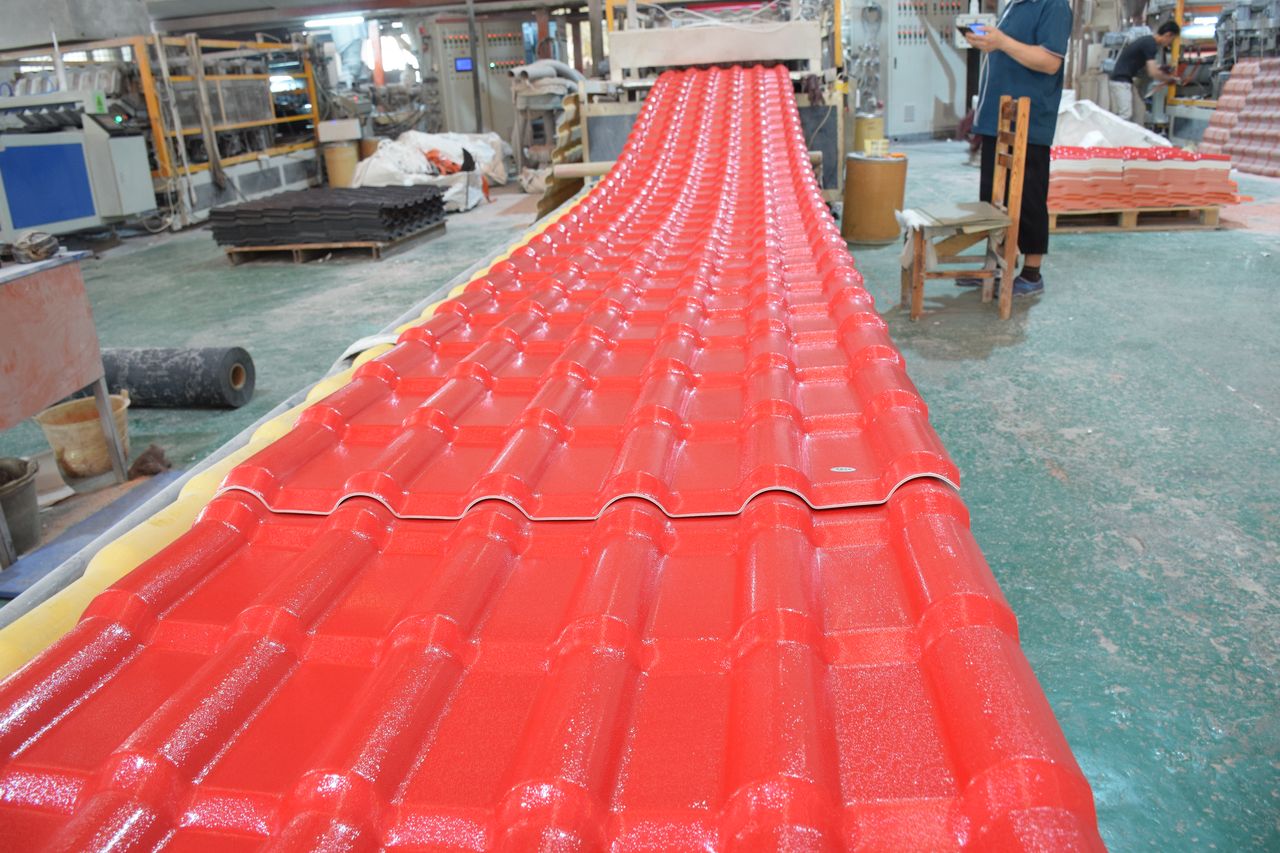
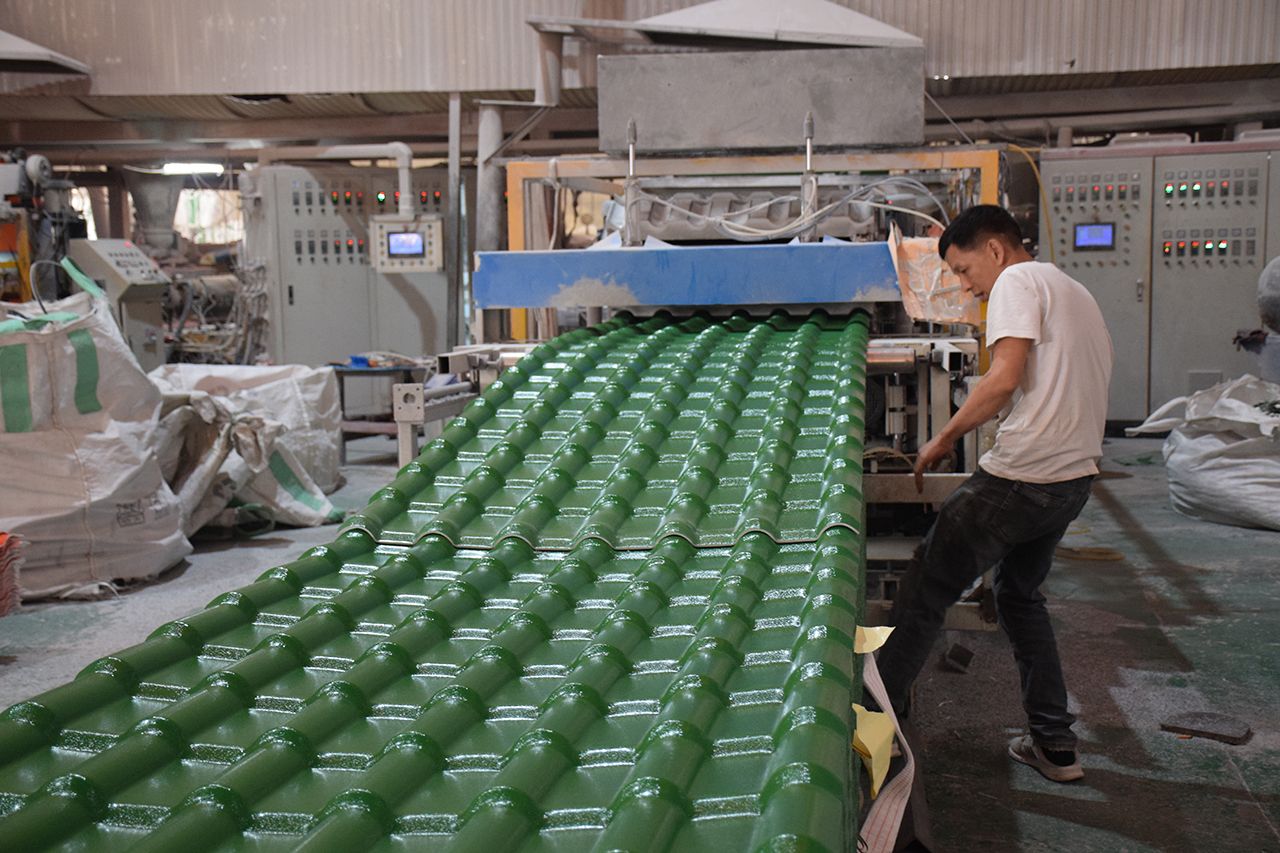
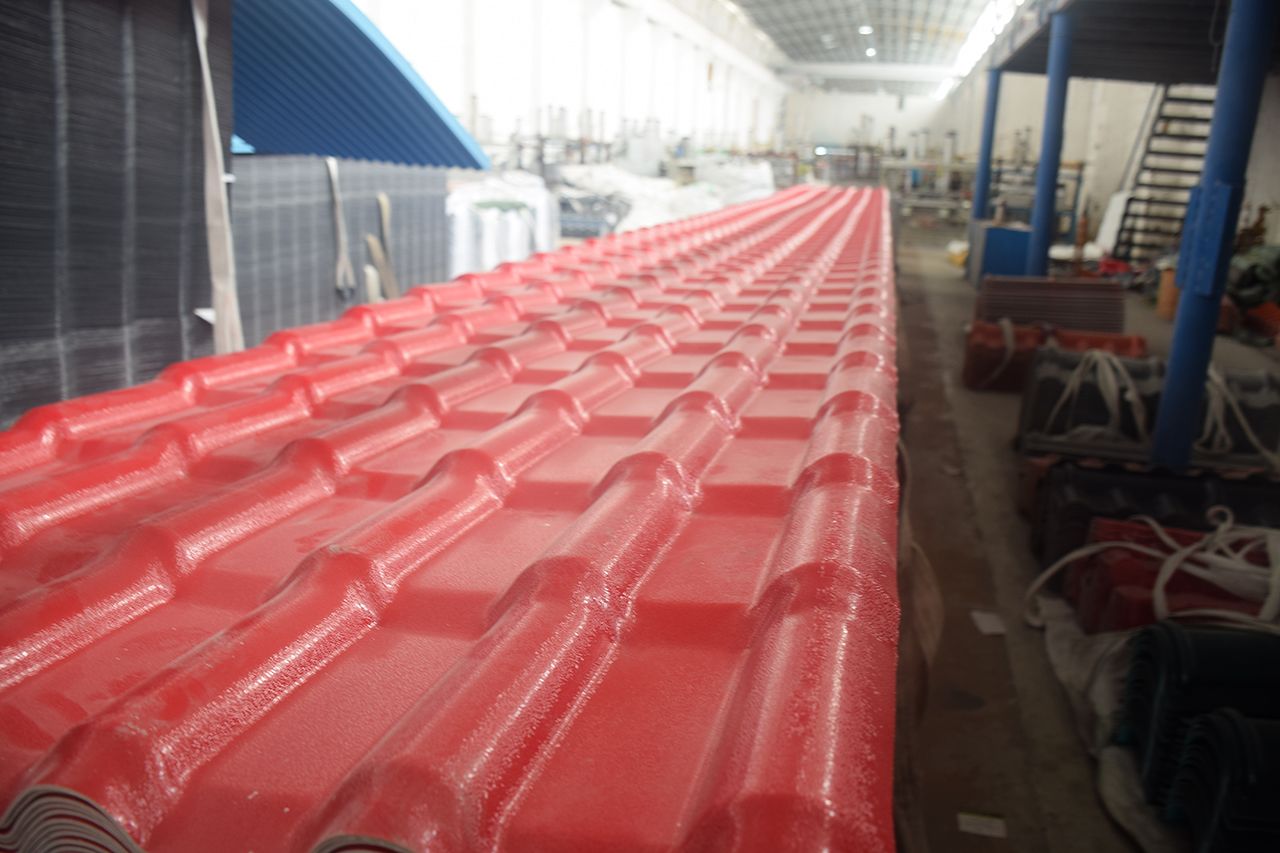
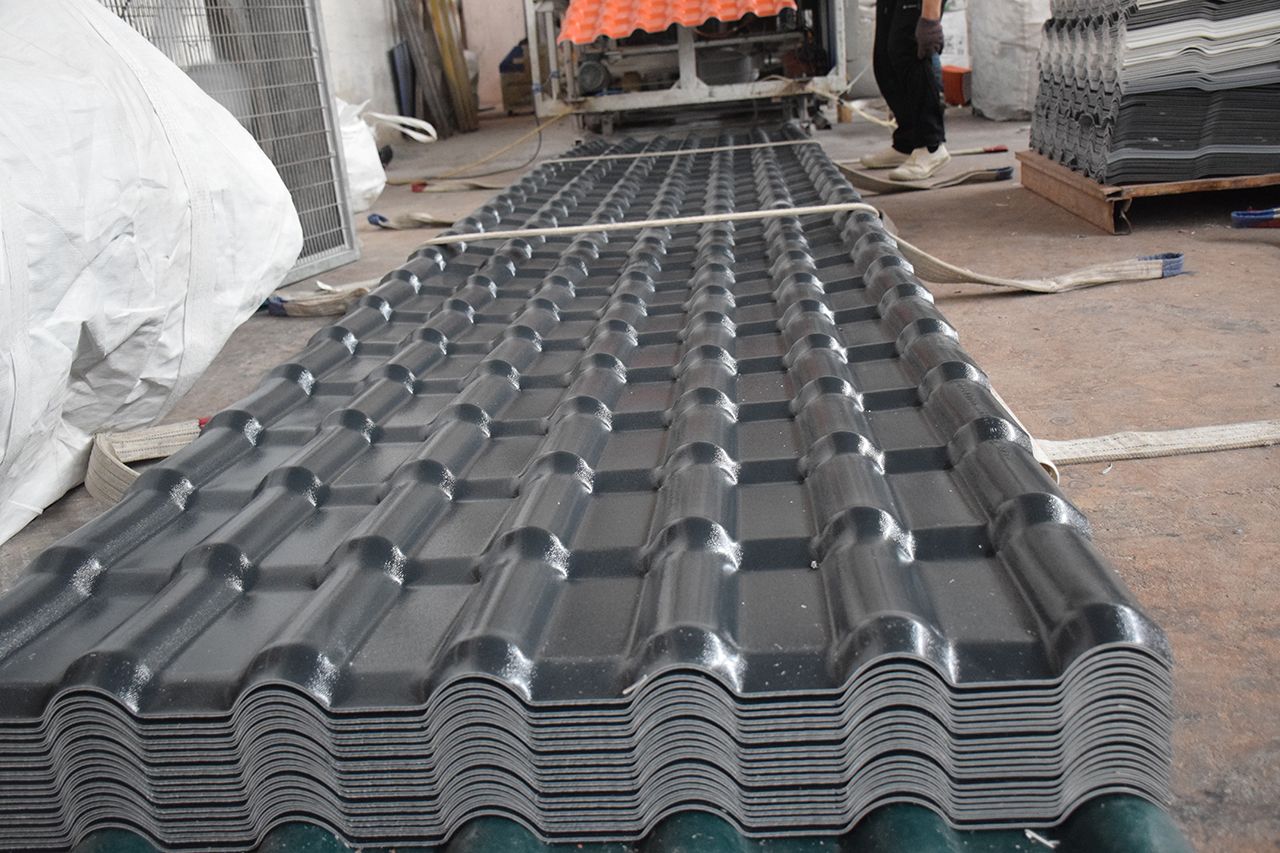
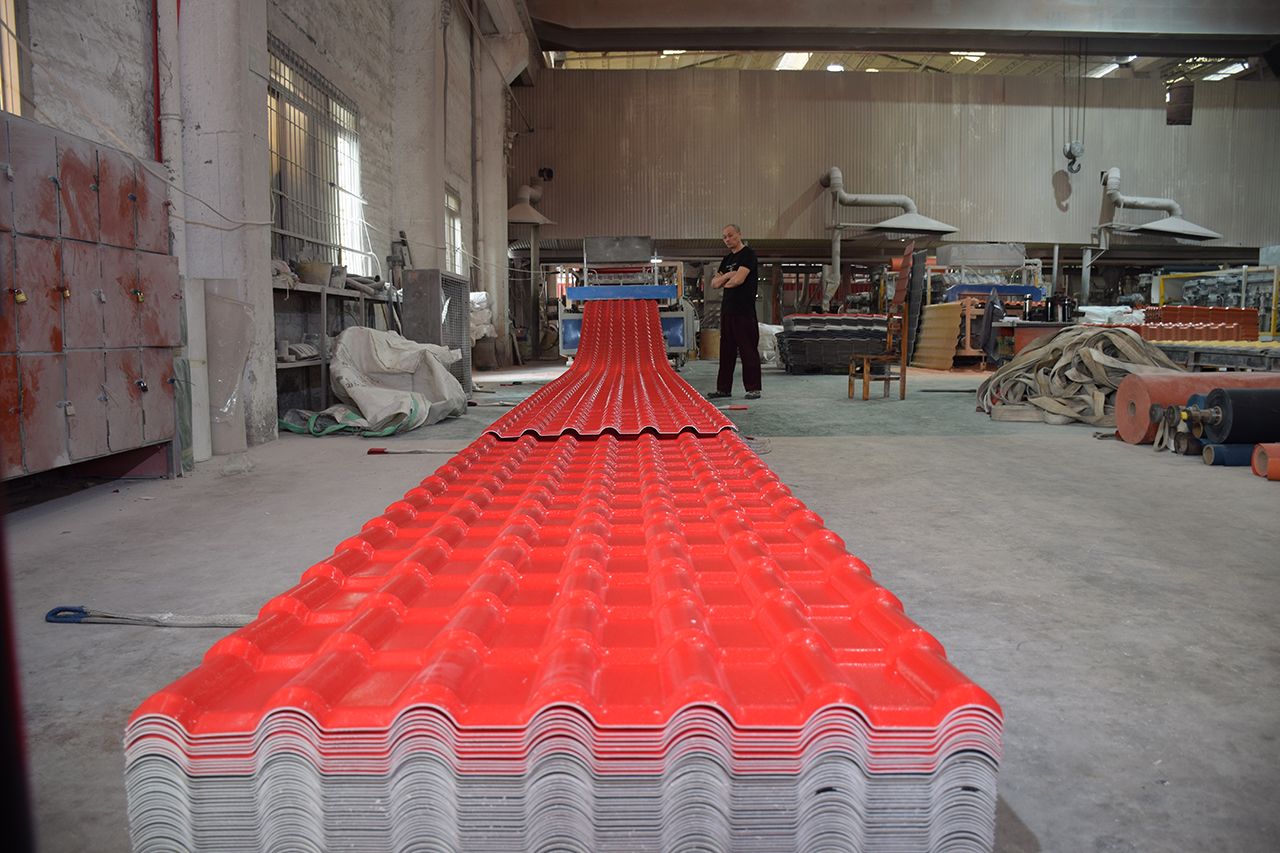
Production capacity is a fairly concrete metric. Factories with a monthly output of less than 30,000 square meters are generally unable to handle projects with tight deadlines, shifting all the risk of delayed delivery onto downstream partners. It’s far more reliable to examine photos of the factory premises, the total number of pieces of equipment, and the exact number of production lines on-site than to simply look at the registered capital figures listed on the business license.
When making a purchase, be sure to read the warranty terms carefully, especiallyFading, cracking, warpingThe warranty periods for these items. The more specific the manufacturer is in describing them, and the clearer the terms for compensation are defined, the more it demonstrates that they have complete confidence in the materials they use—and that they’re not just going through the motions.
In summary, when selecting a manufacturer of resin roofing tiles based on case studies, there are two key practical factors to consider. First, you need to assess whether the results of actual projects stand up to scrutiny. Second, you need to determine whether the manufacturer can reliably ensure both production capacity and product warranty.
As long as you verify these two points very carefully, don’t let yourself be led astray by so-called low prices or flashy marketing tactics. If you follow this approach, you’ll generally avoid running into any major pitfalls.