Having been in the building materials business for over a decade, I’ve witnessed countless fluctuations in material prices. As a roofing material that has only recently gained popularity, price fluctuations in PVC roofing tiles have been a source of concern for many distributors and contractors. Understanding the trends in PVC roofing tile prices is crucial for making informed purchasing decisions.
Why Do PVC Roof Tile Prices Fluctuate?
PVC roofing tiles, which use polyvinyl chloride (PVC) resin as their primary raw material, are closely tied to the crude oil market in terms of price. Since the beginning of 2024, international oil prices have fluctuated constantly, directly affecting the cost of downstream plastic products. As a commodity, resin is subject to numerous factors—including geopolitical tensions, environmental policies, and production capacity adjustments—making its price difficult to predict.
Another key factor is changes in market demand, In recent years, demand for lightweight waterproofing materials has grown in sectors such as rural self-built homes and factory renovations, which has in turn driven up consumption of PVC roofing tiles. When demand is strong, manufacturers’ bargaining power increases, and retail prices rise accordingly; conversely, prices tend to fall during the traditional off-season or when real estate market regulations are implemented.
Environmental regulations have become stricter, which has also driven up production costs. Some small factories have been shut down and ceased operations because they failed to meet environmental standards, industry concentration has increased, and leading companies have gained greater pricing power. This structural shift has resulted in PVC roof tile prices exhibiting a pattern where “they rise easily but fall with difficulty.”
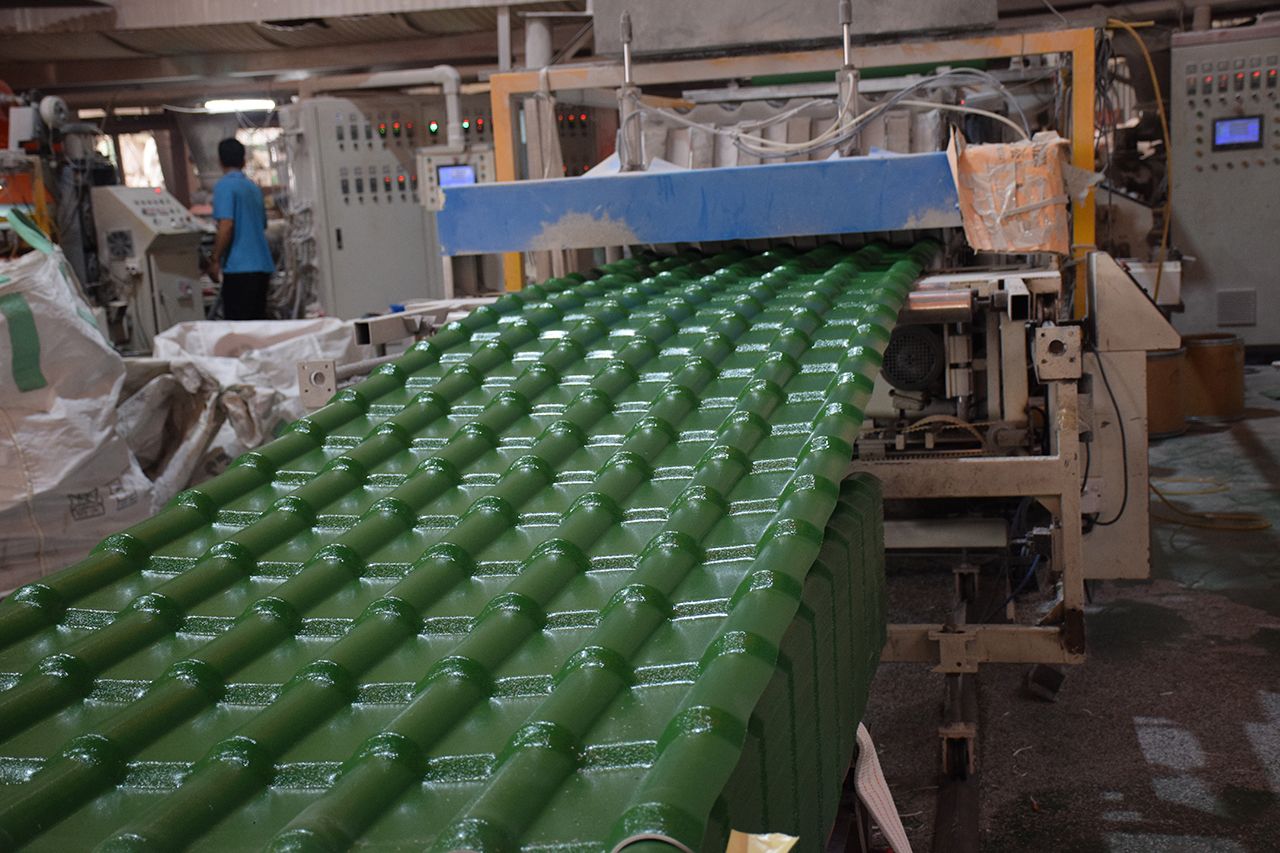
The price trends for PVC roofing tiles shown here indicate a moderate upward trend overall in recent years; however, the rate of increase has been relatively moderate and not subject to the sharp fluctuations seen in steel and cement.
What will happen next?
Uncertainty still surrounds the price trend for polyvinyl chloride (PVC) roofing tiles. First, capacity expansion plans in the petrochemical industry are moving forward; from a long-term perspective, the supply of raw materials is expected to become more abundant, which will exert some downward pressure on prices. Second, if the prices of raw materials and energy surge sharply again, the resulting cost pressures will be passed on to end consumers.
From the demand side, rural revitalization and urban renewal initiatives are continuing to move forward, which continues to drive demand to some extent for roofing materials like PVC roofing tiles that are lightweight and durable. However, the pace of new real estate construction has slowed, meaning that the potential for further growth is limited. In the short term, prices are likely to remain range-bound, with both sharp rises and sharp declines being relatively unlikely.
From a buyer’s perspective, keeping an eye on raw material market trends and timing purchases carefully is a more prudent approach than blindly stockpiling or adopting a wait-and-see attitude. When making bulk purchases, buyers can negotiate with manufacturers to lock in prices, thereby reducing the risk posed by market fluctuations.
Keywords: PVC roofing tile price trends