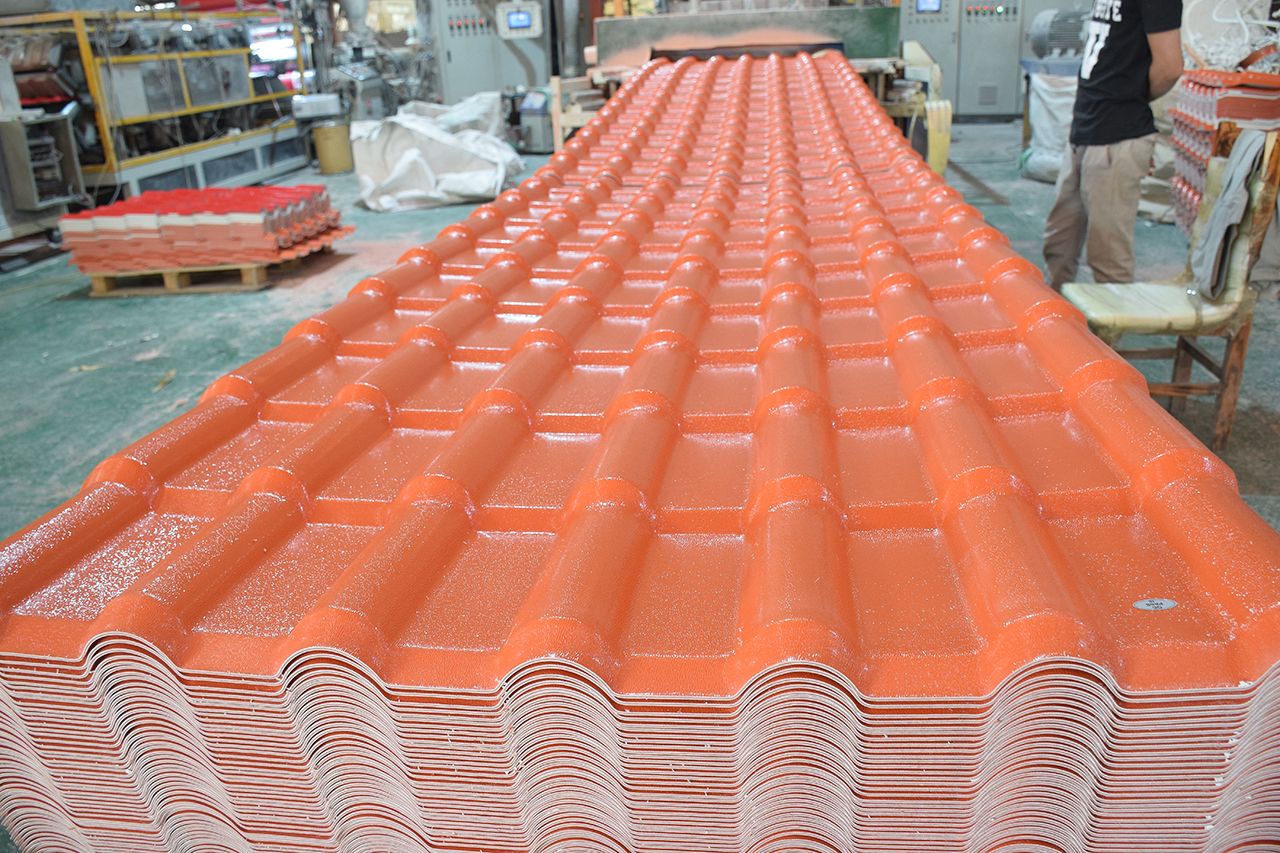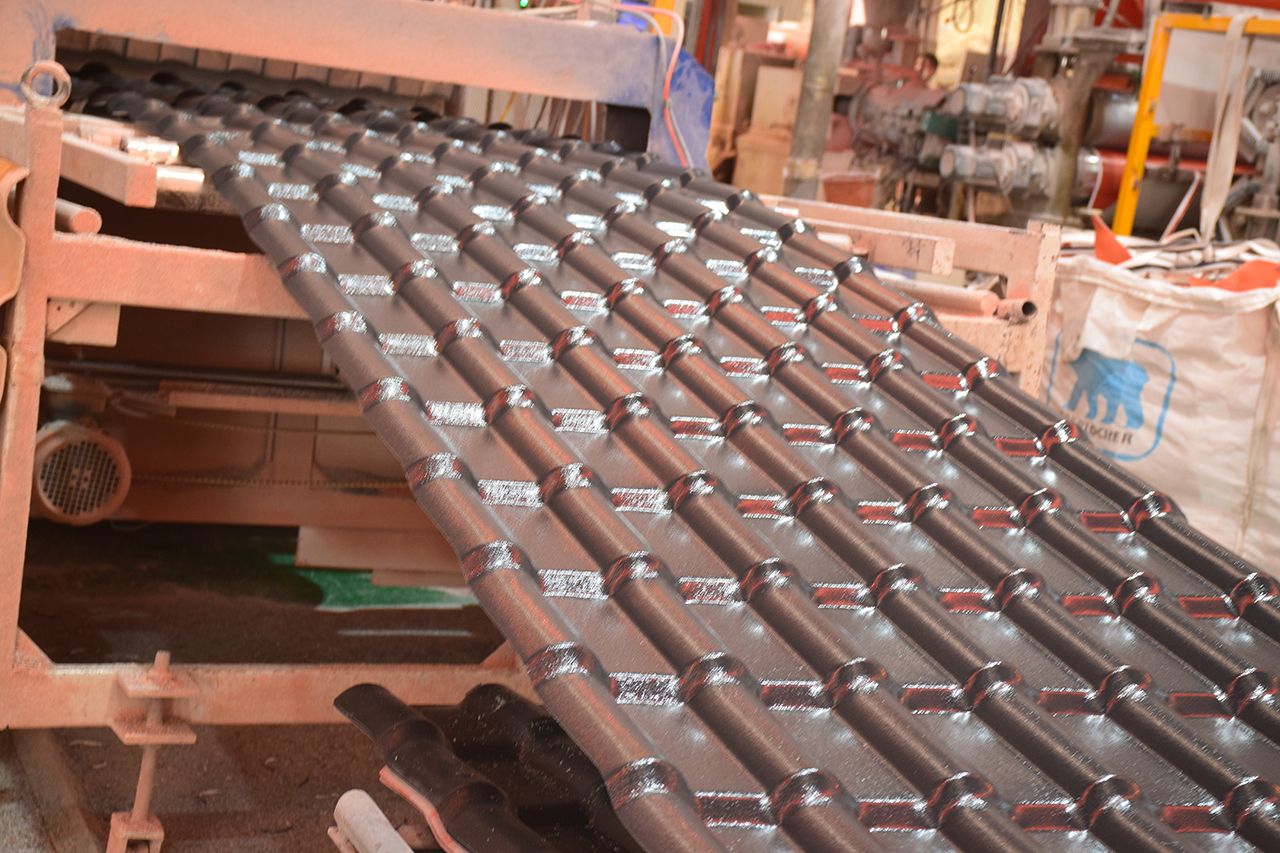
Are resin roofing tiles and PVC roofing tiles suitable for self-built homes in rural areas?
When building a home in a rural area and selecting roofing materials, durability and maintenance costs are the primary factors to consider. While traditional roof tiles are considered a classic choice, they are quite heavy, place certain demands on the building’s structure, and are highly susceptible to damage in areas prone to typhoons.
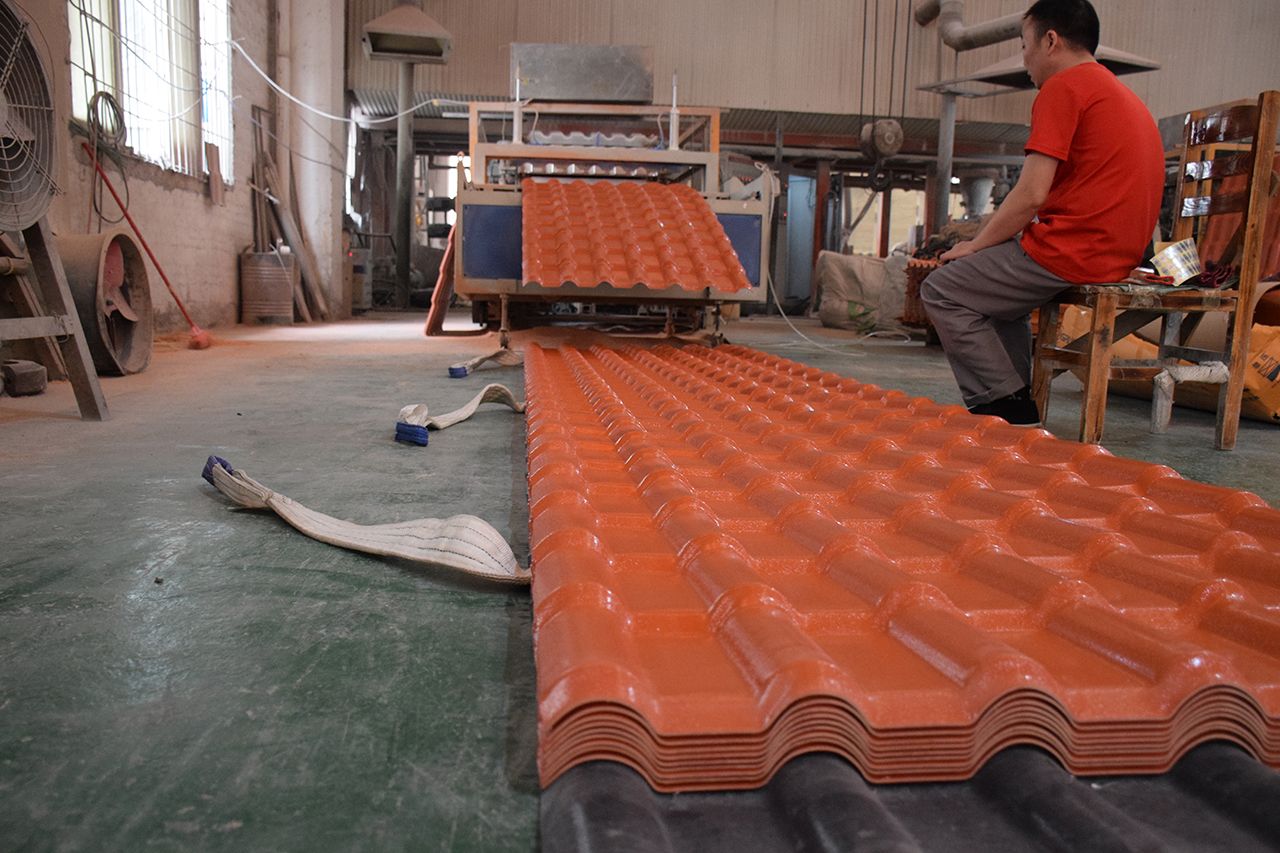
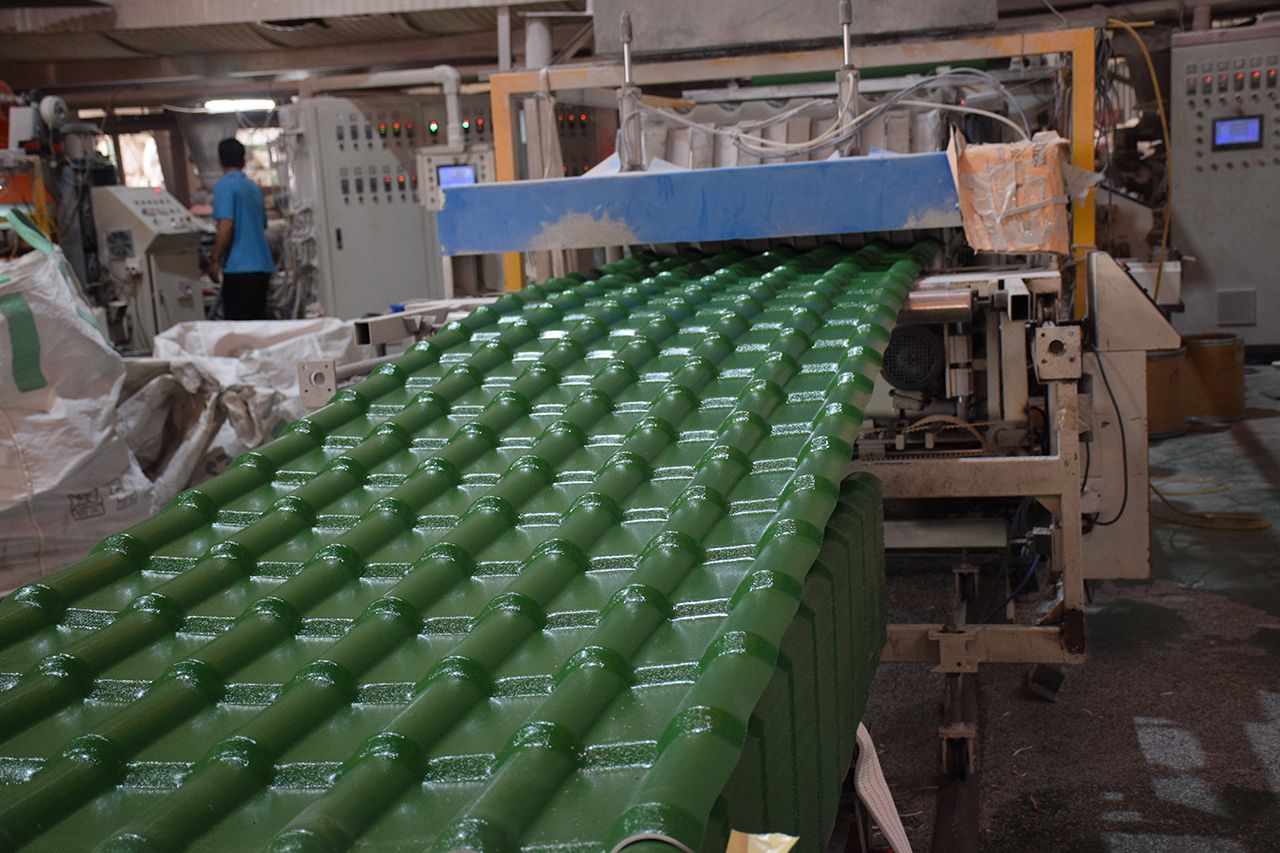
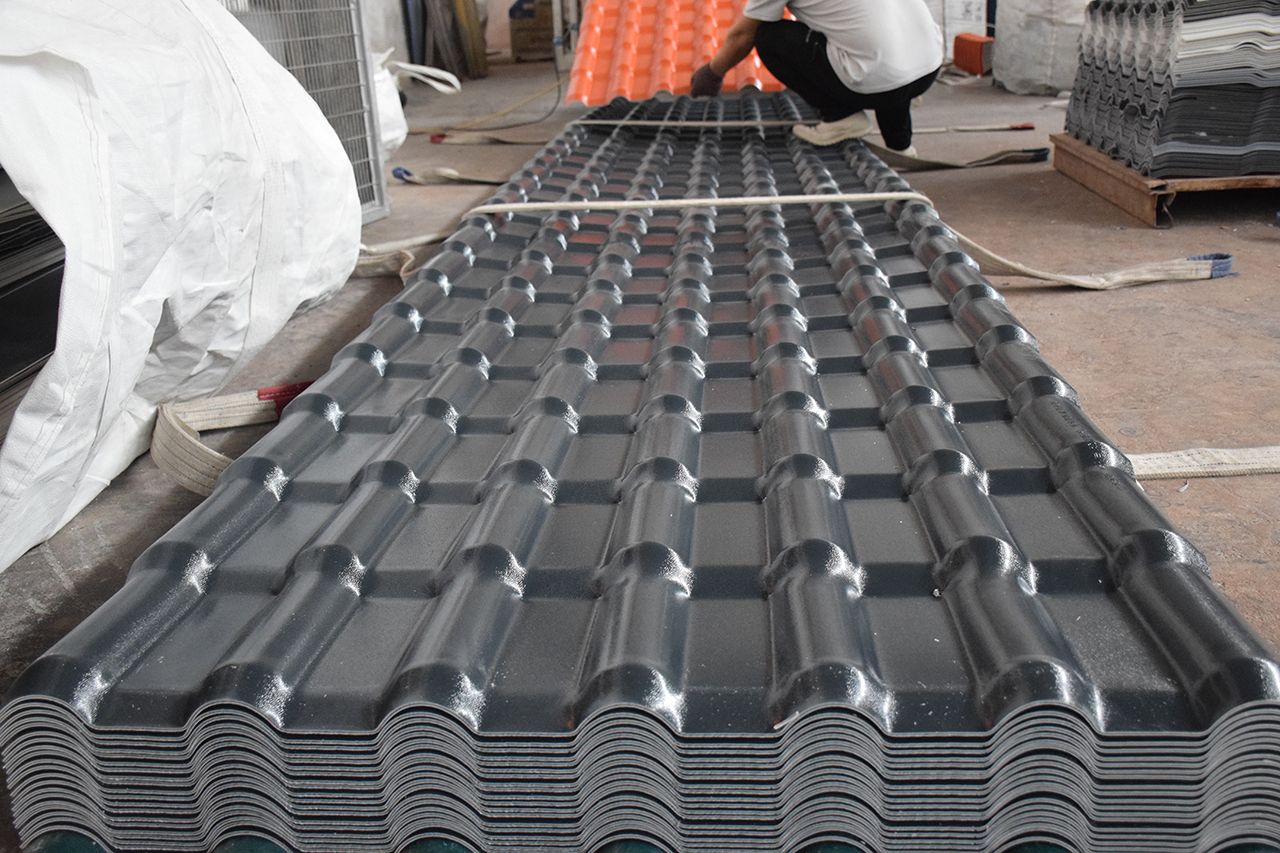
In recent years, resin roofing tiles and PVC roofing tiles have become increasingly common in rural areas. These materials are primarily made from polymer resin, with the addition of stabilizers, UV inhibitors, and pigments. Their appearance mimics the texture of traditional glazed or terracotta roof tiles, yet they weigh only about one-third as much as traditional tiles.
Resin roofing tiles are lightweight, as are PVC roofing tiles. These types of tiles are very easy to install; they reduce scaffolding costs and transportation costs, which to some extent makes construction less difficult. However, resin tiles have poorer thermal insulation properties than traditional tiles, so temperatures under the roof may be slightly higher in the summer. This is a factor that needs to be weighed when making a selection.
Some villagers place greater importance on natural lighting. Resin roofing tiles offer good light transmission, making interiors brighter and reducing the need to turn on lights during the day. Additionally, this material is corrosion-resistant and does not age prematurely due to acidic substances in rainwater, making it ideal for use in the humid, rainy regions of southern China. Since self-built homes in rural areas typically have few stories, installing resin roofing tiles does not require large lifting equipment; ordinary workers can complete the installation.
How to Choose the Right Quality of Resin Tiles and PVC Tiles
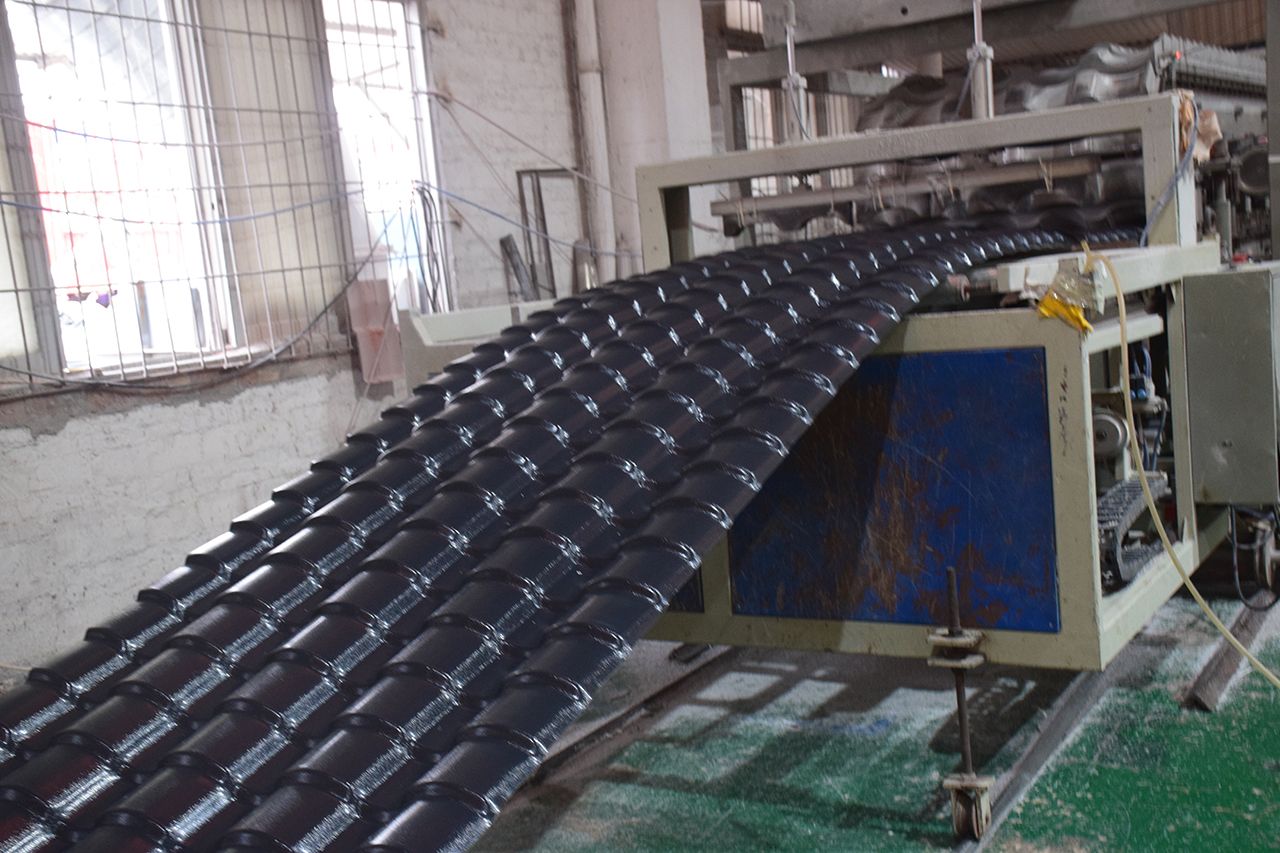
The quality of resin roof tiles on the market varies widely, so there are several key points to consider when making a purchase. Thickness is an important factor; generally, it is recommended to choose products that are 2.0 mm or thicker. Tiles that are too thin have poor wind resistance and are prone to warping or falling off during high winds. In terms of color, resin roof tiles containing UV stabilizers retain their color longer. Inferior products may fade within a year, which can compromise the overall aesthetic appeal.
When making a purchase, be sure to check the warranty period specified in the product description; well-known brands typically offer longer warranty periods. Some products on the market pass off inferior-quality items as high-quality ones by mixing recycled materials into the production process. While these products may look virtually identical on the surface, they tend to become brittle after one or two years of use. Choosing brands with proper manufacturing certifications and test reports is the fundamental safeguard against purchasing substandard products.
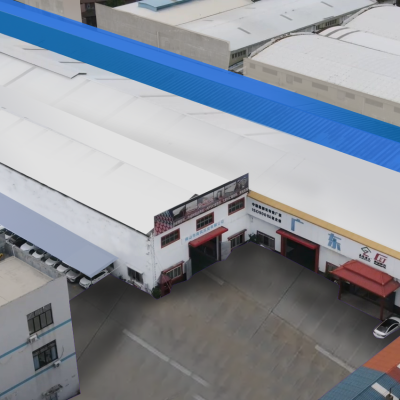
Within the industry, Gaoyi resin roofing tiles and PVC roofing tiles have a relatively good reputation; they are manufactured using virgin materials, and their resistance to aging is relatively stable. Other brands, such as Hongbo, Gongli, Xingfa, and Sumei, also have their own product lines; however, the quality varies significantly, so careful evaluation is necessary.
How long do resin roofing tiles and PVC roofing tiles last?
The actual service life of resin roofing tiles is influenced by a variety of factors. Under normal installation and usage conditions, high-quality products can last 15 to 25 years. In northern regions, where winters are cold, the material undergoes frequent thermal expansion and contraction, which may result in a slightly shorter service life. In southern regions, where the climate is relatively mild, resin roofing tiles demonstrate superior durability.
Service life is directly affected by installation techniques. Proper fastening methods and the use of specialized accessories can reduce the risks posed by wind and rain. It is essential to make careful selections early on, as low-quality resin roofing tiles may show significant fading and brittleness within five to eight years. It is also crucial to regularly remove fallen leaves and debris from the roof, as accumulated debris can accelerate the aging of the material.
Overall, resin roofing tiles and PVC roofing tiles are practical and cost-effective options for self-built homes in rural areas, ideal for users seeking value for money and ease of installation. The resin and PVC roofing tiles manufactured by Gaoyi demonstrate consistent performance in terms of weather resistance and UV resistance, and have received relatively positive feedback in the market. For rural homeowners with limited budgets who also hope to reduce long-term maintenance costs, this is a solution worth considering.
Keywords: Gaoyi Resin Tiles, PVC Tiles